

Succiacapre vs Swamp Nightjar
Caprimulgus europaeus contro Caprimulgus natalensis
Fai un quiz con Succiacapre e Swamp Nightjar
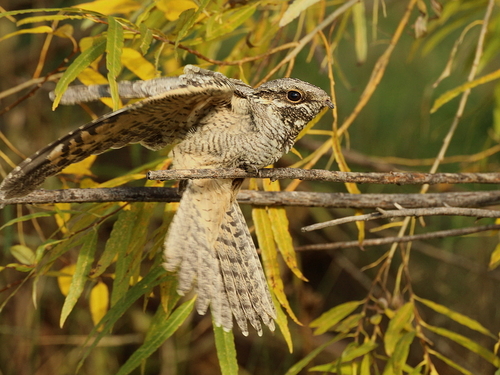 Succiacapre
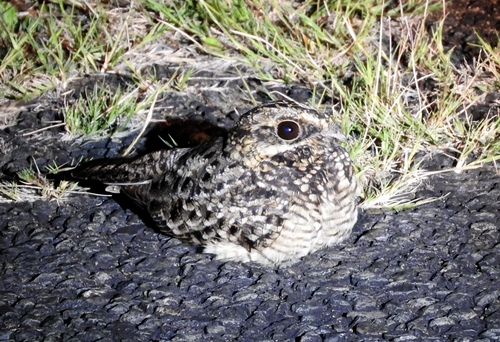 Swamp Nightjar
In breve
Il segno distintivo più affidabile per separare il Succiacapre dal Swamp Nightjar è la presenza di macchie bianche sulle ali e sulla coda dei Succiacapre maschi adulti, che mancano nei Swamp Nightjar. I Succiacapre giovanili e femminili, così come tutti i Swamp Nightjar, non mostrano queste marcature bianche, quindi la separazione si basa su differenze più sottili nel piumaggio e nella struttura. Il Succiacapre è generalmente più grande, con un aspetto più grigio e più striato, mentre il Swamp Nightjar si trova solo in Africa ed è tipicamente più scuro e meno contrastante. Entrambe le specie sono notturne e criptiche, rendendo l'identificazione sul campo una sfida, specialmente al di fuori del piumaggio dei maschi adulti.
Consigli di identificazione
- Macchie bianche sulle ali e sulla coda (solo maschio adulto Succiacapre): In volo, cerca macchie bianche audaci sulle primarie esterne e punte bianche sulle piume della coda esterna. Il Swamp Nightjar non mostra mai questi segni. Le femmine e i giovanili di entrambe le specie non le hanno, quindi questo segno è diagnostico solo per i maschi adulti.
- Dimensioni e struttura complessive: Il Succiacapre è più grande e ha ali più lunghe, con un volo più galleggiante e simile a quello di una falena. Il Swamp Nightjar è più piccolo e compatto, ma la dimensione può essere difficile da giudicare senza un confronto diretto.
- Colorazione delle parti superiori: Il Succiacapre è generalmente più chiaro e più marrone-grigiastro con striature scure prominenti e un collare di buff sul collo posteriore. Il Swamp Nightjar è più scuro e meno contrastante, con striature e collare meno evidenti.
- Macchie sulle ali (posato): Il Succiacapre mostra macchie di buff sulla ala chiusa, che possono essere meno distinte o assenti nel Swamp Nightjar.
- Confusione giovanile: I Succiacapre giovanili assomigliano alle femmine adulte e mancano di macchie bianche, quindi non possono essere separati dal Swamp Nightjar tramite questo segno. Concentrati sul colore generale e sulle striature.
- Schema della coda: Solo il maschio adulto Succiacapre mostra punte bianche sulle piume della coda esterna. Le femmine e i giovanili di entrambe le specie hanno code semplici.
- Stile di volo: Il volo del Succiacapre è descritto come molto galleggiante e silenzioso, con ali lunghe e appuntite. Il Swamp Nightjar può apparire meno allungato in volo.
- Habitat e distribuzione: In Europa o Asia, l'uccello è il Succiacapre. In Africa, entrambe le specie sono possibili, specialmente durante il periodo di svernamento del Succiacapre. Il Swamp Nightjar non si trova al di fuori dell'Africa.
- Aspetto posato: Entrambe le specie sono criptiche e difficili da vedere quando sono posate. Il Succiacapre può apparire più chiaro e più striato; il Swamp Nightjar è più scuro e più uniforme.
- Vocalizzazione: I maschi di Succiacapre producono un lungo trill gorgogliante al crepuscolo e all'alba. Il canto del Swamp Nightjar non è descritto qui, quindi non fare affidamento sulla voce a meno che tu non sia familiare con entrambe le specie.
- Differenze sessuali: Solo il maschio Succiacapre mostra bianco nelle ali e nella coda. Le femmine e i giovanili di entrambe le specie sono simili e meglio separati da sottili differenze nel piumaggio e nella struttura.
- Contesto stagionale: Le macchie bianche sulle ali e sulla coda sono visibili solo dopo la prima muta prebasica, quindi i Succiacapre molto giovani potrebbero non averle. Considera il periodo dell'anno e l'età quando usi questo segno.
- Confusione con altri succiacapre: In Africa, il Succiacapre può sovrapporsi ad altre specie di Caprimulgus; controlla sempre la presenza di marcature bianche e la colorazione generale.
- Condizioni di illuminazione: Entrambe le specie sono più attive al crepuscolo e all'alba, rendendo difficile giudicare colore e schema. Usa la struttura e il modello delle ali e della coda quando possibile.
- Indizi comportamentali: Entrambe le specie possono essere localizzate dal loro volo al crepuscolo o ascoltando il canto gorgogliante del Succiacapre. Le vocalizzazioni del Swamp Nightjar non sono descritte, quindi usa cautela.
Taglia
Il Succiacapre è notevolmente più grande, misurando 24,5–28 cm di lunghezza con un'apertura alare di 52–59 cm. I maschi pesano 51–101 g e le femmine 67–95 g. Il Swamp Nightjar è più piccolo, ma le misure precise non sono fornite nelle fonti disponibili. Sul campo, il Succiacapre apparirà solitamente con ali più lunghe e più robusto, specialmente in volo, rispetto al più compatto Swamp Nightjar.
Piumaggio
Per i maschi adulti, il Succiacapre mostra audaci macchie bianche sulle primarie esterne (tre piume) e punte bianche sulle due piume esterne della coda, che sono visibili in volo e talvolta quando è posato. Le femmine e i giovanili di Succiacapre mancano di questi segni bianchi e assomigliano più da vicino al Swamp Nightjar. Gli adulti e gli immaturi di Succiacapre hanno parti superiori marrone-grigiastro con striature scure, un collare di buff sul collo posteriore e macchie di buff sulla ala chiusa. Il Swamp Nightjar, al contrario, è generalmente più scuro nel complesso, con striature meno prominenti e un collare sul collo posteriore meno evidente. Entrambe le specie sono altamente criptiche quando sono posate, ma il Succiacapre tende a sembrare più chiaro e più striato, mentre il Swamp Nightjar appare più uniformemente scuro e meno decorato. I Succiacapre giovanili assomigliano alle femmine adulte e mancano delle macchie bianche sulle ali e sulla coda, quindi l'età deve essere considerata quando si utilizza questo segno.
Comportamento
Entrambe le specie sono crepuscolari e notturne, spesso viste al crepuscolo o all'alba in un volo galleggiante e silenzioso. Il Succiacapre è noto per il suo volo molto galleggiante, simile a quello di una falena, su ali lunghe e appuntite, che può apparire più pronunciato rispetto al Swamp Nightjar. Entrambe le specie sono difficili da individuare quando sono posate a causa del loro piumaggio criptico e della tendenza a rimanere immobili lungo i rami o sul terreno.
Habitat
Il Succiacapre nidifica in gran parte dell'Europa e del Paleartico, estendendosi fino alla Mongolia e alla Cina nord-occidentale, e sverna in Africa. Il Swamp Nightjar è residente in Africa e non si trova in Eurasia. L'overlap degli habitat è possibile solo in Africa durante il periodo di svernamento del Succiacapre, ma il Swamp Nightjar è più ristretto agli habitat africani. Se osservato in Europa o Asia, l'uccello è il Succiacapre per default.
Voce
I maschi di Succiacapre cantano un lungo e sostenuto trill gorgogliante, spesso da un posato all'alba o al crepuscolo, con occasionali trill gorgoglianti e display di battito d'ali. Entrambi i sessi emettono un breve richiamo 'cuick, cuick' in volo e vari richiami di allerta e nido. Le vocalizzazioni del Swamp Nightjar non sono descritte nelle fonti disponibili, quindi le differenze vocali non possono essere utilizzate in modo affidabile per la separazione con le informazioni attuali.