

Motmot

ウソ 対 ハギマシコ

Pyrrhula pyrrhula 対 Leucosticte arctoa

ウソとハギマシコのクイズ
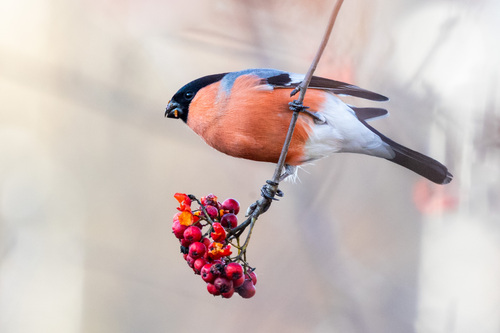
ウソ (Pyrrhula pyrrhula) ウソ
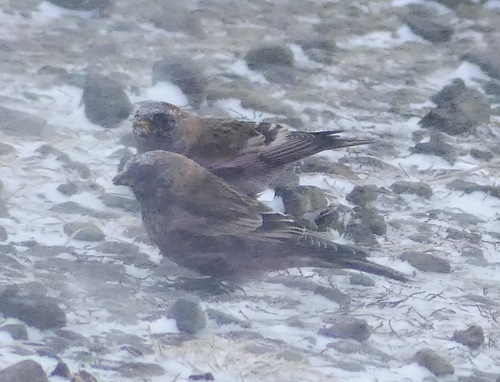
ハギマシコ (Leucosticte arctoa) ハギマシコ

メディア

読み込み中…

要点

ユーラシアウソとハギマシコの間で最も信頼できるフィールドマークは、ウソの存在感のある白い尾と翼のバーであり、特に飛行中に目立ちます。対して、ハギマシコはそのような対照的な白いマーキングがありません。ユーラシアウソは、黒い帽子と顔(成鳥)を持つずんぐりした、牛頭の鳥であり、ハギマシコは、オスが黒い顔と翼や側面にピンク色の色合いを示す、ずっしりとした暗褐色のマシコです(いくつかの亜種を除く)。両種の雌と幼鳥はより地味ですが、ウソの全体的な灰色の上面と白い尾は依然として特徴的です。構造とくちばしの形も微妙に異なり、文脈(ヨーロッパ対東アジア、森林対ツンドラ/草原)も役立ちますが、単独で頼るべきではありません。

識別のコツ

  1. 白い尾と翼のバー(全ての年齢): ユーラシアウソは、年齢や性別に関係なく、飛行中に目を引く白い尾と大胆な白い翼のバーを常に示します。ハギマシコはこれらの領域に白を示すことはありません—これは最も信頼できるフィールドマークです。
  2. 成鳥オスの腹部: ウソのオスは豊かな赤い腹部を持ち、ハギマシコのオスは翼や側面にピンク色の色合いを持つ茶色の腹部を持っています(ピンクがないヤクーチア亜種を除く)。下に赤が見えたら、それはウソです;ピンク色の翼/側面はハギマシコを指します。
  3. 帽子と顔の色: 成鳥ウソは黒い帽子と顔を持ち、ハギマシコのオスは黒い顔と喉を持っていますが、雌と幼鳥はより淡いです。幼鳥のウソは黒い帽子がなく、混乱を引き起こす可能性があります—代わりに白い尾と翼のバーを探してください。
  4. 雌/幼鳥の混乱: 両種の雌/幼鳥はより地味です。ウソの雌は灰色がかったバフで、上が灰色で、白い尾と翼のバーを持っています。ハギマシコの雌はより淡い茶色で、ピンクも白い翼/尾のマークもありません。
  5. くちばしの構造: ウソは非常に太くて短い、牛頭のようなくちばしを持ち、コンパクトで牛のような首の見た目をしています。ハギマシコのくちばしはずっしりしていますが、少し長く見え、深さが少ないように見えます;全体的な頭の形は「牛頭」ではありません。
  6. 全体の形: ウソはよりコンパクトで丸みを帯びており、短い首と尾を持っています。ハギマシコもずっしりしていますが、体が少し長く見え、首が太くないように見えることがあります。
  7. 飛行の視点: 飛行中、ウソは白い尾と翼のバーを見せます;ハギマシコはそうではありません。オスのハギマシコは翼/側面にピンク色の色合いを示すことがありますが、これらは微妙で、雌/幼鳥にはありません。
  8. 生息地の文脈: ウソは森林、ヘッジ、庭に見られ、ハギマシコは開けたツンドラや草原にいます。密なカバーにいる場合はウソを疑い、開けた無木の地域ではハギマシコを疑ってください。
  9. 地理的範囲: ユーラシアウソはヨーロッパと西アジアに広く分布しています;ハギマシコは東パレアルクティック(モンゴル、満州、韓国、日本)にいます。範囲外の記録は稀であり、疑わしい場合は地図を確認してください。
  10. 声: もし柔らかく悲しげな「ぺう」または「ぺっ」という声が聞こえたら、それはウソです。ハギマシコの鳴き声はここでは説明されていないので、ウソの音が明確である場合にのみ声を使用してください。
  11. ヤクーチア亜種の注意: 一部のハギマシコのオス(ヤクーチア)はピンクがなく、より深い茶色に見え、ウソの雌/幼鳥にさらに似ています。この場合、翼/尾に白がないことと生息地の文脈に頼ってください。
  12. 季節的な羽毛: ウソのオスは秋に鈍くならず、他のマシコとは異なり、赤い腹部は年間を通じて明るいままです。ハギマシコのオスはヤクーチア亜種を除いてピンク色の色合いを保持します。
  13. 群れのサイズ: ウソは通常、ペアまたは小さなグループで見られ、ハギマシコは特に冬に大きな群れを形成することがあります。
  14. 行動: ウソはカバー内に留まる傾向があり、内気です;ハギマシコは地面でオープンに餌を食べているのが見られる可能性が高いです。
  15. 疑わしい場合: 尾や翼のバーが明確に見えない場合は、全体の形、くちばしの構造、生息地に焦点を当ててくださいが、ウソだけが翼と尾に大胆な白を示すことを忘れないでください。

大きさ

ユーラシアウソはハギマシコ(27.0g)よりもわずかに重い(31.0g)ですが、どちらも小さくずっしりとしたマシコであり、サイズは強いフィールドの区別要因ではありません。ウソはよりコンパクトで牛頭のように見え、短くて太い首と明らかに太くて短いくちばしを持っています。ハギマシコもずっしりしていますが、ウソよりも体が少し長く見え、あまり「牛頭」ではないように見えることがありますが、これは微妙で、羽毛のマークと組み合わせて使用するのが最適です。

羽色

行動

両種は一般的に目立たず、低い植生や地面で餌を食べているのが見られます。ユーラシアウソはしばしば内気で静かだと説明され、ペアまたは小さなグループで移動し、特に森林の端やヘッジの中に留まる傾向があります。ハギマシコは開けたツンドラや草原で見られる可能性が高く、時には大きな群れで、開けた生息地でより近づきやすく見えることがあります。ウソの飛行は波状で直接的であり、しばしば白い尾を見せます;ハギマシコの飛行はパターンがあまり特徴的ではありませんが、オスにはピンク色の色合いが見られることがあります。

生息環境

ユーラシアウソはヨーロッパとアジアの一部にわたる森林、森林の端、ヘッジ、庭に見られます。ハギマシコは開けたツンドラと温帯草原に生息し、モンゴルと東パレアルクティックで繁殖し、さらに東(満州、韓国、サハリン、日本)で越冬します。範囲の重複は最小限であり、生息地の文脈は強い手がかりになることがあります:ウソには森林/ヘッジ、ハギマシコには開けた草原/ツンドラです。

声

ユーラシアウソは静かで低い、悲しげな口笛の「ぺう」または「ぺっ」を持ち、近距離でのみ聞こえる弱くてざらざらしたさえずりの歌を持っています。ハギマシコの鳴き声は提供されたメモには記載されていないため、ウソの柔らかく悲しげな口笛が聞こえた場合にのみ声が役立ちます。ウソの呼び声が明確に認識されない限り、歌に頼らないでください。

より良い説明を送る

比較と同じ項目を使ってください。文章はすぐに公開されます。

The most reliable field mark between Eurasian Bullfinch and Asian Rosy-Finch is the presence of a bold white rump and wing bars on the bullfinch, especially visible in flight, versus the Asian Rosy-Finch’s lack of such contrasting white markings. Eurasian Bullfinch is a bulky, bull-headed bird with a black cap and face (adults), while Asian Rosy-Finch is a stout, dark brown finch with males showing black faces and pinkish suffusion on wings and flanks (except in some subspecies). Females and juveniles of both species are duller, but the bullfinch’s overall grey upperparts and white rump remain distinctive. Structure and bill shape also differ subtly, and context (Europe vs. East Asia, woodland vs. tundra/grassland) can help but should not be relied on alone.

  1. White rump and wing bars (all ages): Eurasian Bullfinch always shows a striking white rump and bold white wing bars in flight, regardless of age or sex. Asian Rosy-Finch never shows white in these areas—this is the single most reliable field mark.
  2. Adult male underparts: Bullfinch males have rich red underparts; Asian Rosy-Finch males have brown underparts with pinkish suffusion on wings and flanks (except Yakutian subspecies, which lack pink). If you see red below, it’s bullfinch; pinkish wings/flanks point to rosy-finch.
  3. Cap and face color: Adult bullfinch has a black cap and face; Asian Rosy-Finch males have a black face and throat, but females and immatures are paler. Juvenile bullfinch lacks the black cap, which can cause confusion—look for the white rump and wing bars instead.
  4. Female/immature confusion: Both species’ females/immatures are duller. Bullfinch females are grey-buff below and grey above, with white rump and wing bars. Asian Rosy-Finch females are paler brown, with no pink and no white wing/rump marks.
  5. Bill structure: Bullfinch has a very thick, short, bull-headed bill and a compact, bull-necked look. Asian Rosy-Finch’s bill is stout but appears slightly longer and less deep; overall head shape is less 'bull-headed.'
  6. Overall shape: Bullfinch is more compact and rounded, with a short neck and tail. Asian Rosy-Finch is also chunky but can appear longer-bodied and less thick-necked.
  7. Flight views: In flight, bullfinch flashes its white rump and wing bars; rosy-finch does not. Male rosy-finch may show pinkish tones in wings/flanks, but these are subtle and absent in females/immatures.
  8. Habitat context: Bullfinch is found in woodland, hedgerows, and gardens; Asian Rosy-Finch is in open tundra or grassland. If you’re in dense cover, suspect bullfinch; in open, treeless areas, suspect rosy-finch.
  9. Geographic range: Eurasian Bullfinch is widespread in Europe and western Asia; Asian Rosy-Finch is East Palearctic (Mongolia, Manchuria, Korea, Japan). Out-of-range records are rare—check the map if in doubt.
  10. Voice: If you hear a soft, mournful 'peeu' or 'pew', it’s bullfinch. Rosy-finch’s calls are not described here, so use voice only if the bullfinch’s note is clear.
  11. Yakutian subspecies caution: Some Asian Rosy-Finch males (Yakutian) lack pink and appear deeper brown, making them even more similar to bullfinch females/immatures. In these cases, rely on the absence of white in the wings/rump and habitat context.
  12. Seasonal plumage: Bullfinch males do not get duller in autumn, unlike some finches; their red underparts remain bright year-round. Asian Rosy-Finch males retain pinkish suffusion except in Yakutian subspecies.
  13. Group size: Bullfinch is usually seen in pairs or small groups; Asian Rosy-Finch can form larger flocks, especially in winter.
  14. Behavior: Bullfinch tends to stay within cover and is shy; rosy-finch is more likely to be seen feeding openly on the ground.
  15. When in doubt: If you cannot see the rump or wing bars clearly, focus on overall shape, bill structure, and habitat, but remember that only the bullfinch shows bold white in the wings and rump.

Eurasian Bullfinch is slightly heavier (31.0g) than Asian Rosy-Finch (27.0g), but both are small, chunky finches and size is not a strong field separator. Bullfinch tends to appear more compact and bull-headed, with a short, thick neck and a noticeably thick, short bill. Asian Rosy-Finch is also stout but may appear a bit longer-bodied and less 'bull-headed' than bullfinch, though this is subtle and best used in combination with plumage marks.

  • Juvenile/immature birds: Eurasian Bullfinch juveniles lack the adult’s black cap and face, showing greyish-brown tones instead, but still have the white rump and wing bars in flight. Asian Rosy-Finch juveniles are generally dull brown, lacking any white in the wings or rump, and females/immatures are paler on the face and throat than males, with no pink suffusion.

  • Adult males: Bullfinch males have a rich red chest and underparts, black cap and face, grey upperparts, white rump, and bold white wing bars. Asian Rosy-Finch males (except Yakutian subspecies) have a black face and throat, dark brown upperparts, and pinkish suffusion on wings and flanks, but no white in the wings or rump. Yakutian males lack pink and are overall deeper brown.

  • Adult females: Bullfinch females are grey-buff below, with grey upperparts and still show the white rump and wing bars. Asian Rosy-Finch females are paler brown, lack pink, and have a paler face and throat, but no white wing or rump markings.

Both species are generally unobtrusive and can be seen feeding low in vegetation or on the ground. Eurasian Bullfinch is often described as shy and quiet, moving in pairs or small groups, and tends to stay within cover, especially in woodland edges or hedgerows. Asian Rosy-Finch is more likely to be seen in open tundra or grassland, sometimes in larger flocks, and may appear more approachable in its open habitat. Flight of bullfinch is undulating and direct, often flashing the white rump; Asian Rosy-Finch’s flight is less distinctive in pattern but may show pinkish tones in males.

Eurasian Bullfinch is found in woodland, forest edges, hedgerows, and gardens across Europe and parts of Asia. Asian Rosy-Finch inhabits open tundra and temperate grassland, breeding in Mongolia and the East Palearctic and wintering further east (Manchuria, Korea, Sakhalin, Japan). Overlap in range is minimal, and habitat context can be a strong clue: woodland/hedgerow for bullfinch, open grassland/tundra for rosy-finch.

Eurasian Bullfinch has a quiet, low, melancholy whistled 'peeu' or 'pew', with a weak, scratchy warbling song only audible at close range. Asian Rosy-Finch’s vocalizations are not described in the provided notes, so voice is only useful if the bullfinch’s soft, mournful whistle is heard. Do not rely on song for separation unless the bullfinch’s call is clearly recognized.

変更を破棄しますか?

保存していない編集があります。今離れると失われます。

ウソ · ハギマシコ · 苦手な鳥