

Ciuffolotto vs Asian Rosy-Finch
Pyrrhula pyrrhula contro Leucosticte arctoa
Fai un quiz con Ciuffolotto e Asian Rosy-Finch
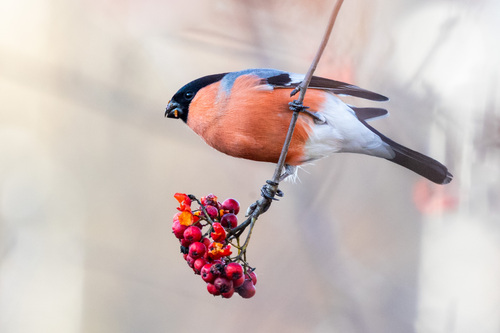 Ciuffolotto
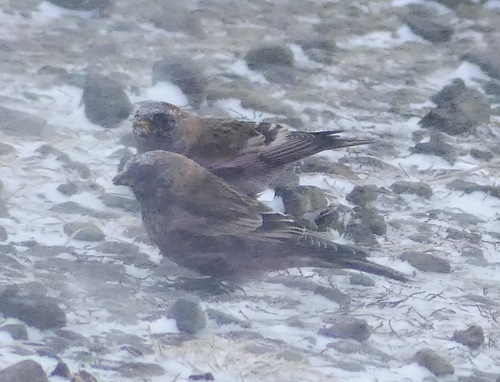 Asian Rosy-Finch
In breve
Il segno distintivo più affidabile tra il Ciuffolotto e l'Asian Rosy-Finch è la presenza di un forte sottocoda bianco e barre alari bianche sul ciuffolotto, particolarmente visibili in volo, rispetto all'assenza di tali marcature bianche contrastanti nell'Asian Rosy-Finch. Il Ciuffolotto è un uccello massiccio e con una testa grossa, con un cappello e un volto neri (adulti), mentre l'Asian Rosy-Finch è un fringillide robusto e marrone scuro, con i maschi che mostrano volti neri e una sfumatura rosata su ali e fianchi (eccetto in alcune sottospecie). Le femmine e i giovani di entrambe le specie sono più opachi, ma le parti superiori grigie del ciuffolotto e il sottocoda bianco rimangono distintivi. La struttura e la forma del becco differiscono anche in modo sottile, e il contesto (Europa vs. Est Asia, bosco vs. tundra/prateria) può aiutare, ma non dovrebbe essere usato da solo.
Consigli di identificazione
- Sottocoda bianco e barre alari (tutte le età): Il Ciuffolotto mostra sempre un sottocoda bianco e barre alari bianche in volo, indipendentemente dall'età o dal sesso. L'Asian Rosy-Finch non mostra mai bianco in queste aree—questo è il segno distintivo più affidabile.
- Parte inferiore dei maschi adulti: I maschi del ciuffolotto hanno parti inferiori di un rosso intenso; i maschi dell'Asian Rosy-Finch hanno parti inferiori marroni con sfumature rosate su ali e fianchi (eccetto le sottospecie yakutiane, che non hanno rosa). Se vedi rosso sotto, è un ciuffolotto; ali/fianchi rosati indicano un rosy-finch.
- Colore del cappello e del volto: Il ciuffolotto adulto ha un cappello e un volto neri; i maschi dell'Asian Rosy-Finch hanno un volto e una gola neri, ma le femmine e gli immaturi sono più chiari. Il ciuffolotto giovane manca del cappello nero, il che può causare confusione—cerca invece il sottocoda bianco e le barre alari.
- Confusione femmina/immatura: Le femmine/immaturi di entrambe le specie sono più opachi. Le femmine del ciuffolotto sono grigio-buffo sotto e grigie sopra, con sottocoda bianco e barre alari. Le femmine dell'Asian Rosy-Finch sono marroni più chiare, senza rosa e senza marcature bianche su ali/sottocoda.
- Struttura del becco: Il ciuffolotto ha un becco molto spesso, corto e con una testa grossa e un aspetto compatto e con collo grosso. Il becco dell'Asian Rosy-Finch è robusto ma appare leggermente più lungo e meno profondo; la forma complessiva della testa è meno 'testa grossa.'
- Forma generale: Il ciuffolotto è più compatto e arrotondato, con un collo e una coda corti. L'Asian Rosy-Finch è anche robusto ma può apparire con un corpo più lungo e un collo meno spesso.
- Viste in volo: In volo, il ciuffolotto mostra il suo sottocoda bianco e le barre alari; il rosy-finch no. Il maschio rosy-finch può mostrare toni rosati in ali/fianchi, ma questi sono sottili e assenti nelle femmine/immaturi.
- Contesto dell'habitat: Il ciuffolotto si trova in boschi, siepi e giardini; l'Asian Rosy-Finch è in tundra aperta o prateria. Se sei in copertura densa, sospetta un ciuffolotto; in aree aperte e senza alberi, sospetta un rosy-finch.
- Gamma geografica: Il Ciuffolotto è diffuso in Europa e in Asia occidentale; l'Asian Rosy-Finch è Palearctico orientale (Mongolia, Manciuria, Corea, Giappone). Le segnalazioni fuori gamma sono rare—controlla la mappa se hai dubbi.
- Voce: Se senti un 'peeu' o 'pew' morbido e malinconico, è un ciuffolotto. Le chiamate del rosy-finch non sono descritte qui, quindi usa la voce solo se la nota del ciuffolotto è chiara.
- Cautela con le sottospecie yakutiane: Alcuni maschi dell'Asian Rosy-Finch (yakutiani) mancano di rosa e appaiono di un marrone più scuro, rendendoli ancora più simili alle femmine/immaturi del ciuffolotto. In questi casi, fai affidamento sull'assenza di bianco nelle ali/sottocoda e sul contesto dell'habitat.
- Piumaggio stagionale: I maschi del ciuffolotto non diventano più opachi in autunno, a differenza di alcuni fringillidi; le loro parti inferiori rosse rimangono brillanti tutto l'anno. I maschi dell'Asian Rosy-Finch mantengono la sfumatura rosata, eccetto nelle sottospecie yakutiane.
- Dimensione del gruppo: Il ciuffolotto è solitamente visto in coppie o piccoli gruppi; l'Asian Rosy-Finch può formare stormi più grandi, specialmente in inverno.
- Comportamento: Il ciuffolotto tende a rimanere coperto ed è timido; il rosy-finch è più probabile da vedere a nutrirsi apertamente a terra.
- Quando hai dubbi: Se non riesci a vedere chiaramente il sottocoda o le barre alari, concentrati sulla forma generale, sulla struttura del becco e sull'habitat, ma ricorda che solo il ciuffolotto mostra un bianco audace nelle ali e nel sottocoda.
Taglia
Il Ciuffolotto è leggermente più pesante (31.0g) dell'Asian Rosy-Finch (27.0g), ma entrambi sono fringillidi piccoli e robusti e la dimensione non è un forte separatore sul campo. Il ciuffolotto tende ad apparire più compatto e con una testa grossa, con un collo corto e spesso e un becco notevolmente spesso e corto. L'Asian Rosy-Finch è anche robusto ma può apparire un po' più lungo e meno 'testa grossa' rispetto al ciuffolotto, anche se questo è sottile e meglio usato in combinazione con i segni del piumaggio.
Piumaggio
-
Uccelli giovani/immaturi: I giovani del Ciuffolotto mancano del cappello e del volto neri degli adulti, mostrando invece toni grigio-marroni, ma hanno comunque il sottocoda bianco e le barre alari in volo. I giovani dell'Asian Rosy-Finch sono generalmente di un marrone opaco, privi di bianco nelle ali o nel sottocoda, e le femmine/immaturi sono più chiari sul volto e sulla gola rispetto ai maschi, senza sfumature rosate.
-
Maschi adulti: I maschi del ciuffolotto hanno un petto e parti inferiori di un rosso intenso, cappello e volto neri, parti superiori grigie, sottocoda bianco e barre alari bianche audaci. I maschi dell'Asian Rosy-Finch (eccetto le sottospecie yakutiane) hanno un volto e una gola neri, parti superiori marroni scure e sfumature rosate su ali e fianchi, ma nessun bianco nelle ali o nel sottocoda. I maschi yakutiani mancano di rosa e sono complessivamente di un marrone più scuro.
-
Femmine adulte: Le femmine del ciuffolotto sono grigio-buffo sotto, con parti superiori grigie e mostrano ancora il sottocoda bianco e le barre alari. Le femmine dell'Asian Rosy-Finch sono marroni più chiare, mancano di rosa e hanno un volto e una gola più chiari, ma nessuna marcatura bianca su ali o sottocoda.
Comportamento
Entrambe le specie sono generalmente poco appariscenti e possono essere viste nutrirsi in basso nella vegetazione o a terra. Il Ciuffolotto è spesso descritto come timido e silenzioso, muovendosi in coppie o piccoli gruppi, e tende a rimanere coperto, specialmente ai margini dei boschi o nelle siepi. L'Asian Rosy-Finch è più probabile da vedere in tundra aperta o prateria, a volte in stormi più grandi, e può apparire più avvicinabile nel suo habitat aperto. Il volo del ciuffolotto è ondulato e diretto, spesso mostrando il sottocoda bianco; il volo dell'Asian Rosy-Finch è meno distintivo nel pattern ma può mostrare toni rosati nei maschi.
Habitat
Il Ciuffolotto si trova in boschi, margini forestali, siepi e giardini in tutta Europa e in alcune parti dell'Asia. L'Asian Rosy-Finch abita tundra aperta e prateria temperata, nidificando in Mongolia e nel Palearctico orientale e svernando più a est (Manciuria, Corea, Sakhalin, Giappone). L'overlap nella gamma è minimo e il contesto dell'habitat può essere un forte indizio: bosco/siepe per il ciuffolotto, prateria/tundra aperta per il rosy-finch.
Voce
Il Ciuffolotto ha un fischio 'peeu' o 'pew' silenzioso, basso e malinconico, con una canzone debole e graffiante udibile solo a distanza ravvicinata. Le vocalizzazioni dell'Asian Rosy-Finch non sono descritte nelle note fornite, quindi la voce è utile solo se si sente il fischio morbido e malinconico del ciuffolotto. Non fare affidamento sulla canzone per la separazione a meno che la chiamata del ciuffolotto non sia chiaramente riconosciuta.