

Motmot

ミドリマダラバト 対 タンバリンバト

Turtur chalcospilos 対 Turtur tympanistria

ミドリマダラバトとタンバリンバトのクイズ
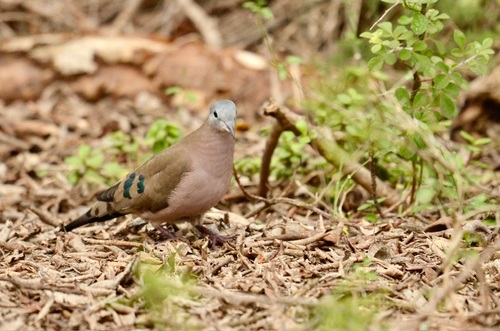
ミドリマダラバト (Turtur chalcospilos) ミドリマダラバト
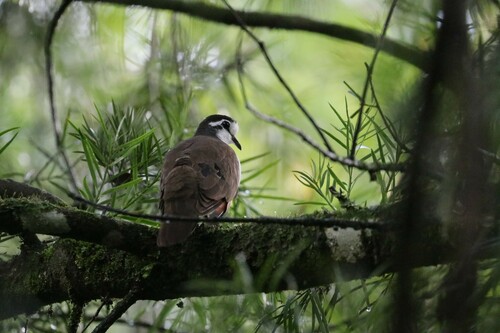
タンバリンバト (Turtur tympanistria) タンバリンバト

メディア

読み込み中…

要点

ミドリマダラバトとタンバリンバトの最も信頼できるフィールドマークは、飛行中の翼の斑点と下翼の色とパターンです:ミドリマダラバトは折りたたまれた翼に緑の金属的な斑点を示し、下翼に栗色がありませんが、タンバリンバトは折りたたまれた翼に大きな暗紫色の斑点を持ち、飛行中に栗色の下翼を示します。両種の幼鳥は混乱を招くことがありますが、タンバリンバトは常に下側が淡い色で、栗色の羽毛の縁があります。構造的には、タンバリンバトはわずかに大きく、長く、成鳥のオスは顔と下部がより白いのに対し、ミドリマダラバトは下側がより均一にピンクがかっており、強い顔のコントラストがありません。生息地の好みも役立ちます:ミドリマダラバトは開けた乾燥した森林を好み、タンバリンバトは密な湿った森林や藪の鳥です。

識別のコツ

  1. In flight, check the underwing color: タンバリンバトは常に栗色の主翼の飛行羽と下翼を示し、ミドリマダラバトは栗色がなく、より均一で淡い下翼を持っています。これはすべての年齢に有効で、最も信頼できる区別です。
  2. Folded wing spots: ミドリマダラバトは折りたたまれた翼に緑の金属的な斑点を示し、タンバリンバトは大きな暗紫色の斑点を示します。緑と紫は光が悪いと微妙ですが、良い条件では診断的です。
  3. Juvenile/immature plumage: 幼鳥のタンバリンバトは背中、胸、側面の羽に栗色の縁を持ち、常にミドリマダラバトよりも下側が淡いです。ミドリマダラバトの幼鳥はバフ色の縁と鈍い緑の翼の斑点を持っていますが、栗色はありません。
  4. Facial pattern (adult males): タンバリンバトは目の後ろに黒い斑点のある際立った白い顔を持ち、ミドリマダラバトはより均一な青灰色の冠を持ち、白い顔のコントラストがありません。
  5. Underparts color: ミドリマダラバトは下側がモーブピンクで、腹部は白にフェードします;タンバリンバト(オス)は下側が白で、メスは腹部のみが白で、淡い灰褐色の胸と顔を持っています。
  6. Crown color: ミドリマダラバトは青灰色の冠を持ち、タンバリンバトのオスは灰色の冠を持ち、メスは灰褐色で青灰色がありません。
  7. Bill color: ミドリマダラバトは赤い基部の黒っぽいくちばしを持ち、タンバリンバトのくちばしは紫色です。これは微妙で、遠くからは見えにくいです。
  8. Eye ring and feet: タンバリンバトは紫赤色のアイリングと足を持ち、近くで見ると見えることがあります;ミドリマダラバトのものは特に目立つとは記述されていません。
  9. Tail pattern: ミドリマダラバトは下背部と尾に黒っぽい帯を持ち、タンバリンバトの尾は茶色で、帯の記述はありません。
  10. Habitat context: 密で湿った森林や豊かな庭ではタンバリンバトが期待され、開けた乾燥した森林ではミドリマダラバトがより可能性があります。
  11. Behavior when flushed: タンバリンバトは密なカバーから逃げる傾向があり、低く速く飛びます;ミドリマダラバトは水場でよりオープンに採餌しているのが見られることがあります。
  12. Vocalizations: 聞こえた場合、ミドリマダラバトは複雑で多部構成のクーイングシーケンスを出し、タンバリンバトは単純な「ドゥ・ドゥ・ドゥ・ドゥ・ドゥ」を繰り返します。
  13. Sex differences: 両種ともメスはわずかに鈍いですが、タンバリンバトではコントラストが強く、メスは白い顔がなく、より均一に淡い灰褐色です。
  14. Size: タンバリンバトはわずかに大きく、重いですが、これは両方が一緒に見られない限り信頼できるフィールドマークではありません。
  15. Plumage variation: ミドリマダラバトは地理的な変異を示しますが、違いはクライン的で、タンバリンバトとの区別には役立ちません。

大きさ

タンバリンバトはミドリマダラバトよりもわずかに大きく、重い(67g対56g)で、約2cm長い(22cm対20cm)です [wikidata]。両方とも小さく、ふっくらした鳩ですが、違いは微妙で、並んで見ない限りフィールドでは常に明らかではありません。構造は他に類似しており、尾やくちばしの形に強い違いは見られません。

羽色

行動

両種とも通常は孤独または小さな群れで、地面で種子を採餌します。タンバリンバトはよりシャイで、密なカバーから逃げる可能性が高く、低く速く飛びます;ミドリマダラバトはあまり群れを作らず、水場で群れを形成することがあります。両方とも薄い枝の巣を作り、抱卵の役割を共有しますが、タンバリンバトの巣は通常、密な藪の中に低く作られ、ミドリマダラバトは木や低木に巣を作ります。

生息環境

ミドリマダラバトは開けた乾燥した落葉樹林と二次成長を好み、常緑雨林や半砂漠を避けます。タンバリンバトは厚い湿った森林、密な庭、プランテーションの鳥で、乾燥した地域には存在しません。密で湿った森林や豊かな庭で小さなTurturの鳩を見つけた場合、タンバリンバトである可能性が高いです;開けた乾燥した森林ではミドリマダラバトが期待されます。

声

ミドリマダラバトは三部構成の鳴き声を持ちます:2つの柔らかい長いクー、次に約10秒間の遅い下降するクーの連続、最後に4秒間の急速で消えゆくクーで終わります。タンバリンバトは持続的に繰り返される「ドゥ・ドゥ・ドゥ・ドゥ・ドゥ」を出します。鳥が鳴いている場合、違いは明確ですが、両方とも逃げると静かになることがあります。

より良い説明を送る

比較と同じ項目を使ってください。文章はすぐに公開されます。

The most reliable field mark between Emerald-spotted Wood-Dove and Tambourine Dove is the color and pattern of the wing spots and underwing in flight: Emerald-spotted shows green metallic patches on the folded wing and lacks chestnut in the underwing, while Tambourine Dove has large dark purple patches on the folded wing and shows chestnut underwings in flight. Juveniles of both can be confusing, but the Tambourine is always paler below and has chestnut feather fringes. Structurally, Tambourine Dove is slightly larger and longer, with a whiter face and underparts in adult males, while Emerald-spotted is more uniformly pinkish below and lacks strong facial contrast. Habitat preference also helps: Emerald-spotted favors open, drier woodland, while Tambourine is a bird of dense, moist woodlands and thickets.

  1. In flight, check the underwing color: Tambourine Dove always shows chestnut primary flight feathers and underwings, while Emerald-spotted Wood-Dove lacks chestnut and has more uniform, pale underwings. This works for all ages and is the most reliable separation.
  2. Folded wing spots: Emerald-spotted shows green metallic patches on the folded wing; Tambourine Dove shows large dark purple patches. Green vs purple is subtle in poor light but diagnostic in good conditions.
  3. Juvenile/immature plumage: Juvenile Tambourine Doves have chestnut fringes to the feathers on the back, breast, and flanks, and are always paler below than Emerald-spotted. Emerald-spotted juveniles have buff fringes and dull green wing spots, but not chestnut.
  4. Facial pattern (adult males): Tambourine Dove has a striking white face with a black spot behind the eye; Emerald-spotted has a more uniform bluish-grey crown and lacks the white facial contrast.
  5. Underparts color: Emerald-spotted is mauve-pink below, fading to white on the belly; Tambourine Dove (male) is white below, female is white only on the belly with pale grey-brown breast and face.
  6. Crown color: Emerald-spotted has a bluish-grey crown; Tambourine Dove male has a grey crown, female has grey-brown, lacking blue-grey.
  7. Bill color: Emerald-spotted has a blackish bill with a red base; Tambourine Dove's bill is purple. This is subtle and hard to see at a distance.
  8. Eye ring and feet: Tambourine Dove has purple-red eye ring and feet, which may be visible at close range; Emerald-spotted's are not described as distinctive.
  9. Tail pattern: Emerald-spotted has blackish bands on the lower back and tail; Tambourine Dove's undertail is brown, with no mention of banding.
  10. Habitat context: In dense, moist woodland or lush gardens, expect Tambourine Dove; in open, drier woodland, Emerald-spotted is more likely.
  11. Behavior when flushed: Tambourine Dove tends to flush from dense cover and flies low and fast; Emerald-spotted may be seen foraging more openly or in small flocks at waterholes.
  12. Vocalizations: If heard, Emerald-spotted gives a complex, multi-part cooing sequence; Tambourine Dove repeats a simple 'du-du-du-du-du'.
  13. Sex differences: Both species are slightly duller in the female, but the contrast is stronger in Tambourine Dove, where the female lacks the white face and is more uniformly pale grey-brown.
  14. Size: Tambourine Dove is slightly larger and heavier, but this is not a reliable field mark unless both are seen together.
  15. Plumage variation: Emerald-spotted shows some geographical variation, but differences are clinal and not useful for separation from Tambourine Dove.

Tambourine Dove is slightly larger and heavier (67g vs 56g) and about 2 cm longer (22 cm vs 20 cm) than Emerald-spotted Wood-Dove [wikidata]. Both are small, plump pigeons, but the difference is subtle and not always obvious in the field unless seen side by side. Structure is otherwise similar, with no strong differences in tail or bill shape noted.

  • Juvenile/immature: Both species have duller versions of adult wing spots, but Tambourine Dove juveniles show chestnut fringes to the feathers of the back, breast, and flanks, and are paler below than Emerald-spotted at all ages. Emerald-spotted immatures have duller green wing spots and buff fringes, but not chestnut.
  • Adult male: Emerald-spotted has green metallic wing spots, a bluish-grey crown fading to pinkish-grey on the throat, and mauve-pink underparts; Tambourine has large dark purple wing patches, a white face with a black spot behind the eye, white underparts, and a grey crown.
  • Adult female: Both are duller, but Tambourine female is white only on the belly, with pale grey-brown face and breast, and lacks the blue-grey crown of Emerald-spotted.
  • In flight: Tambourine Dove shows chestnut primary flight feathers and underwings, while Emerald-spotted does not—this is a key separation point for all ages. Both have pale grey-brown upperparts, but the underwing color is diagnostic.

Both species are usually solitary or in small groups and forage on the ground for seeds. Tambourine Dove is shyer and more likely to be flushed from dense cover, flying low and fast; Emerald-spotted is less gregarious but may form flocks at waterholes. Both build flimsy stick nests and share incubation duties, but Tambourine Dove's nest is usually lower in dense thickets, while Emerald-spotted nests in trees or shrubs.

Emerald-spotted Wood-Dove prefers open, drier deciduous woodland and second growth, avoiding evergreen rainforest and semidesert. Tambourine Dove is a bird of thick, moist woodlands, dense gardens, and plantations, and is absent from drier areas. If you find a small Turtur dove in dense, moist forest or lush gardens, it's much more likely to be Tambourine; in open, dry woodland, Emerald-spotted is expected.

Emerald-spotted Wood-Dove has a three-part call: two soft long coos, then a series of slow descending coos for about 10 seconds, ending with 4 seconds of rapid, fading coos. Tambourine Dove gives a persistently repeated 'du-du-du-du-du'. The difference is clear if the bird is vocalizing, but both can be quiet when flushed.

変更を破棄しますか?

保存していない編集があります。今離れると失われます。

ミドリマダラバト · タンバリンバト · 苦手な鳥