

Motmot

エジプトハゲワシ 対 コシジロハゲワシ

Neophron percnopterus 対 Gyps africanus

エジプトハゲワシとコシジロハゲワシのクイズ
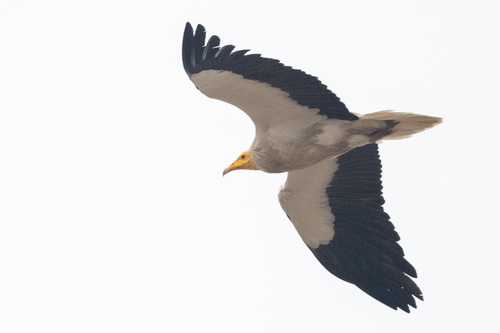
エジプトハゲワシ (Neophron percnopterus) エジプトハゲワシ
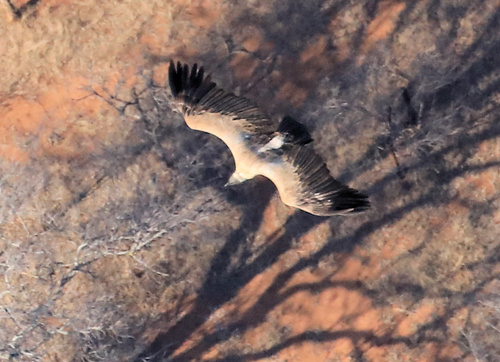
コシジロハゲワシ (Gyps africanus) コシジロハゲワシ

メディア

読み込み中…

要点

最も信頼できるフィールドマークは、飛行中のアンダーウィングと尾の形状です:エジプトハゲワシ(すべての年齢)は、黒い飛行羽とくさび型の尾を持つ白い体と覆羽との強いコントラストを示しますが、コシジロハゲワシは全体的にずっと暗く、淡い背中だけでくさび型の尾がありません。幼鳥のエジプトハゲワシは暗褐色ですが、依然として小さく、より尖った翼のプロファイルとくさび型の尾を示し、ずんぐりした広い翼を持つコシジロハゲワシとは異なります。構造が重要です:エジプトハゲワシはずっと小さく、より細身で、長くスリムなくちばしと尖った翼を持ち、コシジロハゲワシは短い尾と太い首を持つ重い広翼のハゲワシです。止まっているとき、エジプトハゲワシの裸の黄色い顔とピンクの脚は、コシジロハゲワシの羽毛のある頭と白い首のラフと対照的です。年齢に関連する混乱は幼鳥で最も起こりやすいですが、飛行形状とアンダーウィングパターンは最良の識別手がかりのままです。

識別のコツ

  1. 飛行中のアンダーウィングパターン(すべての年齢): エジプトハゲワシは白い覆羽/体と黒い飛行羽の間に際立ったコントラストを示します;コシジロハゲワシは淡い背中を除いて全体が均一に暗い色をしています。
  2. 尾の形状: エジプトハゲワシは止まっているときと飛行中の両方で見ることができる長いくさび型の尾を持っています;コシジロハゲワシの尾は短く、四角いです。
  3. 翼の形状: エジプトハゲワシの翼は尖っていて比較的狭いです;コシジロハゲワシは非常に広く、パドル型の翼を持ち、先端が丸いです。
  4. サイズと体格: エジプトハゲワシはずっと小さく、軽く、細身です;コシジロハゲワシは重く、ずんぐりしていて、特に止まっているときに印象的です。
  5. 頭と顔: エジプトハゲワシは裸の黄色い顔と喉(成鳥)を持ち、長くスリムなくちばしがあります;コシジロハゲワシは羽毛のない頭、白い首のラフ、そして太いくちばしを持っています。
  6. 脚の色: エジプトハゲワシの成鳥はピンクの脚を持っています;コシジロハゲワシの脚はピンクとは記載されておらず、目立ちません。
  7. 羽毛の色(成鳥): エジプトハゲワシは白(しばしば錆びたような汚れがある)で、黒い飛行羽を持っています;コシジロハゲワシは全体が暗褐色で、背中だけが白っぽいです。
  8. 幼鳥の混乱: 幼鳥のエジプトハゲワシは暗いですが、依然として小さく、尖った翼とくさび型の尾を持っています;幼鳥のコシジロハゲワシも暗いですが、ずっと大きく、広い翼と短い尾を持っています。
  9. 止まっているときの印象: エジプトハゲワシは細身に見え、長い首とくさび型の尾を持っています;コシジロハゲワシは背中を丸め、太い首を持ち、重い体をしています。
  10. 飛行スタイル: エジプトハゲワシは敏捷で浮遊感のある飛行をし、しばしば単独またはペアで飛びます;コシジロハゲワシは大きな群れで飛び、より重く安定した飛行をします。
  11. 社会的行動: コシジロハゲワシは死骸の周りに大群で集まります;エジプトハゲワシはより孤独で、ペアでいることが多く、大きな群れにはあまり見られません。
  12. 生息地: エジプトハゲワシは乾燥した開けた場所や岩場、時には人間の近くにいることが多いです;コシジロハゲワシは大型哺乳類がいるアフリカのサバンナに生息しています。
  13. 地理的範囲: エジプトハゲワシはイベリアからインド、アフリカの一部に見られます;コシジロハゲワシはサハラ以南のアフリカにのみ生息しています。
  14. くちばしの形: エジプトハゲワシのくちばしは長く細いです;コシジロハゲワシのくちばしは短く、より頑丈です。
  15. 顔の皮膚: エジプトハゲワシだけが顔と喉に広範囲に裸の黄色い皮膚を持っています(成鳥);コシジロハゲワシは羽毛のある頭と白いラフを持っています。

大きさ

エジプトハゲワシはコシジロハゲワシと比較してずっと小さく軽い(約2 kgの体重)ですが、コシジロハゲワシは本物の重量級(4.2–7.2 kg、ウィキペディアによる)です。コシジロハゲワシはまた長く(78–98 cm対エジプトハゲワシの小さいサイズ)で、翼幅もずっと広い(1.96–2.25 m)です。フィールドでは、コシジロハゲワシは巨大でずんぐりしているように見え、エジプトハゲワシは明らかに華奢で敏捷で、スリムなシルエットを持っています。

羽色

行動

エジプトハゲワシはしばしば単独またはペアで飛び、熱気流を利用し、尖った翼と特徴的なくさび型の尾を持つ敏捷で浮遊感のある飛行を示します。コシジロハゲワシは非常に社会的で、大きな群れで旋回しているのがよく見られ、死骸で一斉に餌を食べます。彼らの飛行は重く、広い翼を持ち、より労力のかかる飛行スタイルです。エジプトハゲワシは地面を歩いているのが見られることがあり、時には道具を使うこともありますが、コシジロハゲワシは殺しの現場で大きな集まりで見られることが多いです。

生息環境

エジプトハゲワシはイベリアと北アフリカからインド、西アジアまで広範囲に生息し、開けた国、崖、乾燥した地域を好み、しばしば人間の集落の近くにいます。コシジロハゲワシは厳密にサハラ以南のアフリカに生息し、木の生えたサバンナや開けた平原、特に大型哺乳類がいる場所で見られます。コシジロハゲワシはアフリカで最も一般的なハゲワシですが(現在は減少しています)、エジプトハゲワシはアフリカではずっと希少で、より局所的です。

より良い説明を送る

比較と同じ項目を使ってください。文章はすぐに公開されます。

The most reliable field mark is the underwing and tail shape in flight: Egyptian Vulture (all ages) shows a strongly contrasting white body and coverts with black flight feathers and a wedge-shaped tail, while White-backed Vulture is overall much darker with only a pale back and lacks a wedge-shaped tail. Juvenile Egyptian Vultures are dark brown but still show a smaller, more pointed-winged profile and wedge tail, unlike the bulkier, broad-winged White-backed Vulture. Structure is key: Egyptian Vulture is much smaller and more slender, with a long, slim bill and pointed wings, while White-backed is a heavy, broad-winged vulture with a short tail and thick neck. Perched, Egyptian Vulture's bare yellow face and pink legs contrast with the White-backed's downy head and white neck ruff. Age-related confusion is most likely with juvenile birds, but flight shape and underwing pattern remain the best separation clues.

  1. Underwing pattern in flight (all ages): Egyptian Vulture shows a striking contrast between white coverts/body and black flight feathers; White-backed Vulture is uniformly dark below except for a pale back, with no sharp underwing contrast.
  2. Tail shape: Egyptian Vulture has a long, wedge-shaped tail visible both perched and in flight; White-backed Vulture's tail is short and squared.
  3. Wing shape: Egyptian Vulture's wings are pointed and relatively narrow; White-backed Vulture has very broad, paddle-shaped wings with rounded tips.
  4. Size and bulk: Egyptian Vulture is much smaller, lighter, and more slender; White-backed is heavy, bulky, and imposing, especially when perched.
  5. Head and face: Egyptian Vulture has a bare yellow face and throat (adults), with a long, slim bill; White-backed has a downy, unfeathered head, a white neck ruff, and a stouter bill.
  6. Leg color: Egyptian Vulture adults have pink legs; White-backed Vulture's legs are not noted as pink and are less conspicuous.
  7. Plumage color (adults): Egyptian Vulture is white (often rusty-stained) with black flight feathers; White-backed is dark brown with only the back being whitish.
  8. Juvenile confusion: Juvenile Egyptian Vultures are dark but remain smaller, with pointed wings and wedge tail; juvenile White-backed Vultures are also dark but are much larger, with broad wings and short tail.
  9. Perched jizz: Egyptian Vulture appears slim, with a long neck and wedge tail; White-backed Vulture is hunched, thick-necked, and heavy-bodied.
  10. Flight style: Egyptian Vulture soars with agility and buoyancy, often alone or in pairs; White-backed Vulture soars in large groups, with a heavier, steadier flight.
  11. Social behavior: White-backed Vultures gather in large numbers at carcasses; Egyptian Vultures are more solitary or in pairs, rarely in large groups.
  12. Habitat: Egyptian Vulture is likely in arid, open, or rocky areas, sometimes near people; White-backed is in African savannahs with large mammals.
  13. Geographic range: Egyptian Vulture is found from Iberia to India and parts of Africa; White-backed is only in sub-Saharan Africa.
  14. Bill shape: Egyptian Vulture's bill is long and slender; White-backed's is shorter and more robust.
  15. Facial skin: Only Egyptian Vulture has extensive bare yellow skin on the face and throat (adults); White-backed has a downy head and white ruff.

Egyptian Vulture is much smaller and lighter (about 2 kg body mass) compared to the White-backed Vulture, which is a true heavyweight (4.2–7.2 kg, per Wikipedia). White-backed Vulture is also longer (78–98 cm vs. Egyptian Vulture's smaller size) and has a much broader wingspan (1.96–2.25 m). In the field, White-backed appears massive and bulky, while Egyptian Vulture is noticeably daintier and more agile, with a slim silhouette.

  • Juvenile/immature birds: Juvenile Egyptian Vultures are blackish or chocolate brown with black and white patches, but retain the species' small size, pointed wings, and wedge-shaped tail. Juvenile White-backed Vultures are also largely dark, but are much bulkier, with broader wings and a short, squared tail. Underwing contrast is always greater in Egyptian Vulture, even in young birds.

  • Adults: Adult Egyptian Vultures are white overall with black flight feathers, often stained rusty or brownish from soil, and have a bare yellow face and pink legs. The underwing is strikingly white with black primaries and secondaries. White-backed Vulture adults are dark brown overall, with only the back being whitish; the rest of the plumage, including the underwing, is much darker. White-backed has a white neck ruff and a downy, unfeathered head, but lacks the bare yellow face of Egyptian Vulture.

  • Tail: Egyptian Vulture's tail is wedge-shaped and longer, while White-backed's tail is short and squared off.

  • Bill and face: Egyptian Vulture has a long, slender bill and bare yellow facial skin; White-backed has a stouter bill and a downy head with a white ruff.

Egyptian Vultures often soar singly or in pairs, using thermals and showing agile, buoyant flight with pointed wings and a distinctive wedge tail. White-backed Vultures are highly social, often seen circling in large groups and feeding en masse at carcasses. Their flight is heavier, with broad wings and a more labored soaring style. Egyptian Vultures may be seen walking on the ground, sometimes using tools, while White-backed Vultures are more likely to be seen in large gatherings at kills.

Egyptian Vulture has a broad range from Iberia and North Africa to India and West Asia, favoring open country, cliffs, and arid regions, often near human settlements. White-backed Vulture is strictly sub-Saharan African, found in wooded savannahs and open plains, especially where large mammals are present. White-backed is the most common vulture in Africa (though now declining), while Egyptian Vulture is much scarcer and more localized in Africa.

変更を破棄しますか?

保存していない編集があります。今離れると失われます。

エジプトハゲワシ · コシジロハゲワシ · 苦手な鳥