

Motmot

エジプトガン 対 アメリカオシ

Alopochen aegyptiaca 対 Aix sponsa

エジプトガンとアメリカオシのクイズ
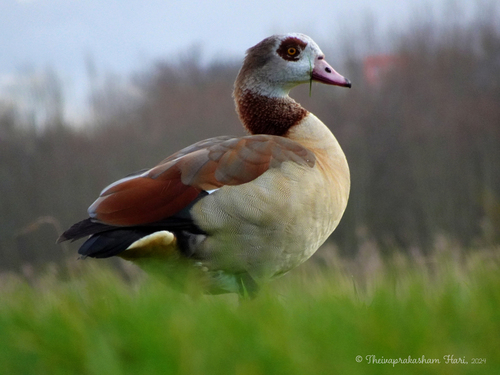
エジプトガン (Alopochen aegyptiaca) エジプトガン
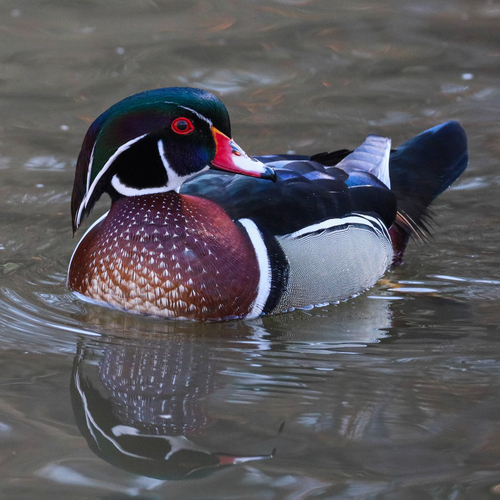
アメリカオシ (Aix sponsa) アメリカオシ

メディア

読み込み中…

要点

エジプトガンとアメリカオシの最も信頼できるフィールドマークは、全体のサイズと構造です:エジプトガンははるかに大きく、重い体を持ち、ガチョウのようですが、アメリカオシはコンパクトで、カンムリガモです。飛行中、成鳥のエジプトガンは上翼に広範囲の白を示し、通常は休んでいるときには隠れていますが、アメリカオシは青緑のスペキュラムと白い後縁を持っています。成鳥のオスのアメリカオシは、虹色の羽毛とカンムリのある頭で間違いなくカラフルですが、エジプトガンはより均一な茶色または灰色で、暗い目のパッチと胸の斑点があります。メスと未成熟個体はより難しいですが、サイズ、頭の形、翼のパターンが重要です。声と生息地も役立ちますが、サイズと構造が最も即座の手がかりです。

識別のコツ

  1. サイズと構造: エジプトガンはアメリカオシよりもはるかに大きく、重いです。もし鳥がガチョウのサイズに見え、太い首と重い体を持っているなら、それはエジプトガンです。アメリカオシはコンパクトで、カモのサイズで、首が短いです。
  2. 頭の形とカンムリ: アメリカオシ(両性)は目立つカンムリを持ち、頭に尖った外観を与えます。エジプトガンは滑らかで丸い頭を持ち、カンムリはありません。
  3. 成鳥オスの羽毛: オスのアメリカオシは虹色の緑、紫、栗色の羽毛を持ち、白い首のフレアと赤い目を持っており、エジプトガンには決して見られません。エジプトガンは常に茶色または灰色で、暗い目のパッチと胸の斑点があります。
  4. メス/未成熟の羽毛: メスと未成熟のアメリカオシは茶色で、白い目のリングと喉を持ち、カンムリのある頭を持っています。エジプトガン(すべての年齢/性別)は暗い目のパッチと胸の斑点を持ち、カンムリや白い目のリングがありません。
  5. 飛行中の上翼パターン: エジプトガン(すべての年齢)は上翼に大きな白い部分を示し、飛行中または興奮したときに見えます。アメリカオシ(すべての年齢)は青緑のスペキュラムと白い後縁を示します—決して大きな白い翼の斑点はありません。
  6. 止まっているとき/翼の覆い羽: 休んでいるとき、エジプトガンの白い翼の斑点は覆い羽に隠れており、鳥が表示したり飛んでいるときでない限り見えません。アメリカオシのスペキュラムも休んでいるときはほとんど隠れていますが、カンムリのある頭とコンパクトな形は独特です。
  7. くちばしの形と色: エジプトガンは比較的重く、ガチョウのようなくちばしを持っていますが、アメリカオシは短く、より繊細なくちばしを持っています。オスのアメリカオシは赤いくちばしを持ち、エジプトガンのくちばしはピンクがかっていますが、より大きく、コントラストが少ないです。
  8. 足の色と姿勢: エジプトガンはしばしば長くて淡い足で直立し、アメリカオシよりも陸上を歩くことが多いです。アメリカオシは低く座り、水から遠く歩くのはあまり見られません。
  9. 声: エジプトガンは大きくて粗い声で、特にメスがそうです。アメリカオシは高音でより音楽的で、特徴的な口笛や鳴き声を持っています。
  10. 生息地の文脈: エジプトガンは通常、開けた公園、湖、または草地にいて、しばしば草を食べています。アメリカオシはほぼ常に森林の湿地、森林の池、または川にいて、頻繁に木に止まります。
  11. 行動: エジプトガンは攻撃的で領土意識が強く、時には他の鳥を飛行中に追いかけることがあります。アメリカオシはより秘密主義で敏捷で、しばしば木に止まったり、飛んだりするのが見られます。
  12. 性差の二形性: アメリカオシは強い性差の二形性(オス対メス)を示しますが、エジプトガンの性別は羽毛が似ており、主にサイズが異なります。
  13. 羽毛の色調の変化: エジプトガンは茶色/灰色の色調が変化しますが、年齢や性別によるものではありません。アメリカオシのメスと未成熟個体は常に茶色で、白い目のリングを持っています。
  14. 地域の豊富さ: 北アメリカではアメリカオシは一般的ですが、エジプトガンは珍しいか野生化しています。ヨーロッパでは、エジプトガンは公園でますます一般的になってきており、アメリカオシは珍しいか装飾的です。
  15. クイズの落とし穴: 未成熟のアメリカオシとメスのアメリカオシは遠くからエジプトガンと混同されることがありますが、サイズ、頭の形、カンムリと目のリングの有無は信頼できる区別要因です。

大きさ

エジプトガンはアメリカオシよりもかなり大きく、重いです。エジプトガンは長さ63〜73 cm(25〜29インチ)で、重さは1,500〜2,348 g(3.3〜5.2ポンド)[wikipedia]ですが、アメリカオシは長さ47〜54 cm(19〜21インチ)で、重さは454〜862 g(16〜30オンス)[wikipedia]です。フィールドでは、エジプトガンは大きくてガチョウのように見え、大きな体と太い首を持っていますが、アメリカオシは明らかに小さく、よりコンパクトでカモの形をしています。直接比較や近くの水鳥とのスケールでの違いは明らかです。

羽色

行動

エジプトガンは重く、飛行中はガチョウのようで、遅くて強い翼のビートを持ち、警戒したり攻撃的なときに白い翼の斑点を示す傾向があります。陸上を歩いたり、草を食べたり、水平な姿勢で泳いでいるのがよく見られます。アメリカオシは敏捷で速く、木に止まったり、急速で浅い翼のビートで飛んだりします。アメリカオシは木に止まったり、巣箱にいるのが見られることが多く、その飛行は軽く、よりカモのようです。エジプトガンは攻撃的で領土意識が強く、特に繁殖中は侵入者を空中の「ドッグファイト」で追いかけることがあります。

生息環境

エジプトガンはアフリカ原産ですが、ヨーロッパや他の地域に野生化した個体群を確立しており、しばしば公園、湖、草地のある開水域にいます。開けた生息地を好み、陸上で草を食べているのがよく見られます。アメリカオシは北アメリカ原産で、森林の湿地、森林の池、川を好み、しばしば木に止まったり巣を作ったりします。アメリカオシは森林の湿地に密接に結びついており、カバーから離れた開けた草地で見られることは少ないです。生息地の文脈は強い手がかりです:エジプトガンは開けた公園に、アメリカオシは森林の湿地にいます。

声

エジプトガンの鳴き声は性差の二形性があります:オスは粗く、控えめなクワックや大きくて息の詰まった呼び声を急速に出し、メスは特に攻撃的なときに騒がしく、荒々しいクワックを出します。アメリカオシのオスは上昇する口笛(「じぇえええ」)を出し、メスはフラッシュされたときに引き伸ばされた上昇する鳴き声(「ドウウィープドウウィープ」)を出し、さらに鋭い警報音(「クレーク」)を出します。アメリカオシの呼び声は高音でより音楽的ですが、エジプトガンはより大きく、粗く、ガチョウのようです。

より良い説明を送る

比較と同じ項目を使ってください。文章はすぐに公開されます。

The most reliable field mark between Egyptian Goose and Wood Duck is overall size and structure: Egyptian Goose is much larger, heavier-bodied, and goose-like, while Wood Duck is a compact, crested duck. In flight, adult Egyptian Geese show extensive white on the upperwing, usually hidden at rest, while Wood Ducks have a blue-green speculum with a white trailing edge. Adult male Wood Ducks are unmistakably colorful with iridescent plumage and a crested head, while Egyptian Geese are more uniform brownish or grayish with a dark eye patch and chest spot. Females and immatures are trickier, but the size, head shape, and wing pattern remain key. Voice and habitat can also help, but size and structure are the most immediate clues.

  1. Size and Structure: Egyptian Goose is much larger and heavier than Wood Duck. If the bird looks goose-sized, with a thick neck and heavy body, it's Egyptian Goose. Wood Duck is compact, duck-sized, and has a shorter neck.
  2. Head Shape and Crest: Wood Duck (both sexes) has a noticeable crest, giving the head a peaked look. Egyptian Goose has a smooth, rounded head with no crest.
  3. Adult Male Plumage: Male Wood Duck is extremely colorful with iridescent green, purple, and chestnut, a white neck flare, and red eyes—never matched by Egyptian Goose. Egyptian Goose is always brownish or grayish, with a dark eye patch and chest spot.
  4. Female/Immature Plumage: Female and immature Wood Ducks are brownish with a white eye-ring and throat, and a crested head. Egyptian Goose (all ages/sexes) has a dark eye patch and chest spot, and lacks a crest or white eye-ring.
  5. Upperwing Pattern in Flight: Egyptian Goose (all ages) shows a large white area on the upperwing, visible in flight or when agitated. Wood Duck (all ages) shows a blue-green speculum with a white trailing edge—never a large white wing patch.
  6. Perched/Wing Coverts: At rest, Egyptian Goose's white wing patch is hidden by coverts and not visible unless the bird is displaying or in flight. Wood Duck's speculum is also mostly hidden at rest, but the crested head and compact shape remain distinctive.
  7. Bill Shape and Color: Egyptian Goose has a relatively heavy, goose-like bill, while Wood Duck has a shorter, more delicate duck bill. Male Wood Duck has a red bill; Egyptian Goose's bill is pinkish but larger and less contrasting.
  8. Leg Color and Posture: Egyptian Goose often stands upright on long, pale legs and walks on land more than Wood Duck. Wood Duck sits lower and is less likely to be seen walking far from water.
  9. Voice: Egyptian Goose is loud and harsh, especially the female. Wood Duck is higher-pitched and more musical, with distinctive whistles and squeals.
  10. Habitat Context: Egyptian Goose is usually in open parkland, lakes, or grassy areas, often grazing. Wood Duck is almost always in wooded wetlands, forested ponds, or rivers, and frequently perches in trees.
  11. Behavior: Egyptian Goose is aggressive and territorial, sometimes chasing other birds in flight. Wood Duck is more secretive and agile, often seen perching or flying quickly through trees.
  12. Sexual Dimorphism: Wood Duck shows strong sexual dimorphism (male vs. female), while Egyptian Goose sexes are similar in plumage, differing mainly in size.
  13. Plumage Tone Variation: Egyptian Goose varies in brown/gray tone, but not by age or sex. Wood Duck females and immatures are always brownish with a white eye-ring.
  14. Local Abundance: In North America, Wood Duck is common; Egyptian Goose is rare or feral. In Europe, Egyptian Goose is increasingly common in parks, Wood Duck is rare or ornamental.
  15. Quiz Pitfall: Immature Wood Ducks and female Wood Ducks can be confused with Egyptian Goose at a distance, but the size, head shape, and presence/absence of crest and eye-ring are reliable separators.

Egyptian Goose is substantially larger and heavier than Wood Duck. Egyptian Goose measures 63–73 cm (25–29 in) in length and weighs 1,500–2,348 g (3.3–5.2 lbs) [wikipedia], while Wood Duck is only 47–54 cm (19–21 in) long and weighs 454–862 g (16–30 oz) [wikipedia]. In the field, Egyptian Goose looks bulky and goose-like, with a large body and thick neck, whereas Wood Duck is noticeably smaller, more compact, and duck-shaped. The difference is obvious in direct comparison or with nearby waterfowl for scale.

  • Juvenile/Immature/Non-breeding: Egyptian Goose does not have age-specific upperwing patterns; both young and adults show a large white area on the wing, but this is usually hidden at rest and only visible in flight or when the bird is agitated. Wood Duck immatures and females show a blue-green speculum with a white trailing edge, and both sexes have crested heads. Female and immature Wood Ducks are brownish with a white eye-ring and throat, lacking the bold chest spot and eye patch of Egyptian Goose.

  • Adult breeding: Male Wood Duck is extremely colorful with iridescent green, purple, and chestnut plumage, a white neck flare, and red eyes—completely unlike the more subdued, brownish or grayish Egyptian Goose. Female Wood Duck is more subtle but still has a crested head and white eye-ring. Egyptian Goose adults are variable in tone but always have a dark eye patch and chest spot, and lack any iridescence or crest. In flight, the Egyptian Goose's white wing patch is diagnostic for all ages and sexes, while Wood Duck always shows the blue-green speculum with a white border.

Egyptian Goose is heavy and goose-like in flight, with slow, strong wingbeats and a tendency to display white wing patches when alarmed or aggressive. It is often seen walking on land, grazing, or swimming with a horizontal posture. Wood Duck is agile and quick, perching in trees and flying with rapid, shallow wingbeats. Wood Ducks are more likely to be seen perched in trees or on nest boxes, and their flight is lighter and more duck-like. Egyptian Goose is aggressive and territorial, especially during breeding, and may chase intruders in aerial 'dogfights.'

Egyptian Goose is native to Africa but has established feral populations in Europe and elsewhere, often in parklands, lakes, and open water with grassy margins. It prefers open habitats and is frequently seen grazing on land. Wood Duck is native to North America and prefers wooded swamps, forested ponds, and rivers, often perching or nesting in trees. Wood Ducks are closely tied to forested wetlands and are less likely to be seen in open, grassy areas away from cover. Habitat context is a strong clue: Egyptian Goose in open parkland, Wood Duck in wooded wetlands.

Egyptian Goose vocalizations are sexually dimorphic: males give a hoarse, subdued quack or a loud, breathy call in rapid sequence, while females are much noisier with a raucous quack, especially when aggressive. Wood Duck males produce a rising whistle ('jeeeeee'), and females give a drawn-out, rising squeal ('do weep do weep') when flushed, plus a sharp alarm call ('cr-r-ek'). Wood Duck calls are higher-pitched and more musical, while Egyptian Goose is louder, harsher, and more goose-like.

変更を破棄しますか?

保存していない編集があります。今離れると失われます。

エジプトガン · アメリカオシ · 苦手な鳥