

Oca egiziana vs Anatra sposa
Alopochen aegyptiaca contro Aix sponsa
Fai un quiz con Oca egiziana e Anatra sposa
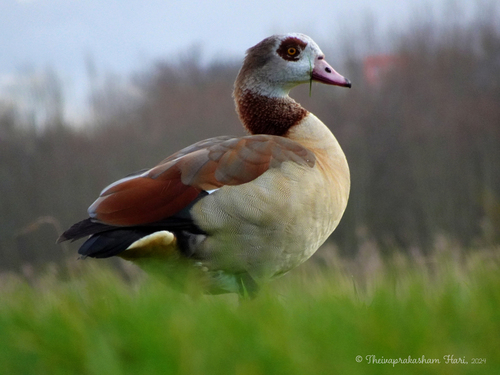 Oca egiziana
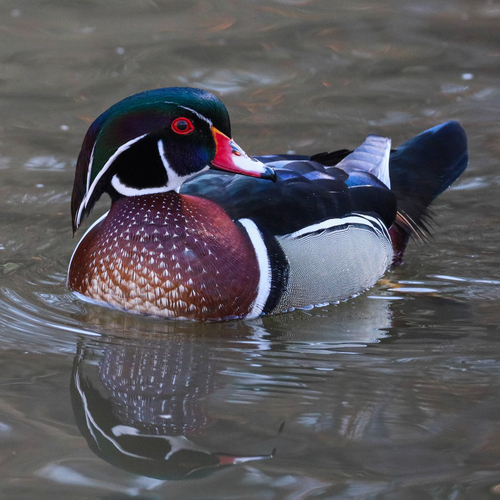 Anatra sposa
In breve
Il segno di campo più affidabile tra Oca egiziana e Anatra sposa è la dimensione e la struttura complessiva: l'Oca egiziana è molto più grande, con un corpo più pesante e simile a un'oca, mentre l'Anatra sposa è un'anatra compatta e crestata. In volo, le Oche egiziane adulte mostrano un ampio bianco sulla parte superiore dell'ala, solitamente nascosto a riposo, mentre le Anatre sposa hanno uno speculum blu-verde con un bordo bianco. I maschi adulti di Anatra sposa sono inconfondibilmente colorati con piumaggio iridescente e una testa crestata, mentre le Oche egiziane sono più uniformemente marroni o grigie con una macchia scura attorno all'occhio e una macchia sul petto. Le femmine e gli immaturi sono più difficili da distinguere, ma la dimensione, la forma della testa e il motivo delle ali rimangono chiave. La voce e l'habitat possono anche aiutare, ma la dimensione e la struttura sono gli indizi più immediati.
Consigli di identificazione
- Dimensione e Struttura: L'Oca egiziana è molto più grande e pesante dell'Anatra sposa. Se l'uccello sembra delle dimensioni di un'oca, con un collo spesso e un corpo pesante, è un'Oca egiziana. L'Anatra sposa è compatta, delle dimensioni di un'anatra, e ha un collo più corto.
- Forma della Testa e Crestatura: L'Anatra sposa (entrambi i sessi) ha una crestatura evidente, che conferisce alla testa un aspetto appuntito. L'Oca egiziana ha una testa liscia e arrotondata senza crestatura.
- Piumaggio del Maschio Adulti: Il maschio di Anatra sposa è estremamente colorato con piumaggio iridescente verde, viola e castano, un flare bianco sul collo e occhi rossi—mai eguagliato dall'Oca egiziana. L'Oca egiziana è sempre marrone o grigia, con una macchia scura attorno all'occhio e una macchia sul petto.
- Piumaggio Femminile/Immaturi: Le femmine e gli immaturi di Anatra sposa sono marroni con un anello oculare bianco e una gola bianca, e una testa crestata. L'Oca egiziana (tutte le età/sessi) ha una macchia scura attorno all'occhio e una macchia sul petto, e manca di crestatura o anello oculare bianco.
- Motivo della Parte Superiore dell'Ala in Volo: L'Oca egiziana (tutte le età) mostra una grande area bianca sulla parte superiore dell'ala, visibile in volo o quando è agitata. L'Anatra sposa (tutte le età) mostra uno speculum blu-verde con un bordo bianco—mai una grande macchia bianca sull'ala.
- Posato/Copertura delle Ali: A riposo, la macchia bianca dell'ala dell'Oca egiziana è nascosta dalle coperture e non è visibile a meno che l'uccello non stia esibendosi o volando. Lo speculum dell'Anatra sposa è anche per lo più nascosto a riposo, ma la testa crestata e la forma compatta rimangono distintive.
- Forma e Colore del Becco: L'Oca egiziana ha un becco relativamente pesante, simile a quello di un'oca, mentre l'Anatra sposa ha un becco più corto e delicato. Il maschio di Anatra sposa ha un becco rosso; il becco dell'Oca egiziana è rosato ma più grande e meno contrastante.
- Colore delle Gambe e Postura: L'Oca egiziana spesso sta eretta su lunghe gambe chiare e cammina sulla terra più dell'Anatra sposa. L'Anatra sposa si siede più in basso ed è meno probabile che venga vista camminare lontano dall'acqua.
- Voce: L'Oca egiziana è forte e aspra, specialmente la femmina. L'Anatra sposa ha un tono più acuto e musicale, con fischi e squittii distintivi.
- Contesto dell'Habitat: L'Oca egiziana si trova solitamente in parchi aperti, laghi o aree erbose, spesso pascolando. L'Anatra sposa si trova quasi sempre in zone umide boschive, stagni forestali o fiumi, e frequentemente si posa sugli alberi.
- Comportamento: L'Oca egiziana è aggressiva e territoriale, a volte inseguendo altri uccelli in volo. L'Anatra sposa è più riservata e agile, spesso vista posata o volando rapidamente tra gli alberi.
- Dimorfismo Sessuale: L'Anatra sposa mostra un forte dimorfismo sessuale (maschio vs. femmina), mentre i sessi dell'Oca egiziana sono simili nel piumaggio, differendo principalmente nella dimensione.
- Variazione del Tono del Piumaggio: L'Oca egiziana varia nel tono marrone/grigio, ma non per età o sesso. Le femmine e gli immaturi di Anatra sposa sono sempre marroni con un anello oculare bianco.
- Abbondanza Locale: In Nord America, l'Anatra sposa è comune; l'Oca egiziana è rara o ferale. In Europa, l'Oca egiziana è sempre più comune nei parchi, l'Anatra sposa è rara o ornamentale.
- Trappola del Quiz: Le Anatre sposa immature e le femmine di Anatra sposa possono essere confuse con l'Oca egiziana a distanza, ma la dimensione, la forma della testa e la presenza/assenza di crestatura e anello oculare sono separatori affidabili.
Taglia
L'Oca egiziana è sostanzialmente più grande e pesante dell'Anatra sposa. L'Oca egiziana misura 63–73 cm (25–29 in) di lunghezza e pesa 1.500–2.348 g (3,3–5,2 lbs) [wikipedia], mentre l'Anatra sposa è lunga solo 47–54 cm (19–21 in) e pesa 454–862 g (16–30 oz) [wikipedia]. Sul campo, l'Oca egiziana appare ingombrante e simile a un'oca, con un corpo grande e un collo spesso, mentre l'Anatra sposa è visibilmente più piccola, più compatta e di forma anatrina. La differenza è ovvia in un confronto diretto o con altri uccelli acquatici nelle vicinanze per scala.
Piumaggio
-
Giovanile/Immature/Non in Riproduzione: L'Oca egiziana non ha motivi specifici per l'età sulla parte superiore dell'ala; sia i giovani che gli adulti mostrano una grande area bianca sull'ala, ma questa è solitamente nascosta a riposo e visibile solo in volo o quando l'uccello è agitato. Gli immaturi e le femmine di Anatra sposa mostrano uno speculum blu-verde con un bordo bianco, e entrambi i sessi hanno teste crestate. Le femmine e gli immaturi di Anatra sposa sono marroni con un anello oculare bianco e una gola bianca, privi della macchia sul petto e della macchia attorno all'occhio dell'Oca egiziana.
-
Riproduzione Adulti: Il maschio di Anatra sposa è estremamente colorato con piumaggio iridescente verde, viola e castano, un flare bianco sul collo e occhi rossi—completamente diverso dall'Oca egiziana, più sobria, marrone o grigia. La femmina di Anatra sposa è più sottile ma ha comunque una testa crestata e un anello oculare bianco. Gli adulti di Oca egiziana sono variabili nel tono ma hanno sempre una macchia scura attorno all'occhio e una macchia sul petto, e mancano di qualsiasi iridescenza o crestatura. In volo, la macchia bianca dell'ala dell'Oca egiziana è diagnostica per tutte le età e sessi, mentre l'Anatra sposa mostra sempre lo speculum blu-verde con un bordo bianco.
Comportamento
L'Oca egiziana è pesante e simile a un'oca in volo, con battiti d'ala lenti e forti e una tendenza a mostrare macchie bianche sulle ali quando è allarmata o aggressiva. È spesso vista camminare sulla terra, pascolare o nuotare con una postura orizzontale. L'Anatra sposa è agile e veloce, posandosi sugli alberi e volando con battiti d'ala rapidi e superficiali. Le Anatre sposa sono più propense a essere viste posate sugli alberi o su cassette nido, e il loro volo è più leggero e più simile a quello di un'anatra. L'Oca egiziana è aggressiva e territoriale, specialmente durante la riproduzione, e può inseguire intrusi in 'combattimenti aerei'.
Habitat
L'Oca egiziana è nativa dell'Africa ma ha stabilito popolazioni ferali in Europa e altrove, spesso in parchi, laghi e acque aperte con margini erbosi. Preferisce habitat aperti ed è frequentemente vista pascolare sulla terra. L'Anatra sposa è nativa del Nord America e preferisce paludi boschive, stagni forestali e fiumi, spesso posandosi o nidificando sugli alberi. Le Anatre sposa sono strettamente legate a zone umide boschive e sono meno probabili da vedere in aree aperte e erbose lontano dalla copertura. Il contesto dell'habitat è un forte indizio: Oca egiziana in parco aperto, Anatra sposa in zone umide boschive.
Voce
Le vocalizzazioni dell'Oca egiziana sono sessualmente dimorfiche: i maschi emettono un quack rauco e sommesso o un forte richiamo affannoso in rapida successione, mentre le femmine sono molto più rumorose con un quack rauco, specialmente quando sono aggressive. I maschi di Anatra sposa producono un fischio ascendente ('jeeeeee'), e le femmine emettono uno squittio prolungato e ascendente ('do weep do weep') quando vengono spaventate, oltre a un richiamo di allerta acuto ('cr-r-ek'). I richiami dell'Anatra sposa sono più acuti e musicali, mentre l'Oca egiziana è più forte, aspra e più simile a un'oca.