

Motmot

ヒガシイワゴジュウカラ 対 ムネアカタヒバリ

Sitta tephronota 対 Anthus cervinus

ヒガシイワゴジュウカラとムネアカタヒバリのクイズ
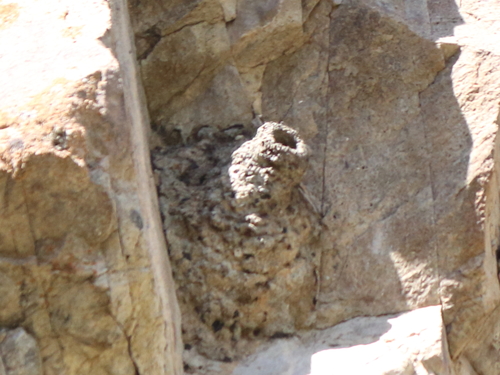
ヒガシイワゴジュウカラ (Sitta tephronota) ヒガシイワゴジュウカラ
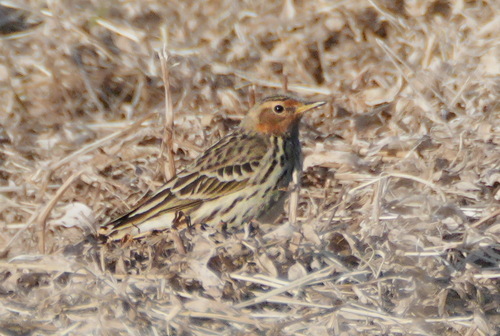
ムネアカタヒバリ (Anthus cervinus) ムネアカタヒバリ

メディア

読み込み中…

要点

ヒガシイワゴジュウカラとムネアカタヒバリを区別する最も信頼できる方法は、全体の構造と姿勢によるものです:ヒガシイワゴジュウカラはずんぐりした大きな頭を持ち、短い尾を持つ崖の専門家であり、ムネアカタヒバリは細長く、長い尾を持つ地上の鳥です。飛んでいる時や止まっている時、ヒガシイワゴジュウカラは大胆な黒いアイストライプと淡い腹部を示し、ムネアカタヒバリ(繁殖期以外)は上面と下面に重い縞模様があり、はるかに細いくちばしと長い尾を持っています。幼鳥や非繁殖のムネアカタヒバリは赤い喉がなく、淡い腹部だけを見ているとヒガシイワゴジュウカラと混同する可能性がありますが、ヒガシイワゴジュウカラの青灰色の上面と強いアイストライプは常に特徴的です。生息地も強い手がかりです:ヒガシイワゴジュウカラは岩にしがみつき、ムネアカタヒバリは開けた地面を歩きます。

識別のコツ

  1. Structure and posture: ヒガシイワゴジュウカラはずんぐりした大きな頭を持ち、短い尾を持ち、しばしば岩にしがみついているのが見られます;ムネアカタヒバリは細長く、長い尾を持ち、地面を歩きます。これは最も早いフィールドの手がかりです。
  2. Bill shape: ヒガシイワゴジュウカラは強く、真っ直ぐで尖ったくちばしを持っています;ムネアカタヒバリのくちばしは細く、スレンダーで、より繊細です。
  3. Eyestripe: ヒガシイワゴジュウカラは常に大胆な黒いアイストライプを示し、特に重なり合うゾーンでは広くなります;ムネアカタヒバリには真のアイストライプはなく、細かい顔の模様だけがあります。
  4. Upperparts color: ヒガシイワゴジュウカラは上面が青灰色です;ムネアカタヒバリは上面が茶色で、重い縞模様があり、淡い背中の縞があります。
  5. Underparts: ヒガシイワゴジュウカラは胸が白く、尾の近くで淡いオレンジバフにグラデーションします;ムネアカタヒバリは下面が白ですが、特に胸や側面で白地に黒い縞模様が重く入っています(すべての非繁殖および幼鳥の羽毛)。
  6. Breeding plumage: 繁殖羽毛の成鳥ムネアカタヒバリはレンガ色の顔と喉を持ち、ヒガシイワゴジュウカラには一致しません。繁殖期以外では、ムネアカタヒバリは赤を失いますが、縞模様は残ります。
  7. Juvenile/immature plumage: 幼鳥や非繁殖のムネアカタヒバリは赤がなく、常にヒガシイワゴジュウカラよりも上面と下面に縞模様が多くなります。
  8. Flight pattern: ムネアカタヒバリは強く、直接的な飛行をし、鋭い「ピシィ」という鳴き声を出します;ヒガシイワゴジュウカラは岩の間を短距離飛び、開けた地面を越えることはほとんどありません。
  9. Tail length: ムネアカタヒバリの尾は長く、しばしば振られます;ヒガシイワゴジュウカラの尾は短くて硬く、岩に対する支持に使われます。
  10. Habitat: ヒガシイワゴジュウカラは常に岩、崖、または巨石の上にいます;ムネアカタヒバリは開けた地面、草原、またはツンドラにいて、岩の上にいることはほとんどありません。
  11. Behavior: ヒガシイワゴジュウカラは垂直な表面を登ったり、しがみついたりします;ムネアカタヒバリは地面を歩いたり走ったりします。
  12. Size impression: ヒガシイワゴジュウカラはより大きく、重い印象を与え、ムネアカタヒバリは小さく、より繊細です。
  13. Context: 岩の多い乾燥した風景で見られた場合、ヒガシイワゴジュウカラの可能性が高いです;草の多いまたは開けた野原では、ムネアカタヒバリの可能性が高いです。
  14. Pitfall: 赤い喉がない非繁殖のムネアカタヒバリは下面が淡く見えることがありますが、常により多くの縞模様を示し、ヒガシイワゴジュウカラのアイストライプと青灰色の上面が欠けています。
  15. Vocalization: 鋭い「ピシィ」という鳴き声が聞こえた場合、それはムネアカタヒバリです;ヒガシイワゴジュウカラの声はここでは説明されていません。

大きさ

ヒガシイワゴジュウカラはムネアカタヒバリよりも明らかに大きく、重いです。ヒガシイワゴジュウカラは長さ15〜16 cmで、亜種によって30〜55 gの重さがあります。これは頑丈でがっしりした鳥です。ムネアカタヒバリは小さなムネアカタヒバリで、明らかにより繊細で細長く、はるかに軽い体型をしています。直接比較すると、ヒガシイワゴジュウカラはよりがっしりして見え、相対的に大きな頭と短い尾を持ち、ムネアカタヒバリはスリムで長い尾を持ち、軽いくちばしを持っています。

羽色

幼鳥と非繁殖のムネアカタヒバリは赤い喉がなく、代わりにキャップ、背中、側面、尾、胸に重く、鮮明な縞模様を示し、淡い背中の縞と白い背景に黒い斑点があります。この縞模様は、どのヒガシイワゴジュウカラよりもはるかに広範囲です。ヒガシイワゴジュウカラはすべての年齢で淡い青灰色の上面、大胆な黒いアイストライプ、白い胸、尾の近くで淡いオレンジバフにグラデーションする腹部を持っています。ヒガシイワゴジュウカラは上面または下面に強い縞模様を示すことはなく、アイストライプは常に存在し、特に重なり合うゾーンでは目立ちます。繁殖羽毛では、ムネアカタヒバリの成鳥はレンガ色の顔と喉を持ち、ヒガシイワゴジュウカラには一致しません。飛行中、ムネアカタヒバリは典型的なムネアカタヒバリの翼と尾のパターンを示します(情報源には詳細はありませんが)、ヒガシイワゴジュウカラの翼と尾は短くて広く、縞模様はありません。

行動

ヒガシイワゴジュウカラはほぼ常に垂直の岩の面、巨石、または崖の縁にしがみついているのが見られ、しばしば頭を下に向けて下りたり横に移動したりし、強い足と短い尾を支持に使います。ムネアカタヒバリは地面に住む鳥で、開けた地面、草原、またはツンドラを歩いたり走ったりし、岩に止まることはほとんどなく、登ることはありません。飛行中、ムネアカタヒバリは直接的で強く、しばしば鋭い鳴き声を出しますが、ヒガシイワゴジュウカラは岩の間を短距離飛び、開けた地面を越えることはほとんどありません。

生息環境

ヒガシイワゴジュウカラは南西および中央アジアの岩の多い乾燥した丘陵、崖、露頭に制限されています。岩から離れて見つかることはほとんどありません。ムネアカタヒバリは北極圏の遠いツンドラや開けた草地で繁殖し、開けた野原、草原、時には湿地を通って移動します。ヒガシイワゴジュウカラが好む岩の生息地を避けます。したがって、生息地は強い区別要因です:ヒガシイワゴジュウカラは岩に、ムネアカタヒバリは開けた地面にいます。

声

ムネアカタヒバリは飛行中に特徴的な鋭い「ピシィ」という鳴き声を出し、ムネアカタヒバリに典型的です。これらのメモにはヒガシイワゴジュウカラの鳴き声の詳細は提供されていないため、ムネアカタヒバリの鳴き声が聞こえた場合のみ、声が診断的です。

より良い説明を送る

比較と同じ項目を使ってください。文章はすぐに公開されます。

The most reliable way to separate Eastern Rock Nuthatch from Red-throated Pipit is by overall structure and posture: nuthatch is a chunky, big-headed, short-tailed cliff specialist, while pipit is a slender, long-tailed ground bird. In flight or perched, nuthatch shows a bold black eyestripe and pale underparts, while pipit (outside breeding) is heavily streaked above and below, with a much finer bill and longer tail. Juvenile and non-breeding pipits lack the red throat, making confusion with nuthatch possible if only seeing pale underparts, but the nuthatch’s blue-grey upperparts and strong eyestripe are always distinctive. Habitat is also a strong clue: nuthatch clings to rocks, pipit walks on open ground.

  1. Structure and posture: Nuthatch is chunky, big-headed, and short-tailed, often seen clinging to rocks; pipit is slender, long-tailed, and walks on the ground. This is the fastest field clue.
  2. Bill shape: Nuthatch has a strong, straight, pointed bill; pipit’s bill is fine, slender, and more delicate.
  3. Eyestripe: Nuthatch always shows a bold black eyestripe, especially broad in overlap zones; pipit never has a true eyestripe, only fine facial markings.
  4. Upperparts color: Nuthatch is blue-grey above; pipit is brown and heavily streaked above, with pale mantle stripes.
  5. Underparts: Nuthatch is white on the breast, grading to pale orange-buff under the tail; pipit is white below but heavily streaked black on white, especially on the chest and flanks (all non-breeding and juvenile plumages).
  6. Breeding plumage: Adult pipit in breeding plumage has a brick-red face and throat, never matched by nuthatch. Outside breeding, pipit loses the red but remains streaked.
  7. Juvenile/immature plumage: Juvenile and non-breeding pipits lack red but are always more streaked above and below than any nuthatch.
  8. Flight pattern: Pipit has a strong, direct flight with a sharp 'psii' call; nuthatch flies short distances between rocks, rarely over open ground.
  9. Tail length: Pipit’s tail is long and often wagged; nuthatch’s tail is short and stiff, used for support against rocks.
  10. Habitat: Nuthatch is always on rocks, cliffs, or boulders; pipit is on open ground, meadows, or tundra, rarely on rocks.
  11. Behavior: Nuthatch climbs and clings to vertical surfaces; pipit walks or runs on the ground.
  12. Size impression: Nuthatch is bulkier and heavier, pipit is smaller and more delicate.
  13. Context: If seen in a rocky, arid landscape, nuthatch is likely; in grassy or open fields, pipit is likely.
  14. Pitfall: Non-breeding pipits lacking red throat can look pale below, but will always show more streaking and lack the nuthatch’s eyestripe and blue-grey upperparts.
  15. Vocalization: If you hear a sharp 'psii' call, it is pipit; nuthatch’s voice is not described here.

Eastern Rock Nuthatch is distinctly larger and heavier than Red-throated Pipit. Nuthatch measures 15–16 cm in length and can weigh from 30–55 g depending on subspecies, making it a robust, thickset bird. Red-throated Pipit is a small pipit, noticeably more delicate and slender, with a much lighter build. In direct comparison, the nuthatch appears bulkier, with a proportionally larger head and shorter tail, while the pipit is slim, long-tailed, and light-billed.

Juvenile and non-breeding Red-throated Pipits lack the red throat and instead show heavy, crisp streaking across the cap, back, flanks, rump, and chest, with pale mantle stripes and black marks on a white background below. This streaking is much more extensive than any nuthatch. Eastern Rock Nuthatch, all ages, has pale blue-grey upperparts, a bold black eyestripe, white breast, and underparts grading to pale orange-buff near the tail. The nuthatch never shows strong streaking above or below, and the eyestripe is always present and prominent, especially in overlap zones. In breeding plumage, pipit adults have a brick-red face and throat, which is never matched by nuthatch. In flight, pipit shows a typical pipit wing and tail pattern (not detailed in sources), while nuthatch’s wings and tail are short and broad, with no streaking.

Eastern Rock Nuthatch is almost always seen clinging to vertical rock faces, boulders, or cliff ledges, often moving headfirst downwards or sideways, using its strong feet and short tail for support. Red-throated Pipit is a ground-dweller, walking or running on open ground, meadows, or tundra, rarely perching on rocks and never climbing. In flight, pipit is direct and strong, often giving a sharp call, while nuthatch flies short distances between rocks and rarely crosses open ground.

Eastern Rock Nuthatch is restricted to rocky, arid hillsides, cliffs, and outcrops in southwest and central Asia. It is almost never found away from rocks. Red-throated Pipit breeds in far northern tundra or open grassy areas and migrates through open fields, meadows, and sometimes marshy ground. It avoids rocky habitats favored by nuthatch. Thus, habitat is a strong separator: nuthatch on rocks, pipit on open ground.

Red-throated Pipit gives a characteristic sharp 'psii' call in flight, typical of pipits. No vocalization details are provided for Eastern Rock Nuthatch in these notes, so voice is only diagnostic if the pipit call is heard.

変更を破棄しますか?

保存していない編集があります。今離れると失われます。

ヒガシイワゴジュウカラ · ムネアカタヒバリ · 苦手な鳥