

Trepador Rupestre Oriental vs Bisbita Gorjirrojo
Sitta tephronota frente a Anthus cervinus
Juega un quiz con Trepador Rupestre Oriental y Bisbita Gorjirrojo
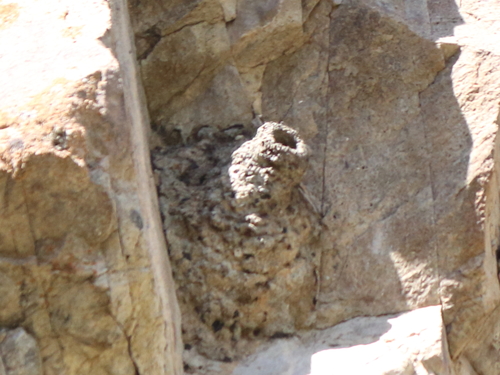 Trepador Rupestre Oriental
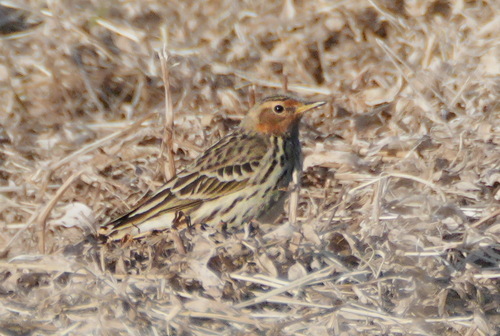 Bisbita Gorjirrojo
En breve
La forma más confiable de separar el Trepador Rupestre Oriental del Bisbita Gorjirrojo es por la estructura y postura general: el trepador es un especialista en acantilados robusto, de cabeza grande y cola corta, mientras que el bisbita es un ave terrestre esbelta y de cola larga. En vuelo o posado, el trepador muestra una audaz franja ocular negra y partes inferiores pálidas, mientras que el bisbita (fuera de la época de cría) está fuertemente estriado por encima y por debajo, con un pico mucho más fino y una cola más larga. Los bisbitas juveniles y no reproductores carecen de la garganta roja, lo que puede causar confusión con el trepador si solo se ven las partes inferiores pálidas, pero las partes superiores azul-grisáceas del trepador y su fuerte franja ocular son siempre distintivas. El hábitat también es una pista fuerte: el trepador se aferra a las rocas, el bisbita camina en el suelo abierto.
Consejos de identificación
- Estructura y postura: El trepador es robusto, de cabeza grande y cola corta, a menudo visto aferrándose a las rocas; el bisbita es esbelto, de cola larga y camina en el suelo. Esta es la pista de campo más rápida.
- Forma del pico: El trepador tiene un pico fuerte, recto y puntiagudo; el pico del bisbita es fino, esbelto y más delicado.
- Franja ocular: El trepador siempre muestra una audaz franja ocular negra, especialmente ancha en las zonas de superposición; el bisbita nunca tiene una verdadera franja ocular, solo marcas faciales finas.
- Color de las partes superiores: El trepador es azul-grisáceo por encima; el bisbita es marrón y fuertemente estriado por encima, con franjas de manto pálidas.
- Partes inferiores: El trepador es blanco en el pecho, degradándose a un naranja pálido debajo de la cola; el bisbita es blanco por debajo pero fuertemente estriado de negro sobre blanco, especialmente en el pecho y los flancos (todos los plumajes no reproductores y juveniles).
- Plumaje de cría: El bisbita adulto en plumaje de cría tiene una cara y garganta de color rojo ladrillo, que nunca es igualada por el trepador. Fuera de la época de cría, el bisbita pierde el rojo pero sigue estriado.
- Plumaje juvenil/inmaduro: Los bisbitas juveniles y no reproductores carecen de rojo pero siempre están más estriados por encima y por debajo que cualquier trepador.
- Patrón de vuelo: El bisbita tiene un vuelo fuerte y directo con un agudo llamado 'psii'; el trepador vuela distancias cortas entre rocas, rara vez sobre suelo abierto.
- Longitud de la cola: La cola del bisbita es larga y a menudo se mueve; la cola del trepador es corta y rígida, utilizada para apoyo contra las rocas.
- Hábitat: El trepador siempre está en rocas, acantilados o rocas grandes; el bisbita está en suelo abierto, praderas o tundra, rara vez en rocas.
- Comportamiento: El trepador trepa y se aferra a superficies verticales; el bisbita camina o corre en el suelo.
- Impresión de tamaño: El trepador es más robusto y pesado, el bisbita es más pequeño y más delicado.
- Contexto: Si se ve en un paisaje rocoso y árido, es probable que sea un trepador; en campos de hierba o abiertos, es probable que sea un bisbita.
- Trampa: Los bisbitas no reproductores que carecen de garganta roja pueden parecer pálidos por debajo, pero siempre mostrarán más estrías y carecerán de la franja ocular y las partes superiores azul-grisáceas del trepador.
- Vocalización: Si escuchas un agudo llamado 'psii', es un bisbita; la voz del trepador no se describe aquí.
Tamaño
El Trepador Rupestre Oriental es notablemente más grande y pesado que el Bisbita Gorjirrojo. El trepador mide de 15 a 16 cm de longitud y puede pesar entre 30 y 55 g dependiendo de la subespecie, lo que lo convierte en un ave robusta y gruesa. El Bisbita Gorjirrojo es un bisbita pequeño, notablemente más delicado y esbelto, con una construcción mucho más ligera. En comparación directa, el trepador parece más voluminoso, con una cabeza proporcionalmente más grande y una cola más corta, mientras que el bisbita es esbelto, de cola larga y con un pico ligero.
Plumaje
Los bisbitas juveniles y no reproductores carecen de la garganta roja y en su lugar muestran un fuerte y nítido estriado en la cabeza, espalda, flancos, rabadilla y pecho, con franjas de manto pálidas y marcas negras sobre un fondo blanco por debajo. Este estriado es mucho más extenso que cualquier trepador. El Trepador Rupestre Oriental, de todas las edades, tiene partes superiores azul-grisáceas pálidas, una audaz franja ocular negra, un pecho blanco y partes inferiores que se degradan a un naranja pálido cerca de la cola. El trepador nunca muestra un fuerte estriado por encima o por debajo, y la franja ocular siempre está presente y es prominente, especialmente en las zonas de superposición. En plumaje de cría, los bisbitas adultos tienen una cara y garganta de color rojo ladrillo, que nunca es igualada por el trepador. En vuelo, el bisbita muestra un patrón típico de alas y cola de bisbita (no detallado en las fuentes), mientras que las alas y la cola del trepador son cortas y anchas, sin estriado.
Comportamiento
El Trepador Rupestre Oriental se ve casi siempre aferrándose a caras de roca verticales, rocas grandes o bordes de acantilados, a menudo moviéndose cabeza abajo o de lado, utilizando sus fuertes pies y cola corta para apoyo. El Bisbita Gorjirrojo es un habitante del suelo, caminando o corriendo en suelo abierto, praderas o tundra, rara vez posándose en rocas y nunca trepando. En vuelo, el bisbita es directo y fuerte, a menudo emitiendo un agudo llamado, mientras que el trepador vuela distancias cortas entre rocas y rara vez cruza suelo abierto.
Hábitat
El Trepador Rupestre Oriental está restringido a laderas rocosas y áridas, acantilados y afloramientos en el suroeste y centro de Asia. Casi nunca se encuentra lejos de las rocas. El Bisbita Gorjirrojo cría en la tundra del extremo norte o en áreas abiertas y herbosas y migra a través de campos abiertos, praderas y, a veces, terrenos pantanosos. Evita hábitats rocosos favorecidos por el trepador. Por lo tanto, el hábitat es un fuerte separador: el trepador en rocas, el bisbita en suelo abierto.
Voz
El Bisbita Gorjirrojo emite un característico agudo llamado 'psii' en vuelo, típico de los bisbitas. No se proporcionan detalles de vocalización para el Trepador Rupestre Oriental en estas notas, por lo que la voz solo es diagnóstica si se escucha el llamado del bisbita.
Trepador Rupestre Oriental · Bisbita Gorjirrojo · Mis aves difíciles