

Motmot

ヒガシマキバドリ 対 Chihuahuan Meadowlark

Sturnella magna 対 Sturnella lilianae

ヒガシマキバドリとChihuahuan Meadowlarkのクイズ
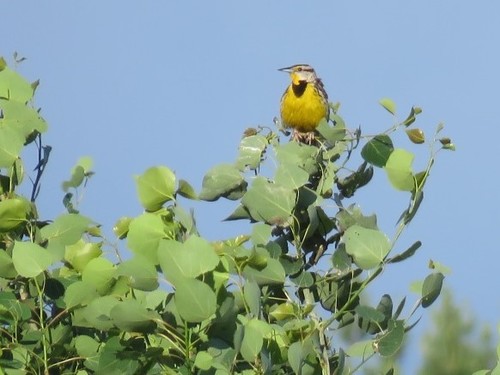
ヒガシマキバドリ (Sturnella magna) ヒガシマキバドリ
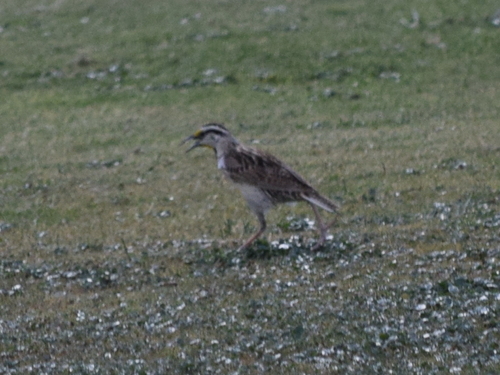
Chihuahuan Meadowlark (Sturnella lilianae) Chihuahuan Meadowlark

メディア

読み込み中…

要点

ヒガシマキバドリとChihuahuan Meadowlarkの最も信頼できるフィールドマークは、特に成鳥における側面と頭の色とパターンです。ヒガシマキバドリは側面により多くの黄褐色のトーンとより明確な頭のストライプを示し、Chihuahuan Meadowlarkは細い筋が入った白い側面と暗い黄色のスーペルシリウムを持つ独特の頭のパターンがあります。両者の幼鳥は似ていますが、Chihuahuan Meadowlarkの幼鳥は黒い胸の「V」が欠けており、全体的によりバフ色に見えます。飛行中の尾のパターンも役立ちます:Chihuahuan Meadowlarkは外側の尾羽により多くの白があります。両者はサイズと構造が非常に似ているため、微妙な羽毛と頭の詳細に注意を払うことが重要です。生息地と範囲の重複は限られていますが、一部の地域では役立つことがあります。

識別のコツ

  1. Flank color and streaking (adults): ヒガシマキバドリは通常、側面により多くの黄褐色を示し、太い黒い筋がありますが、Chihuahuan Meadowlarkはより細い薄い茶色の筋が入った白い側面を持っています。これは良い光の中で止まっている鳥に最も信頼できます。
  2. Head pattern (adults): ヒガシマキバドリの頭は薄茶色と黒でストライプ状になっており、より対照的でストライプのある外観を与えています。Chihuahuan Meadowlarkは薄い中央ストライプを持つ暗い茶色の冠、くちばしから目までの暗い黄色のスーペルシリウム(後ろは白っぽくなる)、目から後頭部への暗い線を持ち、よりパターン化されたが、ストライプの分かれが少ない外観を作り出しています。
  3. Tail pattern in flight: Chihuahuan Meadowlarkは外側の尾羽により多くの白を示します(4対は主に白、内側の2対は茶色で縞模様)、これは飛行中または尾が広げられたときに見えることがあります。ヒガシマキバドリの尾は白が少なく、全体的により多くの茶色と黒のストライプがあります。
  4. Juvenile plumage: 幼鳥のChihuahuan Meadowlarkは全体的にバフ色で、上部の縞模様があまり明確でなく、下部はより薄い黄色です。重要なのは、幼鳥は胸の黒い「V」が欠けており、代わりに茶色のまだら模様を示しています。ヒガシマキバドリの幼鳥は似ていますが、通常はより明確な頭のストライプを持ち、かすかなまたは部分的な「V」を示すことがあります。
  5. Breast 'V': 両方の成鳥は胸に黒い「V」を持っていますが、これは幼鳥のChihuahuan Meadowlarkには欠けています。もしまだら模様の胸を持ち、「V」がない幼鳥を見たら、Chihuahuanを優先してください。
  6. Bill color (juveniles): 幼鳥のChihuahuan Meadowlarkはピンクがかったバフ色のくちばし、足、そして足を持っていますが、成鳥は黒または暗い色の上顎と青灰色の下顎を持っています。ヒガシマキバドリのくちばしは長く尖っていますが、幼鳥の色についてはあまり言及されていません。
  7. Upperparts: 両種は黒いストライプのある茶色の上面を持っていますが、Chihuahuan Meadowlarkの背中と肩羽は白い縁を持ち、やや薄く、よりパターン化された外観を与えることがあります。
  8. Supercilium: Chihuahuan Meadowlarkのスーペルシリウムはくちばしから目まで暗い黄色で、後ろは白っぽくなりますが、ヒガシマキバドリの頭のストライプはより均一で、分かれが少ないです。
  9. Leg color: Chihuahuan Meadowlarkの成鳥は暗いピンク色の足と足を持っていますが、これは微妙で、フィールドでは診断的ではありません。
  10. Habitat and range: あなたが米国南西部のChihuahuan Desert地域または北メキシコにいる場合、Chihuahuan Meadowlarkの可能性が高いです。米国東部では、ヒガシマキバドリが期待されます。重複ゾーンでは、羽毛に頼ってください。
  11. Sex differences: 両種は羽毛において性別による形態的差異がありませんが、雌は小さいです。これはフィールドIDには役立ちません。
  12. Seasonal changes: 非繁殖羽毛のヒガシマキバドリは側面により多くの黄褐色があり、より明確な頭のストライプがあり、秋と冬に役立つことがあります。
  13. Song: 利用可能なノートに基づいて、これら2種の間で診断的ではありません。地元の経験や録音がない限り、声に頼らないでください。
  14. Flock behavior: 両種は冬に群れで餌を食べることがあるため、群れのサイズや行動は区別要因ではありません。
  15. When in doubt: 側面の色、頭のパターン、飛行中または尾が広げられたときの尾のパターンに焦点を当ててください。幼鳥の胸のパターンも重要な手がかりです。

大きさ

両種はサイズと構造が非常に似ており、わずかな違いしかありません。ヒガシマキバドリは長さ19〜28 cm、質量76〜150 gの範囲ですが、Chihuahuan Meadowlarkは約25 cmの長さで、77〜130 gの重さです。両種の雌は小さいですが、これは信頼できるフィールドマークではありません。全体的に、サイズはフィールドでの有用な区別要因ではありません。

羽色

成鳥のヒガシマキバドリは胸に黒い「V」を持つ黄色の下部、黒いストライプのある白い側面、明確な薄茶色と黒のストライプのある頭を持っています。非繁殖羽毛では、側面はより黄褐色になり、頭のストライプがより際立ちます。Chihuahuan Meadowlarkの成鳥も黄色の下部と黒い「V」を持っていますが、側面と尾の覆羽は薄い暗茶色のストライプが入った白い色をしており、頭のパターンは独特です:暗い茶色の冠、薄い中央ストライプ、くちばしから目までの暗い黄色のスーペルシリウム(後ろは白っぽく)、目から後頭部への暗い線があります。Chihuahuanの外側の尾羽は主に白ですが、内側の2対は茶色で縞模様です。両種の幼鳥は鈍く、バフ色ですが、Chihuahuan Meadowlarkの幼鳥は黒い「V」が欠けており、代わりに胸に茶色のまだら模様を示します。彼らの上面はあまり明確に縞模様がなく、黄色はより薄いです。両種は長く尖ったくちばしと似たような茶色のストライプの上面を共有していますが、側面の色、頭のパターン、尾の微妙な違いが重要です。

行動

両種は地面や低い植生で餌を探し、昆虫や種子をくちばしで探ります。彼らは冬に群れで餌を食べることが多いです。行動の違いは利用可能なノートでは強調されておらず、フィールドでの区別には信頼できません。

生息環境

ヒガシマキバドリは北アメリカ東部に広く分布し、特に東部では開放的な農地、草原、高い草のあるフィールドを好みます。Chihuahuan Meadowlarkは米国南西部と北メキシコに見られ、Chihuahuan Desert地域の草原と開けた国を好みます。南西部の米国ではいくつかの重複がありますが、ヒガシマキバドリはそこで稀です。生息地は補助的な手がかりになることがありますが、範囲が重複する場所では診断的ではありません。

声

Chihuahuan Meadowlarkに関する特定の鳴き声の詳細は提供されていません。ヒガシマキバドリの歌は純粋でメランコリックな口笛として説明されており、西部のマキバドリよりもシンプルです。Chihuahuan Meadowlarkは最近分割されたばかりで、その歌はここでは説明されていないため、これらのノートに基づいて声は信頼できる区別要因ではありません。

より良い説明を送る

比較と同じ項目を使ってください。文章はすぐに公開されます。

The most reliable field mark between Eastern Meadowlark and Chihuahuan Meadowlark is the color and pattern of the flanks and head, especially in adults: Eastern Meadowlark shows more yellow-brown tones on the flanks and more distinct head striping, while Chihuahuan Meadowlark has whiter flanks with fine streaks and a unique head pattern with a dark yellow supercilium. Juveniles of both are similar, but Chihuahuan Meadowlark juveniles lack the black breast 'V' and appear buffier overall. Tail pattern in flight is also useful: Chihuahuan Meadowlark has more white in the outer tail feathers. Both are very similar in size and structure, so careful attention to subtle plumage and head details is essential. Habitat and range overlap is limited but can help in some regions.

  1. Flank color and streaking (adults): Eastern Meadowlark usually shows more yellow-brown on the flanks with bold black streaks, while Chihuahuan Meadowlark has whiter flanks with finer, thin brown streaks. This is most reliable on perched birds in good light.
  2. Head pattern (adults): Eastern Meadowlark's head is striped with light brown and black, giving a more contrasting, streaked look. Chihuahuan Meadowlark has a dark brown crown with a pale central stripe, a dark yellow supercilium from bill to eye (becoming whitish behind), and a dark line from eye to nape, creating a more patterned but less sharply streaked appearance.
  3. Tail pattern in flight: Chihuahuan Meadowlark shows more white in the outer tail feathers (four pairs mostly white, inner two pairs brown and barred), which may be visible in flight or when the tail is spread. Eastern Meadowlark's tail is less extensively white, with more brown and black streaking overall.
  4. Juvenile plumage: Juvenile Chihuahuan Meadowlark is buffier overall, with less distinct barring above and paler yellow below. Crucially, juveniles lack the black 'V' on the breast, instead showing brownish mottling. Eastern Meadowlark juveniles are similar but typically have more distinct head striping and may show a faint or partial 'V'.
  5. Breast 'V': Both adults have a black 'V' on the breast, but this is missing in juvenile Chihuahuan Meadowlark. If you see a juvenile with a mottled breast and no 'V', favor Chihuahuan.
  6. Bill color (juveniles): Juvenile Chihuahuan Meadowlark has a pinkish buff bill, legs, and feet, while adults have a black or dusky maxilla and bluish gray mandible. Eastern Meadowlark's bill is long and pointed but less is said about color in juveniles.
  7. Upperparts: Both species have brown upperparts with black streaks, but Chihuahuan Meadowlark's back and scapular feathers have white edges, which may give a slightly paler, more patterned look.
  8. Supercilium: Chihuahuan Meadowlark's supercilium is dark yellow from bill to eye, then whitish behind, while Eastern Meadowlark's head stripes are more uniform and less sharply divided.
  9. Leg color: Chihuahuan Meadowlark adults have dusky pinkish legs and feet, but this is subtle and rarely diagnostic in the field.
  10. Habitat and range: If you are in the Chihuahuan Desert region of the southwestern US or northern Mexico, Chihuahuan Meadowlark is more likely. In the eastern US, Eastern Meadowlark is expected. In overlap zones, rely on plumage.
  11. Sex differences: Both species are sexually monomorphic in plumage, but females are smaller. This is not useful for field ID.
  12. Seasonal changes: Eastern Meadowlark in nonbreeding plumage has more yellow-brown on the flanks and more distinct head striping, which can help in fall and winter.
  13. Song: Not diagnostic between these two based on available notes; do not rely on voice unless you have local experience or recordings.
  14. Flock behavior: Both species may feed in flocks in winter, so group size or behavior is not a separator.
  15. When in doubt: Focus on flank color, head pattern, and tail pattern in flight or when the tail is spread. Juvenile breast pattern is also a key clue.

Both species are very similar in size and structure, with only minor differences: Eastern Meadowlark ranges from 19–28 cm in length and 76–150 g in mass, while Chihuahuan Meadowlark is about 25 cm long and weighs 77–130 g. Females are smaller in both species, but this is not a reliable field mark. Overall, size is not a useful separator in the field.

Adult Eastern Meadowlark has yellow underparts with a black 'V' on the breast, white flanks with black streaks, and a head with distinct light brown and black striping. In nonbreeding plumage, the flanks are more yellow-brown and the head striping becomes more pronounced. Chihuahuan Meadowlark adults also have a yellow underbody and a black 'V', but their flanks and undertail coverts are whiter with thin dark brown streaks, and the head pattern is unique: a dark brown crown with a pale central stripe, a dark yellow supercilium from bill to eye (whitish behind), and a dark line from eye to nape. The outer tail feathers are mostly white in Chihuahuan, while the inner two pairs are brown and barred. Juveniles of both species are duller and buffier, but Chihuahuan Meadowlark juveniles lack the black 'V' and instead show brownish mottling on the breast. Their upperparts are less distinctly barred and their yellow is paler. Both species share a long, pointed bill and similar brown, streaked upperparts, but the subtle differences in flank color, head pattern, and tail are key.

Both species forage on the ground or in low vegetation, probing with their bills for insects and seeds. They often feed in flocks in winter. Behavioral differences are not emphasized in the available notes and are not reliable for field separation.

Eastern Meadowlark is widespread in eastern North America and prefers open farmland, grasslands, and fields with tall grasses, especially in the east. Chihuahuan Meadowlark is found in the southwestern United States and northern Mexico, favoring grasslands and open country in the Chihuahuan Desert region. While there is some overlap in the southwestern US, Eastern Meadowlark is rare there. Habitat can be a supporting clue, but is not diagnostic where ranges overlap.

No specific vocalization details are provided for Chihuahuan Meadowlark. Eastern Meadowlark's song is described as pure, melancholy whistles, simpler than the western meadowlark. Since Chihuahuan Meadowlark was only recently split and its song is not described here, voice is not a reliable separator based on these notes.

変更を破棄しますか?

保存していない編集があります。今離れると失われます。

ヒガシマキバドリ · Chihuahuan Meadowlark · 苦手な鳥