

Eastern Meadowlark vs Chihuahuan Meadowlark
Sturnella magna contro Sturnella lilianae
Fai un quiz con Eastern Meadowlark e Chihuahuan Meadowlark
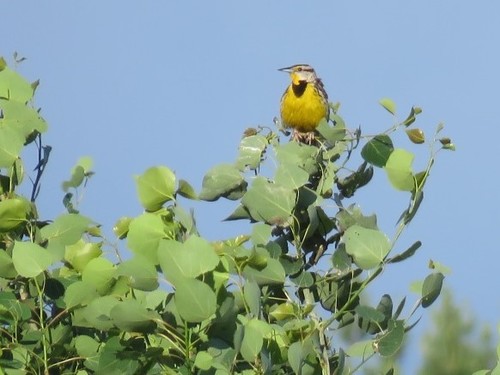 Eastern Meadowlark
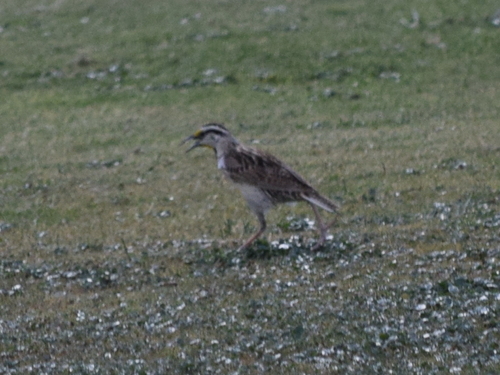 Chihuahuan Meadowlark
In breve
Il segno di campo più affidabile tra Eastern Meadowlark e Chihuahuan Meadowlark è il colore e il motivo dei fianchi e della testa, specialmente negli adulti: Eastern Meadowlark mostra toni più giallo-marroni sui fianchi e una striatura della testa più distinta, mentre Chihuahuan Meadowlark ha fianchi più bianchi con striature fini e un motivo unico sulla testa con un supercilium giallo scuro. I giovani di entrambi sono simili, ma i giovani di Chihuahuan Meadowlark mancano della 'V' nera sul petto e appaiono complessivamente più chiari. Il motivo della coda in volo è anche utile: Chihuahuan Meadowlark ha più bianco nelle penne esterne della coda. Entrambi sono molto simili in dimensioni e struttura, quindi è essenziale prestare attenzione ai dettagli sottili del piumaggio e della testa. L'habitat e la sovrapposizione dell'areale sono limitati ma possono aiutare in alcune regioni.
Consigli di identificazione
- Colore e striature dei fianchi (adulti): Eastern Meadowlark di solito mostra più giallo-marrone sui fianchi con striature nere audaci, mentre Chihuahuan Meadowlark ha fianchi più bianchi con striature marroni più fini e sottili. Questo è più affidabile sugli uccelli posati in buona luce.
- Motivo della testa (adulti): La testa di Eastern Meadowlark è striata di marrone chiaro e nero, dando un aspetto più contrastante e striato. Chihuahuan Meadowlark ha una corona marrone scuro con una striscia centrale chiara, un supercilium giallo scuro dal becco all'occhio (diventando biancastro dietro) e una linea scura dall'occhio alla nuca, creando un aspetto più motivato ma meno nettamente striato.
- Motivo della coda in volo: Chihuahuan Meadowlark mostra più bianco nelle penne esterne della coda (quattro coppie per lo più bianche, le due coppie interne marroni e barrate), che possono essere visibili in volo o quando la coda è aperta. La coda di Eastern Meadowlark è meno estensivamente bianca, con più striature marroni e nere nel complesso.
- Piumaggio giovanile: Il giovane Chihuahuan Meadowlark è complessivamente più chiaro, con meno barrature distinte sopra e un giallo più pallido sotto. Fondamentalmente, i giovani mancano della 'V' nera sul petto, mostrando invece una maculatura marrone. I giovani di Eastern Meadowlark sono simili ma tipicamente hanno striature della testa più distinte e possono mostrare una 'V' debole o parziale.
- 'V' sul petto: Entrambi gli adulti hanno una 'V' nera sul petto, ma questa manca nel giovane Chihuahuan Meadowlark. Se vedi un giovane con un petto maculato e senza 'V', favorisci Chihuahuan.
- Colore del becco (giovani): Il giovane Chihuahuan Meadowlark ha un becco, zampe e piedi di colore buff rosato, mentre gli adulti hanno una maxilla nera o scura e una mandibola grigio-bluastra. Il becco di Eastern Meadowlark è lungo e appuntito ma si dice meno sul colore nei giovani.
- Parte superiore: Entrambe le specie hanno parti superiori marroni con striature nere, ma il dorso e le penne scapolari di Chihuahuan Meadowlark hanno bordi bianchi, il che può dare un aspetto leggermente più chiaro e motivato.
- Supercilium: Il supercilium di Chihuahuan Meadowlark è giallo scuro dal becco all'occhio, poi biancastro dietro, mentre le strisce della testa di Eastern Meadowlark sono più uniformi e meno nettamente divise.
- Colore delle zampe: Gli adulti di Chihuahuan Meadowlark hanno zampe e piedi di colore rosa scuro, ma questo è sottile e raramente diagnostico sul campo.
- Habitat e areale: Se ti trovi nella regione del Deserto di Chihuahuan nel sud-ovest degli Stati Uniti o nel nord del Messico, è più probabile che tu veda Chihuahuan Meadowlark. Negli Stati Uniti orientali, ci si aspetta Eastern Meadowlark. Nelle zone di sovrapposizione, fai affidamento sul piumaggio.
- Differenze sessuali: Entrambe le specie sono sessualmente monomorfiche nel piumaggio, ma le femmine sono più piccole. Questo non è utile per l'identificazione sul campo.
- Cambiamenti stagionali: Eastern Meadowlark in piumaggio non riproduttivo ha più giallo-marrone sui fianchi e striature della testa più distinte, il che può aiutare in autunno e inverno.
- Canto: Non è diagnostico tra questi due basato sulle note disponibili; non fare affidamento sulla voce a meno che tu non abbia esperienza locale o registrazioni.
- Comportamento in gruppo: Entrambe le specie possono nutrirsi in gruppi in inverno, quindi la dimensione del gruppo o il comportamento non sono un separatore.
- Quando hai dubbi: Concentrati sul colore dei fianchi, sul motivo della testa e sul motivo della coda in volo o quando la coda è aperta. Il motivo del petto giovanile è anche un indizio chiave.
Taglia
Entrambe le specie sono molto simili in dimensioni e struttura, con solo lievi differenze: Eastern Meadowlark varia da 19 a 28 cm di lunghezza e da 76 a 150 g di massa, mentre Chihuahuan Meadowlark è lungo circa 25 cm e pesa da 77 a 130 g. Le femmine sono più piccole in entrambe le specie, ma questo non è un segno di campo affidabile. Nel complesso, la dimensione non è un separatore utile sul campo.
Piumaggio
L'adulto Eastern Meadowlark ha parti inferiori gialle con una 'V' nera sul petto, fianchi bianchi con striature nere e una testa con striature distinte di marrone chiaro e nero. In piumaggio non riproduttivo, i fianchi sono più giallo-marroni e le striature della testa diventano più pronunciate. Gli adulti di Chihuahuan Meadowlark hanno anche un corpo inferiore giallo e una 'V' nera, ma i loro fianchi e le copritrici della coda sono più bianchi con sottili striature marroni scure, e il motivo della testa è unico: una corona marrone scuro con una striscia centrale chiara, un supercilium giallo scuro dal becco all'occhio (biancastro dietro) e una linea scura dall'occhio alla nuca. Le penne esterne della coda sono per lo più bianche in Chihuahuan, mentre le due coppie interne sono marroni e barrate. I giovani di entrambe le specie sono più opachi e più chiari, ma i giovani di Chihuahuan Meadowlark mancano della 'V' nera e mostrano invece una maculatura marrone sul petto. Le loro parti superiori sono meno distintamente barrate e il loro giallo è più pallido. Entrambe le specie condividono un becco lungo e appuntito e parti superiori marroni simili e striate, ma le sottili differenze nel colore dei fianchi, nel motivo della testa e nella coda sono chiave.
Comportamento
Entrambe le specie si nutrono a terra o in vegetazione bassa, sondando con i loro becchi per insetti e semi. Spesso si nutrono in gruppi in inverno. Le differenze comportamentali non sono enfatizzate nelle note disponibili e non sono affidabili per la separazione sul campo.
Habitat
Eastern Meadowlark è diffuso nell'America del Nord orientale e preferisce terreni agricoli aperti, praterie e campi con erbe alte, specialmente a est. Chihuahuan Meadowlark si trova nel sud-ovest degli Stati Uniti e nel nord del Messico, preferendo praterie e terreni aperti nella regione del Deserto di Chihuahuan. Anche se c'è una certa sovrapposizione nel sud-ovest degli Stati Uniti, Eastern Meadowlark è raro lì. L'habitat può essere un indizio di supporto, ma non è diagnostico dove gli areali si sovrappongono.
Voce
Non sono forniti dettagli specifici sulla vocalizzazione per Chihuahuan Meadowlark. Il canto di Eastern Meadowlark è descritto come fischi puri e malinconici, più semplici rispetto al western meadowlark. Poiché Chihuahuan Meadowlark è stato recentemente separato e il suo canto non è descritto qui, la voce non è un separatore affidabile basato su queste note.
Eastern Meadowlark · Chihuahuan Meadowlark · I miei uccelli difficili