

Motmot

アマサギ 対 シリアカヒヨドリ

Ardea coromanda 対 Pycnonotus cafer

アマサギとシリアカヒヨドリのクイズ
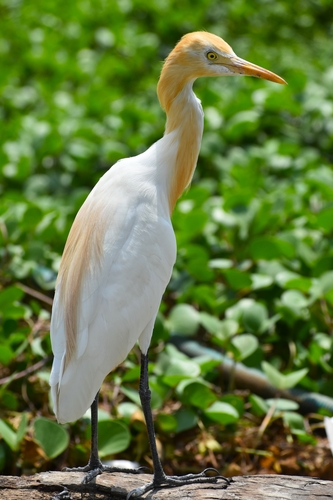
アマサギ (Ardea coromanda) アマサギ
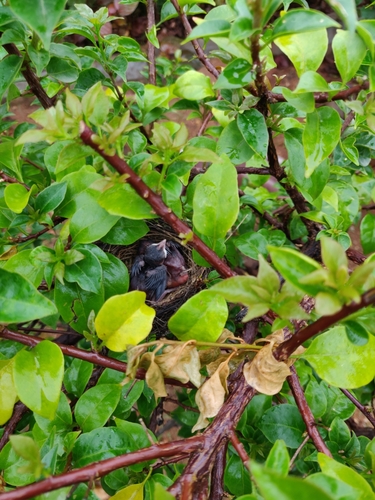
シリアカヒヨドリ (Pycnonotus cafer) シリアカヒヨドリ

メディア

読み込み中…

要点

アマサギとシリアカヒヨドリを区別する最も信頼できるフィールドマークは、全体の形とサイズです:アマサギは、太くて白い大きなヘロンで、太い首と頑丈な黄色いくちばしを持っています。一方、シリアカヒヨドリは、短い冠、黒い頭、特徴的な赤いベントを持つ、はるかに小さく、暗褐色の歌鳥です。飛んでいるときや止まっているとき、アマサギの全体が白い(または繁殖期の成鳥ではオレンジバフの色合いがある)羽毛とヘロンのような構造は、シリアカヒヨドリのコンパクトで止まっている鳥のシルエットや暗い鱗状の体と比較して明確です。幼鳥と成鳥のシリアカヒヨドリは常に赤いベントと白い先端の尾を示しますが、アマサギにはそれが現れません。距離があっても、アマサギの牛の近くでの採餌行動と直立した姿勢は、シリアカヒヨドリの活発で茂みを跳ね回る習性と鋭く対比されます。

識別のコツ

  1. Size and structure: アマサギはシリアカヒヨドリの2倍以上の長さで、重い体、長い首、長い脚を持っています。シリアカヒヨドリは小さな止まる鳥で、コンパクトな体と長い白い先端の尾を持っています。サイズだけで通常はそれらを区別するのに十分です。
  2. Plumage color: アマサギは全体が白い(非繁殖期)か、頭、喉、下背部にオレンジバフの羽毛を持つ(繁殖期の成鳥)です。シリアカヒヨドリは暗褐色で、黒い頭、白い尾、赤いベントを持っています。年齢や季節に関係なく重複はありません。
  3. Head and bill: アマサギは太くて頑丈な黄色いくちばしと比較的短くて太い首を持っています。シリアカヒヨドリは短くてわずかに曲がったくちばしと小さな冠を持ち、頭に四角い形を与えています。
  4. Tail: アマサギの尾は短くて白く、体と融合しています。シリアカヒヨドリの尾は長く、黒く、白い先端があり、しばしば振ったり扇いだりします。
  5. Red vent: シリアカヒヨドリだけが尾の下(ベントエリア)に明るい赤い斑点を示し、止まっているときでも見えます。アマサギは決して赤を示しません。
  6. Flight style: アマサギは遅くて深い翼の打撃で飛び、首を引っ込めて広い白い翼を見せます。シリアカヒヨドリは短くて丸い翼と長い尾を持つ急速で跳ねるような飛行をします。
  7. Juvenile plumage: 幼いアマサギは成鳥のように白く、暗いまたは赤い模様はありません。幼いシリアカヒヨドリは鈍い色ですが、赤いベントと暗い羽毛を持っています。
  8. Habitat: アマサギは開けた野原、湿地、家畜の近くで見られます。シリアカヒヨドリは庭、茂み、都市部を好み、牛や開けた水の近くにはめったにいません。
  9. Behavior: アマサギは地面を歩き、しばしば牛の近くで、背中を丸めた姿勢でいます。シリアカヒヨドリは茂みや木の中を活発に跳ね回り、開けた地面を歩くことはめったにありません。
  10. Vocalization: シリアカヒヨドリは騒がしく、さまざまな鳴き声や歌を持っています。アマサギは繁殖コロニーを除いてほとんど静かです。
  11. Breeding plumage: 繁殖期には、アマサギの成鳥は頭、喉、下背部にオレンジバフの羽毛を示します。シリアカヒヨドリは季節ごとに羽毛を変えません。
  12. Crest: シリアカヒヨドリは短い冠を持ち、頭に尖った外観を与えます。アマサギの頭は滑らかに丸く、繁殖羽毛の時でもそうです。
  13. Leg color: アマサギの脚は灰色がかった黄色(非繁殖期)または繁殖期には明るくなります。シリアカヒヨドリの脚は常に暗いです。
  14. Jizz: アマサギの直立した、遅い動きで意図的な歩き方は、シリアカヒヨドリの素早く神経質な動きや頻繁な尾の振りとは非常に異なります。
  15. Context: 牛の近くや湿地で白い鳥を見たら、それはほぼ確実にアマサギです。茂みや庭で赤いベントを持つ暗い鳥を見たら、それはシリアカヒヨドリです。

大きさ

アマサギははるかに大きく、長さ46〜56 cm、翼幅88〜96 cm、体重270〜512 gです [wikipedia]。対照的に、シリアカヒヨドリは約20 cmの長さで、はるかに軽いです [wikipedia]。アマサギは長い首と脚を持って背が高く立っていますが、シリアカヒヨドリは小さく、ずんぐりした止まる鳥で、相対的に長い尾を持っていますが脚は短いです。サイズに重複はなく、幼いアマサギでさえ成鳥のシリアカヒヨドリを圧倒します。

羽色

年齢に関係なく翼のパターンに混乱のリスクはありません:アマサギは常に白い(非繁殖期)か、繁殖期の成鳥では頭、喉、下背部にオレンジバフの羽毛を持っています。シリアカヒヨドリは年齢に関係なく、暗褐色で黒い頭、白い尾、明るい赤いベントを持っています;尾は黒くて白い先端があります。幼いシリアカヒヨドリは鈍い色ですが、赤いベントを示し、頭や背中に白やバフはありません。シリアカヒヨドリの年齢や季節は決して白く見えず、アマサギのオレンジバフの繁殖羽毛を示しません。逆に、アマサギは決して赤いベント、黒い頭、または鱗状の褐色の体を示しません。飛んでいるとき、アマサギの広い白い翼と遅くて深い翼の打撃は、シリアカヒヨドリの短くて丸い翼と急速で跳ねるような飛行とは完全に異なります。

行動

アマサギは通常、地面を歩いているのが見られ、しばしば牛や他の大型動物の近くで、背中を丸めた直立した姿勢をしています。草食性の哺乳類によって乱された昆虫を採餌します。シリアカヒヨドリは活発な樹上性の歌鳥で、茂みや木の中を跳ね回り、開けた地面にはめったにいません。アマサギは水の近くの木にコロニーで巣を作りますが、シリアカヒヨドリは茂みや小さな木に単独またはペアで巣を作ります。アマサギはコロニーから離れるとほとんど静かですが、シリアカヒヨドリは声が大きく目立ちます。

生息環境

アマサギは開けた野原、草地、湿地、農業地域を好み、特に大型哺乳類がいる場所で見られます。密な植生や都市の庭ではめったに見られません。シリアカヒヨドリは庭、都市公園、茂み、森林の端で繁栄し、水や家畜から遠く離れていることが多いです。両種は好む生息地が重なることはめったにありませんが、両方とも田舎の風景で見られることがあります。

声

アマサギはほとんど静かで、繁殖コロニーでは静かな喉の「リックラック」と呼ばれる声を除いてはそうです [wikipedia]。シリアカヒヨドリは非常に声が大きく、典型的な「ジンジャービール」のフレーズや鋭い「ピック」音を含むさまざまな鳴き声を持っています。シリアカヒヨドリの警戒音は特徴的で、他の鳥の注意を引くことがよくあります。頻繁で多様な歌や鋭い呼び声を聞いたら、アマサギではなくシリアカヒヨドリを聞いている可能性が高いです。

より良い説明を送る

比較と同じ項目を使ってください。文章はすぐに公開されます。

The most reliable field mark to separate Eastern Cattle-Egret from Red-vented Bulbul is overall shape and size: the egret is a large, stocky white heron with a thick neck and sturdy yellow bill, while the bulbul is a much smaller, dark brown songbird with a short crest, black head, and a distinctive red vent. In flight or perched, the egret's all-white (or white with orange-buff in breeding adults) plumage and heron-like structure are unmistakable compared to the bulbul's compact, perching bird silhouette and dark, scaly body. Juvenile and adult bulbuls always show the red vent and white-tipped tail, which never appear on a cattle egret. Even at a distance, the egret's foraging behavior near cattle and upright posture contrast sharply with the bulbul's active, bush-hopping habits.

  1. Size and structure: The egret is more than twice the length of the bulbul, with a heavy body, long neck, and long legs. The bulbul is a small, perching bird with a compact body and a long, white-tipped tail. Size alone is usually enough to separate them.
  2. Plumage color: Egrets are all-white (non-breeding) or white with orange-buff plumes on the head, throat, and lower back (breeding adults). Bulbuls are dark brown with a black head, white rump, and a red vent. No overlap at any age or season.
  3. Head and bill: Egret has a thick, sturdy yellow bill and a relatively short, thick neck. Bulbul has a short, slightly curved bill and a small crest, giving the head a squarish look.
  4. Tail: Egret's tail is short and white, blending with the body. Bulbul's tail is long, black, with a white tip, and is often flicked or fanned.
  5. Red vent: Only the bulbul shows a bright red patch under the tail (vent area), visible even when perched. Egrets never show any red.
  6. Flight style: Egret flies with slow, deep wingbeats and neck retracted, showing broad white wings. Bulbul has rapid, bounding flight with short, rounded wings and a long tail.
  7. Juvenile plumage: Young egrets are white like adults, lacking any dark or red markings. Juvenile bulbuls are duller but still have the red vent and dark plumage.
  8. Habitat: Egrets are found in open fields, wetlands, and near livestock. Bulbuls prefer gardens, scrub, and urban areas, rarely near cattle or open water.
  9. Behavior: Egrets walk on the ground, often near cattle, with a hunched posture. Bulbuls hop actively in bushes and trees, rarely walking on open ground.
  10. Vocalization: Bulbuls are noisy, with varied calls and songs. Egrets are mostly silent except at breeding colonies.
  11. Breeding plumage: In breeding season, egret adults show orange-buff plumes on head, throat, and lower back. Bulbuls do not change plumage seasonally.
  12. Crest: Bulbul has a short crest, giving a peaked look to the head. Egret's head is smoothly rounded, even in breeding plumage.
  13. Leg color: Egret's legs are greyish-yellow (non-breeding) or brighter in breeding. Bulbul's legs are always dark.
  14. Jizz: The egret's upright, slow-moving, deliberate walk is very different from the bulbul's quick, nervous movements and frequent tail flicks.
  15. Context: If you see a white bird near cattle or in a wetland, it's almost certainly an egret. If you see a dark bird with a red vent in a bush or garden, it's a bulbul.

Eastern Cattle-Egret is much larger, measuring 46–56 cm in length with an 88–96 cm wingspan and weighing 270–512 g [wikipedia]. In contrast, Red-vented Bulbul is about 20 cm long and much lighter [wikipedia]. The egret stands tall with a long neck and legs, while the bulbul is a small, squat perching bird with a proportionally long tail but short legs. There is no overlap in size; even a juvenile egret dwarfs an adult bulbul.

There is no risk of confusion in wing pattern at any age: Eastern Cattle-Egret is always white (non-breeding) or white with orange-buff plumes on the head, throat, and lower back in breeding adults. The bulbul, regardless of age, is dark brown with a black head, white rump, and a bright red vent; the tail is black with white tips. Juvenile bulbuls are duller but still show the red vent and lack any white or buff on the head or back. No age or season of bulbul ever looks white or shows the egret's orange-buff breeding plumes. Conversely, no egret ever shows a red vent, black head, or scaly brown body. In flight, the egret's broad white wings and slow, deep wingbeats are completely different from the bulbul's short, rounded wings and rapid, bounding flight.

Eastern Cattle-Egret is usually seen walking on the ground, often near cattle or other large animals, with a hunched, upright posture. It forages for insects disturbed by grazing mammals. Red-vented Bulbul is an active, arboreal songbird, hopping through bushes and trees, rarely on open ground. The egret nests colonially in trees near water, while the bulbul nests singly or in pairs in shrubs or small trees. The egret is mostly silent away from colonies; the bulbul is vocal and conspicuous.

Eastern Cattle-Egret prefers open fields, grasslands, wetlands, and agricultural areas, especially where large mammals are present. It is rarely found in dense vegetation or urban gardens. Red-vented Bulbul thrives in gardens, urban parks, scrub, and forest edges, often far from water or livestock. The two species rarely overlap in preferred habitat, though both can occur in rural landscapes.

Eastern Cattle-Egret is largely silent, except for a quiet, throaty 'rick-rack' call at breeding colonies [wikipedia]. Red-vented Bulbul is highly vocal, with a variety of calls including a typical 'ginger beer' phrase and sharp 'pick' notes. Bulbul alarm calls are distinctive and often attract attention from other birds. If you hear frequent, varied song or sharp calls, you are likely hearing a bulbul, not an egret.

変更を破棄しますか?

保存していない編集があります。今離れると失われます。

アマサギ · シリアカヒヨドリ · 苦手な鳥