

Eastern Cattle-Egret vs Red-vented Bulbul
Ardea coromanda contro Pycnonotus cafer
Fai un quiz con Eastern Cattle-Egret e Red-vented Bulbul
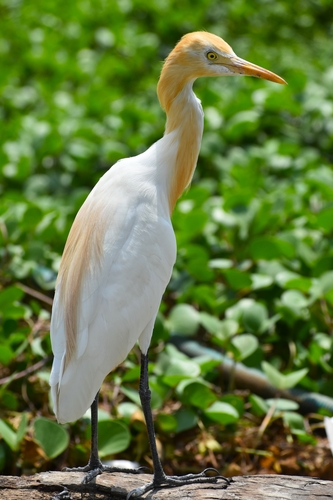 Eastern Cattle-Egret
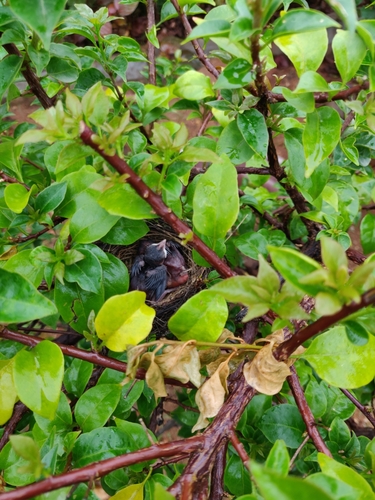 Red-vented Bulbul
In breve
Il segno distintivo più affidabile per separare l'Eastern Cattle-Egret dal Red-vented Bulbul è la forma e la dimensione complessive: l'airone è un grande, robusto airone bianco con un collo spesso e un becco giallo robusto, mentre il bulbul è un uccello canoro molto più piccolo, di colore marrone scuro, con una cresta corta, testa nera e un caratteristico ventre rosso. In volo o posato, il piumaggio completamente bianco (o bianco con tonalità arancio-buff negli adulti in riproduzione) e la struttura simile a un airone dell'airone sono inconfondibili rispetto alla silhouette compatta dell'uccello posato del bulbul e al suo corpo scuro e squamoso. I bulbul giovani e adulti mostrano sempre il ventre rosso e la coda con la punta bianca, che non appare mai su un airone da latte. Anche a distanza, il comportamento di foraggiamento dell'airone vicino al bestiame e la sua postura eretta contrastano nettamente con le abitudini attive e saltellanti del bulbul.
Consigli di identificazione
- Size and structure: L'airone è più lungo di oltre il doppio rispetto al bulbul, con un corpo pesante, collo lungo e gambe lunghe. Il bulbul è un piccolo uccello posato con un corpo compatto e una lunga coda con la punta bianca. La dimensione da sola è solitamente sufficiente per separarli.
- Plumage color: Gli aironi sono completamente bianchi (non in riproduzione) o bianchi con piume arancio-buff sulla testa, gola e parte bassa della schiena (adulti in riproduzione). I bulbul sono marrone scuro con una testa nera, un sopracciglio bianco e un ventre rosso. Nessuna sovrapposizione a qualsiasi età o stagione.
- Head and bill: L'airone ha un becco giallo spesso e robusto e un collo relativamente corto e spesso. Il bulbul ha un becco corto e leggermente curvo e una piccola cresta, dando alla testa un aspetto quadrato.
- Tail: La coda dell'airone è corta e bianca, fondendosi con il corpo. La coda del bulbul è lunga, nera, con una punta bianca, e viene spesso flickata o aperta.
- Red vent: Solo il bulbul mostra una macchia rossa brillante sotto la coda (area del ventre), visibile anche quando è posato. Gli aironi non mostrano mai rosso.
- Flight style: L'airone vola con battiti d'ala lenti e profondi e collo retratto, mostrando ampie ali bianche. Il bulbul ha un volo rapido e saltellante con ali corte e arrotondate e una lunga coda.
- Juvenile plumage: I giovani aironi sono bianchi come gli adulti, privi di qualsiasi marcatura scura o rossa. I bulbul giovani sono più opachi ma mostrano ancora il ventre rosso e il piumaggio scuro.
- Habitat: Gli aironi si trovano in campi aperti, zone umide e vicino al bestiame. I bulbul preferiscono giardini, cespugli e aree urbane, raramente vicino a bestiame o acque aperte.
- Behavior: Gli aironi camminano a terra, spesso vicino al bestiame, con una postura curva. I bulbul saltellano attivamente tra cespugli e alberi, raramente camminando su terreno aperto.
- Vocalization: I bulbul sono rumorosi, con richiami e canti variati. Gli aironi sono per lo più silenziosi tranne che nelle colonie di riproduzione.
- Breeding plumage: Durante la stagione di riproduzione, gli adulti aironi mostrano piume arancio-buff sulla testa, gola e parte bassa della schiena. I bulbul non cambiano piumaggio stagionalmente.
- Crest: Il bulbul ha una cresta corta, dando un aspetto appuntito alla testa. La testa dell'airone è arrotondata, anche in piumaggio da riproduzione.
- Leg color: Le gambe dell'airone sono giallo-grigiastre (non in riproduzione) o più luminose in riproduzione. Le gambe del bulbul sono sempre scure.
- Jizz: La camminata eretta, lenta e deliberata dell'airone è molto diversa dai movimenti rapidi e nervosi del bulbul e dai frequenti flick del suo codino.
- Context: Se vedi un uccello bianco vicino al bestiame o in una zona umida, è quasi certamente un airone. Se vedi un uccello scuro con un ventre rosso in un cespuglio o giardino, è un bulbul.
Taglia
L'Eastern Cattle-Egret è molto più grande, misurando 46–56 cm di lunghezza con un'apertura alare di 88–96 cm e pesando 270–512 g [wikipedia]. Al contrario, il Red-vented Bulbul è lungo circa 20 cm e molto più leggero [wikipedia]. L'airone si erge alto con un collo e gambe lunghi, mentre il bulbul è un piccolo uccello posato e tozzo con una coda proporzionalmente lunga ma gambe corte. Non c'è sovrapposizione di dimensioni; anche un airone giovane sovrasta un bulbul adulto.
Piumaggio
Non c'è rischio di confusione nel modello delle ali a qualsiasi età: l'Eastern Cattle-Egret è sempre bianco (non in riproduzione) o bianco con piume arancio-buff sulla testa, gola e parte bassa della schiena negli adulti in riproduzione. Il bulbul, indipendentemente dall'età, è marrone scuro con una testa nera, un sopracciglio bianco e un ventre rosso brillante; la coda è nera con punte bianche. I bulbul giovani sono più opachi ma mostrano ancora il ventre rosso e non hanno alcun bianco o buff sulla testa o sulla schiena. Nessuna età o stagione di bulbul appare mai bianca o mostra le piume arancio-buff da riproduzione dell'airone. Al contrario, nessun airone mostra mai un ventro rosso, una testa nera o un corpo marrone squamoso. In volo, le ampie ali bianche dell'airone e i battiti d'ala lenti e profondi sono completamente diversi dalle ali corte e arrotondate del bulbul e dal suo volo rapido e saltellante.
Comportamento
L'Eastern Cattle-Egret è solitamente visto camminare a terra, spesso vicino al bestiame o ad altri grandi animali, con una postura curva e eretta. Si nutre di insetti disturbati dai mammiferi al pascolo. Il Red-vented Bulbul è un uccello canoro attivo e arboricolo, che salta tra cespugli e alberi, raramente su terreno aperto. L'airone nidifica colonialmente negli alberi vicino all'acqua, mentre il bulbul nidifica singolarmente o in coppie in cespugli o piccoli alberi. L'airone è per lo più silenzioso lontano dalle colonie; il bulbul è vocale e appariscente.
Habitat
L'Eastern Cattle-Egret preferisce campi aperti, praterie, zone umide e aree agricole, specialmente dove sono presenti grandi mammiferi. Si trova raramente in vegetazione densa o giardini urbani. Il Red-vented Bulbul prospera in giardini, parchi urbani, cespugli e margini forestali, spesso lontano da acqua o bestiame. Le due specie raramente si sovrappongono nell'habitat preferito, anche se entrambe possono verificarsi in paesaggi rurali.
Voce
L'Eastern Cattle-Egret è per lo più silenzioso, tranne per un richiamo sommesso e profondo 'rick-rack' nelle colonie di riproduzione [wikipedia]. Il Red-vented Bulbul è altamente vocale, con una varietà di richiami tra cui una tipica frase 'ginger beer' e note acute 'pick'. I richiami di allerta del bulbul sono distintivi e spesso attirano l'attenzione di altri uccelli. Se senti canti frequenti e variati o richiami acuti, è probabile che tu stia ascoltando un bulbul, non un airone.
Eastern Cattle-Egret · Red-vented Bulbul · I miei uccelli difficili