

Motmot

カオグロサバクヒタキ 対 セグロサバクヒタキ

Oenanthe melanoleuca 対 Oenanthe pleschanka

カオグロサバクヒタキとセグロサバクヒタキのクイズ
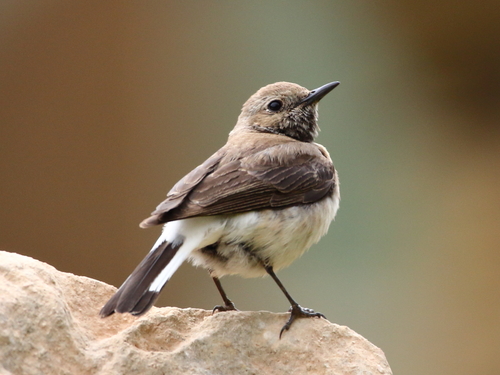
カオグロサバクヒタキ (Oenanthe melanoleuca) カオグロサバクヒタキ
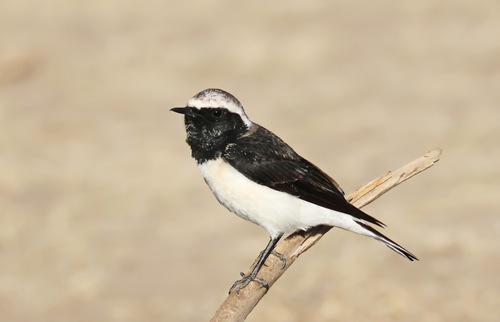
セグロサバクヒタキ (Oenanthe pleschanka) セグロサバクヒタキ

メディア

読み込み中…

要点

カオグロサバクヒタキとセグロサバクヒタキの間で最も信頼できるフィールドマークは、成鳥のオスにおける顔と喉の黒のパターンと範囲、そしてすべての羽衣における尾のパターンです。成鳥のオスのカオグロサバクヒタキは、白い冠と上面を持つ際立った黒と白の姿をしており、嘴の基部のすぐ上まで達する黒いマスクがあります。黒い喉を持つ個体は、セグロサバクヒタキよりも喉と顔により広範囲で鮮明に区切られた黒を示します。セグロサバクヒタキのオスは、淡い茶色がかった冠と後頭部を持ち、より狭い黒いマスクと逆さの黒い「T」の特徴的な尾のパターンを持っています。尾の先端の黒はより広範囲で、特に外側の羽において顕著です。雌と幼鳥はより難しいですが、カオグロサバクヒタキは全体的に冷たく鈍い色合いで、セグロサバクヒタキは頭に砂色のバフの洗いがかかっています。飛行中、両者は尾に多くの白を示しますが、セグロサバクヒタキの黒い「T」はよく見れば診断的です。構造とサイズは非常に似ており、フィールドで確実に区別することはできません。

識別のコツ

  1. Tail pattern (all ages): セグロサバクヒタキは尾に逆さの黒い「T」を示します:中央の羽は白い基部を持つ黒で、外側の羽は黒い先端を持つ白です(最外側はより多くの黒があります)。カオグロサバクヒタキは中央の羽を除いてほとんど白い尾を持ち、内側の羽の先端まで白が達することがよくあります。これは、飛行中または尾を広げた鳥での最良のマークです。
  2. Adult male crown and upperparts: カオグロサバクヒタキのオスは白またはほぼ白の冠、額、マントルを持ち、バフはほとんどありません。セグロサバクヒタキのオスは淡い茶色がかった冠と後頭部を持ち、マントル/肩羽はバフの先端を持つ黒です。春と初夏にこれを使用してください。
  3. Black mask and throat: カオグロサバクヒタキのオスは嘴の基部のすぐ上まで達する黒いマスクを持ち、黒い喉を持つ鳥は顔と喉により広範囲で鮮明に区切られた黒を示します。セグロサバクヒタキの黒いマスクは狭く、嘴の上まで達せず、喉の黒はより少なく、より混ざり合っています。
  4. Female/immature overall tone: 雌と幼鳥のカオグロサバクヒタキは冷たい灰色がかった茶色で鈍いです。セグロサバクヒタキの雌はより茶色で、頭に砂色のバフの洗いがあります。これは微妙で、尾のパターンと組み合わせて使用するのが最良です。
  5. Juvenile upperparts: セグロサバクヒタキの幼鳥は羽の先端近くに淡い中心を持つ茶色で、斑点のような外観を与えます。カオグロサバクヒタキの幼鳥は斑点が少なく、より均一な灰色がかった茶色です。
  6. Underparts: カオグロサバクヒタキのオスはバフがかかった白い腹部を持ち、セグロサバクヒタキのオスは特に腹部と下胸にクリーミーなバフの腹部を持っています。これは微妙で変動があります。
  7. Seasonal changes: 秋と冬には、カオグロサバクヒタキは頭、マントル、腹部がバフがかかりますが、セグロサバクヒタキよりも冷たく、砂色ではありません。セグロサバクヒタキのバフの色合いは羽の先端が摩耗するにつれてより顕著になります。
  8. Rump and lower back: 両種は白い下背を持っていますが、セグロサバクヒタキの雌はハシグロヒタキよりも尻に白が少ないです。これはこの二種の間で強い区別要因ではありません。
  9. Wing pattern: 両者は新しい羽衣で淡い先端/縁を持つ黒い翼を持っています。フィールドで確実に区別することはできません。
  10. Bill, legs, and structure: 両者は細長く、直立しており、似たような嘴と脚を持っています。区別には役立ちません。
  11. Voice: セグロサバクヒタキは厳しい「ザックザック」という呼び声と変動する音楽的な歌を発します。カオグロサバクヒタキの声はここでは説明されていないので、音声に頼らないでください。
  12. Habitat and range: 両者が生息する場所では、habitatは区別要因ではありません。重複ゾーンでは、範囲マップを確認して可能性のある種を確認してください。
  13. Behavior: 両種は似たように振る舞います—直立し、尾を振り、地面で餌を探し、岩の上に止まります。フィールドで確実に診断できる行動の違いはありません。
  14. Sexual dimorphism: 雌と幼鳥の羽衣はより難しいです。顔/喉のパターンよりも尾のパターンと全体的な色合いに頼ってください。
  15. Pitfalls: ニシカオグロサバクヒタキとの重複に注意してください。これはここではカバーされていません。最良の結果を得るために、常に尾のパターンと顔/喉のコントラストを確認してください。

大きさ

両種は小さく、細長いヒタキで、似たような比率を持っています。セグロサバクヒタキは約14–14.6 cmの長さで、カオグロサバクヒタキも同様です(正確な測定値は示されていませんが、両者は典型的な小型ヒタキです)。セグロサバクヒタキの雌はオスよりもわずかに小さいですが、これはフィールドマークとしては役立ちません。嘴、脚、全体的な印象は非常に似ており、診断には役立ちません。

羽色

幼鳥と初冬の鳥:セグロサバクヒタキの幼鳥は羽の先端近くに淡い中心を持つ茶色で、斑点のような外観を与えます。カオグロサバクヒタキの雌と幼鳥は冷たい灰色がかった茶色で、斑点が少なく鈍いです。両者において、尾のパターンが重要です:すべての年齢のセグロサバクヒタキは逆さの黒い「T」を示します—中央の尾羽は白い基部を持つ黒で、残りは黒い先端を持つ白です(最外側はより多くの黒があります)。カオグロサバクヒタキは中央の羽を除いてほとんど白い尾を持ち、白が内側の羽の先端まで達することがよくあり、尾全体がより白く見えます。

成鳥の繁殖期のオス:カオグロサバクヒタキは鮮やかな黒と白で、白またはほぼ白の冠、マントル、上面を持ち、嘴のすぐ上まで達する黒いマスクがあります。喉は黒または白ですが、黒い喉を持つ鳥はより広範囲で鮮明に区切られた黒を持っています。セグロサバクヒタキのオスは淡い茶色がかった冠と後頭部、黒いマスクと喉を持ちますが、マスクは狭く、嘴の上まで達しません。マントルと肩羽はバフの先端を持つ黒で、腹部はクリーミーなバフです。

雌:カオグロサバクヒタキは冷たく鈍い色合いで、セグロサバクヒタキよりも砂色やバフの色合いが少ないです。両者は白い下背を持っていますが、セグロサバクヒタキの雌はハシグロヒタキよりも尻に白が少なく、尾のパターンは診断的です。

行動

両種は典型的なヒタキです:直立し、地面で餌を探し、尾を振り、しばしば岩や低い低木に止まります。両種のオスは目立つ止まり木や歌の飛行から歌います。フィールドで確実に診断できる行動の違いはありません。

生息環境

カオグロサバクヒタキは東南ヨーロッパと中東で繁殖し、まばらな植生のある開けた岩場や石の生息地を好みます。セグロサバクヒタキはさらに東で繁殖し、東南ヨーロッパから中央アジアを経てモンゴルまで、開けた石の多いまばらな植生の地域を好みます。両者はその範囲が重なる場所で似たような生息地に生息することができるため、生息地は信頼できる区別要因ではありません。

声

セグロサバクヒタキは厳しい「ザックザック」という呼び声と、低音で音楽的で変動する歌を発し、しばしば止まり木や飛行中に発声します。カオグロサバクヒタキの音声は提供されたメモには記載されていないため、この情報に基づいて声を区別することはできません。

より良い説明を送る

比較と同じ項目を使ってください。文章はすぐに公開されます。

The most reliable field mark between Eastern Black-eared Wheatear and Pied Wheatear is the pattern and extent of black on the face and throat in adult males, and the tail pattern in all plumages. Adult male Eastern Black-eared Wheatear is strikingly black-and-white with a whiter crown and upperparts, and a black mask that reaches just above the bill base; black-throated individuals show more extensive and sharply demarcated black on the throat and face than Pied. Pied Wheatear males have a pale brown-tinged crown and nape, a narrower black mask, and a distinctive tail pattern with an inverted black 'T'—the black on the tail tip is more extensive, especially on the outer feathers. Females and immatures are trickier, but Eastern Black-eared is colder and duller overall, while Pied is browner with a sandy buff wash to the head. In flight, both show much white in the tail, but Pied's black 'T' is diagnostic if seen well. Structure and size are very similar and not reliably separable in the field.

  1. Tail pattern (all ages): Pied Wheatear shows an inverted black 'T' in the tail: central feathers are black with white bases, outer feathers are white with black tips (outermost with more black). Eastern Black-eared Wheatear has a mostly white tail except for the central pair, with white often reaching the tip of the inner web. This is the best mark in flight or on perched birds with fanned tails.
  2. Adult male crown and upperparts: Eastern Black-eared Wheatear males have a white or nearly white crown, forehead, and mantle, with little to no buff; Pied Wheatear males have a pale brown-tinged crown and nape, and mantle/scapulars are black with buff tips. Use this in spring and early summer.
  3. Black mask and throat: Eastern Black-eared Wheatear males have a black mask that reaches just above the bill base, and black-throated birds show more extensive, sharply bordered black on the face and throat. Pied Wheatear's black mask is narrower, does not reach as far above the bill, and the black on the throat is less extensive and more blended.
  4. Female/immature overall tone: Female and immature Eastern Black-eared Wheatear are colder gray-brown and duller; Pied Wheatear females are browner, with a sandy buff wash to the head. This is subtle and best used in combination with tail pattern.
  5. Juvenile upperparts: Pied Wheatear juveniles are brown above with pale centers near feather tips, giving a speckled look; Eastern Black-eared Wheatear immatures are less speckled, more uniform gray-brown.
  6. Underparts: Eastern Black-eared Wheatear males have white underparts tinged with buff; Pied Wheatear males have creamy-buff underparts, especially on the belly and lower breast. This is subtle and variable.
  7. Seasonal changes: In autumn and winter, Eastern Black-eared Wheatear becomes buffier on the head, mantle, and underparts, but remains colder and less sandy than Pied. Pied Wheatear's buff tones become more pronounced as feather tips wear off.
  8. Rump and lower back: Both species have white lower backs, but Pied Wheatear females show less white on the rump than Northern Wheatear; this is not a strong separator between these two.
  9. Wing pattern: Both have black wings with pale tips/edges in fresh plumage; not reliably separable in the field.
  10. Bill, legs, and structure: Both are slender, upright, with similar bills and legs; not useful for separation.
  11. Voice: Pied Wheatear gives a harsh 'zack zack' call and a variable, musical song; Eastern Black-eared Wheatear's voice is not described here, so do not rely on vocalizations.
  12. Habitat and range: Where both occur, habitat is not a separator; check range maps for likely species but do not rely on this in overlap zones.
  13. Behavior: Both species behave similarly—upright, tail-flicking, ground-feeding, and perching on rocks; not diagnostic.
  14. Sexual dimorphism: Female and immature plumages are more challenging; rely on tail pattern and overall tone rather than face/throat pattern.
  15. Pitfalls: Beware of overlap with Western Black-eared Wheatear, which is not covered here; always check tail pattern and face/throat contrast for best results.

Both species are small, slender wheatears with similar proportions. Pied Wheatear is about 14–14.6 cm in length, and Eastern Black-eared Wheatear is comparable (precise measurements not given, but both are typical small wheatears). Females Pied are slightly smaller than males, but this is not a useful field mark. Bill, legs, and overall jizz are very similar and not diagnostic.

Juveniles and first-winter birds: Pied Wheatear juveniles are brown above with pale centers near feather tips, giving a speckled appearance; Eastern Black-eared Wheatear females and immatures are colder gray-brown, less speckled, and duller. In both, the tail pattern is key: Pied Wheatear of all ages shows an inverted black 'T'—the central tail feathers are black with white bases, the rest are white with black tips (outermost with more black). Eastern Black-eared Wheatear has a mostly white tail except for the central pair, and the white often extends to the tip of the inner web, making the tail appear whiter overall.

Adult breeding males: Eastern Black-eared Wheatear is crisp black-and-white, with a white or nearly white crown, mantle, and upperparts, and a black mask that extends just above the bill; the throat may be black or white, but black-throated birds have more extensive, sharply bordered black. Pied Wheatear males have a pale brown-tinged crown and nape, black mask and throat, but the mask is narrower and does not reach as far above the bill; mantle and scapulars are black with buff tips, and the underparts are creamy-buff.

Females: Eastern Black-eared is colder and duller, with less sandy or buff tones than Pied, which is browner and has a sandy buff wash to the head. Both have white lower backs, but Pied female shows less white on the rump than Northern Wheatear, and the tail pattern remains diagnostic.

Both species are typical wheatears: upright, ground-feeding, tail-flicking, and often perching on rocks or low shrubs. Males of both species sing from prominent perches or in song flight. No behavioral difference is reliably diagnostic in the field.

Eastern Black-eared Wheatear breeds in southeastern Europe and the Middle East, favoring open, rocky, or stony habitats with sparse vegetation. Pied Wheatear breeds further east, from southeastern Europe through central Asia to Mongolia, and also prefers open, stony, sparsely vegetated regions. Both can occur in similar habitats where their ranges overlap, so habitat is not a reliable separator.

Pied Wheatear gives a harsh 'zack zack' call and a low-pitched, musical, variable song with lark-like and whistling notes, often delivered from a perch or in flight. Eastern Black-eared Wheatear's vocalizations are not described in the provided notes, so voice is not a reliable separator based on this information.

変更を破棄しますか?

保存していない編集があります。今離れると失われます。

カオグロサバクヒタキ · セグロサバクヒタキ · 苦手な鳥