

Motmot

オグロカマドドリ 対 パタゴニアカマドドリ

Pseudasthenes humicola 対 Pseudasthenes patagonica

オグロカマドドリとパタゴニアカマドドリのクイズ
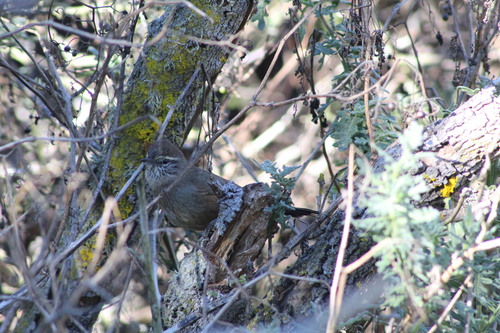
オグロカマドドリ (Pseudasthenes humicola) オグロカマドドリ
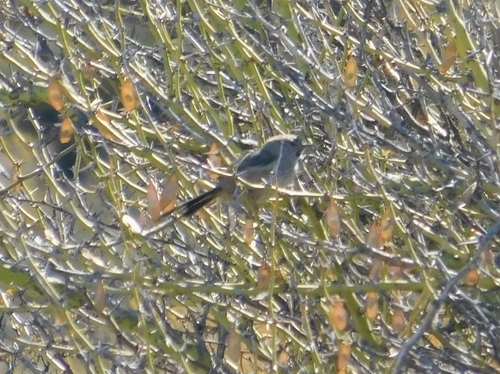
パタゴニアカマドドリ (Pseudasthenes patagonica) パタゴニアカマドドリ

メディア

読み込み中…

要点

オグロカマドドリとパタゴニアカマドドリを区別するための最も信頼できるフィールドマークは、特に止まっているか採餌している鳥における尾と臀部の色彩です。オグロカマドドリは、暗い褐色の先端を持つ茶色の尾と、赤みがかった臀部(特に幼鳥で)を示しますが、パタゴニアカマドドリは、栗色の外羽を持つ暗い灰褐色の尾と、より淡い、赤みの少ない臀部を持っています。両者はサイズと全体的な構造が似ていますが、オグロカマドドリは重く、しばしばより大きく見えます。顔のパターンと腹部の縞模様も役立ちます:オグロカマドドリは狭い白っぽい眉斑とより目立つ暗い顔の特徴を持ち、パタゴニアは顔が淡く、眉斑があまりはっきりしていません。生息地と分布は強い手がかりです:オグロカマドドリはチリに生息し、パタゴニアカマドドリはアルゼンチンに生息し、重複はほとんどありません。

識別のコツ

  1. Tail and rump color: オグロカマドドリ(特に幼鳥)は赤みがかった臀部と、暗い褐色の先端を持つ茶色の尾を示します;パタゴニアカマドドリは淡い臀部と、外羽にのみ栗色がある暗い灰褐色の尾を持っています。これは、鳥が止まっているときや尾を振っているときによく見えます。
  2. Facial pattern: オグロカマドドリは、淡い縞模様のある暗い灰褐色の顔に狭い白っぽい眉斑を持ち、より対照的で「マスクされた」外観を与えます。パタゴニアは顔が淡く、眉斑があまりはっきりせず、目の後ろに微妙な暗い線があり、よりシンプルで柔らかい顔の表情を生み出します。
  3. Crown and back: オグロカマドドリは暗い褐色の冠とやや淡い褐色の背中を持ち、パタゴニアの冠と背中は淡い灰褐色で、全体的に灰色に見えます。
  4. Wing coloration: オグロカマドドリの翼は背中と同じ色で、肩には鈍い赤みがかった色があります;パタゴニアの翼はより茶色で赤みがかった縁がありますが、オグロカマドドリほどの対比はありません。
  5. Underpart streaking: オグロカマドドリは白っぽい喉に黒い斑点があり、上胸部により明らかな黒い縞模様があり、下胸部には淡い縞模様があります。パタゴニアは喉にのみ黒い斑点と縞模様があり、他の下部はあまり縞模様がなく、より淡いです。
  6. Flank and undertail color: オグロカマドドリは赤みがかった茶色の脇腹と、より暗い赤みがかった茶色の尾羽の覆いを持っています;パタゴニアの脇腹と尾羽は黄褐色から赤みがかった黄褐色ですが、オグロカマドドリほど豊かまたは暗くはありません。
  7. Juvenile marks: 幼いオグロカマドドリは、臀部と尾がさらに赤みがかっており、成鳥よりも腹部の縞模様が少ないです。これは特に暖かいトーンの鳥を見た場合の重要なマークです。
  8. Bill and legs: 両種は似たようなくちばしと脚の色(暗い/灰色がかった)を持ち、区別には役立ちません。
  9. Size and shape: オグロカマドドリは重く、より大きく見えることがありますが、両者は長さと構造が似ています;サイズは、鳥が並んでいない限り、弱い手がかりです。
  10. Geographic location: チリにいる場合、特に北部または中央部では、ほぼ確実にオグロカマドドリを見ています。アルゼンチン、特にパタゴニアでは、パタゴニアカマドドリになります。定期的な重複はありません。
  11. Habitat context: オグロカマドドリは乾燥から半乾燥の低木林や森林の縁を好み、しばしば丘のふもとの標高に生息します;パタゴニアはパタゴニアのステップと低木の生息地の鳥です。典型的なチリのマトラルや砂漠の縁にいる場合は、オグロカマドドリです。
  12. Sex and season: 両種は性別による形態の違いがなく、羽毛は識別に役立つような季節的な変化をしません。
  13. Flight views: どちらの種にも特有の上翼や飛行パターンのマークは記載されていません;飛行中の識別は全体的な色の印象と尾/臀部の対比に依存します。
  14. Vocalizations: メモには診断的な違いは提供されていません;現在の情報での区別には声に頼らないでください。
  15. Common pitfalls: 特に幼鳥におけるオグロカマドドリの赤みのトーンを過小評価しないように注意し、パタゴニアの尾の栗色を過度に強調しないようにしてください。これは主に外羽に限られています。

大きさ

オグロカマドドリはパタゴニアカマドドリ(平均16g)よりも明らかに重く(平均22.5g)、両者は長さ(オグロカマドドリは14〜16 cm、パタゴニアは14〜15 cm)が似ています。フィールドでは、オグロカマドドリはより頑丈または太く見えることがありますが、パタゴニアはスリムに見えることがあります。この違いは、鳥が並んでいない限り微妙ですが、経験があれば明らかになることがあります。

羽色

行動

両種は低木や茂みの生息地で採餌し、しばしば地面近くで密なカバーの中で見られます。利用可能なメモには強い行動の区別はありませんが、オグロカマドドリは人が住む地域を避けると説明されており、他のカマドドリと比べて人間の居住地の近くで見られる可能性が低くなるかもしれません。

生息環境

オグロカマドドリは厳密にチリに生息し、アタカマからアラウカニアまでの乾燥から半乾燥の低木林、ステップ、および乾燥した森林の縁に見られ、主に人が住む地域を避けます。パタゴニアカマドドリはアルゼンチンに特有で、パタゴニアのステップと低木の生息地に生息しています。チリにいる場合、特に北部または中央部では、ほぼ確実にオグロカマドドリを見ています;アルゼンチンのパタゴニアにいる場合は、パタゴニアカマドドリになります。生息地の重複は、南チリ/アルゼンチンのアンデス近くを除いて非常にありそうにありませんが、そこでも記録は定期的な重複を示唆していません。

より良い説明を送る

比較と同じ項目を使ってください。文章はすぐに公開されます。

The most reliable field mark for separating Dusky-tailed and Patagonian Canasteros is the tail and rump coloration, especially in perched or foraging birds. Dusky-tailed Canastero shows a browner tail with dark fuscous tips and a rufescent rump (especially in juveniles), while Patagonian Canastero has a darker gray-brown tail with chestnut outer feathers and a paler, less rufous rump. Both are similar in size and overall structure, but Dusky-tailed is heavier and often appears bulkier. Face pattern and underpart streaking also help: Dusky-tailed has a narrow whitish supercilium and more prominent dark facial features, while Patagonian is paler-faced with a less distinct supercilium. Habitat and range are strong clues: Dusky-tailed is Chilean, Patagonian is Argentine, with little overlap.

  1. Tail and rump color: Dusky-tailed Canastero (especially juveniles) shows a rufescent rump and browner tail with dark fuscous tips; Patagonian Canastero has a paler rump and a tail that is dark gray-brown with chestnut only on the outer feathers. This is often visible when the bird is perched or flicking its tail.
  2. Facial pattern: Dusky-tailed has a narrow whitish supercilium on a dark gray-brown face with faint pale streaks, giving a more contrasting and 'masked' look. Patagonian is paler-faced, with a less distinct supercilium and a subtle dark line behind the eye, resulting in a plainer, softer facial expression.
  3. Crown and back: Dusky-tailed has a dark brown crown and slightly paler brown back, while Patagonian's crown and back are light gray-brown, making it appear grayer overall.
  4. Wing coloration: Dusky-tailed's wings match the back in color, with dull rufous on the shoulder; Patagonian's wings are browner with rufescent edges, but the contrast is less marked than in Dusky-tailed.
  5. Underpart streaking: Dusky-tailed shows black flecks on the whitish throat and more obvious black streaks on the upper breast, with faint pale streaks on the lower breast. Patagonian has black flecks and streaks only on the throat, with the rest of the underparts much less streaked and paler.
  6. Flank and undertail color: Dusky-tailed has rufescent brown flanks and darker rufous-brown undertail coverts; Patagonian's flanks and undertail are tawny to tawny-rufous, but less rich or dark than in Dusky-tailed.
  7. Juvenile marks: Young Dusky-tailed Canasteros are even more rufous on the rump and tail, and have less underpart streaking than adults. This is a key mark if you see a particularly warm-toned bird.
  8. Bill and legs: Both species have similar bill and leg coloration (dusky/grayish), not useful for separation.
  9. Size and shape: Dusky-tailed is heavier and may look bulkier, but both are similar in length and structure; size is only a weak clue unless birds are side by side.
  10. Geographic location: If you are in Chile, especially north or central, you are almost certainly seeing Dusky-tailed. In Argentina, especially Patagonia, it will be Patagonian. There is no regular overlap.
  11. Habitat context: Dusky-tailed prefers arid to semi-arid shrublands and forest edges, often at foothill elevations; Patagonian is a bird of Patagonian steppe and bushy habitats. If you are in typical Chilean matorral or desert-edge, it is Dusky-tailed.
  12. Sex and season: Both species are sexually monomorphic, and plumage does not change seasonally in a way that aids identification.
  13. Flight views: No distinctive upperwing or flight pattern marks are described for either species; identification in flight relies on overall color impression and tail/rump contrast.
  14. Vocalizations: No diagnostic differences are provided in the notes; do not rely on voice for separation with current information.
  15. Common pitfalls: Beware of underestimating the rufous tones in Dusky-tailed, especially in juveniles, and of overemphasizing the chestnut in Patagonian's tail, which is mostly confined to the outer feathers.

Dusky-tailed Canastero is noticeably heavier (mean 22.5g) than Patagonian Canastero (mean 16g), though both are similar in length (14–16 cm for Dusky-tailed, 14–15 cm for Patagonian). In the field, Dusky-tailed may appear more robust or chunky, while Patagonian can seem slimmer. This difference is subtle unless birds are side by side, but may be apparent with experience.

  • Juvenile/immature birds: Dusky-tailed Canastero juveniles have a more rufous rump and tail than adults, with less underpart streaking and a generally warmer tone. Patagonian Canastero juveniles are not described in detail, but adults lack strong rufous tones on the rump and tail, instead showing chestnut only on the outer tail feathers.
  • Adults: Dusky-tailed Canastero shows a narrow whitish supercilium on a dark gray-brown face, a dark brown crown, and a back that is slightly paler brown with a rufescent tinge on the rump. The wings are brown with dull rufous on the shoulder, and the tail is mostly brown with dark fuscous tips, except for the outer feathers which are fuscous blackish. Underparts are streaked on the throat and upper breast, with flanks and undertail coverts rufescent brown.
    Patagonian Canastero adults have a paler, light grayish brown face with a faint supercilium and a darker line behind the eye, a light gray-brown crown and upperparts, browner wings with rufescent edges, and a tail that is dark gray-brown with chestnut on the outer feathers. Underparts are less streaked, with the breast pale grayish, belly pale buff-gray, and flanks/undertail coverts tawny to tawny-rufous.
  • Key contrast: Dusky-tailed is browner and more rufous overall, especially on rump, flanks, and undertail, and with more facial contrast; Patagonian is paler, grayer, and less streaked below.

Both species forage in shrubby or bushy habitats, often low to the ground and in dense cover. There is no strong behavioral separation in the available notes, though Dusky-tailed Canastero is described as shunning populated areas, which may make it less likely to be seen near human habitation compared to some other canasteros.

Dusky-tailed Canastero is strictly Chilean, found in arid to semi-arid shrublands, steppe, and edges of dry forests from the Atacama south to Araucanía, mostly avoiding populated areas. Patagonian Canastero is endemic to Argentina, occupying steppe and bushy habitats in Patagonia. If you are in Chile, especially in the north or central regions, you are almost certainly seeing Dusky-tailed; if in Argentine Patagonia, it will be Patagonian. Habitat overlap is extremely unlikely except possibly near the Andes in southern Chile/Argentina, but even there, records do not suggest regular overlap.

変更を破棄しますか?

保存していない編集があります。今離れると失われます。

オグロカマドドリ · パタゴニアカマドドリ · 苦手な鳥