

Dusky-tailed Canastero vs Patagonian Canastero
Pseudasthenes humicola contro Pseudasthenes patagonica
Fai un quiz con Dusky-tailed Canastero e Patagonian Canastero
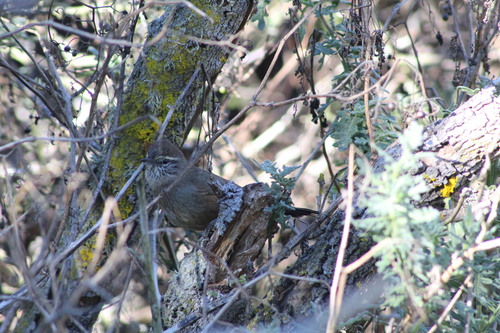 Dusky-tailed Canastero
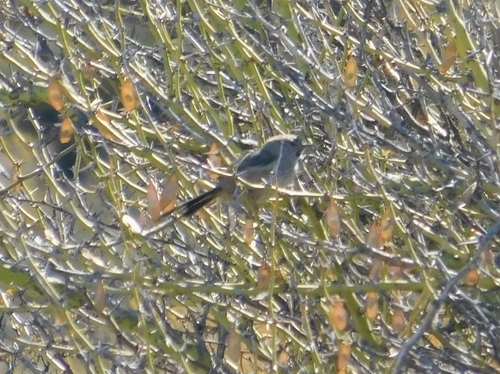 Patagonian Canastero
In breve
Il segno distintivo più affidabile per separare il Dusky-tailed Canastero e il Patagonian Canastero è la colorazione della coda e del sopracciglio, specialmente negli uccelli in posa o in cerca di cibo. Il Dusky-tailed Canastero mostra una coda più marrone con punte fuscous scure e un sopracciglio rufescente (specialmente nei giovani), mentre il Patagonian Canastero ha una coda grigio-marrone più scura con piume esterne castanee e un sopracciglio più chiaro, meno rufescente. Entrambi sono simili in dimensioni e struttura generale, ma il Dusky-tailed è più pesante e spesso appare più robusto. Il motivo del viso e le striature delle parti inferiori aiutano anche: il Dusky-tailed ha un supercilium bianco stretto e caratteristiche facciali scure più prominenti, mentre il Patagonian ha un viso più chiaro con un supercilium meno distinto. L'habitat e l'areale sono indizi forti: il Dusky-tailed è cileno, il Patagonian è argentino, con poco sovrapposizione.
Consigli di identificazione
- Tail and rump color: Il Dusky-tailed Canastero (specialmente i giovani) mostra un sopracciglio rufescente e una coda più marrone con punte fuscous scure; il Patagonian Canastero ha un sopracciglio più chiaro e una coda che è grigio-marrone scuro con castano solo sulle piume esterne. Questo è spesso visibile quando l'uccello è in posa o muove la coda.
- Facial pattern: Il Dusky-tailed ha un supercilium bianco stretto su un viso grigio-marrone scuro con deboli striature chiare, dando un aspetto più contrastante e 'mascherato'. Il Patagonian ha un viso più chiaro, con un supercilium meno distinto e una sottile linea scura dietro l'occhio, risultando in un'espressione facciale più semplice e morbida.
- Crown and back: Il Dusky-tailed ha una corona marrone scuro e un dorso leggermente più chiaro, mentre la corona e il dorso del Patagonian sono grigio-marrone chiaro, facendolo apparire più grigio nel complesso.
- Wing coloration: Le ali del Dusky-tailed corrispondono al dorso nel colore, con un rufescente opaco sulla spalla; le ali del Patagonian sono più marroni con bordi rufescenti, ma il contrasto è meno marcato rispetto al Dusky-tailed.
- Underpart streaking: Il Dusky-tailed mostra macchie nere sulla gola biancastra e striature nere più evidenti sulla parte superiore del petto, con deboli striature chiare sulla parte inferiore del petto. Il Patagonian ha macchie e striature nere solo sulla gola, con il resto delle parti inferiori molto meno striate e più chiare.
- Flank and undertail color: Il Dusky-tailed ha fianchi marroni rufescenti e copritrici della coda più scure; i fianchi e la coda del Patagonian sono fulvi a fulvo-rufescenti, ma meno ricchi o scuri rispetto al Dusky-tailed.
- Juvenile marks: I giovani Dusky-tailed Canasteros sono ancora più rufescenti sul sopracciglio e sulla coda, e hanno meno striature nelle parti inferiori rispetto agli adulti. Questo è un segno chiave se vedi un uccello particolarmente caldo.
- Bill and legs: Entrambe le specie hanno una colorazione simile del becco e delle gambe (scura/grigia), non utile per la separazione.
- Size and shape: Il Dusky-tailed è più pesante e può sembrare più robusto, ma entrambi sono simili in lunghezza e struttura; la dimensione è solo un debole indizio a meno che gli uccelli non siano affiancati.
- Geographic location: Se sei in Cile, specialmente a nord o al centro, stai quasi certamente vedendo il Dusky-tailed. In Argentina, specialmente in Patagonia, sarà il Patagonian. Non c'è sovrapposizione regolare.
- Habitat context: Il Dusky-tailed preferisce arbusteti aridi a semi-aridi e bordi forestali, spesso a elevate altitudini; il Patagonian è un uccello della steppa patagonica e degli habitat cespugliosi. Se sei in un tipico matorral cileno o al limite del deserto, è il Dusky-tailed.
- Sex and season: Entrambe le specie sono sessualmente monomorfiche, e il piumaggio non cambia stagionalmente in un modo che aiuti l'identificazione.
- Flight views: Non ci sono segni distintivi sulle ali superiori o sul modello di volo descritti per nessuna delle due specie; l'identificazione in volo si basa sull'impressione generale del colore e sul contrasto coda/sopracciglio.
- Vocalizations: Non sono fornite differenze diagnostiche nelle note; non fare affidamento sulla voce per la separazione con le informazioni attuali.
- Common pitfalls: Fai attenzione a sottovalutare i toni rufescenti nel Dusky-tailed, specialmente nei giovani, e a sovrastimare il castano nella coda del Patagonian, che è per lo più confinato alle piume esterne.
Taglia
Il Dusky-tailed Canastero è notevolmente più pesante (media 22.5g) rispetto al Patagonian Canastero (media 16g), anche se entrambi sono simili in lunghezza (14–16 cm per il Dusky-tailed, 14–15 cm per il Patagonian). Sul campo, il Dusky-tailed può apparire più robusto o massiccio, mentre il Patagonian può sembrare più snello. Questa differenza è sottile a meno che gli uccelli non siano affiancati, ma può essere evidente con l'esperienza.
Piumaggio
- Juvenile/immature birds: I giovani Dusky-tailed Canastero hanno un sopracciglio e una coda più rufescenti rispetto agli adulti, con meno striature nelle parti inferiori e un tono generalmente più caldo. I giovani Patagonian Canastero non sono descritti in dettaglio, ma gli adulti mancano di forti toni rufescenti sul sopracciglio e sulla coda, mostrando invece castano solo sulle piume esterne della coda.
- Adults: Il Dusky-tailed Canastero mostra un supercilium bianco stretto su un viso grigio-marrone scuro, una corona marrone scuro e un dorso leggermente più chiaro con una sfumatura rufescente sul sopracciglio. Le ali sono marroni con un rufescente opaco sulla spalla, e la coda è per lo più marrone con punte fuscous scure, tranne per le piume esterne che sono nere fuscous. Le parti inferiori sono striate sulla gola e sulla parte superiore del petto, con fianchi e copritrici della coda marroni rufescenti.
Gli adulti del Patagonian Canastero hanno un viso più chiaro, marrone grigio chiaro con un supercilium debole e una linea più scura dietro l'occhio, una corona e parti superiori grigio-marrone chiaro, ali più marroni con bordi rufescenti, e una coda che è grigio-marrone scuro con castano sulle piume esterne. Le parti inferiori sono meno striate, con il petto grigio chiaro, il ventre grigio chiaro, e fianchi/copritrici della coda fulvi a fulvo-rufescenti. - Key contrast: Il Dusky-tailed è più marrone e più rufescente nel complesso, specialmente sul sopracciglio, sui fianchi e sulla coda, e con più contrasto facciale; il Patagonian è più chiaro, più grigio e meno striato sotto.
Comportamento
Entrambe le specie cercano cibo in habitat cespugliosi o arbustivi, spesso a bassa quota e in copertura densa. Non ci sono forti separazioni comportamentali nelle note disponibili, anche se il Dusky-tailed Canastero è descritto come schivante aree popolate, il che potrebbe renderlo meno probabile da vedere vicino agli insediamenti umani rispetto ad altri canasteros.
Habitat
Il Dusky-tailed Canastero è strettamente cileno, trovato in arbusteti aridi a semi-aridi, steppe e bordi di foreste secche dall'Atacama a sud fino all'Araucanía, evitando per lo più aree popolate. Il Patagonian Canastero è endemico dell'Argentina, occupando steppe e habitat cespugliosi in Patagonia. Se sei in Cile, specialmente nelle regioni settentrionali o centrali, stai quasi certamente vedendo il Dusky-tailed; se sei in Patagonia argentina, sarà il Patagonian. La sovrapposizione degli habitat è estremamente improbabile, eccetto forse vicino alle Ande nel sud del Cile/Argentina, ma anche lì, i registri non suggeriscono una sovrapposizione regolare.
Dusky-tailed Canastero · Patagonian Canastero · I miei uccelli difficili