

Motmot

ハバシトビ 対 ムシクイトビ

Harpagus bidentatus 対 Ictinia plumbea

ハバシトビとムシクイトビのクイズ
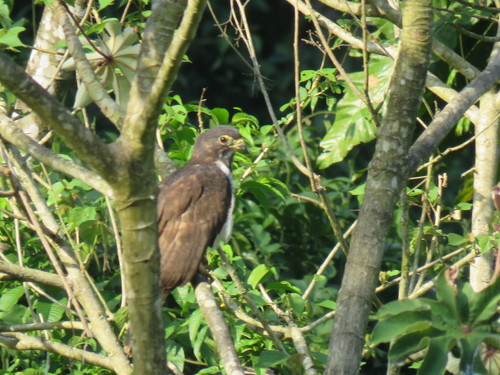
ハバシトビ (Harpagus bidentatus) ハバシトビ
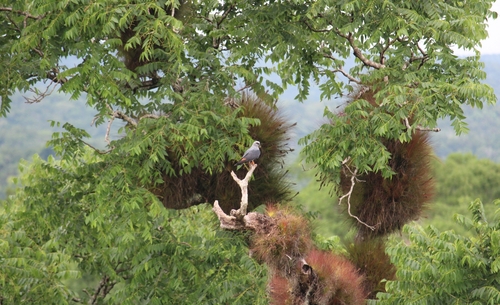
ムシクイトビ (Ictinia plumbea) ムシクイトビ

メディア

読み込み中…

要点

未熟のハバシトビは深い茶色の上面と大胆な縦の筋模様を示し、未熟のムシクイトビは白い筋模様のある灰色の上面と暗い筋模様のある白っぽい下面を持っています。成鳥では、最も信頼できるフィールドマークは、ムシクイトビの飛行中に見える赤褐色の一次羽の斑点であり、ハバシトビにはこれがありません。ハバシトビは、白い喉と中央の暗いストライプを持つ特徴的な暗灰色の頭部と、より赤褐色の体を持ち、ムシクイトビはより均一なスレートグレーで、頭部と下面はより淡いです。ムシクイトビは明らかに重く、長く尖った翼を持ち、異なる飛行プロファイルに寄与しています。両種は赤い目と縞模様の尾を持っていますが、尾の縞模様の詳細と脚の色は異なります。

識別のコツ

  1. 未熟の羽色: 未熟のハバシトビは深い茶色の上面と白っぽいからバフ色の下面に大胆な縦の茶色の筋模様を持っています。未熟のムシクイトビは上面が灰色で白い筋模様があり、下面は暗い筋模様のある白っぽい色で、ハバシトビの豊かな茶色と強い縦の筋模様が欠けています。これは、筋模様のある茶色がかった若い猛禽類に使用してください。
  2. 成鳥の飛行パターン: 飛行中、成鳥のムシクイトビは一次羽の基部に赤褐色の斑点を示し、下から見ることができます—ハバシトビはこれを示しません。このマークは成鳥と古い未熟個体に信頼できます。
  3. 頭部と喉: ハバシトビは白い喉と明確な中央の暗いストライプを持つ暗灰色の頭部を持っています。ムシクイトビの頭部は淡い灰色で、下面に滑らかに溶け込み、強い喉のストライプが欠けています。
  4. 下面の色: ハバシトビの成鳥は灰色と白っぽい縞模様のある赤褐色の胸と腹を持ち(時には広範囲にわたる)、ムシクイトビはより均一なスレートグレーで、淡い、あまり赤褐色でない下面を持っています。
  5. 尾の模様: 両種は縞模様の尾を持っていますが、ハバシトビの尾は黒っぽく、3本の灰色の帯と灰色の先端を持ち、ムシクイトビの尾は短く、黒く、下から見ると2〜3本の白い帯を示します。
  6. 脚とクチバシの色: ハバシトビは黄色の脚と緑がかった黄色のクチバシを持ち、ムシクイトビはオレンジ色の脚を持っています。
  7. 目の色: 両者は成鳥として赤い目を持っているため、これは区別にはなりません。
  8. クチバシの形: ハバシトビは上顎に切れ込みのある「二重歯」のクチバシを持っていますが、これは微妙で、野外ではほとんど見えません。
  9. 翼の形と飛行スタイル: ムシクイトビは長く尖った翼を持ち、浮遊感のある凧のような飛行をし、しばしば滑空します。ハバシトビはよりコンパクトで、短い翼を持ち、よりタカのような飛行をし、しばしば羽ばたきと滑空をします。
  10. サイズと構造: ムシクイトビは大きくて重い(247 g対195 g)で、体と翼幅が長く、より流線型に見えます。ハバシトビは小さくてよりコンパクトです。
  11. 止まり方: ハバシトビはしばしば中層で直立して止まり、時にはサルを追いかけます。ムシクイトビはよりオープンに止まることがあり、滑空しているのが見られる可能性が高いです。
  12. 生息地: ハバシトビはより厳密に森林の種であり、ムシクイトビはエッジやオープンエリアを含むより広範囲な森林生息地を利用します。
  13. 声: 「シーシーウー」という笛のような声を聞いたら、それはムシクイトビです。ハバシトビの声の欠如は診断的ではありません。
  14. 季節性: ムシクイトビはその分布の北部で移動性であるため、これらの地域での季節外れの記録はハバシトビを支持する可能性があります。
  15. 一般的な落とし穴: 未熟のムシクイトビは下面が筋模様に見えることがありますが、その筋模様は未熟のハバシトビのように大胆または茶色調ではありません。成鳥のハバシトビの赤褐色の下面と喉のストライプはムシクイトビには一致しません。ムシクイトビの飛行中の赤褐色の一次羽の斑点と、ハバシトビの喉の模様を常に確認してください。

大きさ

ムシクイトビは2種の中で大きくて重い方で、体重は平均247 g、ハバシトビは195 gです。ムシクイトビは34〜37.5 cmの長さで、ハバシトビは29〜35 cmとやや小さいです。ハバシトビの翼幅は60〜72 cmですが、ムシクイトビの長く尖った翼は、飛行中により流線型で凧のように見えます。ハバシトビは全体的によりコンパクトで、相対的に短い尾とあまり目立たない翼の突出があります。

羽色

未熟の鳥は最も簡単に区別できます:未熟のハバシトビは深い茶色の上面と白っぽいからバフ色の下面に大胆な縦の茶色の筋模様を持ち、強いコントラストと筋模様のある外観を与えます。対照的に、未熟のムシクイトビは白い筋模様のある灰色の上面と暗い筋模様のある白っぽい下面を示し、ハバシトビの豊かな茶色のトーンと縦の筋模様が欠けています。成鳥では、ハバシトビは暗灰色の頭部、中央の暗いストライプのある白い喉、灰色と白っぽい縞模様のある赤褐色の胸と腹を示します(いくつかの亜種ではより広範囲にわたる)。尾は黒っぽく、3本の灰色の帯と灰色の先端を持ちます。ムシクイトビの成鳥はより均一なスレートグレーで、淡い頭部と下面を持ち、下から見ると2〜3本の白い帯が見える短い黒い尾を持っています。成鳥の重要なマークは、ムシクイトビの飛行中の赤褐色の一次羽の斑点であり、これはハバシトビにはありません。両種は赤い目を持っていますが、ハバシトビは緑がかった黄色のクチバシと黄色の脚/足を持ち、ムシクイトビの脚はオレンジ色です。

行動

両種は敏捷で昆虫を食べる猛禽類ですが、ムシクイトビはしばしば長く尖った翼で滑空し、浮遊感のある凧のような飛行をします。ハバシトビはしばしば中層で静かに止まっているのが見られたり、サルの群れを追いかけて捕食された獲物を捕まえたりすることが多く、その飛行はよりタカのようで、羽ばたきと滑空のバーストが見られます。ムシクイトビはしばしば空中で昆虫を捕まえ、時には止まり木から飛び出すことがあり、オープンな空間で見られる可能性が高いです。

生息環境

両種は広く分布が重なり、メキシコから南アメリカの北部および東部の多くの地域で見られます。ハバシトビは森林生息地を好み、特に内部とエッジに関連しており、しばしばサルの群れと関連しています。ムシクイトビはより柔軟で、森林のエッジ、オープンな森林、時には水の近くなど、より広範囲な森林生息地に生息します。ムシクイトビはまた、その分布の北部で移動性であり、ハバシトビは全域に居住しています。

声

ムシクイトビは「シーシーウー」と表現される特徴的な笛のような鳴き声を出します。これらの情報源ではハバシトビの特定の鳴き声は記載されていないため、声はムシクイトビの鳴き声が聞かれた場合にのみ信頼できる区別となります。

より良い説明を送る

比較と同じ項目を使ってください。文章はすぐに公開されます。

Immature Double-toothed Kites show deep brown upperparts and bold vertical streaks below, while immature Plumbeous Kites have white-streaked gray upperparts and dark-streaked whitish underparts. In adults, the most reliable field mark is the rufous primary patch visible in flight on Plumbeous Kite, which Double-toothed Kite lacks. Double-toothed Kites have a distinctive dark gray head with a white throat and central dark stripe, and a more rufous-toned underbody, while Plumbeous Kites are more uniformly slate-gray with a paler head and underparts. Plumbeous Kite is noticeably heavier and has longer, more pointed wings, contributing to a different flight profile. Both species have red eyes and banded tails, but tail banding details and leg color differ.

  1. Immature plumage: Immature Double-toothed Kite has deep brown upperparts and bold vertical brown streaks on whitish to buff underparts. Immature Plumbeous Kite is gray above with white streaks and whitish below with dark streaks, lacking the rich brown and strong vertical streaking of Double-toothed. Use this for any streaky, brownish young raptor.
  2. Adult flight pattern: In flight, adult Plumbeous Kite shows a rufous patch at the base of the primaries, visible from below—Double-toothed Kite never shows this. This mark is reliable for adults and older immatures.
  3. Head and throat: Double-toothed Kite has a dark gray head with a white throat and a distinct central dark stripe. Plumbeous Kite's head is paler gray, blending smoothly into the underparts, and lacks a strong throat stripe.
  4. Underparts color: Double-toothed Kite adults have a rufous breast and belly with gray and whitish barring (sometimes extensive), while Plumbeous Kite is more uniformly slate-gray with paler, less rufous underparts.
  5. Tail pattern: Both species have banded tails, but Double-toothed Kite's tail is blackish with three grayish bands and a gray tip, while Plumbeous Kite's tail is short, black, and shows 2–3 white bands from below.
  6. Leg and cere color: Double-toothed Kite has yellow legs and a greenish yellow cere; Plumbeous Kite has orange legs.
  7. Eye color: Both have red eyes as adults, so this is not a separator.
  8. Bill shape: Double-toothed Kite has a 'double-toothed' bill with notches on the maxilla, but this is subtle and rarely visible in the field.
  9. Wing shape and flight style: Plumbeous Kite has long, pointed wings and a buoyant, kite-like flight, often soaring. Double-toothed Kite is more compact, with shorter wings and a more accipiter-like flight, often flapping and gliding.
  10. Size and structure: Plumbeous Kite is larger and heavier (247 g vs 195 g), with a longer body and wingspan, and appears more streamlined. Double-toothed Kite is smaller and more compact.
  11. Perched posture: Double-toothed Kite often perches upright in the midstory, sometimes following monkeys. Plumbeous Kite may perch more openly and is more likely to be seen soaring.
  12. Habitat: Double-toothed Kite is more strictly a forest species, while Plumbeous Kite uses a wider range of wooded habitats, including edges and open areas.
  13. Voice: If you hear a whistled 'si-see-oo,' it is Plumbeous Kite. Lack of vocalization is not diagnostic for Double-toothed.
  14. Seasonality: Plumbeous Kite is migratory in the north of its range, so out-of-season records in those areas may favor Double-toothed Kite.
  15. Common pitfalls: Immature Plumbeous Kite can appear streaky below, but the streaking is never as bold or brown-toned as in immature Double-toothed. Adult Double-toothed's rufous underparts and throat stripe are not matched by Plumbeous. Always check for the rufous primary patch in flight for Plumbeous, and the throat pattern for Double-toothed.

Plumbeous Kite is the larger and heavier of the two, with a body mass averaging 247 g compared to Double-toothed Kite's 195 g. Plumbeous Kite measures 34–37.5 cm in length, while Double-toothed Kite is slightly smaller at 29–35 cm. The wingspan of Double-toothed Kite is 60–72 cm, but Plumbeous Kite's longer, pointed wings make it appear more streamlined and kite-like in flight. Double-toothed Kite is more compact overall, with a proportionally shorter tail and less pronounced wing projection.

Immature birds are the most easily separated: Immature Double-toothed Kites have deep brown upperparts and bold vertical brown streaks on whitish to buff underparts, giving a strong contrast and a streaky look below. Immature Plumbeous Kites, by contrast, show white-streaked gray upperparts and dark-streaked whitish underparts, lacking the rich brown tones and vertical streaking of Double-toothed. In adults, Double-toothed Kite shows a dark gray head, white throat with a central dark stripe, and rufous breast and belly with gray and whitish barring (more extensive in some subspecies). The tail is blackish with three grayish bands and a gray tip. Plumbeous Kite adults are more uniformly slate-gray, with a paler head and underparts, and a short black tail with 2–3 white bands visible from below. A key adult mark is the rufous primary patch in flight on Plumbeous Kite, which is absent in Double-toothed. Both species have red eyes, but Double-toothed Kite has a greenish yellow cere and yellow legs/feet, while Plumbeous Kite's legs are orange.

Both species are agile, insect-eating raptors, but Plumbeous Kite often soars and glides on long, pointed wings, giving a buoyant, kite-like flight. Double-toothed Kite is more likely to be seen perched quietly in the midstory or following troops of monkeys to catch disturbed prey, and its flight is more accipiter-like with bursts of flapping and gliding. Plumbeous Kite frequently catches insects on the wing, sometimes sallying out from a perch, and is more likely to be seen in open airspace.

Both species overlap broadly in range and can be found from Mexico through much of northern and eastern South America. Double-toothed Kite prefers forested habitats, especially interior and edge, and is often associated with monkey troops. Plumbeous Kite is more flexible, occurring in a wider range of wooded habitats, including forest edges, open woodlands, and sometimes near water. Plumbeous Kite is also migratory in the northern part of its range, while Double-toothed Kite is resident throughout.

Plumbeous Kite gives a distinctive whistled call, described as 'si-see-oo.' No specific vocalization is noted for Double-toothed Kite in these sources, so voice is only a reliable separator if the Plumbeous Kite's call is heard.

変更を破棄しますか?

保存していない編集があります。今離れると失われます。

ハバシトビ · ムシクイトビ · 苦手な鳥