

Double-toothed Kite vs Plumbeous Kite
Harpagus bidentatus contro Ictinia plumbea
Fai un quiz con Double-toothed Kite e Plumbeous Kite
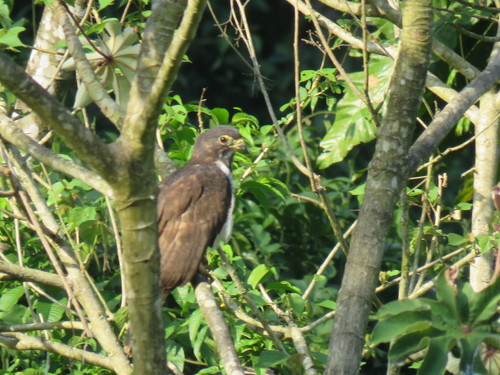 Double-toothed Kite
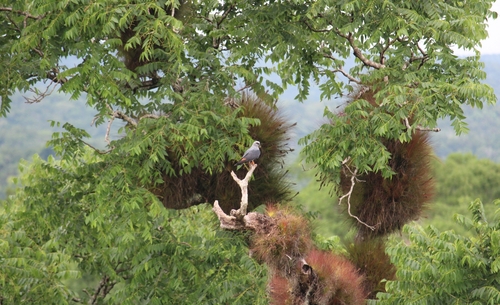 Plumbeous Kite
In breve
I giovani Double-toothed Kite mostrano parti superiori di un marrone profondo e strisce verticali audaci sotto, mentre i giovani Plumbeous Kite hanno parti superiori grigie striate di bianco e parti inferiori bianche striate di scuro. Negli adulti, il segno distintivo più affidabile è la macchia rugginosa primaria visibile in volo sul Plumbeous Kite, che il Double-toothed Kite non ha. I Double-toothed Kite hanno una testa grigia scura distintiva con una gola bianca e una striscia centrale scura, e un corpo inferiore di tonalità più rugginosa, mentre i Plumbeous Kite sono più uniformemente grigio ardesia con una testa e parti inferiori più chiare. Il Plumbeous Kite è notevolmente più pesante e ha ali più lunghe e appuntite, contribuendo a un profilo di volo diverso. Entrambe le specie hanno occhi rossi e code a bande, ma i dettagli delle bande della coda e il colore delle gambe differiscono.
Consigli di identificazione
- Immature plumage: Il giovane Double-toothed Kite ha parti superiori di un marrone profondo e strisce verticali marroni audaci su parti inferiori bianche a beige. Il giovane Plumbeous Kite è grigio sopra con strisce bianche e bianco sotto con strisce scure, mancando dei toni marroni ricchi e delle forti strisce verticali del Double-toothed. Usa questo per qualsiasi giovane rapace striato e marrone.
- Adult flight pattern: In volo, il Plumbeous Kite adulto mostra una macchia rugginosa alla base delle primarie, visibile dal basso—il Double-toothed Kite non mostra mai questo. Questo segno è affidabile per gli adulti e i giovani più grandi.
- Head and throat: Il Double-toothed Kite ha una testa grigia scura con una gola bianca e una distintiva striscia centrale scura. La testa del Plumbeous Kite è grigia più chiara, fondendosi senza soluzione di continuità nelle parti inferiori, e manca di una forte striscia sulla gola.
- Underparts color: Gli adulti del Double-toothed Kite hanno un petto e una pancia rugginosa con barrature grigie e bianche (a volte estese), mentre il Plumbeous Kite è più uniformemente grigio ardesia con parti inferiori più chiare e meno rugginose.
- Tail pattern: Entrambe le specie hanno code a bande, ma la coda del Double-toothed Kite è nerastro con tre bande grigie e una punta grigia, mentre la coda del Plumbeous Kite è corta, nera, e mostra 2–3 bande bianche dal basso.
- Leg and cere color: Il Double-toothed Kite ha gambe gialle e una cere giallo-verdastra; il Plumbeous Kite ha gambe arancioni.
- Eye color: Entrambi hanno occhi rossi da adulti, quindi questo non è un separatore.
- Bill shape: Il Double-toothed Kite ha un becco 'doppio dentato' con intagli sulla mascella, ma questo è sottile e raramente visibile sul campo.
- Wing shape and flight style: Il Plumbeous Kite ha ali lunghe e appuntite e un volo leggero, simile a un aquilone, spesso planando. Il Double-toothed Kite è più compatto, con ali più corte e un volo più simile a un accipitriforme, spesso battendo e planando.
- Size and structure: Il Plumbeous Kite è più grande e più pesante (247 g contro 195 g), con un corpo e un'apertura alare più lunghi, e appare più snodato. Il Double-toothed Kite è più piccolo e più compatto.
- Perched posture: Il Double-toothed Kite spesso si posa eretto nel sottobosco, a volte seguendo le scimmie. Il Plumbeous Kite può posarsi più apertamente ed è più probabile che venga visto planare.
- Habitat: Il Double-toothed Kite è più strettamente una specie forestale, mentre il Plumbeous Kite utilizza una gamma più ampia di habitat boschivi, comprese le aree di confine e le aree aperte.
- Voice: Se senti un fischio 'si-see-oo,' è il Plumbeous Kite. La mancanza di vocalizzazione non è diagnostica per il Double-toothed.
- Seasonality: Il Plumbeous Kite è migratorio nel nord del suo areale, quindi le registrazioni fuori stagione in quelle aree possono favorire il Double-toothed Kite.
- Common pitfalls: Il giovane Plumbeous Kite può apparire striato sotto, ma le striature non sono mai così audaci o di tonalità marrone come nel giovane Double-toothed. Le parti inferiori rugginose e la striscia sulla gola dell'adulto Double-toothed non sono eguagliate dal Plumbeous. Controlla sempre la macchia rugginosa primaria in volo per il Plumbeous e il motivo della gola per il Double-toothed.
Taglia
Il Plumbeous Kite è il più grande e più pesante dei due, con una massa corporea media di 247 g rispetto ai 195 g del Double-toothed Kite. Il Plumbeous Kite misura 34–37,5 cm di lunghezza, mentre il Double-toothed Kite è leggermente più piccolo a 29–35 cm. L'apertura alare del Double-toothed Kite è di 60–72 cm, ma le ali più lunghe e appuntite del Plumbeous Kite lo fanno apparire più snodato e simile a un aquilone in volo. Il Double-toothed Kite è più compatto nel complesso, con una coda proporzionalmente più corta e una proiezione delle ali meno pronunciata.
Piumaggio
Gli uccelli giovani sono i più facilmente separabili: I giovani Double-toothed Kite hanno parti superiori di un marrone profondo e strisce verticali marroni audaci su parti inferiori bianche a beige, dando un forte contrasto e un aspetto striato sotto. I giovani Plumbeous Kite, al contrario, mostrano parti superiori grigie striate di bianco e parti inferiori bianche striate di scuro, mancando dei toni marroni ricchi e delle striature verticali del Double-toothed. Negli adulti, il Double-toothed Kite mostra una testa grigia scura, una gola bianca con una striscia centrale scura, e un petto e una pancia rugginosa con barrature grigie e bianche (più estese in alcune sottospecie). La coda è nerastro con tre bande grigie e una punta grigia. Gli adulti del Plumbeous Kite sono più uniformemente grigio ardesia, con una testa e parti inferiori più chiare, e una coda nera corta con 2–3 bande bianche visibili dal basso. Un segno chiave per gli adulti è la macchia rugginosa primaria in volo sul Plumbeous Kite, che è assente nel Double-toothed. Entrambe le specie hanno occhi rossi, ma il Double-toothed Kite ha una cere giallo-verdastra e gambe/piedi gialli, mentre le gambe del Plumbeous Kite sono arancioni.
Comportamento
Entrambe le specie sono rapaci agili che si nutrono di insetti, ma il Plumbeous Kite spesso plana e scivola su ali lunghe e appuntite, dando un volo leggero, simile a un aquilone. Il Double-toothed Kite è più probabile che venga visto posato tranquillamente nel sottobosco o seguendo gruppi di scimmie per catturare prede disturbate, e il suo volo è più simile a un accipitriforme con esplosioni di battito d'ali e planata. Il Plumbeous Kite cattura frequentemente insetti in volo, a volte lanciandosi da un posatoio, ed è più probabile che venga visto in spazi aerei aperti.
Habitat
Entrambe le specie si sovrappongono ampiamente nel loro areale e possono essere trovate dal Messico attraverso gran parte del Sud America settentrionale e orientale. Il Double-toothed Kite preferisce habitat forestali, specialmente interni e di confine, ed è spesso associato a gruppi di scimmie. Il Plumbeous Kite è più flessibile, presente in una gamma più ampia di habitat boschivi, comprese le aree di confine forestale, boschi aperti e talvolta vicino all'acqua. Il Plumbeous Kite è anche migratorio nella parte settentrionale del suo areale, mentre il Double-toothed Kite è residente in tutto.
Voce
Il Plumbeous Kite emette un richiamo fischiato distintivo, descritto come 'si-see-oo.' Nessuna vocalizzazione specifica è nota per il Double-toothed Kite in queste fonti, quindi la voce è solo un separatore affidabile se si sente il richiamo del Plumbeous Kite.
Double-toothed Kite · Plumbeous Kite · I miei uccelli difficili