

Motmot

スナヒバリ 対 アラビアヒバリ

Ammomanes deserti 対 Eremalauda eremodites

スナヒバリとアラビアヒバリのクイズ
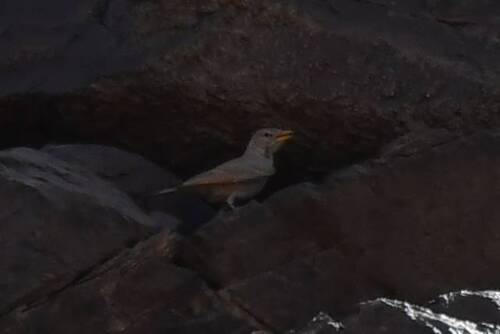
スナヒバリ (Ammomanes deserti) スナヒバリ
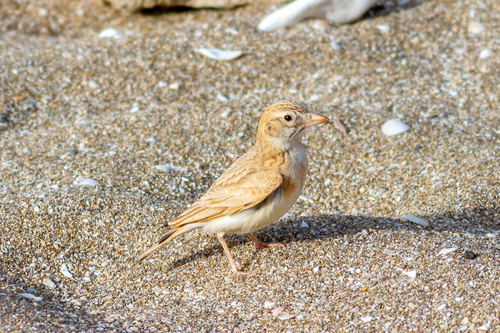
アラビアヒバリ (Eremalauda eremodites) アラビアヒバリ

メディア

読み込み中…

要点

デザートヒバリとアラビアヒバリを区別する最も信頼できるフィールドマークは、飛行中の尾羽のパターンです:アラビアヒバリは明らかに黒っぽい外尾羽を示しますが、デザートヒバリは明確な黒い尾帯がなく、ぼんやりとした暗い斑点しか見せないことがあります。地上では、アラビアヒバリはずんぐりしており、膨らんだ均一なピンク色のくちばしと、平坦な砂色の上面を持っていますが、デザートヒバリは色がより変動し、長くて細いくちばしとより縞模様のある腹部を持っています。デザートヒバリは翼や尾に赤褐色を示すことがありますが、アラビアヒバリの上面はより単調で縞模様が少ないです。声や行動も追加の手がかりを提供しますが、尾羽のパターンとくちばしの形が最も一貫したフィールドマークです。

識別のコツ

  1. Tail pattern in flight: アラビアヒバリは飛行中に特に明らかに黒っぽい外尾羽を示します;デザートヒバリは鋭く定義された黒い尾帯がなく、ぼんやりとした暗い斑点しか見せないことがあります。これはすべての年齢に対して最も信頼できるフィールドマークです。
  2. Bill shape and color: アラビアヒバリは膨らんだ均一なピンク色のくちばしを持ち、短くて太く見えます;デザートヒバリのくちばしは長く、細く、膨らみが少なく、色も目立ちません。このマークは近距離で止まっている鳥に対して視認可能です。
  3. Upperpart color: アラビアヒバリは上面が単調な砂色で、縞模様が少ないです;デザートヒバリはより変動し、淡い灰色がかった茶色から濃い茶色まで変わり、時には赤褐色のトーンを持ち、特に腹部でより縞模様が多いです。
  4. Facial markings: アラビアヒバリは顔に暗い口ひげのようなストライプを持っていますが、デザートヒバリにはそれがないか、あまり目立ちません。
  5. Underpart streaking: デザートヒバリはアラビアヒバリよりも腹部に縞模様が多く、アラビアヒバリは一般的に下部がより淡く、目立たないです。
  6. Wing and tail rufous: デザートヒバリは翼や尾に赤褐色を示すことがありますが、特にいくつかの亜種で;アラビアヒバリの翼と尾はより単調で、強い赤褐色のトーンがありません。
  7. Body structure: アラビアヒバリはずんぐりしており、よりコンパクトで、短い尾とずんぐりした外見を持っています;デザートヒバリは長い尾を持ち、大きな頭とより太い脚を持っています。
  8. Behavior: アラビアヒバリは短いバーストで地面を走り、急に止まることが多いです;デザートヒバリの動きはあまり特徴的ではありませんが、岩から歌ったり、波打つように飛ぶことが見られます。
  9. Song: デザートヒバリの歌はより旋律的で悲しげですが、アラビアヒバリの歌は穏やかなさざ波のようです;呼び声も異なり、アラビアヒバリは低いガラガラ音と二音の口笛を出します。
  10. Habitat context: 岩や玄武岩の砂漠にいる場合、デザートヒバリの可能性が高いです;砂の多い開けた砂漠ではアラビアヒバリが好まれますが、これは分布が重なる場所では診断的ではありません。
  11. Group size: 両種は繁殖中は通常孤独またはペアで見られますが、アラビアヒバリはシーズン外に小さな群れを形成することがあります。
  12. Sex and age: どちらの種にも強い性的二形や年齢特有のマークは記載されていないため、すべてのフィールドマークは成鳥と幼鳥に適用されます。
  13. Plumage variability: デザートヒバリは色が非常に変動するため、アラビアヒバリに似た淡いまたは暗い個体に注意してください;確認のためには尾とくちばしに頼ってください。
  14. Confusion with クロオビスナヒバリ: 両種はクロオビスナヒバリと混同されることがありますが、尾羽のパターン、くちばしの形、腹部の縞模様の組み合わせがデザートヒバリとアラビアヒバリを区別し、クロオビスナヒバリとも区別します。
  15. When in doubt: 最も信頼できる区別のために、飛行中の尾羽のパターンと止まっている鳥のくちばしの形を優先してください。

大きさ

デザートヒバリはやや大きく、全長は16〜17 cmで、大きな頭と長いくちばしを持っています。アラビアヒバリはずんぐりしており、大きなくちばしを持っていますが、全体的には一般的に小さいです。両種はヒバリとしては頑丈ですが、デザートヒバリの比率はより細長く、尾が長く、脚が太いのに対し、アラビアヒバリはよりコンパクトでずんぐりしています。

羽色

飛行中、最も診断的な特徴は尾羽です:アラビアヒバリは黒っぽい外尾羽を持ち、空中にいるときに非常に目立ちますが、デザートヒバリは鋭く定義された黒い尾帯がなく、代わりにぼんやりとした暗い斑点しか見せないことがあります。地上では、アラビアヒバリの上面は単調な砂色で、淡い模様があり、顔には暗い口ひげのようなストライプがあります;その腹部はより淡く、縞模様が少ないです。デザートヒバリは非常に変動し、上面は淡い灰色がかった茶色から濃い茶色まで変わり、時には翼や尾に赤褐色のトーンを持ち、常にアラビアヒバリよりも腹部でより多くの縞模様があります。アラビアヒバリのくちばしは膨らんでおり、ピンクがかっており、デザートヒバリの長く、細く、膨らみが少ないくちばしと対照的です。両性は各種で似ており、これらのマークに関して強い季節的または年齢特有の変動は記載されていません。

行動

アラビアヒバリは通常、地面で短いバーストで動き、急に止まることが多く、繁殖期には通常一人またはペアで見られ、時には小さな群れで見られます。デザートヒバリの行動はあまり具体的には記載されていませんが、地面や岩から歌ったり、波打つように飛ぶことが知られています。両種は地面に生息し、開けた砂漠の風景に適応しています。

生息環境

両種は砂漠の専門家ですが、その分布は部分的にしか重なりません。デザートヒバリはモロッコから西インドまで広く分布し、広範な砂漠および準砂漠の生息地を占めており、地元の羽毛の変動は基盤の色(砂、岩、または玄武岩)に合わせています。アラビアヒバリはアラビア半島および隣接地域により制限されており、シリアからオマーンまで、砂の多い砂漠の生息地に見られます。生息地だけでは分布が重なる場所では診断的ではありませんが、デザートヒバリは岩の多いまたは変化に富んだ砂漠の風景でより可能性が高いです。

声

デザートヒバリの歌は穏やかで悲しげな音符の連続(「チュウウィーチャチャウィー」)で、クロオビスナヒバリよりも squeaky ではなく、フラッシュされたときの呼び声は短い「チュリィ」または「チー・ルー」です。アラビアヒバリの歌は穏やかなさざ波のフレーズで、呼び声には低いガラガラ音と柔らかい二音の口笛が含まれます。両種は地面からまたはディスプレイ飛行中に歌いますが、デザートヒバリの歌はより旋律的で、アラビアヒバリの歌よりもガラガラ音が少ないです。声は役立つことがありますが、視覚的なマークと組み合わせて使用するのが最も良いです。

より良い説明を送る

比較と同じ項目を使ってください。文章はすぐに公開されます。

The most reliable field mark to separate Desert Lark from Arabian Lark is the tail pattern in flight: Arabian Lark shows distinctly blackish outer tail feathers, while Desert Lark lacks a clear terminal black band and may only show a diffuse dark patch. On the ground, Arabian Lark is stockier with a bulbous, uniformly pink bill and a plain sandy-brown upperpart, whereas Desert Lark is more variable in color and has a longer, narrower bill and more streaked underparts. Desert Lark can show some rufous in the wings and tail, but Arabian Lark's upperparts are plainer and less streaked. Voice and behavior offer additional clues, but tail pattern and bill shape are the most consistent field marks.

  1. Tail pattern in flight: Arabian Lark shows blackish outer tail feathers, especially obvious when the bird is flying; Desert Lark lacks a sharply defined black tail band and may only show a diffuse dark patch. This is the single most reliable field mark for all ages.
  2. Bill shape and color: Arabian Lark has a swollen, bulbous, uniformly pink bill, which appears short and thick; Desert Lark's bill is longer, narrower, and less bulbous, with a less striking color. This mark is visible on perched birds at close range.
  3. Upperpart color: Arabian Lark is plain sandy-brown above, with little streaking; Desert Lark is more variable, ranging from pale greyish brown to deep brown, sometimes with rufous tones, and is often more streaked, especially on the underparts.
  4. Facial markings: Arabian Lark has a dark moustache-like stripe on the face, which is absent or less pronounced in Desert Lark.
  5. Underpart streaking: Desert Lark shows more streaking on the underparts than Arabian Lark, which is generally paler and less marked below.
  6. Wing and tail rufous: Desert Lark may show some rufous in the wings and tail, especially in some subspecies; Arabian Lark's wings and tail are plainer and lack strong rufous tones.
  7. Body structure: Arabian Lark is stockier and more compact, with a shorter tail and a squat appearance; Desert Lark is longer-tailed, big-headed, and has stouter legs.
  8. Behavior: Arabian Lark often runs in short bursts and stops abruptly; Desert Lark's movement is less distinctive but may be seen singing from rocks or in undulating flight.
  9. Song: Desert Lark's song is more melodious and mournful, while Arabian Lark's is a gentle burbling; calls also differ, with Arabian Lark giving a low rattle and two-note whistle.
  10. Habitat context: If in rocky or basaltic desert, Desert Lark is more likely; in sandy, open desert, Arabian Lark is favored, but this is not diagnostic where ranges overlap.
  11. Group size: Both are usually solitary or in pairs during breeding, but Arabian Lark may form small groups outside the season.
  12. Sex and age: No strong sexual dimorphism or age-specific marks are described for either species, so all field marks apply to adults and immatures alike.
  13. Plumage variability: Desert Lark is highly variable in color, so beware of pale or dark individuals that may resemble Arabian Lark; rely on tail and bill for confirmation.
  14. Confusion with Bar-tailed Lark: Both species can be confused with Bar-tailed Lark, but the combination of tail pattern, bill shape, and underpart streaking will separate Desert and Arabian from each other and from Bar-tailed.
  15. When in doubt: Prioritize tail pattern in flight and bill shape on perched birds for the most reliable separation.

Desert Lark is slightly larger, measuring 16–17 cm in length, and appears big-headed and long-billed. Arabian Lark is described as stocky and large-billed but is generally smaller overall. Both species are robust for larks, but Desert Lark's proportions are more elongated, with a longer tail and stouter legs, while Arabian Lark is more compact and squat.

In flight, the most diagnostic feature is the tail: Arabian Lark has blackish outer tail feathers, highly visible when the bird is airborne, while Desert Lark lacks a sharply defined black tail band and instead may show only a diffuse dark patch. On the ground, Arabian Lark's upperparts are plain sandy-brown with faint pale patterning and a dark moustache-like stripe on the face; its underparts are paler and less streaked. Desert Lark is highly variable, with upperparts ranging from pale greyish brown to deep brown, sometimes with rufous tones in the wings and tail, and always with more streaking below than Arabian Lark. The bill of Arabian Lark is swollen and pinkish, contrasting with Desert Lark's longer, narrower, and less bulbous bill. Both sexes are similar in each species, and there is no strong seasonal or age-specific variation described for these marks.

Arabian Lark typically moves in short bursts on the ground, running and stopping abruptly, and is usually seen alone or in pairs during the breeding season, sometimes in small groups otherwise. Desert Lark's behavior is less specifically described, but it is noted for singing from the ground or a boulder and for undulating flight. Both species are ground-dwelling and adapted to open desert landscapes.

Both species are desert specialists, but their ranges only partially overlap. Desert Lark is widespread from Morocco to western India, occupying a wide range of desert and semi-desert habitats, with local plumage variation matching substrate color (sandy, rocky, or basaltic). Arabian Lark is more restricted to the Arabian Peninsula and adjacent regions, from Syria to Oman, and is found in sandy desert habitats. Habitat alone is not diagnostic where ranges overlap, but Desert Lark is more likely in rocky or varied desert landscapes.

Desert Lark's song is a mellow, mournful series of notes ('choo-wee-chacha wooee'), less squeaky than Bar-tailed Lark, and its call when flushed is a short 'churree' or 'chee-lu.' Arabian Lark's song is a gentle burbling phrase, with calls including a low rattle and a soft two-note whistle. While both sing from the ground or in display flight, Desert Lark's song is more melodious and less rattling than Arabian Lark's. Voice can help, but is best used in combination with visual marks.

変更を破棄しますか?

保存していない編集があります。今離れると失われます。

スナヒバリ · アラビアヒバリ · 苦手な鳥