

Desert Lark vs Arabian Lark
Ammomanes deserti contro Eremalauda eremodites
Fai un quiz con Desert Lark e Arabian Lark
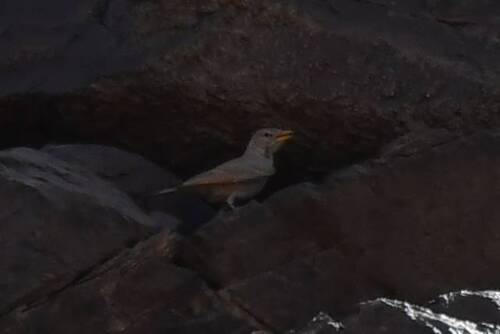 Desert Lark
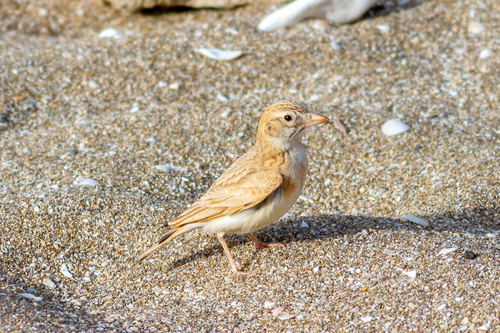 Arabian Lark
In breve
Il segno distintivo più affidabile per separare il Desert Lark dall'Arabian Lark è il modello della coda in volo: l'Arabian Lark mostra chiaramente piume esterne della coda di colore nerastro, mentre il Desert Lark non ha una chiara banda nera terminale e può mostrare solo una macchia scura diffusa. A terra, l'Arabian Lark è più robusto con un becco bulboso, uniformemente rosa e una parte superiore di colore sabbia-marrone semplice, mentre il Desert Lark è più variabile nel colore e ha un becco più lungo e stretto e parti inferiori più striate. Il Desert Lark può mostrare un po' di ruggine nelle ali e nella coda, ma le parti superiori dell'Arabian Lark sono più semplici e meno striate. La voce e il comportamento offrono ulteriori indizi, ma il modello della coda e la forma del becco sono i segni distintivi più coerenti.
Consigli di identificazione
- Tail pattern in flight: l'Arabian Lark mostra piume esterne della coda di colore nerastro, particolarmente evidenti quando l'uccello è in volo; il Desert Lark non ha una banda nera della coda ben definita e può mostrare solo una macchia scura diffusa. Questo è il segno distintivo più affidabile per tutte le età.
- Bill shape and color: l'Arabian Lark ha un becco gonfio, bulboso e uniformemente rosa, che appare corto e spesso; il becco del Desert Lark è più lungo, più stretto e meno bulboso, con un colore meno appariscente. Questo segno è visibile sugli uccelli in posato a distanza ravvicinata.
- Upperpart color: l'Arabian Lark è di un semplice colore sabbia-marrone sopra, con poche striature; il Desert Lark è più variabile, variando da un marrone grigiastro chiaro a un marrone scuro, a volte con toni rugginosi, ed è spesso più striato, specialmente sulle parti inferiori.
- Facial markings: l'Arabian Lark ha una striscia scura simile a un baffo sul viso, che è assente o meno pronunciata nel Desert Lark.
- Underpart streaking: il Desert Lark mostra più striature sulle parti inferiori rispetto all'Arabian Lark, che è generalmente più chiaro e meno marcato sotto.
- Wing and tail rufous: il Desert Lark può mostrare un po' di ruggine nelle ali e nella coda, specialmente in alcune sottospecie; le ali e la coda dell'Arabian Lark sono più semplici e mancano di forti toni rugginosi.
- Body structure: l'Arabian Lark è più robusto e compatto, con una coda più corta e un aspetto tozzo; il Desert Lark ha una coda più lunga, una testa grande e zampe più robuste.
- Behavior: l'Arabian Lark spesso corre in brevi scatti e si ferma bruscamente; il movimento del Desert Lark è meno distintivo ma può essere visto cantare da rocce o in volo ondulato.
- Song: il canto del Desert Lark è più melodioso e malinconico, mentre quello dell'Arabian Lark è un delicato gorgheggio; anche i richiami differiscono, con l'Arabian Lark che emette un basso rumore e un fischio a due note.
- Habitat context: se si trova in un deserto roccioso o basaltico, è più probabile trovare il Desert Lark; in un deserto sabbioso e aperto, si preferisce l'Arabian Lark, ma questo non è diagnostico dove gli areali si sovrappongono.
- Group size: entrambi sono solitamente solitari o in coppie durante la riproduzione, ma l'Arabian Lark può formare piccoli gruppi al di fuori della stagione.
- Sex and age: non sono descritti forti dimorfismi sessuali o segni specifici per età per nessuna delle due specie, quindi tutti i segni distintivi si applicano sia agli adulti che ai giovani.
- Plumage variability: il Desert Lark è altamente variabile nel colore, quindi fare attenzione a individui chiari o scuri che possono assomigliare all'Arabian Lark; fare affidamento sulla coda e sul becco per conferma.
- Confusion with Allodola del deserto minore: entrambe le specie possono essere confuse con l'Allodola del deserto minore, ma la combinazione di modello della coda, forma del becco e striature delle parti inferiori separerà il Desert e l'Arabian l'uno dall'altro e dall'Allodola del deserto minore.
- When in doubt: dare priorità al modello della coda in volo e alla forma del becco sugli uccelli in posato per la separazione più affidabile.
Taglia
Il Desert Lark è leggermente più grande, misurando 16–17 cm di lunghezza, e appare con una testa grande e un becco lungo. L'Arabian Lark è descritto come robusto e con un becco grande, ma è generalmente più piccolo nel complesso. Entrambe le specie sono robuste per le allodole, ma le proporzioni del Desert Lark sono più allungate, con una coda più lunga e zampe più robuste, mentre l'Arabian Lark è più compatto e tozzo.
Piumaggio
In volo, la caratteristica più diagnostica è la coda: l'Arabian Lark ha piume esterne della coda di colore nerastro, altamente visibili quando l'uccello è in volo, mentre il Desert Lark non ha una banda nera della coda ben definita e può mostrare solo una macchia scura diffusa. A terra, le parti superiori dell'Arabian Lark sono di un semplice colore sabbia-marrone con una leggera patterning chiara e una striscia scura simile a un baffo sul viso; le sue parti inferiori sono più chiare e meno striate. Il Desert Lark è altamente variabile, con parti superiori che variano da un marrone grigiastro chiaro a un marrone scuro, a volte con toni rugginosi nelle ali e nella coda, e sempre con più striature sotto rispetto all'Arabian Lark. Il becco dell'Arabian Lark è gonfio e rosato, in contrasto con il becco più lungo, più stretto e meno bulboso del Desert Lark. Entrambi i sessi sono simili in ciascuna specie e non è stata descritta una forte variazione stagionale o specifica per età per questi segni.
Comportamento
L'Arabian Lark si muove tipicamente in brevi scatti a terra, correndo e fermandosi bruscamente, ed è solitamente visto solo o in coppie durante la stagione di riproduzione, a volte in piccoli gruppi altrimenti. Il comportamento del Desert Lark è meno specificamente descritto, ma è noto per cantare da terra o da un masso e per il volo ondulato. Entrambe le specie sono terricole e adattate a paesaggi desertici aperti.
Habitat
Entrambe le specie sono specialiste del deserto, ma i loro areali si sovrappongono solo parzialmente. Il Desert Lark è diffuso dal Marocco all'India occidentale, occupando una vasta gamma di habitat desertici e semi-desertici, con variazione locale del piumaggio che corrisponde al colore del substrato (sabbioso, roccioso o basaltico). L'Arabian Lark è più ristretto alla Penisola Arabica e alle regioni adiacenti, dalla Siria all'Oman, ed è trovato in habitat desertici sabbiosi. L'habitat da solo non è diagnostico dove gli areali si sovrappongono, ma il Desert Lark è più probabile in paesaggi desertici rocciosi o variati.
Voce
Il canto del Desert Lark è una serie di note morbide e malinconiche ('choo-wee-chacha wooee'), meno squillante rispetto all'Allodola del deserto minore, e il suo richiamo quando viene spaventato è un breve 'churree' o 'chee-lu.' Il canto dell'Arabian Lark è una frase di gorgheggio delicato, con richiami che includono un basso rumore e un dolce fischio a due note. Mentre entrambi cantano da terra o in volo di display, il canto del Desert Lark è più melodioso e meno rumoroso rispetto a quello dell'Arabian Lark. La voce può aiutare, ma è meglio utilizzata in combinazione con segni visivi.