

Motmot

サメビタキ 対 コサメビタキ

Muscicapa sibirica 対 Muscicapa dauurica

サメビタキとコサメビタキのクイズ
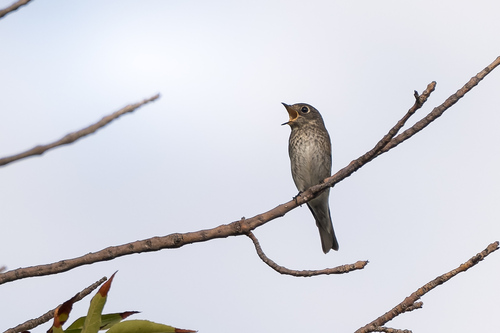
サメビタキ (Muscicapa sibirica) サメビタキ
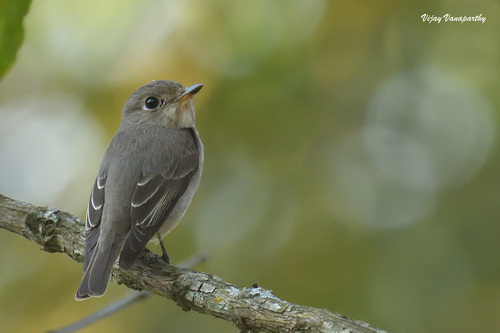
コサメビタキ (Muscicapa dauurica) コサメビタキ

メディア

読み込み中…

要点

サメビタキとコサメビタキの最も信頼できるフィールドマークは、腹部のパターンです:サメビタキは胸部と側面に明らかな暗い筋模様を示し、コサメビタキは側面にわずかに茶色がかった洗いがかかっているだけで、ずっとシンプルです。両種の幼鳥は上面が鱗状ですが、サメビタキの筋模様のある腹部とより目立つ淡い翼帯がそれらを区別するのに役立ちます。飛行中または止まっているとき、サメビタキはより長い一次羽の突出部を持ち、全体的にわずかに暗く、すすけたトーンです。嘴の構造や微妙な顔のコントラストも役立ちますが、すべての年齢において腹部の筋模様が重要なフィールドマークです。

識別のコツ

  1. 腹部の筋模様(すべての年齢): サメビタキは常に胸部と側面に明らかな暗い筋模様を示し、コサメビタキは側面に平坦またはわずかに茶色がかった洗いがかかっています。これは最も信頼できるフィールドマークです。
  2. 幼鳥/初冬の上面: 幼鳥のサメビタキは上面に淡い斑点とまだらな胸部を示し、コサメビタキの幼鳥は上面と胸部が鱗状の茶色ですが、下部はあまりはっきりとした模様がありません。
  3. 淡い翼帯と三次羽の縁: サメビタキは明確な淡い翼帯と三次羽の淡い縁を持ち、すべての羽衣で見えます;コサメビタキは対照が少なく、翼がシンプルです。
  4. 一次羽の突出部: サメビタキはコサメビタキよりも長い一次羽の突出部を持ち、止まっているときや飛行中にわずかに長い翼のように見えます。これは微妙ですが、経験があれば役立ちます。
  5. 顔のパターン: サメビタキは淡い下嘴のストライプと暗い頬のストライプを示し、白い喉を囲んで半襟を形成します;コサメビタキの顔は対照が少なく、あまりはっきりとした「眼鏡」と喉がありません。
  6. 尾羽の覆い羽: サメビタキは暗い中心を持つ白い尾羽の覆い羽を持ち、コサメビタキの尾羽の覆い羽はシンプルです。
  7. 全体のトーン: サメビタキは上面がより暗く、すすけた灰褐色です;コサメビタキはより淡く、特にpoonensis亜種では、羽衣が古くなるにつれて灰色がかります。
  8. 嘴の構造: 両種とも短い暗い嘴を持っていますが、コサメビタキの方が相対的に大きく、基部が広いことがあり、時には下顎が淡いことがあります(特にpoonensisでは)、ただしこれは微妙で変動があります。
  9. サイズ: 両種は本質的に同じサイズであり、フィールドで長さや質量によって信頼できる区別はできません。
  10. 性差: 両種は性別が同じであり、オスとメスは似ています。
  11. 飛行中の視点: 飛行中は、サメビタキのより長い一次羽の突出部とわずかに暗い上面を探してくださいが、腹部の筋模様が見える場合はそれが最良のマークです。
  12. 季節変化: コサメビタキは羽衣が古くなるにつれてより淡く灰色がかって見えることがあります;新しい個体(特にpoonensis)はよりまだらな喉と胸を示すことがありますが、サメビタキの大胆な筋模様は決してありません。
  13. 鳴き声: よく聞こえれば、サメビタキの高音でチリンチリンとした鳴き声が役立つかもしれませんが、コサメビタキの声はここでは説明されていません。
  14. 生息地/文脈: 両種は似たような生息地を使用します;区別のために文脈に頼らないでください。
  15. 落とし穴: すり減ったり、模様が不明瞭なコサメビタキがわずかに筋模様があるように見えることがありますが、筋模様は決してサメビタキほど大胆または広範囲ではありません。可能であれば、常に複数の特徴を確認してください。

大きさ

両種はサイズが非常に似ており、サメビタキは13〜14 cm、コサメビタキは約13 cmの長さです [wikipedia]。フィールドでの違いは無視できるものであり、信頼できる区別ポイントではありません。

羽色

両種の幼鳥と初冬の鳥は鱗状または斑点のある上面を持っていますが、サメビタキの幼鳥は上面に淡い斑点、まだらな胸部、翼の覆い羽のバフ色の先端を示し、コサメビタキの幼鳥は上面、頭部、胸部が鱗状の茶色です。すべての年齢において、サメビタキは明確な淡い翼帯と淡い三次羽の縁を持つ暗い灰褐色の上面を持ち、腹部は胸部と側面に明確に筋模様があります。コサメビタキはよりシンプルで、上面は灰褐色(年齢とともに灰色がかる)、下は白っぽく、側面にはわずかに茶色がかった色合いがあり、強い筋模様がありません。サメビタキはまた、白い喉を囲む淡い下嘴のストライプと暗い頬のラインを示し、半襟を形成しますが、コサメビタキの顔は対照が少ないです。サメビタキの尾羽の覆い羽は暗い中心を持つ白で、微妙ですが時には見えるマークです。新しい羽衣では、コサメビタキ(特にpoonensis亜種)はよりまだらな喉と胸を示すことがありますが、決してサメビタキの強い筋模様はありません。

行動

両種は直立して止まり、典型的なMuscicapaのスタイルで昆虫を捕まえます。フィールドでそれらを信頼できるように区別するための強い行動の違いは、情報源には記載されていません。

生息環境

両種は移動中および繁殖中に似たような森林や森林の縁の生息地を占めます。生息地は、特に範囲が重なる場所では、これら二つを区別するための信頼できる要素ではありません。

声

サメビタキはトリルや口笛を伴う一連の細く高音の音を出し、金属的なチリンチリンとした鳴き声を持っています。コサメビタキの声は提供されたメモには記載されていないため、鳴き声は手元の情報では信頼できる区別要素ではありません。

より良い説明を送る

比較と同じ項目を使ってください。文章はすぐに公開されます。

The most reliable field mark between Dark-sided Flycatcher and Asian Brown Flycatcher is the underpart pattern: Dark-sided shows obvious dark streaking on the breast and flanks, while Asian Brown is much plainer below with only a faint brownish wash on the flanks. Juveniles of both species are scaly above, but the Dark-sided's streaked underparts and more prominent pale wingbar help separate them. In flight or perched, Dark-sided has a longer primary projection and a slightly darker, more sooty overall tone. Bill structure and subtle facial contrasts can help, but underpart streaking is the key field mark in all ages.

  1. Underpart streaking (all ages): Dark-sided Flycatcher always shows obvious dark streaking on the breast and flanks, while Asian Brown Flycatcher is plain or only faintly washed brown on the flanks. This is the single most reliable field mark.
  2. Juvenile/first-winter upperparts: Juvenile Dark-sided shows pale spots on the upperparts and a mottled breast; Asian Brown juvenile is scaly brown above and on the breast, but less sharply marked below.
  3. Pale wingbar and tertial edges: Dark-sided has a distinct pale wingbar and pale edges to the tertials, visible in all plumages; Asian Brown is less contrasting, with plainer wings.
  4. Primary projection: Dark-sided has a longer primary projection than Asian Brown, giving a slightly longer-winged look when perched or in flight. This is subtle but can be useful with experience.
  5. Facial pattern: Dark-sided shows a pale submoustachial stripe and dark malar stripe outlining a white throat and forming a half-collar; Asian Brown's face is less contrasting, with less distinct 'spectacles' and throat.
  6. Undertail-coverts: Dark-sided has white undertail-coverts with dark centers; Asian Brown's undertail-coverts are plain.
  7. Overall tone: Dark-sided is darker and more sooty grey-brown above; Asian Brown is paler, especially in the poonensis subspecies, and becomes greyer as plumage ages.
  8. Bill structure: Both have short, dark bills, but Asian Brown's is relatively larger and broader-based, sometimes with a paler lower mandible (especially in poonensis), though this is subtle and variable.
  9. Size: Both species are essentially the same size and cannot be reliably separated by length or mass in the field.
  10. Sex differences: Both species are sexually monomorphic; males and females look alike.
  11. Flight views: In flight, look for the longer primary projection and slightly darker upperparts of Dark-sided, but underpart streaking is still the best mark if visible.
  12. Seasonal variation: Asian Brown can look paler and greyer as plumage ages; fresh birds (especially poonensis) may show a more mottled throat and breast, but never the bold streaking of Dark-sided.
  13. Vocalizations: If heard well, Dark-sided's high-pitched, tinkling calls may help, but Asian Brown's voice is not described here.
  14. Habitat/context: Both use similar habitats; do not rely on context for separation.
  15. Pitfalls: Beware of worn or poorly marked Asian Brown Flycatchers appearing slightly streaked, but the streaks are never as bold or extensive as in Dark-sided. Always check multiple features if possible.

Both species are very similar in size, with Dark-sided Flycatcher measuring 13–14 cm and Asian Brown Flycatcher about 13 cm in length [wikipedia]. Any difference is negligible in the field and not a reliable separation point.

Juvenile and first-winter birds of both species have scaly or spotted upperparts, but Dark-sided Flycatcher juveniles show pale spots on the upperparts, a mottled breast, and buff tips to the wing-coverts, while Asian Brown juveniles have scaly brown upperparts, head, and breast. For all ages, Dark-sided Flycatcher has dark grey-brown upperparts with a clear pale wingbar and pale tertial edges, and the underparts are distinctly streaked on the breast and flanks. Asian Brown Flycatcher is plainer: grey-brown above (becoming greyer with age), whitish below with only a brownish tinge on the flanks, and lacks strong streaking. Dark-sided also shows a pale submoustachial stripe and dark malar line framing a white throat, forming a half-collar, while Asian Brown's face is less contrasting. Undertail-coverts on Dark-sided are white with dark centers, a subtle but sometimes visible mark. In fresh plumage, Asian Brown (especially the poonensis subspecies) can show a more mottled throat and breast, but never the strong streaking of Dark-sided.

Both species perch upright and sally for insects in typical Muscicapa fashion. There is no strong behavioral difference noted in the sources that would reliably separate them in the field.

Both species occupy similar woodland and forest edge habitats during migration and breeding. Habitat is not a reliable separator between these two, especially where their ranges overlap.

Dark-sided Flycatcher gives a series of thin, high-pitched notes with trills and whistles, and a metallic tinkling call. Asian Brown Flycatcher's voice is not described in the provided notes, so vocalization is not a reliable separator with the information at hand.

変更を破棄しますか?

保存していない編集があります。今離れると失われます。

サメビタキ · コサメビタキ · 苦手な鳥