

Dark-sided Flycatcher vs Asian Brown Flycatcher
Muscicapa sibirica contro Muscicapa dauurica
Fai un quiz con Dark-sided Flycatcher e Asian Brown Flycatcher
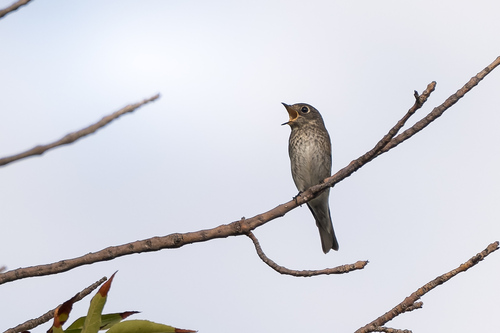 Dark-sided Flycatcher
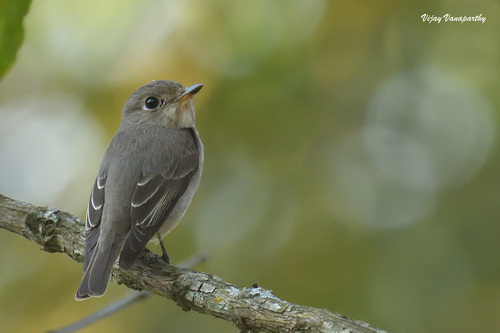 Asian Brown Flycatcher
In breve
Il segno distintivo più affidabile tra il Dark-sided Flycatcher e l'Asian Brown Flycatcher è il motivo delle parti inferiori: il Dark-sided mostra evidenti striature scure sul petto e sui fianchi, mentre l'Asian Brown è molto più semplice sotto con solo una leggera sfumatura marrone sui fianchi. I giovani di entrambe le specie sono squamosi sopra, ma le parti inferiori striate del Dark-sided e la più evidente striscia alare chiara aiutano a separarli. In volo o posati, il Dark-sided ha una proiezione primaria più lunga e un tono complessivo leggermente più scuro e più fuligginoso. La struttura del becco e i sottili contrasti facciali possono aiutare, ma le striature delle parti inferiori sono il segno distintivo chiave in tutte le età.
Consigli di identificazione
- Underpart streaking (all ages): Il Dark-sided Flycatcher mostra sempre evidenti striature scure sul petto e sui fianchi, mentre l'Asian Brown Flycatcher è semplice o solo leggermente lavato di marrone sui fianchi. Questo è il segno distintivo più affidabile.
- Juvenile/first-winter upperparts: Il giovane Dark-sided mostra macchie chiare sulle parti superiori e un petto maculato; il giovane Asian Brown è marrone squamoso sopra e sul petto, ma meno marcato sotto.
- Pale wingbar and tertial edges: Il Dark-sided ha una chiara striscia alare chiara e bordi chiari sui terziali, visibili in tutte le livree; l'Asian Brown è meno contrastante, con ali più semplici.
- Primary projection: Il Dark-sided ha una proiezione primaria più lunga rispetto all'Asian Brown, dando un aspetto leggermente più lungo quando è posato o in volo. Questo è sottile ma può essere utile con l'esperienza.
- Facial pattern: Il Dark-sided mostra una striscia submoustachiale chiara e una striscia malare scura che delinea una gola bianca e forma un mezzo collare; il volto dell'Asian Brown è meno contrastante, con 'occhiali' e gola meno distinti.
- Undertail-coverts: Il Dark-sided ha copritail bianchi con centri scuri; i copritail dell'Asian Brown sono semplici.
- Overall tone: Il Dark-sided è più scuro e di un grigio-marrone più fuligginoso sopra; l'Asian Brown è più chiaro, specialmente nella sottospecie poonensis, e diventa più grigio con l'invecchiamento della livrea.
- Bill structure: Entrambi hanno becchi corti e scuri, ma quello dell'Asian Brown è relativamente più grande e con una base più larga, a volte con una mandibola inferiore più chiara (specialmente nella poonensis), anche se questo è sottile e variabile.
- Size: Entrambe le specie sono essenzialmente della stessa dimensione e non possono essere separate in modo affidabile per lunghezza o massa sul campo.
- Sex differences: Entrambe le specie sono sessualmente monomorfiche; maschi e femmine si somigliano.
- Flight views: In volo, cerca la proiezione primaria più lunga e le parti superiori leggermente più scure del Dark-sided, ma le striature delle parti inferiori sono ancora il miglior segno se visibili.
- Seasonal variation: L'Asian Brown può apparire più chiaro e grigio man mano che la livrea invecchia; gli uccelli freschi (specialmente poonensis) possono mostrare una gola e un petto più maculati, ma mai le forti striature del Dark-sided.
- Vocalizations: Se ascoltato bene, i richiami acuti e tintinnanti del Dark-sided possono aiutare, ma la voce dell'Asian Brown non è descritta qui.
- Habitat/context: Entrambi utilizzano habitat simili; non fare affidamento sul contesto per la separazione.
- Pitfalls: Fai attenzione agli Asian Brown Flycatchers usurati o scarsamente marcati che appaiono leggermente striati, ma le striature non sono mai così audaci o estese come nel Dark-sided. Controlla sempre più caratteristiche se possibile.
Taglia
Entrambe le specie sono molto simili in dimensioni, con il Dark-sided Flycatcher che misura 13–14 cm e l'Asian Brown Flycatcher circa 13 cm di lunghezza [wikipedia]. Qualsiasi differenza è trascurabile sul campo e non è un punto di separazione affidabile.
Piumaggio
I giovani e gli uccelli di prima inverno di entrambe le specie hanno parti superiori squamose o maculate, ma i giovani Dark-sided Flycatcher mostrano macchie chiare sulle parti superiori, un petto maculato e punte color crema sui copritail, mentre i giovani Asian Brown hanno parti superiori, testa e petto marrone squamoso. Per tutte le età, il Dark-sided Flycatcher ha parti superiori di un grigio-marrone scuro con una chiara striscia alare chiara e bordi chiari sui terziali, e le parti inferiori sono distintamente striate sul petto e sui fianchi. L'Asian Brown Flycatcher è più semplice: grigio-marrone sopra (diventando più grigio con l'età), bianco sotto con solo una sfumatura marrone sui fianchi, e manca di forti striature. Il Dark-sided mostra anche una striscia submoustachiale chiara e una linea malare scura che incornicia una gola bianca, formando un mezzo collare, mentre il volto dell'Asian Brown è meno contrastante. I copritail del Dark-sided sono bianchi con centri scuri, un segno sottile ma a volte visibile. In livrea fresca, l'Asian Brown (specialmente la sottospecie poonensis) può mostrare una gola e un petto più maculati, ma mai le forti striature del Dark-sided.
Comportamento
Entrambe le specie si posano erette e si lanciano per gli insetti in tipico stile Muscicapa. Non ci sono forti differenze comportamentali notate nelle fonti che possano separarle in modo affidabile sul campo.
Habitat
Entrambe le specie occupano habitat simili di bosco e margine forestale durante la migrazione e la riproduzione. L'habitat non è un separatore affidabile tra questi due, specialmente dove i loro areali si sovrappongono.
Voce
Il Dark-sided Flycatcher emette una serie di note sottili e acute con trilli e fischi, e un richiamo metallico tintinnante. La voce dell'Asian Brown Flycatcher non è descritta nelle note fornite, quindi la vocalizzazione non è un separatore affidabile con le informazioni a disposizione.
Dark-sided Flycatcher · Asian Brown Flycatcher · I miei uccelli difficili