

Motmot

キプロスサバクヒタキ 対 コシジロサバクヒタキ

Oenanthe cypriaca 対 Oenanthe lugens

キプロスサバクヒタキとコシジロサバクヒタキのクイズ
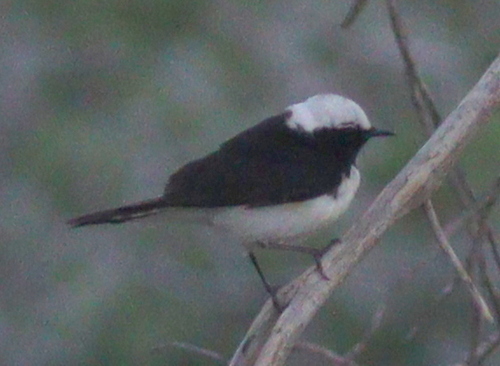
キプロスサバクヒタキ (Oenanthe cypriaca) キプロスサバクヒタキ
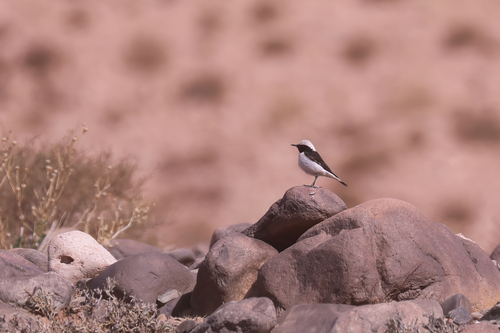
コシジロサバクヒタキ (Oenanthe lugens) コシジロサバクヒタキ

メディア

読み込み中…

要点

キプロスサバクヒタキとコシジロサバクヒタキを区別する最も信頼できるフィールドマークは、頭部と背中の模様です:キプロスサバクヒタキは頭部と背中により広範囲の黒が見られ、両性ともに似た外見をしていますが、コシジロサバクヒタキは黒い頭部と背中に対して白い冠、うなじ、胸、お腹の鮮やかなコントラストを持ち、尾には特徴的な逆「T」パターンがあります。飛行中、コシジロサバクヒタキは翼の基部に大胆な白い「旗」を見せ、これはキプロスサバクヒタキには見られません。キプロスサバクヒタキはキプロス固有で、夏にはそこにいる唯一のサバクヒタキですが、コシジロサバクヒタキは北アフリカと中東の乾燥地域に広く分布しています。幼鳥と雌のコシジロサバクヒタキはより茶色がかることがありますが、キプロスサバクヒタキは上面がより均一に暗いままです。歌と生息地の好みも異なりますが、羽毛と尾の模様が最も実用的なフィールドマークです。

識別のコツ

  1. Head and Crown Pattern: コシジロサバクヒタキ(成鳥のオス)は、黒い顔と背中に対して際立った白い冠とうなじを持っています;キプロスサバクヒタキはより均一に暗い頭部と背中を持ち、白い冠はありません。これは、止まっている鳥と飛んでいる鳥の両方で確認でき、ほとんどのコシジロサバクヒタキの亜種に適用されますが、一部の雌や幼鳥を除きます。
  2. Sexual Dimorphism: キプロスサバクヒタキは性差がなく、オスとメスは似た外見をしています。コシジロサバクヒタキのオスは、メスよりもはるかにコントラストが強く、特にマグリブやバサルトの形態では、メスはより茶色や灰色がかることがあります。
  3. Tail Pattern: コシジロサバクヒタキの尾は白く、黒い先端と中央の軸を持ち、逆「T」を形成しています—非常に鮮明で診断的です。キプロスサバクヒタキの尾は全体的に暗く、尾の上部により多くの黒が広がり、整った「T」パターンはありません。
  4. Wing Pattern in Flight: コシジロサバクヒタキは飛行中に飛行羽の基部に大胆な白い「旗」を見せますが、キプロスサバクヒタキはこの特徴を示しません。これは、急に飛び立ったり、活発に飛んでいる鳥に特に役立ちます。
  5. Back Color: コシジロサバクヒタキは黒または黒っぽい背中(オス)を持ち、白い下部と対照的です。キプロスサバクヒタキは上面がより均一に暗く、背中と頭部のコントラストが少ないです。
  6. Underparts: コシジロサバクヒタキは白い下部(胸とお腹)を持ち、オスでは黒い上部と明確に分かれています。キプロスサバクヒタキはコントラストが少なく、下部はそれほどきれいに白くなく、明確に区切られていません。
  7. Habitat Context: キプロスサバクヒタキは夏にキプロスにのみ生息し、しばしば森林や半森林の生息地に見られ、高いところに止まります。コシジロサバクヒタキはキプロスの外で乾燥した岩や砂漠の生息地に見られます。生息地は、場所が分かっている場合に強力な手がかりです。
  8. Behavior: キプロスサバクヒタキはしばしば高い歌の止まり木(5–10 m)を使用し、フライキャッチャーのように飛び跳ねます;コシジロサバクヒタキはより地面指向で、岩や低い茂みの上に止まります。
  9. Song: キプロスサバクヒタキの歌は高音で昆虫のようなブンブン音で、コシジロサバクヒタキの声とは異なります。これを聞くと、キプロスサバクヒタキの診断になります。
  10. Female/Immature Pitfalls: 雌や幼鳥のコシジロサバクヒタキはより鈍く茶色がかることがありますが、白い冠と尾の模様は依然として示します。キプロスサバクヒタキは上面がより均一に暗く、白い冠はありません。
  11. Size: 両種はサイズと構造が似ており、サイズはフィールドでの信頼できる区別にはなりません。
  12. Seasonality: キプロスの繁殖シーズン中、どのサバクヒタキもほぼ確実にキプロスサバクヒタキです。コシジロサバクヒタキはキプロスで繁殖しません。
  13. Subspecies Variation: 一部のコシジロサバクヒタキの亜種(例:バサルト、マグリブ)は、雌により広範囲の黒や茶色が見られ、コントラストを減少させることがありますが、白い冠と尾の模様は依然として重要です。
  14. Jizz: キプロスサバクヒタキはより活発で樹上性に見えることがあり、高い止まり木からフライキャッチングを行うことが多いですが、コシジロサバクヒタキは地面や低い岩の上にいることが多いです。
  15. Overlap: 範囲の重複は最小限で、漂流は稀です。キプロスの外、特に乾燥地域にいる場合、コシジロサバクヒタキの方がはるかに可能性が高いです。

大きさ

両種はサイズが似ており、キプロスサバクヒタキは14–15 cm、コシジロサバクヒタキは14–16 cmの長さです。コシジロサバクヒタキはわずかに重い(19–25 g)ですが、この違いはフィールドでは役に立ちません。構造的には、両者は典型的な小型のサバクヒタキであり、ビルや尾の長さにおいて劇的な違いは見られません。

羽色

幼鳥と未熟な羽毛はキプロスサバクヒタキについて詳細に説明されていませんが、両性と年齢は似た外見をしており、性差はありません。対照的に、コシジロサバクヒタキは微妙な性差を示します:オスは黒い頭、首、背中に対して白い冠と下部を持ち、雌や一部の亜種(特にマグリブやバサルトの形態)はより茶色や灰色がかることがありますが、依然として白い冠とお腹を示します。飛行中、コシジロサバクヒタキは飛行羽の基部に大胆な白い部分を見せ、翼に白い「旗」を作り、尾には明確な逆「T」パターン(白い尾に黒い先端と中央の軸)があります。キプロスサバクヒタキはコシジロサバクヒタキよりも尾と背中に黒が多く、コシジロサバクヒタキの鮮明な白い冠と「旗」翼パターンは欠けています。両者は尾に白がありますが、キプロスサバクヒタキの尾は全体的に暗いです。これらのコントラストはすべての年齢に適用されますが、雌や幼鳥のコシジロサバクヒタキは鈍く見えることがあります。

行動

キプロスサバクヒタキはサバクヒタキとしては特に樹上性であり、しばしば高いところ(5–10 m)に止まり、空中での飛び跳ねや止まり木からの捕食を行い、時にはフライキャッチャーを思わせます。コシジロサバクヒタキは開けた乾燥した生息地に典型的で、しばしば岩や低い止まり木の上に見られ、同じ樹上性の傾向を示しません。キプロスサバクヒタキは森林内またはその近くで見られる可能性が高いですが、コシジロサバクヒタキは開けた岩場や砂漠のような地域を好みます。

生息環境

キプロスサバクヒタキはキプロスでのみ繁殖し、夏にはそこにいる唯一のサバクヒタキで、森林の縁、開けた松林、散在する木や茂みのある地域を好みます。これは地域で最も樹上性のサバクヒタキです。コシジロサバクヒタキは北アフリカと中東の乾燥した半乾燥地域に見られ、稀な植生のある開けた岩場や砂漠の生息地を好みます。キプロスの森林や木々のある地域でサバクヒタキを見た場合、ほぼ確実にキプロスサバクヒタキです;キプロスの外の岩の多い砂漠では、コシジロサバクヒタキの方がはるかに可能性が高いです。

声

キプロスサバクヒタキは独特の歌を持っています:高音で昆虫のようなブンブン音の連続で、コシジロサバクヒタキの歌とは非常に異なります。歌は聞こえた場合の強力な区別要因であり、キプロスサバクヒタキの声はサバクヒタキの中で独特で、コシジロサバクヒタキのより典型的なサバクヒタキの歌とは似ていません。

より良い説明を送る

比較と同じ項目を使ってください。文章はすぐに公開されます。

The most reliable field mark to separate Cyprus Wheatear from Mourning Wheatear is the head and back pattern: Cyprus Wheatear shows more extensive black on the head and back, with both sexes looking alike, while Mourning Wheatear has a striking contrast of a white crown, nape, chest, and belly against a black head and back, with a distinctive inverted 'T' pattern on the tail. In flight, Mourning Wheatear reveals a bold white 'flag' on the wing bases, not shown by Cyprus Wheatear. Cyprus Wheatear is endemic to Cyprus and is the only wheatear there in summer, while Mourning Wheatear is widespread in arid regions of North Africa and the Middle East. Juvenile and female Mourning Wheatears can be browner, but Cyprus Wheatear remains more uniformly dark above. Song and habitat preference also differ, but plumage and tail pattern are the most practical field marks.

  1. Head and Crown Pattern: Mourning Wheatear (adult male) has a striking white crown and nape contrasting with a black face and back; Cyprus Wheatear has a more uniformly dark head and back, with no white crown. This is visible in both perched and flying birds, and works for most Mourning Wheatear subspecies except some females and immatures.
  2. Sexual Dimorphism: Cyprus Wheatear shows no sexual dimorphism—males and females look alike. Mourning Wheatear males are much more contrasting than females, which can be browner or greyer, especially in the Maghreb and Basalt forms.
  3. Tail Pattern: Mourning Wheatear's tail is white with a black tip and central shaft, forming an inverted 'T'—very crisp and diagnostic when seen well. Cyprus Wheatear's tail is darker overall, with more black extending up the tail, and lacks the neat 'T' pattern.
  4. Wing Pattern in Flight: Mourning Wheatear shows a bold white 'flag' at the base of the flight feathers in flight, while Cyprus Wheatear does not display this feature. This is especially useful for birds flushed or seen in active flight.
  5. Back Color: Mourning Wheatear has a black or blackish back (male), contrasting with white underparts. Cyprus Wheatear is more uniformly dark above, with less contrast between back and head.
  6. Underparts: Mourning Wheatear has white underparts (chest and belly), sharply separated from the black upperparts in males. Cyprus Wheatear is less contrasting, with underparts not as cleanly white or sharply demarcated.
  7. Habitat Context: Cyprus Wheatear is found only in Cyprus in summer, often in wooded or semi-wooded habitats, and perches high. Mourning Wheatear is found in arid, rocky, or desert habitats outside Cyprus. Habitat is a strong clue if location is known.
  8. Behavior: Cyprus Wheatear often uses high song perches (5–10 m) and flycatcher-like sallying; Mourning Wheatear is more ground-oriented, perching on rocks or low bushes.
  9. Song: Cyprus Wheatear's song is a high-pitched, insect-like buzz, unlike any Mourning Wheatear vocalization. If you hear this, it is diagnostic for Cyprus Wheatear.
  10. Female/Immature Pitfalls: Female and immature Mourning Wheatears can be duller and browner, but still show the white crown and tail pattern. Cyprus Wheatear remains more uniformly dark above and lacks the white crown.
  11. Size: Both species are similar in size and structure; size is not a reliable separator in the field.
  12. Seasonality: In Cyprus during the breeding season, any wheatear is almost certainly Cyprus Wheatear. Mourning Wheatear does not breed in Cyprus.
  13. Subspecies Variation: Some Mourning Wheatear subspecies (e.g., Basalt, Maghreb) have more extensive black or brown in females, which can reduce contrast, but the white crown and tail pattern remain key.
  14. Jizz: Cyprus Wheatear may appear more active and arboreal, often seen flycatching from high perches, while Mourning Wheatear is more likely to be seen on the ground or low rocks.
  15. Overlap: There is minimal range overlap; vagrancy is rare. If you are outside Cyprus, especially in arid regions, Mourning Wheatear is far more likely.

Both species are similar in size, with Cyprus Wheatear measuring 14–15 cm and Mourning Wheatear 14–16 cm in length. Mourning Wheatear is slightly heavier (19–25 g), but this difference is not useful in the field. Structurally, both are typical small wheatears with no dramatic differences in bill or tail length noted in the sources.

Juvenile and immature plumages are not described in detail for Cyprus Wheatear, but both sexes and ages are said to look similar, lacking sexual dimorphism. Mourning Wheatear, by contrast, shows subtle sexual dimorphism: males have a white crown and underparts with a black head, neck, and back, while females and some subspecies (especially Maghreb and Basalt forms) can be browner or greyer, but still show the white crown and belly. In flight, Mourning Wheatear displays a bold white base to the flight feathers, creating a white 'flag' on the wing, and the tail shows a clear inverted 'T' pattern (white tail with black tip and central shaft). Cyprus Wheatear has more black on the tail and back than Mourning Wheatear, but lacks the crisp white crown and 'flag' wing pattern of Mourning. Both have white in the tail, but Cyprus Wheatear's tail is darker overall. These contrasts apply to all ages, though female and immature Mourning Wheatears may be duller.

Cyprus Wheatear is notably arboreal for a wheatear, often perching high (5–10 m) and using aerial sallying and perch-pounce feeding, sometimes reminiscent of a flycatcher. Mourning Wheatear is more typical of open, arid habitats, often seen on rocks or low perches, and does not show the same arboreal tendencies. Cyprus Wheatear is more likely to be seen in or near woodland, while Mourning Wheatear prefers open, rocky, or desert-like areas.

Cyprus Wheatear breeds only in Cyprus and is the only wheatear there in summer, favoring woodland edges, open pine forests, and areas with scattered trees and bushes. It is the most arboreal wheatear in the region. Mourning Wheatear is found in arid and semi-arid regions across North Africa and the Middle East, preferring open, rocky, or desert habitats with sparse vegetation. If you see a wheatear in a forested or wooded area in Cyprus, it is almost certainly Cyprus Wheatear; if in a rocky desert outside Cyprus, Mourning Wheatear is much more likely.

Cyprus Wheatear has a distinctive song: a series of high-pitched, insect-like buzzing bursts, very different from the song of Mourning Wheatear. Song is a strong separator if heard, as Cyprus Wheatear's vocalizations are unique among wheatears and do not resemble Mourning Wheatear's more typical wheatear song.

変更を破棄しますか?

保存していない編集があります。今離れると失われます。

キプロスサバクヒタキ · コシジロサバクヒタキ · 苦手な鳥