

Cyprus Wheatear vs Mourning Wheatear
Oenanthe cypriaca contro Oenanthe lugens
Fai un quiz con Cyprus Wheatear e Mourning Wheatear
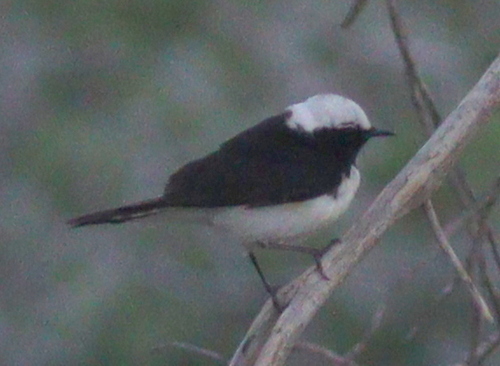 Cyprus Wheatear
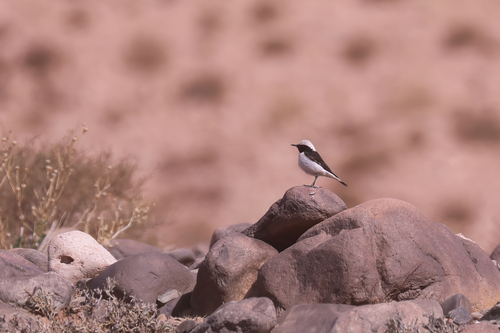 Mourning Wheatear
In breve
Il segno di campo più affidabile per separare il Cyprus Wheatear dal Mourning Wheatear è il modello della testa e della schiena: il Cyprus Wheatear mostra un nero più esteso sulla testa e sulla schiena, con entrambi i sessi che si somigliano, mentre il Mourning Wheatear ha un contrasto sorprendente di una corona, nuca, petto e ventre bianchi contro una testa e una schiena nere, con un distintivo modello a 'T' invertita sulla coda. In volo, il Mourning Wheatear rivela una audace 'bandiera' bianca alla base delle ali, non mostrata dal Cyprus Wheatear. Il Cyprus Wheatear è endemico di Cipro ed è l'unico wheatear presente lì in estate, mentre il Mourning Wheatear è diffuso nelle regioni aride del Nord Africa e del Medio Oriente. I giovani e le femmine di Mourning Wheatear possono essere più marroni, ma il Cyprus Wheatear rimane più uniformemente scuro sopra. Anche il canto e la preferenza per l'habitat differiscono, ma il piumaggio e il modello della coda sono i segni di campo più pratici.
Consigli di identificazione
- Modello della Testa e della Corona: Il Mourning Wheatear (maschio adulto) ha una sorprendente corona e nuca bianche che contrastano con un viso e una schiena neri; il Cyprus Wheatear ha una testa e una schiena più uniformemente scure, senza corona bianca. Questo è visibile sia negli uccelli posati che in volo, e funziona per la maggior parte delle sottospecie di Mourning Wheatear tranne alcune femmine e immaturi.
- Dimorfismo Sessuale: Il Cyprus Wheatear non mostra dimorfismo sessuale—maschi e femmine si somigliano. I maschi di Mourning Wheatear sono molto più contrastanti delle femmine, che possono essere più marroni o grigie, specialmente nelle forme del Maghreb e Basalt.
- Modello della Coda: La coda del Mourning Wheatear è bianca con una punta nera e un'asta centrale, formando una 'T' invertita—molto netta e diagnostica quando vista bene. La coda del Cyprus Wheatear è più scura nel complesso, con più nero che si estende sulla coda, e manca del modello 'T' ordinato.
- Modello delle Ali in Volo: Il Mourning Wheatear mostra una audace 'bandiera' bianca alla base delle piume da volo in volo, mentre il Cyprus Wheatear non mostra questa caratteristica. Questo è particolarmente utile per gli uccelli spaventati o visti in volo attivo.
- Colore della Schiena: Il Mourning Wheatear ha una schiena nera o nerastra (maschio), che contrasta con le parti inferiori bianche. Il Cyprus Wheatear è più uniformemente scuro sopra, con meno contrasto tra schiena e testa.
- Parti Inferiori: Il Mourning Wheatear ha parti inferiori bianche (petto e ventre), nettamente separate dalle parti superiori nere nei maschi. Il Cyprus Wheatear è meno contrastante, con parti inferiori non così pulitamente bianche o nettamente demarcate.
- Contesto dell'Habitat: Il Cyprus Wheatear si trova solo a Cipro in estate, spesso in habitat boschivi o semi-boschivi, e si posa in alto. Il Mourning Wheatear si trova in habitat aridi, rocciosi o desertici al di fuori di Cipro. L'habitat è un forte indizio se la posizione è nota.
- Comportamento: Il Cyprus Wheatear utilizza spesso posatoi alti per il canto (5–10 m) e si comporta come un catturatore d'insetti; il Mourning Wheatear è più orientato al suolo, posandosi su rocce o cespugli bassi.
- Canto: Il canto del Cyprus Wheatear è un ronzio acuto e simile a un insetto, diverso da qualsiasi vocalizzazione del Mourning Wheatear. Se lo senti, è diagnostico per il Cyprus Wheatear.
- Trappole per Femmine/Immaturi: Le femmine e gli immaturi di Mourning Wheatear possono essere più opachi e marroni, ma mostrano ancora la corona bianca e il modello della coda. Il Cyprus Wheatear rimane più uniformemente scuro sopra e manca della corona bianca.
- Dimensione: Entrambe le specie sono simili in dimensione e struttura; la dimensione non è un separatore affidabile sul campo.
- Stagionalità: A Cipro durante la stagione di nidificazione, qualsiasi wheatear è quasi certamente un Cyprus Wheatear. Il Mourning Wheatear non nidifica a Cipro.
- Variazione delle Sottospecie: Alcune sottospecie di Mourning Wheatear (ad es., Basalt, Maghreb) hanno più nero o marrone nelle femmine, il che può ridurre il contrasto, ma la corona bianca e il modello della coda rimangono chiave.
- Jizz: Il Cyprus Wheatear può apparire più attivo e arboricolo, spesso visto mentre cattura insetti da posatoi alti, mentre il Mourning Wheatear è più probabile che venga visto a terra o su basse rocce.
- Sovrapposizione: C'è una sovrapposizione minima dell'areale; la vaganza è rara. Se sei al di fuori di Cipro, specialmente in regioni aride, il Mourning Wheatear è molto più probabile.
Taglia
Entrambe le specie sono simili in dimensione, con il Cyprus Wheatear che misura 14–15 cm e il Mourning Wheatear 14–16 cm di lunghezza. Il Mourning Wheatear è leggermente più pesante (19–25 g), ma questa differenza non è utile sul campo. Strutturalmente, entrambi sono tipici piccoli wheatears senza differenze drammatiche nella lunghezza del becco o della coda notate nelle fonti.
Piumaggio
I piumaggi giovanili e immaturi non sono descritti in dettaglio per il Cyprus Wheatear, ma si dice che entrambi i sessi e le età si somiglino, mancando di dimorfismo sessuale. Il Mourning Wheatear, al contrario, mostra un sottile dimorfismo sessuale: i maschi hanno una corona e parti inferiori bianche con una testa, un collo e una schiena neri, mentre le femmine e alcune sottospecie (specialmente le forme del Maghreb e Basalt) possono essere più marroni o grigie, ma mostrano comunque la corona e il ventre bianchi. In volo, il Mourning Wheatear mostra una audace base bianca alle piume da volo, creando una 'bandiera' bianca sull'ala, e la coda mostra un chiaro modello a 'T' invertita (coda bianca con punta nera e asta centrale). Il Cyprus Wheatear ha più nero sulla coda e sulla schiena rispetto al Mourning Wheatear, ma manca della netta corona bianca e del modello di 'bandiera' delle ali del Mourning. Entrambi hanno bianco nella coda, ma la coda del Cyprus Wheatear è più scura nel complesso. Questi contrasti si applicano a tutte le età, anche se le femmine e gli immaturi di Mourning Wheatear possono essere più opachi.
Comportamento
Il Cyprus Wheatear è notevolmente arboricolo per un wheatear, spesso posandosi in alto (5–10 m) e utilizzando il volo a scatti e l'alimentazione a scatti, a volte ricordando un catturatore d'insetti. Il Mourning Wheatear è più tipico di habitat aperti e aridi, spesso visto su rocce o posatoi bassi, e non mostra le stesse tendenze arboricole. Il Cyprus Wheatear è più probabile che venga visto in o vicino a boschi, mentre il Mourning Wheatear preferisce aree aperte, rocciose o simili a deserti.
Habitat
Il Cyprus Wheatear nidifica solo a Cipro ed è l'unico wheatear presente lì in estate, preferendo i margini boschivi, le foreste di pini aperte e le aree con alberi e cespugli sparsi. È il wheatear più arboricolo della regione. Il Mourning Wheatear si trova in regioni aride e semi-aride in tutto il Nord Africa e il Medio Oriente, preferendo habitat aperti, rocciosi o desertici con vegetazione scarsa. Se vedi un wheatear in un'area boschiva o boscosa a Cipro, è quasi certamente un Cyprus Wheatear; se in un deserto roccioso al di fuori di Cipro, il Mourning Wheatear è molto più probabile.
Voce
Il Cyprus Wheatear ha un canto distintivo: una serie di esplosioni di ronzio acuto e simile a un insetto, molto diverso dal canto del Mourning Wheatear. Il canto è un forte separatore se udito, poiché le vocalizzazioni del Cyprus Wheatear sono uniche tra i wheatears e non somigliano al canto più tipico del Mourning Wheatear.
Cyprus Wheatear · Mourning Wheatear · I miei uccelli difficili