

Motmot

アオボウシモリハチドリ 対 ソライロボウシエメラルドハチドリ

Thalurania colombica 対 Saucerottia cyanocephala

アオボウシモリハチドリとソライロボウシエメラルドハチドリのクイズ
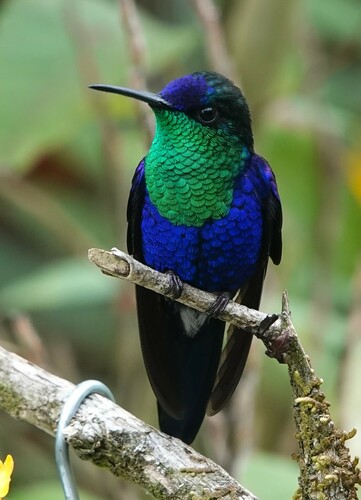
アオボウシモリハチドリ (Thalurania colombica) アオボウシモリハチドリ
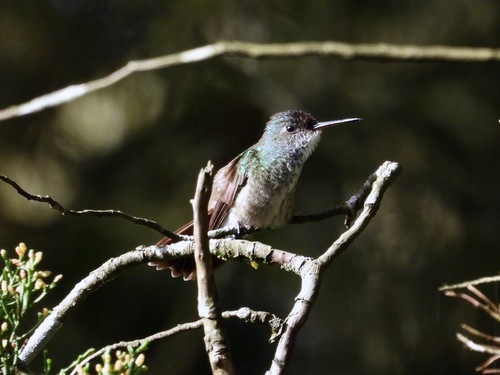
ソライロボウシエメラルドハチドリ (Saucerottia cyanocephala) ソライロボウシエメラルドハチドリ

メディア

読み込み中…

要点

アオボウシモリハチドリとソライロボウシエメラルドハチドリを区別するには、まず冠と腹部の色と範囲に注目してください:成鳥のオスのアオボウシモリハチドリは、目を引く紫色(または一部の亜種では緑色)の冠と輝く緑色の喉と胸を示しますが、ソライロボウシエメラルドハチドリは明るい金属的な青色(または緑色)の冠を持ち、常に白い腹部と青銅色の緑の側面を持っています。雌と幼鳥はより難しいですが、Woodnymphの雌は上面が明るい緑色で、下面が淡い灰色であるのに対し、Azure-crownedの雌は上面が青銅色の緑で、下面が白く青銅色の緑の側面を持っています。尾のパターンとくちばしの色も役立ちます:Woodnymphの雌は白い先端を持つ青黒い尾を持ち、ソライロボウシエメラルドハチドリは幼鳥では白っぽい先端を持つ青銅色の尾を持ち、二色のくちばしを持っています。構造は似ていますが、Azure-crownedはやや重いです。フィールドでは、腹部の色と冠の色合いが最も信頼できる特徴であり、特に止まっている鳥において顕著です。

識別のコツ

  1. Crown color (adult males): アオボウシモリハチドリのオスは紫色(または一部の亜種では輝く緑色)の冠を持ち、Azure-crownedのオスは明るい金属的な青色(またはS. c. chlorostephanaの緑色)の冠を持っています。Azure-crownedの青色は通常、より強く鮮明に定義されており、Woodnymphの紫色は上背と混ざることがあります。
  2. Underpart color (all ages/sexes): アオボウシモリハチドリのオスは輝く緑色の喉と胸を持ち、紫色の腹部(標準型)を持っていますが、Azure-crownedの両性は常に金属的な青銅色の緑の側面と鈍い青銅色の緑の側面を持つ白い腹部を持っています。Woodnymphの雌は下面が淡い灰色で、決して白くありません。
  3. Back and rump (adults): アオボウシモリハチドリのオスは暗い青緑色の下背と尾羽を持ち、Azure-crownedは金属的な青銅色の後頭部と背中を示し、緑がかった青銅色の尾羽と上尾羽の覆いを持っています。
  4. Tail pattern (females/immatures): 雌のアオボウシモリハチドリは外側の3対の羽に白い先端を持つ青黒い尾を持ち、Azure-crownedの幼鳥は青銅色の尾を持ち、白っぽい先端を持っていますが、成鳥は強い白い先端を欠いています。
  5. Bill color (all ages): ソライロボウシエメラルドハチドリは二色のくちばしを持ち、黒い上顎と鈍いピンクの下顎に黒い先端があります。アオボウシモリハチドリのくちばしの色は二色とは記述されておらず、通常は暗いです。
  6. Face color (adults): Azure-crownedは主に青緑色の顔を持ち、アオボウシモリハチドリの顔は明確に色付けされていません。
  7. Sexual dimorphism: 両種は限られた性的二形性を示しますが、アオボウシモリハチドリでは雌がオスよりもはるかに下面が淡いのに対し、Azure-crownedでは性別は冠の明るさを除いて非常に似ています。
  8. Immature marks: Azure-crownedの幼鳥は上尾羽の覆いに灰色がかったバフの先端と腹部にバフの洗いを持ち、アオボウシモリハチドリの幼鳥は上面が鈍い緑色で、下面が淡い灰色(雌)または限られた虹色を持つ鈍い色(オス)です。
  9. Size and bulk: Azure-crownedはやや重く、より大きく見えることがありますが、これは微妙でフィールドでは信頼できません。
  10. Tail shape: アオボウシモリハチドリのオスは深く分かれた尾を持ち、Azure-crownedの尾はそれほど深く分かれておらず、全体的に青銅色の緑です。
  11. Subspecies variation: 一部のアオボウシモリハチドリの亜種(例:T. c. fannyae)は緑色の冠を持ち、Azure-crownedと重なることがありますが、腹部の色と尾のパターンがそれらを区別します。
  12. Perched vs. in flight: 腹部の色と冠は止まっている鳥で最もよく見え、尾のパターンは特に雌と幼鳥で飛んでいるときに見えることがあります。
  13. Habitat context: 松のサバンナで見られた場合、Azure-crownedの可能性が高いですが、両方とも森林地域に生息することがあります。
  14. Pitfalls: 幼鳥と雌のアオボウシモリハチドリは淡い腹部のためにAzure-crownedと混同されることがありますが、Woodnymphは常に下面が灰色がかっており、決して純白ではなく、青銅色の緑の側面を欠いています。
  15. Do not rely on voice: ソースには診断的な声の違いは記述されていません。

大きさ

両種は長さが似ています(アオボウシモリハチドリ:8.5–11.5 cm;Azure-crowned:10–11.5 cm)が、ソライロボウシエメラルドハチドリは常に重いです(オス約5.8 g、雌約5.4 g)に対し、アオボウシモリハチドリは(オス4–5.5 g、雌3.5–4.2 g)です。この違いは微妙でフィールドでは診断的ではありませんが、Azure-crownedは特に手の中でわずかに大きく見えることがあります。

羽色

行動

両種は同様の方法で蜜を探し、トラップラインと領土防衛の両方を使用します。フィールドでは強い行動の違いはありませんが、ソライロボウシエメラルドハチドリは下層から樹冠まで採餌することが知られており、サバンナの生息地で松の針や樹皮の隙間でホバリングしているのが見られることがあります。

生息環境

範囲は中央アメリカ(ベリーズ、グアテマラ、ホンジュラス、ニカラグア)で重なりますが、アオボウシモリハチドリは北ペルーまで南に広がり、Azure-crownedはより北にあり、メキシコに達します。両方とも森林生息地を利用しますが、Azure-crownedは松のサバンナにも見られます。範囲が重なる場所では生息地だけでは診断的ではありません。

より良い説明を送る

比較と同じ項目を使ってください。文章はすぐに公開されます。

To separate Crowned Woodnymph from Azure-crowned Hummingbird, focus first on the color and extent of the crown and underparts: adult male Crowned Woodnymphs show a striking violet (or green in some subspecies) crown and glittering green throat and chest, while Azure-crowned Hummingbirds have a bright metallic blue (or green) crown but always white underparts with bronze-green sides. Females and immatures are trickier, but the Woodnymph female is bright green above and pale gray below, whereas Azure-crowned females are bronze-green above and white below with bronze-green sides. Tail pattern and bill color also help: Woodnymph females have blue-black tails with white tips, while Azure-crowned Hummingbirds have bronze-green tails with whitish tips in immatures and a two-toned bill. Structure is similar, but Azure-crowned is slightly heavier. In the field, underpart color and crown hue are the most reliable marks, especially on perched birds.

  1. Crown color (adult males): Crowned Woodnymph males have a violet (or glittering green in some subspecies) crown, while Azure-crowned males have a bright metallic blue (or green in S. c. chlorostephana) crown. The blue of Azure-crowned is usually more intense and sharply defined, whereas Woodnymph's violet may blend with the upper back.
  2. Underpart color (all ages/sexes): Crowned Woodnymph males have a glittering green throat and chest, with violet belly (nominate), while Azure-crowned of both sexes always have white underparts with metallic bronze-green sides and duller bronze-green flanks. Female Woodnymphs are pale gray below, never white.
  3. Back and rump (adults): Crowned Woodnymph males have a dark bluish green lower back and rump; Azure-crowned shows metallic bronze nape and back, with greenish bronze rump and uppertail coverts.
  4. Tail pattern (females/immatures): Female Crowned Woodnymphs have blue-black tails with white tips on the outer three pairs of feathers; Azure-crowned immatures have bronze-green tails with whitish tips, but adults lack strong white tips.
  5. Bill color (all ages): Azure-crowned Hummingbird has a two-toned bill: black maxilla and dull pink mandible with a black tip. Crowned Woodnymph's bill color is not described as bicolored and is typically dark.
  6. Face color (adults): Azure-crowned has a mostly bluish green face, while Crowned Woodnymph's face is not distinctly colored.
  7. Sexual dimorphism: Both species show limited sexual dimorphism, but in Crowned Woodnymph, females are much paler below than males, while in Azure-crowned, sexes are very similar except for crown brightness.
  8. Immature marks: Azure-crowned immatures have grayish buff tips to uppertail coverts and a buff wash to the underparts; Crowned Woodnymph immatures are dull green above and pale gray below (females) or dusky with limited iridescence (males).
  9. Size and bulk: Azure-crowned is slightly heavier and may look bulkier, but this is subtle and not reliable in the field.
  10. Tail shape: Crowned Woodnymph males have a deeply forked tail; Azure-crowned's tail is less deeply forked and more bronze-green overall.
  11. Subspecies variation: Be aware that some Crowned Woodnymph subspecies (e.g., T. c. fannyae) have green crowns, which can overlap with Azure-crowned, but underpart color and tail pattern still separate them.
  12. Perched vs. in flight: Underpart color and crown are best seen on perched birds; tail pattern may be visible in flight, especially in females and immatures.
  13. Habitat context: If seen in pine savanna, Azure-crowned is more likely, but both can occur in forested areas.
  14. Pitfalls: Immature and female Crowned Woodnymphs can be confused with Azure-crowned due to pale underparts, but Woodnymphs are always grayish below, never pure white, and lack bronze-green sides.
  15. Do not rely on voice: No diagnostic vocal differences are described in the sources.

Both species are similar in length (Crowned Woodnymph: 8.5–11.5 cm; Azure-crowned: 10–11.5 cm), but Azure-crowned Hummingbird is consistently heavier (males ~5.8 g, females ~5.4 g) compared to Crowned Woodnymph (males 4–5.5 g, females 3.5–4.2 g). This difference is subtle and rarely diagnostic in the field, but Azure-crowned may appear slightly bulkier, especially in the hand.

  • Immatures: Both species' immatures are duller than adults, but Azure-crowned immatures have grayish buff tips to the uppertail coverts, whitish tips on outer tail feathers, and a buff wash to the underparts. Immature Crowned Woodnymph males are dusky overall with limited iridescent purple, while immature females are dull green above and entirely pale gray below.

  • Adult males: Crowned Woodnymph males (nominate) have a violet crown, upper back, and belly, with a glittering green throat and chest, and a deeply forked blue-black tail. Azure-crowned males have a bright metallic blue (or green in S. c. chlorostephana) crown, metallic bronze nape and back, and white underparts with bronze-green sides.

  • Adult females: Female Crowned Woodnymphs are bright green above, pale gray throat and chest, and darker gray belly, with blue-black tails tipped white. Azure-crowned females have a duller blue to greenish blue crown, bronze-green upperparts, white underparts with bronze-green sides, and a similar tail pattern to males.

  • Tail: Crowned Woodnymph females have white tips on the outer three pairs of tail feathers; Azure-crowned immatures have whitish tips on the outer tail feathers, but adults' tails are bronze-green without strong white tips.

Both species forage for nectar in similar ways, using both trap-lining and territorial defense. There is no strong behavioral distinction in the field, though Azure-crowned Hummingbird is noted to forage from understory to canopy and may be seen hovering at pine needles and bark crevices in savanna habitat.

Ranges overlap in Central America (Belize, Guatemala, Honduras, Nicaragua), but Crowned Woodnymph extends further south to northern Peru, while Azure-crowned is more northerly, reaching Mexico. Both use forested habitats, but Azure-crowned is also found in pine savannas. Habitat alone is not diagnostic where ranges overlap.

変更を破棄しますか?

保存していない編集があります。今離れると失われます。

アオボウシモリハチドリ · ソライロボウシエメラルドハチドリ · 苦手な鳥