

Motmot

エトロフウミスズメ 対 マダラウミスズメ

Aethia cristatella 対 Brachyramphus perdix

エトロフウミスズメとマダラウミスズメのクイズ
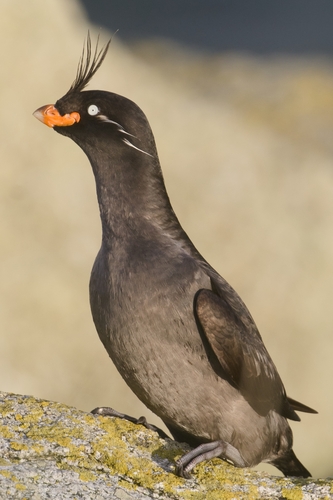
エトロフウミスズメ (Aethia cristatella) エトロフウミスズメ
マダラウミスズメ (Brachyramphus perdix) マダラウミスズメ

メディア

読み込み中…

要点

クレストウミスズメとマダラウミスズメを区別する最も信頼できるフィールドマークは、クレストウミスズメに見られる目立つ黒い前方に曲がった冠と明るいオレンジ色のくちばしの存在であり、これはマダラウミスズメには決して見られません。飛行中または静止中のクレストウミスズメは、白い顔の羽毛と太く短いくちばしを持つコンパクトで暗いすす灰色の鳥ですが、マダラウミスズメはより細身に見え、長くて細い黒いくちばしと季節によって異なる黒と白または茶色の鱗状の羽毛を持っています。幼鳥と非繁殖のクレストウミスズメはほとんどの装飾を失いますが、全体的には地味な暗色を保ち、ウミスズメの鋭い黒と白のコントラストが欠けています。くちばしの形状と顔の模様は、すべての年齢と季節で重要です。両種は北太平洋に生息することがありますが、マダラウミスズメは内陸で迷鳥として見られる可能性がはるかに高いです。

識別のコツ

  1. クレストウミスズメの黒い前方に曲がった冠は、繁殖期のすべての成鳥において診断的です。ウミスズメはどの年齢や季節でも冠を示しません。
  2. くちばしの色と形: クレストウミスズメは太く短い明るいオレンジ色のくちばし(繁殖成鳥には付属プレートがあります)を持ち、マダラウミスズメは常に長くて細い黒いくちばしを持っています。幼鳥と冬のクレストウミスズメは鈍い小さなくちばしを持っていますが、短くて太いままです。
  3. 顔の羽毛: クレストウミスズメは繁殖成鳥の目から耳まで白い耳羽毛を示します。これはすべてのウミスズメと幼鳥/冬のクレストウミスズメにはありません。
  4. 全体の羽毛: クレストウミスズメは全体がすすのような暗灰色で、マダラウミスズメの鋭い黒と白または茶色と鱗状のコントラストが欠けています。これはすべての年齢と季節に当てはまります。
  5. 非繁殖/冬の羽毛: マダラウミスズメは下側が白く、上側が黒で、白い目のリングがあり、襟がありません(アメリカマダラウミスズメとは異なります)。冬のクレストウミスズメは全体的にまだ暗いですが、冠とくちばしのプレートは減少しています。
  6. 幼鳥の混乱: 幼鳥のクレストウミスズメは地味な暗色で鈍い茶色がかった黄色のくちばしを持ち、白い腹部や顔のコントラストはありません。幼鳥のマダラウミスズメは非繁殖羽毛の成鳥に似ており、強い黒と白のコントラストと長い黒いくちばしを持っています。
  7. 飛行プロファイル: クレストウミスズメは飛行中にコンパクトで短い首を持ち、暗く見え、コントラストは少ないです。マダラウミスズメはより細身で、尖った翼を持ち、冬には暗い上面と白い下面の間に強いコントラストがあります。
  8. サイズと印象: クレストウミスズメは小さく、ずんぐりしており、くちばしは短いです。マダラウミスズメは体が長く、より細身で、明らかに長いくちばしを持っています。
  9. 生息地の文脈: クレストウミスズメは厳密に海洋性でコロニーを形成します。マダラウミスズメは迷鳥として遠く内陸に見られることがあり、しばしば単独またはペアで見られます。
  10. 行動: クレストウミスズメは繁殖コロニーで特に密集した群れで見られることが多いです。マダラウミスズメはより孤独で、小さなグループで見られることが多いです。
  11. 香り: クレストウミスズメは独特の柑橘系の香りを発します(ほとんどのバーダーにとってフィールドマークではありませんが、ウミスズメの中ではユニークです)。
  12. 鳴き声: クレストウミスズメの複雑なトランペット音とカッカッという鳴き声はコロニーで聞かれます。マダラウミスズメの鳴き声は詳細には説明されておらず、実用的なフィールドマークではありません。
  13. 季節の変化: クレストウミスズメは冬に冠とくちばしのプレートを失いますが、暗くてコンパクトなままです。マダラウミスズメの季節的変化は、鱗状の茶色(繁殖)から鋭い黒と白(非繁殖)に変わります。
  14. 重要な装飾の重複なし: 冠、オレンジ色のくちばし、または白い耳羽毛を持つ鳥はクレストウミスズメです。長くて細い黒いくちばしと白い腹部を持つ鳥はマダラウミスズメです。
  15. 一般的な落とし穴: 幼いクレストウミスズメは地味で暗いように見えるかもしれませんが、ウミスズメの強い黒と白のコントラストや長いくちばしは決して示しません。ウミスズメはどの年齢でも冠やオレンジ色のくちばしを示しません。

大きさ

クレストウミスズメは一般的に小さくずんぐりしており、全長は18〜27 cm、体重は195〜330 gです [wikipedia]。マダラウミスズメは約25 cmの長さで、アメリカマダラウミスズメより約20%重く、クレストウミスズメよりわずかに大きく細身です [wikipedia]。フィールドでは、クレストウミスズメはよりコンパクトで短い首を持ち、マダラウミスズメは体が長く、相対的に長いくちばしを持っています。

羽色

幼鳥と非繁殖のクレストウミスズメは全体が暗いすす灰色で、冬のマダラウミスズメの白い腹部と鋭い黒と白のコントラストが欠けています。幼鳥のクレストウミスズメは冠と耳羽毛がなく、鈍い茶色がかった黄色のくちばしを持っていますが、それでも地味で暗く見えます。繁殖羽毛では、成鳥のクレストウミスズメは黒い前方に曲がった冠、白い耳羽毛、付属プレートのある明るいオレンジ色のくちばしを示します。繁殖羽毛のマダラウミスズメは茶色で鱗状で、淡い喉と白い中央の腹部を持ち(泳いでいるときはしばしば隠れています)、非繁殖羽毛では上面が鋭く黒く、下面が白で、白い目のリングがあり、冠や顔の羽毛はありません。ウミスズメのくちばしは常に長く、細く、黒いです。マダラウミスズメのどの年齢や季節も冠やオレンジ色のくちばしを示しません。飛行中、クレストウミスズメは暗くてコンパクトなままですが、マダラウミスズメはよりコントラストがあり、尖った翼を示します。

行動

クレストウミスズメは非常に社交的で、密集したコロニーで巣を作り、水上で大きな群れで見られることが多いです。彼らは視覚(冠、くちばしのプレート)と嗅覚(柑橘系の香り)の両方の信号を含む華やかな求愛行動で知られています。マダラウミスズメはより孤独で、ペアで見られることが多く、しばしば単独または小さなグループで見られ、迷鳥として遠く内陸にさまよう傾向があることで注目されています。飛行中、クレストウミスズメはコンパクトで直接的に見えますが、マダラウミスズメはより細身で迅速で、尖った翼を持っています。

生息環境

クレストウミスズメはベーリング海とオホーツク海の遠隔の島々で巨大なコロニーで繁殖し、沖合の深い水域で餌を探します。マダラウミスズメも北太平洋で繁殖しますが、古い成長の森林の内陸で巣を作ることでウミスズメの中でユニークであり、北日本と韓国の海で冬を過ごします。マダラウミスズメは内陸の湖や川で迷鳥として見つかる可能性がはるかに高く、時には海から数百キロメートル離れた場所で見られますが、クレストウミスズメは厳密に海洋性です。

声

クレストウミスズメは、複雑なトランペット音や求愛行動中の相互のカッカッという鳴き声を含むさまざまな鳴き声を持っています。これらは繁殖コロニーで最もよく聞かれ、ペアの絆やテリトリーのために使用されます。マダラウミスズメの鳴き声は提供されたメモでは詳細に説明されていませんが、「ウミスズメ」という名前はウミガラスの鳴き声を模倣するかもしれません。鳴き声はフィールドでの区別のための主要なフィールドマークではありません。

より良い説明を送る

比較と同じ項目を使ってください。文章はすぐに公開されます。

The most reliable field mark to separate Crested Auklet from Long-billed Murrelet is the presence of a prominent black forward-curving crest and bright orange bill on the Crested Auklet, which are never shown by Long-billed Murrelet. In flight or at rest, Crested Auklet is a compact, dark, sooty-grey bird with white facial plumes and a thick, short bill, while Long-billed Murrelet appears more slender, with a long, thin black bill and contrasting black-and-white or brownish, scaly plumage depending on season. Juvenile and non-breeding Crested Auklets lose most of their ornamentation but remain plain dark overall, lacking the sharp black-and-white contrast of murrelets. Bill shape and facial pattern are key at all ages and seasons. Both species can occur in the North Pacific, but Long-billed Murrelet is much more likely to be seen as a vagrant inland.

  1. Crested Auklet's black forward-curving crest is diagnostic in all adults during the breeding season; no murrelet shows any crest at any age or season.
  2. Bill color and shape: Crested Auklet has a thick, short, bright orange bill (with accessory plates in breeding adults), while Long-billed Murrelet always has a long, thin, black bill. Juvenile and winter Crested Auklets have a duller, smaller bill but it remains short and thick.
  3. Facial plumes: Crested Auklet shows white auricular plumes from eye to ear in breeding adults; absent in all murrelets and in juvenile/winter Crested Auklets.
  4. Overall plumage: Crested Auklet is sooty dark grey all over, lacking the sharp black-and-white or brown-and-scaly contrast of Long-billed Murrelet. This is true for all ages and seasons.
  5. Non-breeding/winter plumage: Long-billed Murrelet is white below and black above, with a white eye ring and no collar (unlike Marbled Murrelet). Crested Auklet in winter is still dark overall, with reduced crest and bill plates.
  6. Juvenile confusion: Juvenile Crested Auklets are plain dark with a dull brownish-yellow bill, lacking any white underparts or facial contrast. Juvenile Long-billed Murrelets resemble adults in non-breeding plumage, with strong black-and-white contrast and a long black bill.
  7. Flight profile: Crested Auklet appears compact, short-necked, and dark in flight, with little contrast. Long-billed Murrelet is more slender, with pointed wings and strong contrast between dark upperparts and white underparts in winter.
  8. Size and jizz: Crested Auklet is smaller, chunkier, and shorter-billed; Long-billed Murrelet is longer-bodied and more slender, with a noticeably long bill.
  9. Habitat context: Crested Auklet is strictly marine and colonial; Long-billed Murrelet can be found far inland as a vagrant, often alone or in pairs.
  10. Behavior: Crested Auklet is often seen in dense flocks, especially at breeding colonies; Long-billed Murrelet is more solitary or in small groups.
  11. Scent: Crested Auklet produces a distinctive citrus-like odor (not a field mark for most birders, but unique among auks).
  12. Vocalizations: Crested Auklet's complex trumpet and cackling calls are heard in colonies; Long-billed Murrelet's calls are less well described and not a practical field mark.
  13. Seasonal changes: Crested Auklet loses crest and bill plates in winter, but remains dark and compact; Long-billed Murrelet's seasonal change is from scaly brown (breeding) to sharp black-and-white (non-breeding).
  14. No overlap in key ornaments: Any bird with a crest, orange bill, or white auricular plumes is a Crested Auklet; any bird with a long, thin, black bill and white underparts is a Long-billed Murrelet.
  15. Common pitfalls: Immature Crested Auklets may seem plain and dark, but never show the strong black-and-white contrast or long bill of a murrelet. Murrelets never show a crest or orange bill at any age.

Crested Auklet is generally smaller and chunkier, measuring 18–27 cm in length and weighing 195–330 g [wikipedia]. Long-billed Murrelet is about 25 cm long and about 20% heavier than Marbled Murrelet, making it slightly larger and more slender than Crested Auklet [wikipedia]. In the field, Crested Auklet appears more compact and short-necked, while Long-billed Murrelet is longer-bodied with a proportionally longer bill.

Juvenile and non-breeding Crested Auklets are dark sooty grey overall, lacking the white underparts and sharp black-and-white contrast of Long-billed Murrelet in winter. Juvenile Crested Auklets lack the crest and auricular plumes, and have a dull brownish-yellow bill, but still appear plain and dark. In breeding plumage, adult Crested Auklets show a black forward-curving crest, white auricular plumes, and a bright orange bill with accessory plates. Long-billed Murrelet in breeding plumage is brown and scaly with a pale throat and white central underparts (often hidden when swimming), and in non-breeding plumage is sharply black above and white below, with a white eye ring and no crest or facial plumes. The murrelet's bill is always long, thin, and black. No age or season of Long-billed Murrelet shows any crest or orange bill. In flight, Crested Auklet remains dark and compact, while Long-billed Murrelet shows more contrast and pointed wings.

Crested Auklets are highly social, nesting in dense colonies and often seen in large flocks on the water. They are known for their elaborate courtship displays involving both visual (crest, bill plates) and olfactory (citrus scent) signals. Long-billed Murrelets are more solitary or found in pairs, often seen alone or in small groups, and are notable for their tendency to wander far inland as vagrants. In flight, Crested Auklet appears compact and direct, while Long-billed Murrelet is more slender and swift, with pointed wings.

Crested Auklet breeds in immense colonies on remote islands in the Bering Sea and Sea of Okhotsk, foraging offshore in deep waters. Long-billed Murrelet also breeds in the North Pacific but is unique among auks for nesting far inland in old-growth forests, and winters at sea around northern Japan and Korea. Long-billed Murrelet is much more likely to be found as a vagrant at inland lakes and rivers, sometimes hundreds of kilometers from the sea, while Crested Auklet is strictly marine.

Crested Auklet has a variety of calls, including complex trumpet calls and mutual cackling during courtship displays. These are most often heard in breeding colonies and are used for pair bonding and territory. Long-billed Murrelet's vocalizations are not described in detail in the provided notes, but the name 'murrelet' may imitate the call of the common guillemot. Vocalizations are not a primary field mark for separation in the field.

変更を破棄しますか?

保存していない編集があります。今離れると失われます。

エトロフウミスズメ · マダラウミスズメ · 苦手な鳥