

Motmot

コクイシャコ 対 アカハネシャコ

Campocolinus coqui 対 Scleroptila levaillantii

コクイシャコとアカハネシャコのクイズ
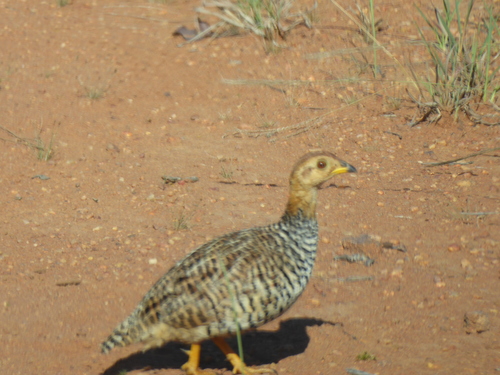
コクイシャコ (Campocolinus coqui) コクイシャコ
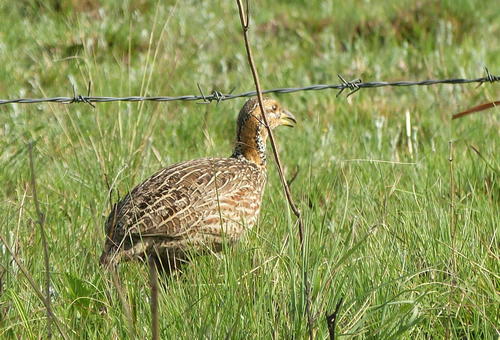
アカハネシャコ (Scleroptila levaillantii) アカハネシャコ

メディア

読み込み中…

要点

コクイシャコとアカハネシャコを区別する最も信頼できるフィールドマークは、アカハネシャコの上翼に存在する豊かな栗色のパネルです。特に飛行中や翼を部分的に開いた止まっている鳥で明らかです。コクイシャコはこれらの赤いパネルを完全に欠いています。未熟なアカハネシャコと成鳥のアカハネシャコの両方がこの特徴を示します。両種は小型で地上に生息するシャコで、体形は似ていますが、生息地や微妙な羽毛の違いが役立つことがあります。鳥が飛び立ち、翼に赤褐色の色合いが見えたら、それはアカハネシャコです。翼が単色の茶色であれば、それはコクイです。構造的な違いは微妙で、フィールドでは信頼できません。

識別のコツ

  1. 赤い上翼パネル: アカハネシャコはすべての年齢で上翼の覆羽に豊かな栗色のパッチを示し、飛行中やストレッチ中に見えます。コクイシャコはこれを決して示しません—その翼は単色の茶色です。これは最も信頼できるフィールドマークです。
  2. 飛行中の視界: 鳥を飛び立たせて翼に赤褐色や赤の閃光が見えたら、それはアカハネです。翼が均一に茶色であれば、それはコクイです。
  3. 翼を開いた止まっている鳥: アカハネシャコのために折りたたまれたまたは部分的に開いた翼の赤いパネルを探してください。コクイはこの色を決して示しません。
  4. 全体的な羽毛のトーン: アカハネシャコは上面や側面で暖かく、豊かで赤褐色に見える傾向がありますが、コクイは一般的により単調で、冷たい茶色で、より細かく縞模様があります。
  5. 背中と腹部のパターン: 両種は隠蔽的にマークされていますが、コクイはアカハネよりも細かく、あまり大胆にマークされていません。アカハネはより広い、豊かなストリークや縞模様を示すことがあります。
  6. 生息地の文脈: 湿った高地の草原や山地の草地ではアカハネシャコを期待してください。乾燥した、より開けたサバンナや森林ではコクイがより可能性があります。これはあくまで補助的な証拠として使用してください。
  7. サイズと構造: 両者はサイズと形が似ています。フィールドではこれに頼らないでください。
  8. くちばしと脚: フィールド使用のために、くちばしや脚の色/形に信頼できる違いは記載されていません。
  9. 性別と年齢: アカハネの赤い翼パネルは両性別とすべての年齢に存在します。コクイが翼に赤褐色を示す年齢や性別はありません。
  10. 声: ソースには診断的な声の違いは提供されていません。ここでの区別に声を使用しないでください。
  11. 混合群れ: 両種は通常ペアまたは小さなグループで、混ざっていません。
  12. 落とし穴—換羽中の鳥: 換羽中でも、アカハネシャコは翼に少なくともいくつかの赤褐色を保持するべきです。コクイはこれを決して示しません。
  13. 落とし穴—幼鳥の混乱: 幼鳥のアカハネシャコはまだ赤い翼パネルを示すため、このマークはすべての年齢で信頼できます。
  14. 落とし穴—照明: 照明が悪い場合、赤褐色のパネルは見えにくいかもしれません。確認のために、飛行中または翼を開いた状態で鳥を捕まえるようにしてください。
  15. 要約のヒント: 小さなシャコを見て不明な場合は、飛行中またはストレッチ中の上翼に焦点を当ててください—赤はアカハネ、単色の茶色はコクイです。

大きさ

両種は小型のシャコであり、全体的なサイズと比率は似ているため、サイズだけではフィールドでの信頼できるマークではありません。直接比較や測定なしでは、双眼鏡でサイズによって区別することは難しいでしょう。

羽色

主要な羽毛の違いは上翼です:すべての年齢のアカハネシャコは上翼の覆羽に目立つ栗色のパネルを持ち、特に飛行中や鳥が翼をストレッチしているときに見えます。コクイシャコは翼に赤褐色や赤を欠いています。その上翼は均一に茶色またはまだらで、他の上面と一致します。このコントラストは成鳥と未熟な個体の両方に有効です。地面では、両種は茶色、黒、バフの隠蔽的なパターンを持っていますが、アカハネシャコは全体的により豊かで暖かいトーンに見えることが多く、コクイはより単調で細かく縞模様があります。いずれの種についても年齢特有の上翼パターン(黒いWや後縁のような)は言及されていないため、赤いパネルが最良のマークです。

行動

両種は地上に生息し、刺激を受けると爆発的に飛び立つ傾向があり、短い距離を飛んでからカバーに戻ります。彼らの行動はシャコの典型的なもので、秘密主義的で、飛び立ったときにしか見られず、通常はペアまたは小さなグループでいます。フィールドで信頼できるように彼らを区別するための主要な行動の違いは記載されていません。

生息環境

アカハネシャコは通常、湿った草原、高地の草地、山地の地域に見られ、コクイシャコよりも高い標高や湿った生息地で見られることが多いです。コクイシャコは乾燥したサバンナ、開けた森林、草原を好み、時にはより乾燥したまたは混合した生息地にいます。湿った高地の草原にいる場合、アカハネがより可能性があります。乾燥した低地または混合した森林-草原ではコクイがより可能性があります。ただし、いくつかの重複があるため、生息地は注意して使用する必要があります。

より良い説明を送る

比較と同じ項目を使ってください。文章はすぐに公開されます。

The most reliable field mark to separate Coqui Francolin from Red-winged Francolin is the presence of rich chestnut-red panels on the upperwings of the Red-winged Francolin, especially obvious in flight and on perched birds with wings partly open; Coqui Francolin lacks these red panels entirely. Immature and adult Red-winged Francolins both show this feature. Both species are small, ground-dwelling francolins with similar body shapes, but habitat and subtle plumage differences can help. If you see a bird flush and catch a glimpse of rufous in the wings, it's Red-winged Francolin; if the wings are plain brown, it's Coqui. Structural differences are subtle and not reliable in the field.

  1. Red upperwing panel: Red-winged Francolin of all ages shows a rich chestnut-red patch on the upperwing coverts, visible in flight or when stretching. Coqui Francolin never shows this—its wings are plain brown. This is the single most reliable field mark.
  2. In-flight views: If you flush a bird and see a flash of rufous or red in the wings, it's Red-winged. If the wings are uniformly brown, it's Coqui.
  3. Perched birds with wings open: Look for the red panel on the folded or partially open wing for Red-winged Francolin. Coqui will never show this color.
  4. Overall plumage tone: Red-winged Francolin tends to look warmer, richer, and more rufous on the upperparts and flanks, while Coqui is generally plainer, colder brown, and more finely barred.
  5. Back and underpart pattern: Both species are cryptically marked, but Coqui is more finely vermiculated and less boldly marked than Red-winged, which can show broader, richer streaks and barring.
  6. Habitat context: In wet, upland grasslands or montane meadows, expect Red-winged Francolin. In drier, more open savanna or woodland, Coqui is more likely. Use this only as supporting evidence.
  7. Size and structure: Both are similar in size and shape; do not rely on this in the field.
  8. Bill and legs: No reliable differences in bill or leg color/shape are noted for field use.
  9. Sex and age: The red wing panel is present in both sexes and all ages for Red-winged; there is no age or sex where Coqui shows rufous in the wing.
  10. Voice: No diagnostic vocal differences are provided in the sources; do not use voice for separation here.
  11. Mixed flocks: Both species are usually in pairs or small groups, not mixed together.
  12. Pitfall—molting birds: Even in molt, Red-winged Francolin should retain at least some rufous in the wing; Coqui never shows this.
  13. Pitfall—juvenile confusion: Juvenile Red-winged Francolins still show the red wing panel, so this mark is reliable across all ages.
  14. Pitfall—lighting: In poor light, the rufous panel may be hard to see; try to catch the bird in flight or with wings open for confirmation.
  15. Summary tip: If you see a small francolin and are unsure, focus on the upperwing in flight or when stretching—red equals Red-winged, plain brown equals Coqui.

Both species are small francolins, and their overall size and proportions are similar enough that size alone is not a reliable field mark in the field. Without direct comparison or measurement, you are unlikely to separate them by size with binoculars.

The key plumage difference is the upperwing: Red-winged Francolin of all ages has prominent chestnut-red panels on the upperwing coverts, which are especially visible in flight or when the bird is stretching its wings. Coqui Francolin lacks any rufous or red in the wing; its upperwing is uniformly brown or mottled, matching the rest of the upperparts. This contrast is valid for both adults and immatures. On the ground, both species are cryptically patterned with brown, black, and buff, but Red-winged Francolin often appears richer and warmer-toned overall, while Coqui is plainer and more finely barred. No age-specific upperwing patterns (like black W's or trailing edges) are mentioned for either species, so the red panel is the best mark.

Both species are ground-dwelling and tend to flush explosively when disturbed, flying a short distance before dropping back into cover. Their behavior is typical of francolins: secretive, often only seen when flushed, and usually in pairs or small groups. There are no major behavioral differences noted that would reliably separate them in the field.

Red-winged Francolin is typically found in moist grasslands, upland meadows, and montane areas, often at higher elevations and in wetter habitats than Coqui Francolin. Coqui Francolin prefers drier savannas, open woodland, and grassland, sometimes in more arid or mixed habitats. If you are in a wet, high-altitude grassland, Red-winged is more likely; in drier, lower, or mixed woodland-grassland, Coqui is more probable. However, there is some overlap, so habitat should be used with caution.

変更を破棄しますか?

保存していない編集があります。今離れると失われます。

コクイシャコ · アカハネシャコ · 苦手な鳥