

Motmot

ハジロシロハラミズナギドリ 対 ウスヒメシロハラミズナギドリ

Pterodroma cookii 対 Pterodroma pycrofti

ハジロシロハラミズナギドリとウスヒメシロハラミズナギドリのクイズ
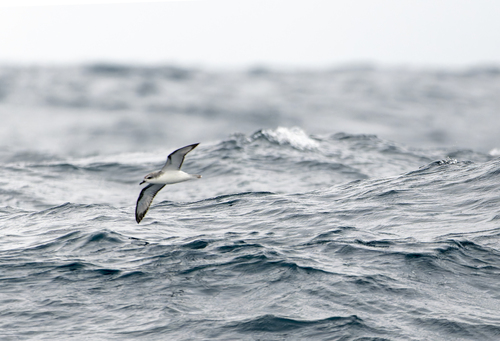
ハジロシロハラミズナギドリ (Pterodroma cookii) ハジロシロハラミズナギドリ
ウスヒメシロハラミズナギドリ (Pterodroma pycrofti) ウスヒメシロハラミズナギドリ

メディア

読み込み中…

要点

ハジロシロハラミズナギドリとウスヒメシロハラミズナギドリは非常に似ている小型のガドフライミズナギドリで、両者ともに灰色の上面に翼を横切る暗い'M'のマークと白い下面を持っています。最も信頼できるフィールドマークはウスヒメシロハラミズナギドリの淡い灰色の胸帯と暗いアイパッチで、ハジロシロハラミズナギドリにはこれらが欠けているか、はるかに目立たないです。構造的な違いは微妙ですが、ハジロシロハラミズナギドリは一般的にわずかに重く、翼が長いです。両種はニュージーランドに特有で、範囲と季節が重なっているため、微妙な羽毛の詳細と全体的な印象に注意を払うことが重要です。

識別のコツ

  1. Breast band: ウスヒメシロハラミズナギドリは、良好な光と近距離の視界で見える上胸に淡い灰色の帯を示すことがよくあります。ハジロシロハラミズナギドリはこの帯が欠けているか、非常に淡くしか示さないため、存在する場合はこれが最も有用なフィールドマークです。
  2. Eye patch: ウスヒメシロハラミズナギドリは目の周りに明確な暗い灰色のパッチを持ち、特に白い額に対してマスクされた外観を与えます。ハジロシロハラミズナギドリの顔はクリーンで対照が少なく、目の周りの暗さははるかに目立たないです。
  3. Upperwing pattern: 両種はガドフライミズナギドリに典型的な上翼に暗い'M'パターンを持っています。このマークは両者の間で診断的ではありませんが、その存在はグループを確認します。
  4. Underparts: 両種は白い下面を持っていますが、ウスヒメシロハラミズナギドリは胸帯からのわずかな影を示すことがあります。
  5. Bill structure: 両者は管状の鼻孔を持つ長い黒いくちばしを持っています。くちばしのサイズと形はフィールドで信頼できる違いはありません。
  6. Size and structure: ハジロシロハラミズナギドリはわずかに大きく重いですが、これは鳥が一緒に見られない限り、役に立つことはほとんどありません。両者は小型で細長い翼を持つミズナギドリです。
  7. Flight jizz: 両種は浮遊感のある滑空飛行を持ち、急速なシアリングを特徴とします。飛行スタイルの違いは文献に記録されていません。
  8. Forehead: 両種は白い額を持っていますが、ウスヒメシロハラミズナギドリのアイパッチとの対比はより鮮明です。
  9. Voice: ウスヒメシロハラミズナギドリはコロニーでti-ti-ti-tiと呼びますが、これは海では役に立ちません。どちらの種にも特有の海上での呼び声は記録されていません。
  10. Breeding season/context: 両者はニュージーランド北部の沖合の島で繁殖し、その範囲は重なっています。文脈は分離要因ではありません。
  11. Sex and age: これらの種に特有の性別または年齢のフィールドマークは文献に記録されていません。ウスヒメシロハラミズナギドリの胸帯とアイパッチはすべての年齢に適用されます。
  12. Common pitfalls: ウスヒメシロハラミズナギドリの胸帯の淡さと光の変動により、このマークが見えにくくなることがあります。露出オーバーまたは遠くからの視界では、両種が実際よりも平坦に見えることがあります。
  13. Plumage wear: 2種間での羽毛の摩耗や新鮮さに関する違いは記録されていません。
  14. Overlap with other petrels: 両者は他のクッキラリアミズナギドリ(例:ステイネジャーの)と混同されることがありますが、このペア内では胸帯とアイパッチに焦点を当ててください。
  15. Summary: ほとんどのフィールド状況では、ウスヒメシロハラミズナギドリの淡い胸帯と暗いアイパッチの存在を優先してください。これらのマークの欠如または弱さはハジロシロハラミズナギドリを示します。

大きさ

ハジロシロハラミズナギドリはわずかに大きく重く、通常約200gで、ウスヒメシロハラミズナギドリは平均約159g(範囲112–198g)です [wikidata]。両者は最小のPterodromaミズナギドリの中にあり、ハジロシロハラミズナギドリは長さ25–30cm、ウスヒメシロハラミズナギドリは約26cmです。翼幅はほぼ同じで、ハジロシロハラミズナギドリは65–66cmです。フィールドでは、このサイズの違いは微妙で、鳥が並んでいない限り診断的ではありません。

羽色

両種は典型的なガドフライミズナギドリの外観を共有しています:淡い灰色の上面に翼を横切る暗い'M'と白い下面。しかし、ウスヒメシロハラミズナギドリは淡い灰色の胸帯と目の周りの暗いパッチを示しますが、これらはハジロシロハラミズナギドリには欠けているか、はるかに目立たないです。額は両者ともに白ですが、アイパッチとの対比はウスヒメシロハラミズナギドリの方が強いです。両種は管状の鼻孔を持つ長い黒いくちばしを持っています。文献には年齢特有の上翼や幼鳥のパターンの違いは記録されていないため、これらのマークは飛行中または止まっているすべての年齢に適用されます。

行動

両種は外洋性で、繁殖コロニー以外では陸上からはほとんど見られません。彼らの飛行は通常、浮遊感があり滑空し、ガドフライミズナギドリの特徴です。フィールドでの分離を助ける行動の違いは文献に記録されていません。

生息環境

ハジロシロハラミズナギドリとウスヒメシロハラミズナギドリは、ニュージーランド北部の沖合の島で繁殖し、繁殖シーズン外では厳密に外洋性です。生息地は信頼できる分離要因ではなく、両者は類似の海洋環境で見られ、その繁殖範囲は重なります。

声

ウスヒメシロハラミズナギドリは繁殖コロニーでti-ti-ti-tiと呼びますが、これは海では信頼できるフィールドマークではありません。名前'tītī'は両種に使用され、文献にはハジロシロハラミズナギドリの特有の飛行または海上での呼び声は記載されていません。

より良い説明を送る

比較と同じ項目を使ってください。文章はすぐに公開されます。

Cook's Petrel and Pycroft's Petrel are extremely similar small gadfly petrels, both with grey upperparts marked by a dark 'M' across the wings and white underparts. The most reliable field mark is Pycroft's Petrel's faint grey breast band and dark eye patch, which are lacking or much less distinct in Cook's. Structural differences are subtle, but Cook's Petrel is generally slightly heavier and longer-winged. Both species are endemic to New Zealand and overlap in range and season, so careful attention to subtle plumage details and overall jizz is essential.

  1. Breast band: Pycroft's Petrel often shows a faint grey band across the upper breast, visible in good light and close views. Cook's Petrel lacks this band or shows it only very faintly; this is the single most useful field mark when present.
  2. Eye patch: Pycroft's Petrel has a distinct dark grey patch around the eye, giving a masked appearance, especially against the white forehead. Cook's Petrel's face is cleaner and less contrasting, with the dark around the eye much less marked.
  3. Upperwing pattern: Both species have a dark 'M' pattern across the upperwings, typical of gadfly petrels. This mark is not diagnostic between them, but its presence confirms the group.
  4. Underparts: Both species have white underparts, but Pycroft's may show a slight shadow from the breast band.
  5. Bill structure: Both have long, black bills with tubular nostrils. Bill size and shape are not reliably different in the field.
  6. Size and structure: Cook's Petrel is slightly larger and heavier, but this is rarely useful unless birds are seen together. Both are small, slender-winged petrels.
  7. Flight jizz: Both species have buoyant, gliding flight with rapid shearing. No documented difference in flight style.
  8. Forehead: Both species have a white forehead, but the contrast with the eye patch is sharper in Pycroft's.
  9. Voice: Pycroft's Petrel gives a ti-ti-ti-ti call at colonies, but this is not helpful at sea. No distinctive at-sea calls noted for either species.
  10. Breeding season/context: Both breed on offshore islands of northern New Zealand, and their ranges overlap. Context is not a separator.
  11. Sex and age: No sex- or age-specific field marks are documented for these species; the breast band and eye patch in Pycroft's apply to all ages.
  12. Common pitfalls: The faintness of Pycroft's breast band and variability in light can make this mark hard to see. Overexposed or distant views may make both species appear plainer than they are.
  13. Plumage wear: No documented differences in worn or fresh plumage between the two.
  14. Overlap with other petrels: Both can be confused with other Cookilaria petrels (e.g., Stejneger's), but within this pair, focus on the breast band and eye patch.
  15. Summary: In most field situations, prioritize the presence of a faint breast band and a dark eye patch for Pycroft's; absence or weakness of these marks points to Cook's.

Cook's Petrel is slightly larger and heavier, typically weighing around 200 g, while Pycroft's Petrel averages about 159 g (range 112–198 g) [wikidata]. Both are among the smallest Pterodroma petrels, with Cook's Petrel measuring 25–30 cm in length and Pycroft's Petrel about 26 cm. Wingspans are nearly identical, with Cook's at 65–66 cm. In the field, this size difference is subtle and rarely diagnostic unless birds are side by side.

Both species share the classic gadfly petrel look: pale grey upperparts with a dark 'M' across the wings and white underparts. However, Pycroft's Petrel shows a faint grey breast band and a dark patch around the eye, which are absent or much less marked in Cook's Petrel. The forehead is white in both, but the contrast with the eye patch is stronger in Pycroft's. Both species have a long, black bill with tubular nostrils. No age-specific upperwing or juvenile pattern differences are documented in the sources, so these marks apply to all ages seen in flight or perched.

Both species are pelagic and rarely seen from land except at breeding colonies. Their flight is typically buoyant and gliding, characteristic of gadfly petrels. There are no documented behavioral differences in the sources that aid field separation.

Both Cook's and Pycroft's Petrels breed on offshore islands of northern New Zealand and are strictly pelagic outside the breeding season. Habitat is not a reliable separator, as both can be found in similar marine environments and their breeding ranges overlap.

Pycroft's Petrel gives a ti-ti-ti-ti call at breeding colonies, but this is not a reliable field mark at sea. The name 'tītī' is used for both species, and no distinctive flight or at-sea calls are described for Cook's Petrel in the sources.

変更を破棄しますか?

保存していない編集があります。今離れると失われます。

ハジロシロハラミズナギドリ · ウスヒメシロハラミズナギドリ · 苦手な鳥