

Cook's Petrel vs Pycroft's Petrel
Pterodroma cookii contro Pterodroma pycrofti
Fai un quiz con Cook's Petrel e Pycroft's Petrel
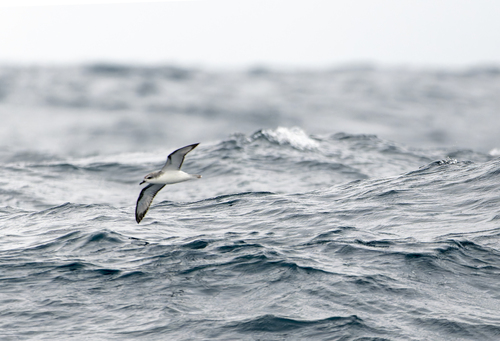 Cook's Petrel
 Pycroft's Petrel
In breve
Cook's Petrel e Pycroft's Petrel sono estremamente simili piccoli petrelli gadfly, entrambi con parti superiori grigie contrassegnate da una 'M' scura sulle ali e parti inferiori bianche. Il segno di campo più affidabile è la debole banda grigia sul petto di Pycroft's Petrel e la macchia scura attorno all'occhio, che mancano o sono molto meno distinte in Cook's. Le differenze strutturali sono sottili, ma Cook's Petrel è generalmente leggermente più pesante e con ali più lunghe. Entrambe le specie sono endemiche della Nuova Zelanda e si sovrappongono in distribuzione e stagione, quindi è essenziale prestare attenzione ai dettagli sottili del piumaggio e all'aspetto generale.
Consigli di identificazione
- Breast band: Pycroft's Petrel spesso mostra una debole banda grigia sul petto superiore, visibile in buona luce e da vicino. Cook's Petrel manca di questa banda o la mostra solo molto debolmente; questo è il segno di campo più utile quando presente.
- Eye patch: Pycroft's Petrel ha una distintiva macchia grigia scura attorno all'occhio, dando un aspetto mascherato, specialmente contro la fronte bianca. Cook's Petrel's faccia è più pulita e meno contrastante, con il scuro attorno all'occhio molto meno marcato.
- Upperwing pattern: Entrambe le specie hanno un modello 'M' scuro sulle ali superiori, tipico dei petrelli gadfly. Questo segno non è diagnostico tra di loro, ma la sua presenza conferma il gruppo.
- Underparts: Entrambe le specie hanno parti inferiori bianche, ma Pycroft's può mostrare un leggero ombra dalla banda sul petto.
- Bill structure: Entrambi hanno becchi lunghi e neri con narici tubolari. La dimensione e la forma del becco non sono affidabilmente diverse sul campo.
- Size and structure: Cook's Petrel è leggermente più grande e più pesante, ma questo è raramente utile a meno che gli uccelli non siano visti insieme. Entrambi sono piccoli petrelli con ali slanciate.
- Flight jizz: Entrambe le specie hanno un volo galleggiante e planante con rapida scorrimento. Nessuna differenza documentata nello stile di volo.
- Forehead: Entrambe le specie hanno una fronte bianca, ma il contrasto con la macchia attorno all'occhio è più netto in Pycroft's.
- Voice: Pycroft's Petrel emette un richiamo ti-ti-ti-ti nelle colonie, ma questo non è utile in mare. Nessun distintivo richiami in mare notati per entrambe le specie.
- Breeding season/context: Entrambi nidificano su isole al largo della Nuova Zelanda settentrionale, e le loro aree di distribuzione si sovrappongono. Il contesto non è un separatore.
- Sex and age: Non sono documentati segni di campo specifici per sesso o età per queste specie; la banda sul petto e la macchia attorno all'occhio in Pycroft's si applicano a tutte le età.
- Common pitfalls: La debolezza della banda sul petto di Pycroft's e la variabilità della luce possono rendere questo segno difficile da vedere. Viste sovraesposte o distanti possono far apparire entrambe le specie più semplici di quanto siano.
- Plumage wear: Non sono state documentate differenze nel piumaggio usurato o fresco tra i due.
- Overlap with other petrels: Entrambi possono essere confusi con altri petrelli Cookilaria (ad es., Stejneger's), ma all'interno di questa coppia, concentrati sulla banda sul petto e sulla macchia attorno all'occhio.
- Summary: Nella maggior parte delle situazioni sul campo, dai priorità alla presenza di una debole banda sul petto e a una macchia scura attorno all'occhio per Pycroft's; l'assenza o la debolezza di questi segni indica Cook's.
Taglia
Cook's Petrel è leggermente più grande e più pesante, tipicamente pesando circa 200 g, mentre Pycroft's Petrel pesa in media circa 159 g (intervallo 112–198 g) [wikidata]. Entrambi sono tra i più piccoli petrelli Pterodroma, con Cook's Petrel che misura 25–30 cm di lunghezza e Pycroft's Petrel circa 26 cm. Le aperture alari sono quasi identiche, con Cook's a 65–66 cm. Sul campo, questa differenza di dimensione è sottile e raramente diagnostica a meno che gli uccelli non siano affiancati.
Piumaggio
Entrambe le specie condividono l'aspetto classico del petrello gadfly: parti superiori grigie pallide con una 'M' scura sulle ali e parti inferiori bianche. Tuttavia, Pycroft's Petrel mostra una debole banda grigia sul petto e una macchia scura attorno all'occhio, che sono assenti o molto meno marcate in Cook's Petrel. La fronte è bianca in entrambe, ma il contrasto con la macchia attorno all'occhio è più forte in Pycroft's. Entrambe le specie hanno un lungo becco nero con narici tubolari. Non sono state documentate differenze specifiche per età nel modello delle ali superiori o nei giovani nelle fonti, quindi questi segni si applicano a tutte le età viste in volo o appollaiate.
Comportamento
Entrambe le specie sono pelagiche e raramente viste dalla terra se non nelle colonie di nidificazione. Il loro volo è tipicamente galleggiante e planante, caratteristico dei petrelli gadfly. Non ci sono differenze comportamentali documentate nelle fonti che aiutino nella separazione sul campo.
Habitat
Entrambi Cook's e Pycroft's Petrels nidificano su isole al largo della Nuova Zelanda settentrionale e sono strettamente pelagici al di fuori della stagione di nidificazione. L'habitat non è un separatore affidabile, poiché entrambi possono essere trovati in ambienti marini simili e le loro aree di nidificazione si sovrappongono.
Voce
Pycroft's Petrel emette un richiamo ti-ti-ti-ti nelle colonie di nidificazione, ma questo non è un segno di campo affidabile in mare. Il nome 'tītī' è usato per entrambe le specie, e non sono stati descritti richiami distintivi in volo o in mare per Cook's Petrel nelle fonti.