

Motmot

カオグロアメリカムシクイ 対 クロズキンアメリカムシクイ

Geothlypis trichas 対 Setophaga citrina

カオグロアメリカムシクイとクロズキンアメリカムシクイのクイズ
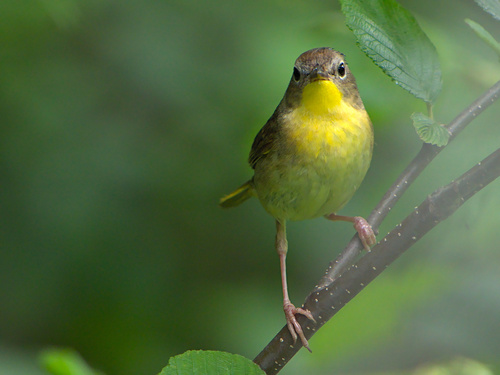
カオグロアメリカムシクイ (Geothlypis trichas) カオグロアメリカムシクイ
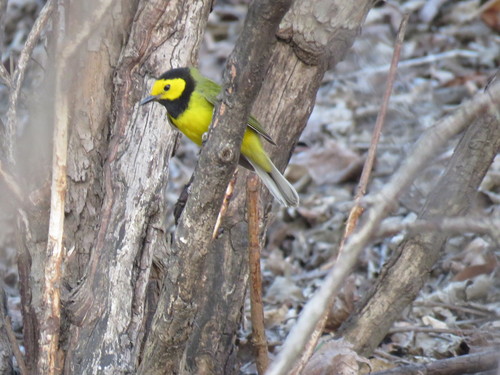
クロズキンアメリカムシクイ (Setophaga citrina) クロズキンアメリカムシクイ

メディア

読み込み中…

要点

最も信頼できるフィールドマークは、成鳥オスのカオグロアメリカムシクイに見られる太い黒い顔のマスクであり、成鳥オスのクロズキンアメリカムシクイには喉と冠を含む完全な黒いフードがあります。両種の雌と幼鳥はこれらの強い黒いマーキングを欠いており、混同されやすいですが、クロズキンアメリカムシクイは常にオリーブグリーンのキャップを持つきれいな無地の黄色い顔を示し、カオグロアメリカムシクイの雌と幼鳥は鈍い黄色の腹部とより均一なオリーブ色の顔を持っています。飛行中、クロズキンアメリカムシクイは白い外尾羽を示し、これはカオグロアメリカムシクイには決して見られません。両者は小型のオリーブ背のムシクイで黄色の腹部を持っていますが、顔のパターン、尾、そして生息地の使用における微妙な違いがそれらを区別するのに役立ちます。声と行動も役立つことがあります、特に羽毛があいまいな場合に。

識別のコツ

  1. 成鳥オスの顔のパターン: カオグロアメリカムシクイでは目と額を横切る黒いマスク(上部は白/灰色で縁取られている)を探してください。クロズキンアメリカムシクイでは、黄色い顔全体を囲む完全な黒いフード(冠と喉を含む)を探してください。これは成鳥オスにとって最も信頼できるマークです。
  2. 雌と幼鳥の顔: 雌と幼鳥のクロズキンアメリカムシクイは、額、耳、または喉にまで及ばないオリーブグリーンのキャップを持つ明確な黄色い顔を示します。カオグロアメリカムシクイの雌と幼鳥は、より均一なオリーブ色の顔と淡い黄色の腹部を持ち、特に目立つキャップはありません。
  3. 1年目のオスのカオグロアメリカムシクイ: 春には薄い部分的な黒いマスクを示すことがありますが、完全なフードは決してありません。クロズキンアメリカムシクイのオスは9〜12ヶ月になるまで完全なフードを獲得しないため、若いオスは雌に似ています。
  4. 尾の白: クロズキンアメリカムシクイは常に白い外尾羽を示し、飛行中や尾を振るときに見えます。カオグロアメリカムシクイは尾に白を示しません。
  5. 腹部の色: クロズキンアメリカムシクイは通常、より明るく、より飽和した黄色の腹部を持っています。カオグロアメリカムシクイは特に雌と幼鳥では鈍いことが多いです。
  6. 背中の色: 両者はオリーブ背ですが、クロズキンアメリカムシクイはやや緑がかったり茶色がかったオリーブに見えることがあります。これは微妙で、常に信頼できるわけではありません。
  7. 生息地: 湿地、葦、または湿った茂みのある地域ではカオグロアメリカムシクイを期待してください。成熟した広葉樹の森で密な下草がある場合は、クロズキンアメリカムシクイを期待してください。
  8. 行動: クロズキンアメリカムシクイはしばしば尾を振って白を見せます。カオグロアメリカムシクイは素早く低く動き、しばしば密な植生の中に隠れています。
  9. 歌: カオグロアメリカムシクイは「twichety twichety twichety twich」と歌います。クロズキンアメリカムシクイは「wheeta wheeta whee-tee-oh」またはそれに似たものを歌います。これらを耳で覚えて迅速に区別してください。
  10. 呼び声: クロズキンアメリカムシクイは大きな「chip」を出します。カオグロアメリカムシクイは柔らかい「jip」を出します。
  11. 地理的範囲: クロズキンアメリカムシクイは北アメリカの東部に限定されています。カオグロアメリカムシクイは大陸全体に広がっています。西部では、黄色いムシクイはほぼ常にカオグロアメリカムシクイです。
  12. 季節: 両種は北部で渡りを行いますが、カオグロアメリカムシクイは南部のアメリカとメキシコで冬に見られる可能性が高いです。クロズキンアメリカムシクイはさらに南で冬を越します。
  13. くちばしと構造: ソースには強い違いは記載されていませんが、クロズキンアメリカムシクイはやや尾が長く、より細身に見えることがあります。通常はフィールドで診断的ではありません。
  14. 亜種の変異: 一部のカオグロアメリカムシクイの亜種(特に南西部のもの)は、下側がより明るい黄色ですが、完全な黒いフードや尾の白を示すことはありません。
  15. 落とし穴: 幼鳥と雌のクロズキンアメリカムシクイは他の黄色い顔のムシクイと混同されることがありますが、黄色い顔、オリーブグリーンのキャップ、尾の白の組み合わせはユニークです。

大きさ

クロズキンアメリカムシクイは全体的にやや大きく、長さ約13 cm(5.1インチ)、体重9〜12 g、翼幅17.5 cm(6.9インチ)です [wikipedia]。カオグロアメリカムシクイはやや小さく、よりコンパクトですが、正確な測定値はノートには記載されていません。フィールドでは、このサイズの違いは微妙で、両種が並んで見られない限り通常は診断的ではありません。

羽色

行動

両種は密な植生の中で低く餌を探しますが、クロズキンアメリカムシクイはフライキャッチングや止まり木からのサリーを行うのがより一般的で、しばしば尾を振って白い外羽を見せます。カオグロアメリカムシクイは湿地、葦、または厚い茂みの中で隠れる傾向があり、素早く動き、しばしば隠れています。クロズキンアメリカムシクイは密な下草のある成熟した森林で見られる可能性が高く、カオグロアメリカムシクイはより湿った、開けた、またはエッジのある生息地を好みます。

生息環境

カオグロアメリカムシクイは北アメリカの多くの湿地、湿地帯、茂みのあるエッジに豊富に生息しており、特に密で低い植生のある地域で見られます。クロズキンアメリカムシクイは、主に米国東部と南オンタリオの密な下草のある広葉樹の森林で繁殖します。湿った開けた湿地で黄色いムシクイを見つけた場合、それはカオグロアメリカムシクイである可能性が高いです。成熟した日陰の森で厚い下草がある場合、クロズキンアメリカムシクイである可能性が高いです。

声

カオグロアメリカムシクイの歌は大きく繰り返される「twichety twichety twichety twich」であり、その呼び声は柔らかい「jip」です。クロズキンアメリカムシクイの歌は一連の音楽的な音で、しばしば「wheeta wheeta whee-tee-oh」と表現され(記憶法:「赤、赤のTシャツ」または「森に来なければ見えない」)、大きな「chip」の呼び声があります。歌はかなり異なりますが、両者は変動することがあり、リズムが重なることもあります。呼び声はより明確で、クロズキンアメリカムシクイのものは鋭く大きいです。

より良い説明を送る

比較と同じ項目を使ってください。文章はすぐに公開されます。

The most reliable field mark is the presence of a bold black facial mask in adult male Common Yellowthroat, versus the full black hood (including throat and crown) in adult male Hooded Warbler. Females and immatures of both species lack these strong black markings and are easily confused, but Hooded Warbler always shows a clean, unmarked yellow face with an olive-green cap, while Common Yellowthroat females and immatures have duller yellow underparts and a more uniform olive face. In flight, Hooded Warbler shows white outer tail feathers, a feature never present on Common Yellowthroat. Both are small, olive-backed warblers with yellow underparts, but subtle differences in face pattern, tail, and habitat use help separate them. Voice and behavior can also be useful, especially when plumage is ambiguous.

  1. Adult male face pattern: Look for a black mask (across eyes and forehead, bordered above with white/gray) in Common Yellowthroat; look for a full black hood (surrounding the entire yellow face, including crown and throat) in Hooded Warbler. This is the most reliable mark for adult males.
  2. Female and immature face: Female and immature Hooded Warbler shows a clear yellow face with an olive-green cap, which does not extend to the forehead, ears, or throat. Common Yellowthroat females and immatures have a more uniform olive face and paler yellow underparts, lacking any distinct cap.
  3. First-year male Common Yellowthroat: May show a faint, partial black mask by spring, but never a full hood. Hooded Warbler males do not acquire the full hood until 9–12 months old, so young males resemble females.
  4. White in tail: Hooded Warbler always shows white outer tail feathers (outer rectrices), visible in flight or when flicking the tail. Common Yellowthroat never shows white in the tail.
  5. Underparts color: Hooded Warbler typically has brighter, more saturated yellow underparts; Common Yellowthroat is often duller, especially in females and immatures.
  6. Back color: Both are olive-backed, but Hooded Warbler may appear slightly more greenish or brownish-olive. This is subtle and not always reliable.
  7. Habitat: In marshes, reeds, or wet brushy areas, expect Common Yellowthroat. In mature, broadleaved forests with dense understory, expect Hooded Warbler.
  8. Behavior: Hooded Warbler often flicks its tail to show white; Common Yellowthroat moves quickly and low, often remaining hidden in dense vegetation.
  9. Song: Common Yellowthroat sings "twichety twichety twichety twich"; Hooded Warbler sings "wheeta wheeta whee-tee-oh" or similar. Learn these by ear for quick separation.
  10. Call notes: Hooded Warbler gives a loud "chip"; Common Yellowthroat gives a soft "jip."
  11. Geographic range: Hooded Warbler is restricted to eastern North America; Common Yellowthroat is widespread across the continent. In the west, a yellowthroat is almost always Common Yellowthroat.
  12. Season: Both species are migratory in the north, but Common Yellowthroat is more likely to be found in winter in southern US and Mexico. Hooded Warbler winters farther south.
  13. Bill and structure: No strong differences noted in the sources, but Hooded Warbler may appear slightly longer-tailed and more slender. Not usually diagnostic in the field.
  14. Subspecies variation: Some Common Yellowthroat subspecies (especially in the southwest) are brighter yellow below, but never show a full black hood or white in the tail.
  15. Pitfall: Immature and female Hooded Warbler can be confused with other yellow-faced warblers, but the combination of yellow face, olive-green cap, and white in tail is unique.

Hooded Warbler is slightly larger overall, measuring about 13 cm (5.1 in) in length and weighing 9–12 g, with a wingspan of 17.5 cm (6.9 in) [wikipedia]. Common Yellowthroat is somewhat smaller and more compact, but exact measurements are not provided in the notes. In the field, this size difference is subtle and not usually diagnostic unless both species are seen side by side.

  • Juvenile/Immature birds: Both species' immatures and females lack the strong black markings of adult males, making them tricky to separate. However, Hooded Warbler immatures and females have a clear yellow face with an olive-green cap that does not extend to the forehead, ears, or throat, while Common Yellowthroat immatures and females have a more uniform olive face and paler yellow underparts. First-year male Common Yellowthroat may show a faint black mask, especially by spring, but never a full hood.
  • Adult males: Common Yellowthroat males have a black mask across the eyes and forehead, bordered above with white or gray, and yellow throat and chest. Hooded Warbler males have a full black hood covering the crown, nape, and throat, with a bright yellow face and underparts. The black on Hooded Warbler is more extensive and surrounds the entire face, not just the eyes.
  • Wings and Tail: Hooded Warbler shows white outer tail feathers (outer rectrices) in all plumages, especially visible in flight or when flicking the tail. Common Yellowthroat lacks any white in the tail.
  • Back and Upperparts: Both species have olive backs, but Hooded Warbler's is sometimes described as more greenish or brownish-olive. This is subtle and not always reliable.

Both species forage low in dense vegetation, but Hooded Warbler is more likely to be seen flycatching or sallying from perches, often flicking its tail to reveal white outer feathers. Common Yellowthroat tends to skulk in marshes, reeds, or thick brush, moving quickly and often remaining hidden. Hooded Warbler is more likely to be seen in mature woodlands with dense undergrowth, while Common Yellowthroat prefers wetter, more open, or edge habitats.

Common Yellowthroat is abundant in marshes, wetlands, and brushy edges across much of North America, especially in areas with dense, low vegetation. Hooded Warbler breeds in broadleaved woodlands with dense undergrowth, mainly in the eastern US and southern Ontario. If you find a yellow warbler in a wet, open marsh, it's more likely a Common Yellowthroat; in a mature, shady forest with thick understory, Hooded Warbler is more likely.

Common Yellowthroat's song is a loud, repetitive "twichety twichety twichety twich," and its call is a soft "jip." Hooded Warbler's song is a series of musical notes, often rendered as "wheeta wheeta whee-tee-oh" (mnemonic: "The red, the red T-shirt" or "Come to the woods or you won't see me"), with a loud "chip" call. The songs are quite different, but both can be variable and may overlap in rhythm. Calls are more distinct, with Hooded Warbler's being sharper and louder.

変更を破棄しますか?

保存していない編集があります。今離れると失われます。

カオグロアメリカムシクイ · クロズキンアメリカムシクイ · 苦手な鳥