

Common Yellowthroat vs Hooded Warbler
Geothlypis trichas contro Setophaga citrina
Fai un quiz con Common Yellowthroat e Hooded Warbler
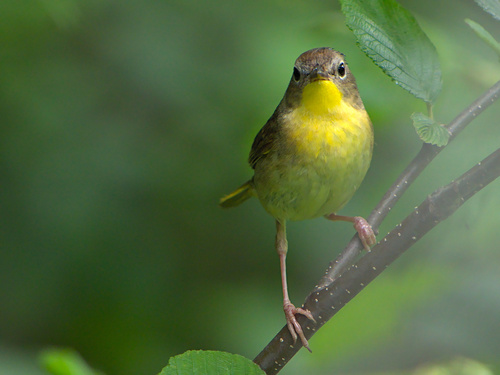 Common Yellowthroat
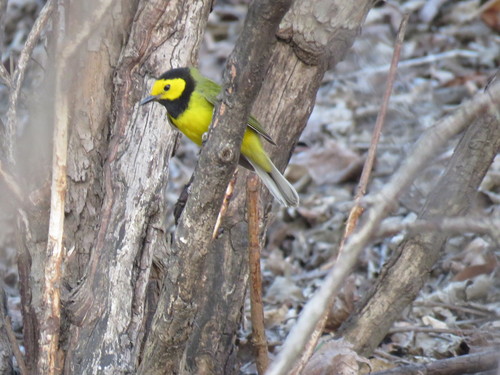 Hooded Warbler
In breve
Il segno distintivo più affidabile è la presenza di una maschera facciale nera audace nel maschio adulto di Common Yellowthroat, rispetto al cappuccio nero completo (incluso il collo e la corona) nel maschio adulto di Hooded Warbler. Le femmine e gli immaturi di entrambe le specie mancano di queste forti marcature nere e sono facilmente confusi, ma Hooded Warbler mostra sempre un viso giallo pulito e senza segni con un cappuccio verde oliva, mentre le femmine e gli immaturi di Common Yellowthroat hanno parti inferiori gialle più opache e un viso oliva più uniforme. In volo, Hooded Warbler mostra piume esterne della coda bianche, una caratteristica mai presente in Common Yellowthroat. Entrambi sono piccoli warbler con dorso oliva e parti inferiori gialle, ma sottili differenze nel modello del viso, nella coda e nell'uso dell'habitat aiutano a separarli. La voce e il comportamento possono anche essere utili, specialmente quando il piumaggio è ambiguo.
Consigli di identificazione
- Adult male face pattern: Cerca una maschera nera (sugli occhi e sulla fronte, bordata sopra con bianco/grigio) in Common Yellowthroat; cerca un cappuccio nero completo (che circonda l'intero viso giallo, inclusa la corona e il collo) in Hooded Warbler. Questo è il segno più affidabile per i maschi adulti.
- Female and immature face: La femmina e l'immaturo di Hooded Warbler mostrano un viso giallo chiaro con un cappuccio verde oliva, che non si estende alla fronte, alle orecchie o al collo. Le femmine e gli immaturi di Common Yellowthroat hanno un viso oliva più uniforme e parti inferiori gialle più chiare, senza alcun cappuccio distintivo.
- First-year male Common Yellowthroat: Può mostrare una leggera maschera nera parziale in primavera, ma mai un cappuccio completo. I maschi di Hooded Warbler non acquisiscono il cappuccio completo fino a 9–12 mesi, quindi i giovani maschi assomigliano alle femmine.
- White in tail: Hooded Warbler mostra sempre piume esterne della coda bianche (rettici esterni), visibili in volo o quando sbatte la coda. Common Yellowthroat non mostra mai bianco nella coda.
- Underparts color: Hooded Warbler tipicamente ha parti inferiori gialle più brillanti e più satinate; Common Yellowthroat è spesso più opaco, specialmente nelle femmine e negli immaturi.
- Back color: Entrambi sono olive-back, ma Hooded Warbler può apparire leggermente più verdastro o bruno-olivastro. Questo è sottile e non sempre affidabile.
- Habitat: Nei pantani, canneti o aree boscose umide, aspettati Common Yellowthroat. In foreste mature a foglia larga con sottobosco denso, aspettati Hooded Warbler.
- Behavior: Hooded Warbler spesso sbatte la coda per mostrare il bianco; Common Yellowthroat si muove rapidamente e in basso, rimanendo spesso nascosto nella vegetazione densa.
- Song: Common Yellowthroat canta "twichety twichety twichety twich"; Hooded Warbler canta "wheeta wheeta whee-tee-oh" o simile. Impara questi a orecchio per una rapida separazione.
- Call notes: Hooded Warbler emette un forte "chip"; Common Yellowthroat emette un morbido "jip."
- Geographic range: Hooded Warbler è limitato all'est dell'America del Nord; Common Yellowthroat è diffuso in tutto il continente. A ovest, un yellowthroat è quasi sempre Common Yellowthroat.
- Season: Entrambe le specie sono migratorie a nord, ma Common Yellowthroat è più probabile che venga trovato in inverno nel sud degli Stati Uniti e in Messico. Hooded Warbler sverna più a sud.
- Bill and structure: Non sono state notate forti differenze nelle fonti, ma Hooded Warbler può apparire leggermente più lungo di coda e più snello. Non è solitamente diagnostico sul campo.
- Subspecies variation: Alcune sottospecie di Common Yellowthroat (soprattutto nel sud-ovest) sono di un giallo più brillante sotto, ma non mostrano mai un cappuccio nero completo o bianco nella coda.
- Pitfall: Gli immaturi e le femmine di Hooded Warbler possono essere confusi con altri warbler dal viso giallo, ma la combinazione di viso giallo, cappuccio verde oliva e bianco nella coda è unica.
Taglia
Hooded Warbler è leggermente più grande nel complesso, misurando circa 13 cm (5.1 in) di lunghezza e pesando 9–12 g, con un'apertura alare di 17.5 cm (6.9 in) [wikipedia]. Common Yellowthroat è leggermente più piccolo e più compatto, ma le misure esatte non sono fornite nelle note. Sul campo, questa differenza di dimensioni è sottile e non è solitamente diagnostica a meno che entrambe le specie non siano viste fianco a fianco.
Piumaggio
- Juvenile/Immature birds: Gli immaturi e le femmine di entrambe le specie mancano delle forti marcature nere dei maschi adulti, rendendoli difficili da separare. Tuttavia, gli immaturi e le femmine di Hooded Warbler hanno un viso giallo chiaro con un cappuccio verde oliva che non si estende alla fronte, alle orecchie o al collo, mentre gli immaturi e le femmine di Common Yellowthroat hanno un viso oliva più uniforme e parti inferiori gialle più chiare. Il maschio di Common Yellowthroat del primo anno può mostrare una leggera maschera nera, specialmente in primavera, ma mai un cappuccio completo.
- Adult males: I maschi di Common Yellowthroat hanno una maschera nera sugli occhi e sulla fronte, bordata sopra con bianco o grigio, e un collo e un petto gialli. I maschi di Hooded Warbler hanno un cappuccio nero completo che copre la corona, il nape e il collo, con un viso e parti inferiori gialli brillanti. Il nero su Hooded Warbler è più esteso e circonda l'intero viso, non solo gli occhi.
- Wings and Tail: Hooded Warbler mostra piume esterne della coda bianche (rettici esterni) in tutti i piumaggi, specialmente visibili in volo o quando sbatte la coda. Common Yellowthroat non ha alcun bianco nella coda.
- Back and Upperparts: Entrambe le specie hanno dorso oliva, ma quello di Hooded Warbler è talvolta descritto come più verdastro o bruno-olivastro. Questo è sottile e non sempre affidabile.
Comportamento
Entrambe le specie cercano cibo in basso nella vegetazione densa, ma Hooded Warbler è più probabile da vedere mentre cattura insetti in volo o si lancia da posatoi, spesso sbattendo la coda per rivelare piume esterne bianche. Common Yellowthroat tende a nascondersi nei pantani, canneti o folti cespugli, muovendosi rapidamente e rimanendo spesso nascosto. Hooded Warbler è più probabile da vedere in boschi maturi con sottobosco denso, mentre Common Yellowthroat preferisce habitat più umidi, aperti o ai margini.
Habitat
Common Yellowthroat è abbondante in pantani, zone umide e bordi cespugliosi in gran parte del Nord America, specialmente in aree con vegetazione bassa e densa. Hooded Warbler nidifica in boschi a foglia larga con sottobosco denso, principalmente negli Stati Uniti orientali e nel sud dell'Ontario. Se trovi un warbler giallo in un pantano umido e aperto, è più probabile che sia un Common Yellowthroat; in una foresta matura e ombrosa con un fitto sottobosco, è più probabile che sia un Hooded Warbler.
Voce
Il canto di Common Yellowthroat è un forte e ripetitivo "twichety twichety twichety twich," e il suo richiamo è un morbido "jip." Il canto di Hooded Warbler è una serie di note musicali, spesso rese come "wheeta wheeta whee-tee-oh" (mnemonico: "La maglietta rossa, la maglietta rossa" o "Vieni nei boschi o non mi vedrai"), con un forte richiamo "chip". I canti sono abbastanza diversi, ma entrambi possono essere variabili e possono sovrapporsi nel ritmo. I richiami sono più distintivi, con quello di Hooded Warbler che è più acuto e forte.
Common Yellowthroat · Hooded Warbler · I miei uccelli difficili