

Motmot

オナガサイホウチョウ 対 Brown-throated Sunbird

Orthotomus sutorius 対 Anthreptes malacensis

オナガサイホウチョウとBrown-throated Sunbirdのクイズ
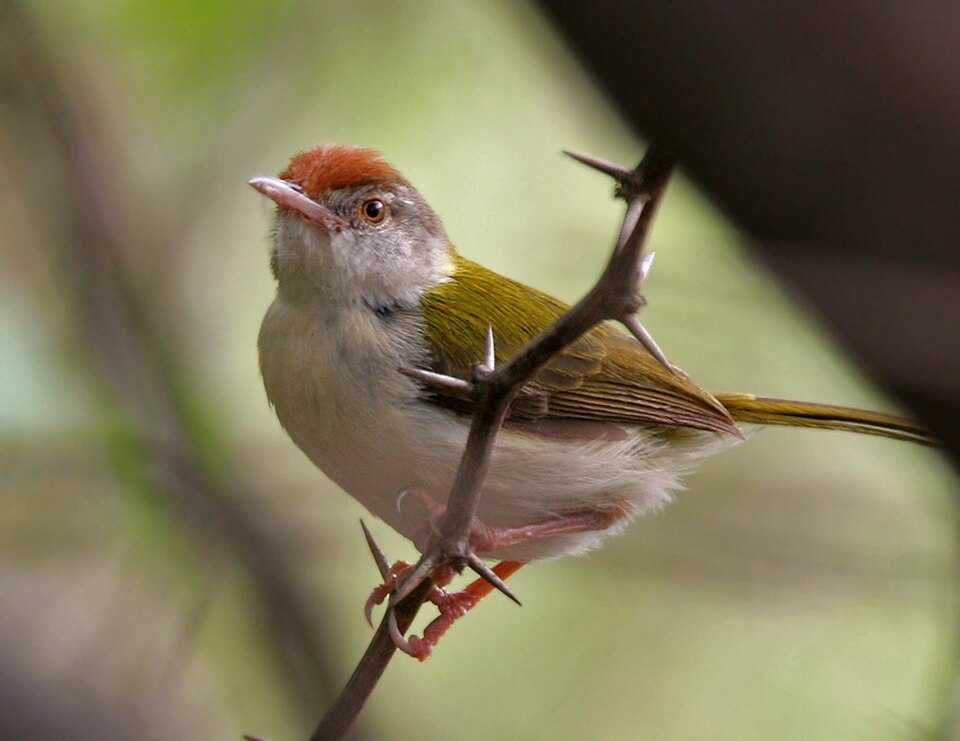
オナガサイホウチョウ (Orthotomus sutorius) オナガサイホウチョウ
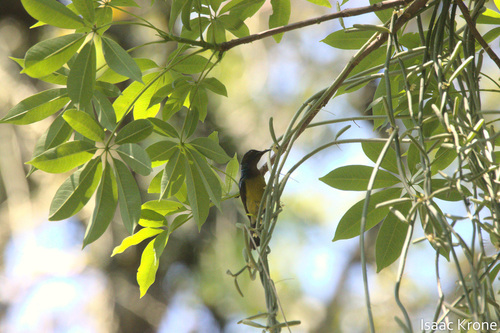
Brown-throated Sunbird (Anthreptes malacensis) Brown-throated Sunbird

メディア

読み込み中…

要点

オナガサイホウチョウとブラウンセイタカの最も信頼できるフィールドマークは、全体の構造と尾です:オナガサイホウチョウは小さく、細身で、ウグイスのような鳥で、長く、しばしば立てられた尾と細く、わずかに下向きのくちばしを持っていますが、セイタカはずっしりとしており、太く、まっすぐなくちばしとずっと短い尾を持っています。成鳥のオスのブラウンセイタカは、虹色の緑と紫の上面と明るい黄色の下面で間違いなく識別できますが、メスや幼鳥は一見するとオナガサイホウチョウと混同されることがあります。しかし、鈍い羽色でも、セイタカの重いくちばし、ずっしりとした体型、赤褐色の冠の欠如が重要です。両種は庭や半開放的な生息地に見られますが、オナガサイホウチョウは密な低木の中を飛び回るのがより一般的で、セイタカはよりオープンに花を訪れることが多いです。もし小さく、明るい緑の鳥が長く、直立した尾と赤褐色の冠を持っているのを見たら、それはオナガサイホウチョウです;もしその鳥がずっしりとしていて、太いくちばしと短い尾を持っているなら、特に花の中で餌を食べている場合、それはセイタカです。

識別のコツ

  1. 尾の長さと姿勢:オナガサイホウチョウは長く、しばしば立てられた尾を持ち、頻繁に振ったり持ち上げたりします。セイタカはずっと短い尾を持ち、めったに振ったり立てたりしません。
  2. くちばしの形と太さ:オナガサイホウチョウのくちばしは細く、わずかに下向きで繊細です;セイタカのくちばしは太く、まっすぐで、鳥のサイズに対して明らかに重いです。
  3. 冠の色:オナガサイホウチョウのすべての年齢と性別は赤褐色の冠を示し、これはセイタカには欠けている重要なフィールドマークです。セイタカは無地のオリーブ色または虹色の冠を持っています。
  4. 全体の構造:オナガサイホウチョウは細身で、ウグイスのようで、敏捷です;セイタカはずっしりとしており、より頑丈な体と重い頭とくちばしを持っています。
  5. 羽色の明るさ:オスのセイタカは虹色の緑/紫の上面と明るい黄色の下面で間違いなく識別できます。オナガサイホウチョウは決して虹色ではなく、常にクリーミーな下面を持っています。
  6. メス/幼鳥の混同:メスや若いセイタカは上面がオリーブ色で下面が黄色がかって見えることがありますが、赤褐色の冠が欠けており、オナガサイホウチョウに比べてくちばしが太く、尾が短いです。常に冠の色とくちばしの構造を確認してください。
  7. 顔の模様:オナガサイホウチョウは赤褐色の冠と淡い下面でより対照的な顔を持っていますが、セイタカは特にメスや幼鳥ではより地味な顔を持っています。
  8. 行動:オナガサイホウチョウは落ち着きがなく、しばしば隠れており、尾を振ります;セイタカはよりオープンに花で餌を食べているのが見られ、より意図的に動きます。
  9. 生息地の文脈:オナガサイホウチョウは密で絡み合った植生を好みます;セイタカは花を持つ植物がある半開放的な場所にいることが多いです。
  10. 餌の行動:もしその鳥が花の中で蜜を探っているなら、特にオープンであれば、セイタカの可能性が高いです;オナガサイホウチョウはこのように餌を食べることはめったにありません。
  11. 鳴き声:大きく、繰り返しの「チュウ」という鳴き声はオナガサイホウチョウの強い指標です;セイタカの鳴き声はここでは説明されていません。
  12. 性差:オスのセイタカだけが非常にカラフルです;オナガサイホウチョウの性別は繁殖期のオスの長い中央尾羽を除いて似ています(フィールドでは常に信頼できるわけではありません)。
  13. 幼鳥の混同:若いオナガサイホウチョウは鈍いですが、赤褐色の冠を示します;若いセイタカは赤褐色の冠が欠けており、くちばしが太くなっています。
  14. 止まっている時と飛んでいる時:オナガサイホウチョウは尾を立てて振りながら止まることが多いですが、セイタカは尾を下げてより水平に止まります。
  15. サイズの印象:オナガサイホウチョウは小さくて繊細に見え、セイタカはその長さに対してより重く、頑丈に見えます。

大きさ

オナガサイホウチョウはブラウンセイタカよりも小さく、軽いです(体重約7.5 g、長さ10–14 cm); ブラウンセイタカは(体重7.4–13.5 g、長さ約14 cm)よりも重く、ずっしりとしています。セイタカはその長さに対して重く、明らかに太いくちばしとより頑丈な体を持っています。オナガサイホウチョウはより繊細で細身に見え、相対的にずっと長い尾を持っています。フィールドでは、オナガサイホウチョウは小さくて敏捷に見えますが、セイタカはよりしっかりとしていて、動きに目的があります。

羽色

行動

オナガサイホウチョウは非常に活発で、密な葉の中を隠れながら飛び回り、しばしば長い尾を振ったり立てたりします。彼らは花をオープンに訪れることはめったになく、見られるよりも聞かれることが多いです。ブラウンセイタカはより意図的で、通常はオープンな場所で花で餌を食べているのが見られ、時々ホバリングしますが、より頻繁に止まって餌を食べます。セイタカは尾を振ることが少なく、餌場の間をより意図的に移動する傾向があります。オナガサイホウチョウは昆虫食ですが、セイタカは主に蜜を食べますが、小さな果物や昆虫(特に幼鳥にとって)も取ります。

生息環境

両種は庭や半開放的な生息地に見られますが、オナガサイホウチョウは密な低木、都市の庭、絡み合った植生の典型的な鳥で、しばしば隠れています。ブラウンセイタカは花を持つ木や低木がある半開放的な場所を好み、特に蜜源でオープンに見られる可能性が高いです。もし密なカバーを通って動く小さな鳥を見たら、オナガサイホウチョウの可能性が高いです;もしオープンで花を訪れているなら、セイタカの可能性が高いです。

声

オナガサイホウチョウは非常に鳴き声が多く、大きく、繰り返しの「チュウチュウチュウ」という鳴き声は、隠れていてもその存在を示すことがよくあります。ブラウンセイタカの鳴き声は提供されたメモには説明されていないため、ここでは信頼できる識別要因ではありません。

より良い説明を送る

比較と同じ項目を使ってください。文章はすぐに公開されます。

The most reliable field mark to separate Common Tailorbird from Brown-throated Sunbird is overall structure and tail: tailorbirds are small, slim, wren-like birds with a long, often cocked tail and a thin, slightly decurved bill, while sunbirds are chunkier, with a thick, straight bill and a much shorter tail. Adult male Brown-throated Sunbirds are unmistakable with their iridescent green and purple upperparts and bright yellow underparts, but females and immatures can be confused with tailorbirds at a glance. However, even in duller plumages, the sunbird's heavy bill, stockier build, and lack of rufous crown are key. Both species can be found in gardens and semi-open habitats, but the tailorbird is more likely to be seen flitting through dense low vegetation, while the sunbird often visits flowers more openly. If you see a small, bright green bird with a long, upright tail and rufous crown, it's a tailorbird; if the bird is chunkier with a thick bill and shorter tail, especially if feeding at flowers, it's a sunbird.

  1. Tail length and carriage: Tailorbirds have a long, often cocked tail that is frequently flicked and held upright. Sunbirds have a much shorter tail, rarely flicked or cocked.
  2. Bill shape and thickness: Tailorbird's bill is thin, slightly decurved, and delicate; sunbird's bill is thick, straight, and noticeably heavier for the bird's size.
  3. Crown color: All ages and sexes of tailorbird show a rufous crown, a key field mark missing in sunbirds, which have plain olive or iridescent crowns.
  4. Overall structure: Tailorbirds are slim, wren-like, and agile; sunbirds are chunkier, with a more robust body and a heavier head and bill.
  5. Plumage brightness: Male sunbirds are unmistakable with iridescent green/purple upperparts and bright yellow below. Tailorbirds are never iridescent and always have creamy underparts.
  6. Female/immature confusion: Female and young sunbirds can look olive above and yellowish below, but lack the rufous crown and have a thicker bill and shorter tail compared to tailorbird. Always check for crown color and bill structure.
  7. Face pattern: Tailorbirds have a more contrasting face with the rufous crown and pale underparts, while sunbirds have a plainer face, especially in females and immatures.
  8. Behavior: Tailorbirds are restless, often hidden, and flick their tails; sunbirds are more likely to be seen feeding at flowers in the open and move more deliberately.
  9. Habitat context: Tailorbirds prefer dense, tangled vegetation; sunbirds are more often in semi-open areas with flowering plants.
  10. Feeding behavior: If the bird is probing flowers for nectar, especially in the open, sunbird is likely; tailorbirds rarely feed in this way.
  11. Vocalization: A loud, repetitive 'cheeup' call is a strong indicator of tailorbird; sunbird calls are not described here.
  12. Sexual dimorphism: Only male sunbirds are highly colorful; tailorbird sexes are similar except for longer central tail feathers in breeding males (not always reliable in the field).
  13. Juvenile confusion: Young tailorbirds are duller but still show rufous crown; young sunbirds lack rufous crown and have a thicker bill.
  14. Perched vs. in flight: Tailorbirds often perch with tail cocked and flicking; sunbirds perch more horizontally with tail down.
  15. Size impression: Tailorbirds look tiny and delicate, sunbirds look heavier and more robust for their length.

Common Tailorbird is smaller and lighter (body mass ~7.5 g, length 10–14 cm) than Brown-throated Sunbird (mass 7.4–13.5 g, length about 14 cm). The sunbird is heavier and bulkier for its length, with a noticeably thicker bill and more robust body. Tailorbird appears more delicate and slim, with a proportionally much longer tail. In the field, tailorbirds look tiny and agile, while sunbirds are more solid and purposeful in movement.

  • Juveniles/Immatures: Young tailorbirds are duller but still show olive-green upperparts, creamy underparts, and a rufous crown. Young Brown-throated Sunbirds (especially females) are olive-green above and yellowish below, lacking any rufous on the crown and with a plain face.
  • Adult males: Tailorbird males look like females except for long central tail feathers in breeding season; both sexes have a rufous crown and olive-green back. Male sunbirds are striking: iridescent green and purple on the upperparts, chestnut on wing-coverts, and bright yellow below—never confused with tailorbird.
  • Adult females: Female sunbirds are olive-green above and yellowish below, similar in tone to tailorbirds but lack the rufous crown and have a thicker bill and shorter tail. Tailorbirds always have a rufous crown and paler, creamy underparts.
  • Flight/wing pattern: No distinctive upperwing pattern is described for either species in any age, so separation relies on overall color, crown, and structure.

Tailorbirds are highly active, often skulking and flitting through dense foliage, frequently flicking and cocking their long tails. They rarely visit flowers openly and are more often heard than seen. Brown-throated Sunbirds are more deliberate, usually seen feeding at flowers in the open, sometimes hovering but more often perching to feed. Sunbirds are less likely to flick their tails and tend to move with more purpose between feeding stations. Tailorbirds are insectivorous, while sunbirds primarily feed on nectar but also take small fruits and insects (especially for juveniles).

Both species can occur in gardens and semi-open habitats, but Common Tailorbird is a classic bird of dense shrubbery, urban gardens, and tangled vegetation, often remaining hidden. Brown-throated Sunbird prefers semi-open areas with flowering trees and shrubs and is more likely to be seen in the open, especially at nectar sources. If you see a small bird moving through thick cover, tailorbird is more likely; if it is visiting flowers in the open, sunbird is more likely.

Common Tailorbird is very vocal, with a loud, repetitive 'cheeup-cheeup-cheeup' call that often gives away its presence even when hidden. Brown-throated Sunbird's vocalizations are not described in the provided notes, so this is not a reliable separator here.

変更を破棄しますか?

保存していない編集があります。今離れると失われます。

オナガサイホウチョウ · Brown-throated Sunbird · 苦手な鳥