

Common Tailorbird vs Brown-throated Sunbird
Orthotomus sutorius contro Anthreptes malacensis
Fai un quiz con Common Tailorbird e Brown-throated Sunbird
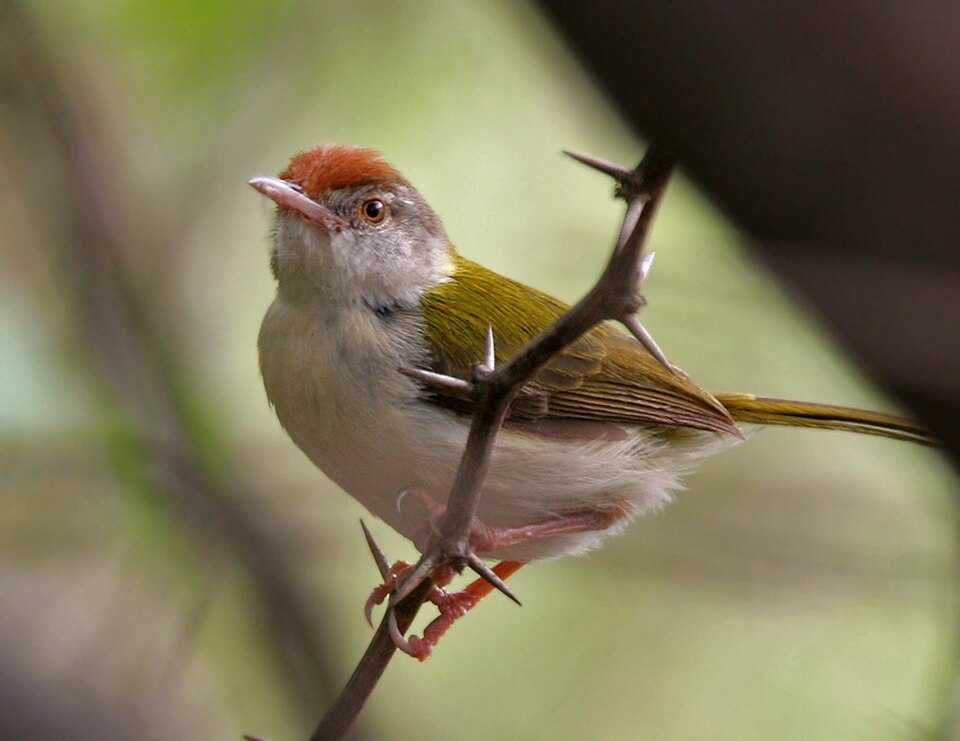 Common Tailorbird
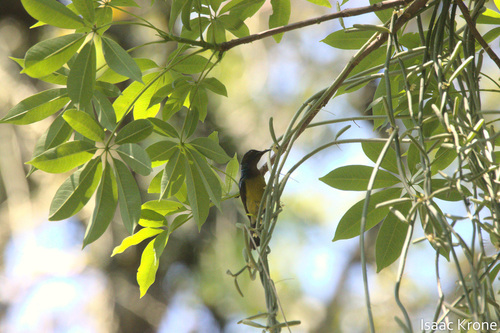 Brown-throated Sunbird
In breve
Il segno distintivo più affidabile per separare il Common Tailorbird dal Brown-throated Sunbird è la struttura generale e la coda: i tailorbirds sono uccelli piccoli, snelli, simili a scriccioli, con una lunga coda spesso sollevata e un becco sottile e leggermente ricurvo, mentre i sunbirds sono più robusti, con un becco spesso e dritto e una coda molto più corta. I maschi adulti di Brown-throated Sunbird sono inconfondibili con le loro parti superiori iridescenti verdi e viola e le parti inferiori gialle brillanti, ma le femmine e gli immaturi possono essere confusi con i tailorbirds a colpo d'occhio. Tuttavia, anche in piumaggi più opachi, il becco pesante del sunbird, la corporatura più robusta e l'assenza di corona rugginosa sono elementi chiave. Entrambe le specie possono essere trovate in giardini e habitat semi-aperti, ma il tailorbird è più probabile da vedere muoversi attraverso una vegetazione bassa e densa, mentre il sunbird visita spesso i fiori in modo più aperto. Se vedi un piccolo uccello verde brillante con una lunga coda eretta e una corona rugginosa, è un tailorbird; se l'uccello è più robusto con un becco spesso e una coda più corta, specialmente se si nutre di fiori, è un sunbird.
Consigli di identificazione
- Lunghezza e posizione della coda: I tailorbirds hanno una lunga coda, spesso sollevata, che viene frequentemente flickata e mantenuta eretta. I sunbirds hanno una coda molto più corta, raramente flickata o sollevata.
- Forma e spessore del becco: Il becco del tailorbird è sottile, leggermente ricurvo e delicato; il becco del sunbird è spesso, dritto e notevolmente più pesante per la dimensione dell'uccello.
- Colore della corona: Tutte le età e i sessi del tailorbird mostrano una corona rugginosa, un segno distintivo chiave assente nei sunbirds, che hanno corone di colore oliva o iridescenti.
- Struttura generale: I tailorbirds sono snelli, simili a scriccioli e agili; i sunbirds sono più robusti, con un corpo più robusto e una testa e un becco più pesanti.
- Luminosità del piumaggio: I maschi sunbirds sono inconfondibili con le parti superiori iridescenti verdi/viola e il giallo brillante sotto. I tailorbirds non sono mai iridescenti e hanno sempre parti inferiori cremose.
- Confusione femminile/immatura: Le femmine e i giovani sunbirds possono apparire di colore oliva sopra e giallastre sotto, ma mancano della corona rugginosa e hanno un becco più spesso e una coda più corta rispetto al tailorbird. Controlla sempre il colore della corona e la struttura del becco.
- Schema del viso: I tailorbirds hanno un viso più contrastante con la corona rugginosa e le parti inferiori chiare, mentre i sunbirds hanno un viso più semplice, specialmente nelle femmine e negli immaturi.
- Comportamento: I tailorbirds sono irrequieti, spesso nascosti, e flickano le loro code; i sunbirds sono più propensi a essere visti mentre si nutrono di fiori in modo aperto e si muovono in modo più deliberato.
- Contesto dell'habitat: I tailorbirds preferiscono vegetazione densa e intricata; i sunbirds si trovano più spesso in aree semiaperte con piante fiorite.
- Comportamento alimentare: Se l'uccello sta sondando i fiori per il nettare, specialmente in modo aperto, è probabile che sia un sunbird; i tailorbirds raramente si nutrono in questo modo.
- Vocalizzazione: Un forte richiamo ripetitivo 'cheeup' è un forte indicatore di tailorbird; i richiami dei sunbirds non sono descritti qui.
- Dimorfismo sessuale: Solo i maschi sunbirds sono altamente colorati; i sessi del tailorbird sono simili tranne per le lunghe penne centrali della coda nei maschi in riproduzione (non sempre affidabili sul campo).
- Confusione giovanile: I giovani tailorbirds sono più opachi ma mostrano ancora la corona rugginosa; i giovani sunbirds mancano della corona rugginosa e hanno un becco più spesso.
- Appollaiato vs. in volo: I tailorbirds spesso si appollaiamo con la coda sollevata e flickata; i sunbirds si appollaiamo più orizzontalmente con la coda abbassata.
- Impressione di dimensione: I tailorbirds sembrano piccoli e delicati, i sunbirds sembrano più pesanti e robusti per la loro lunghezza.
Taglia
Il Common Tailorbird è più piccolo e leggero (massa corporea ~7.5 g, lunghezza 10–14 cm) rispetto al Brown-throated Sunbird (massa 7.4–13.5 g, lunghezza circa 14 cm). Il sunbird è più pesante e voluminoso per la sua lunghezza, con un becco notevolmente più spesso e un corpo più robusto. Il tailorbird appare più delicato e snello, con una coda proporzionalmente molto più lunga. Sul campo, i tailorbirds sembrano piccoli e agili, mentre i sunbirds sono più solidi e determinati nei movimenti.
Piumaggio
- Giovanili/Immaturi: I giovani tailorbirds sono più opachi ma mostrano ancora parti superiori di colore verde oliva, parti inferiori cremose e una corona rugginosa. I giovani Brown-throated Sunbirds (soprattutto le femmine) sono di colore verde oliva sopra e giallastre sotto, privi di qualsiasi ruggine sulla corona e con un viso semplice.
- Maschi adulti: I maschi tailorbird sembrano femmine tranne per le lunghe penne centrali della coda durante la stagione di riproduzione; entrambi i sessi hanno una corona rugginosa e un dorso verde oliva. I maschi sunbirds sono sorprendenti: iridescenti verdi e viola sulle parti superiori, castano sulle copritrici delle ali e giallo brillante sotto—mai confusi con il tailorbird.
- Femmine adulte: Le femmine sunbirds sono di colore verde oliva sopra e giallastre sotto, simili nel tono ai tailorbirds ma mancano della corona rugginosa e hanno un becco più spesso e una coda più corta. I tailorbirds hanno sempre una corona rugginosa e parti inferiori più chiare e cremose.
- Schema di volo/ala: Non è descritto alcun schema distintivo della parte superiore dell'ala per entrambe le specie in nessuna età, quindi la separazione si basa sul colore generale, sulla corona e sulla struttura.
Comportamento
I tailorbirds sono altamente attivi, spesso si nascondono e si muovono attraverso la vegetazione densa, flickando e sollevando frequentemente le loro lunghe code. Raramente visitano i fiori in modo aperto e sono più spesso uditi che visti. I Brown-throated Sunbirds sono più deliberati, di solito visti mentre si nutrono di fiori in modo aperto, a volte sospesi ma più spesso appollaiati per nutrirsi. I sunbirds sono meno propensi a flickare le loro code e tendono a muoversi con maggiore determinazione tra le stazioni di alimentazione. I tailorbirds sono insetti voraci, mentre i sunbirds si nutrono principalmente di nettare ma prendono anche piccoli frutti e insetti (soprattutto per i giovanili).
Habitat
Entrambe le specie possono verificarsi in giardini e habitat semi-aperti, ma il Common Tailorbird è un uccello classico di vegetazione densa, giardini urbani e vegetazione intricata, rimanendo spesso nascosto. Il Brown-throated Sunbird preferisce aree semiaperte con alberi e arbusti fioriti ed è più probabile da vedere in modo aperto, specialmente presso le fonti di nettare. Se vedi un piccolo uccello muoversi attraverso una copertura fitta, è più probabile che sia un tailorbird; se sta visitando fiori in modo aperto, è più probabile che sia un sunbird.
Voce
Il Common Tailorbird è molto vocale, con un forte richiamo ripetitivo 'cheeup-cheeup-cheeup' che spesso rivela la sua presenza anche quando nascosto. Le vocalizzazioni del Brown-throated Sunbird non sono descritte nelle note fornite, quindi questo non è un separatore affidabile qui.
Common Tailorbird · Brown-throated Sunbird · I miei uccelli difficili