

Motmot

イソシギ 対 サルハマシギ

Actitis hypoleucos 対 Calidris ferruginea

イソシギとサルハマシギのクイズ
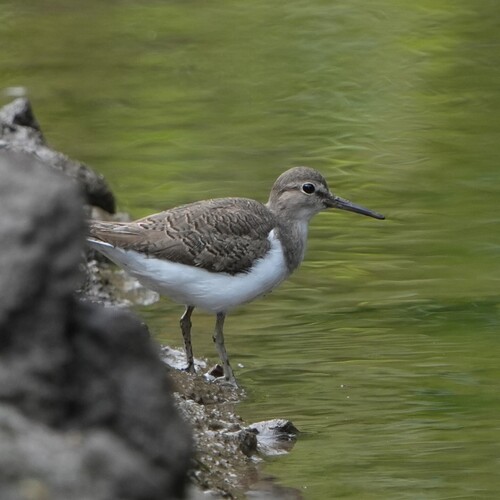
イソシギ (Actitis hypoleucos) イソシギ
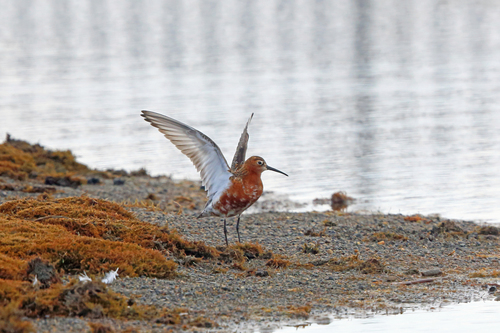
サルハマシギ (Calidris ferruginea) サルハマシギ

メディア

読み込み中…

要点

イソシギとサルハマシギの最も信頼できるフィールドでの識別は、飛行中の翼と尾のパターンです:すべての年齢のサルハマシギは大胆な白い尾と強い白い翼のストライプを示しますが、イソシギは両方とも欠いており、代わりに微妙な縞模様のあるより均一な茶色の上翼を示し、白い尾はありません。地上では、イソシギは淡い基部を持つ短くまっすぐなくちばし、黄色がかった脚、そして特徴的な揺れ動く動作を持っていますが、サルハマシギは脚が長く、長く下向きの黒いくちばしと暗い脚を持っています。両種の幼鳥と非繁殖鳥は色合いが表面的に似ていることがありますが、構造的および飛行のマークが決定的です。要約すると:サルハマシギの飛行中の白い尾と翼のストライプを確認し、地上では揺れ動き、短いくちばしと黄色い脚を持つイソシギを探してください。

識別のコツ

  1. 飛行中の白い尾と翼のストライプ: サルハマシギ(すべての年齢)は飛行中に大胆な白い尾と強い白い翼のストライプを示します;イソシギは両方とも欠いており、微妙な縞模様のある平坦な茶色の尾と上翼を示します。これは、鳥が飛び立ったり飛んでいるときに最も信頼できるフィールドマークです。
  2. くちばしの形と長さ: サルハマシギは長く細い下向きの黒いくちばしを持っていますが、イソシギは淡い基部と暗い先端を持つ短くまっすぐなくちばしを持っています。これは、鳥が並んでいるときや近くで見られるときに特に役立ちます。
  3. 脚の色: イソシギは短く暗い黄色がかった脚と足を持っています;サルハマシギは長く暗い灰色から黒の脚を持っています。泥の中では脚の色が見えにくいことがありますが、見えるときには役立ちます。
  4. 体の形と姿勢: サルハマシギは脚が長く、より細長く、しばしば高く立ち、突き刺して餌を探します。イソシギはコンパクトで、しゃがんでおり、餌を探す際に後ろを上下に揺らすことがよくあります。
  5. 顔のパターン: サルハマシギ(特に幼鳥と非繁殖の成鳥)は明確な白い眉(アイブロウ)とより斑点のある鱗状の顔を示します。イソシギは顔が平坦で、目の周りのコントラストが少ないです。
  6. 幼鳥の上翼パターン: 幼鳥のイソシギは羽毛の端がバフ色で重く縞模様があります;幼鳥のサルハマシギはより均一に鱗状でバフ色がかっており、白い眉と細い尾羽を持っています。サルハマシギの上翼は常に白いストライプを示し、幼鳥でも同様です。
  7. 繁殖羽毛: 繁殖羽毛の成鳥サルハマシギは下部と頭部が赤みがかっており、イソシギでは決して見られない明確な特徴です。しかし、ほとんどの混乱は非繁殖または幼鳥の羽毛で発生します。
  8. 尾のパターン: サルハマシギは白い尾と尾の裏側を持ち、時には成鳥に赤い縞模様があります;イソシギは平坦な茶色の尾と尾を持っています。
  9. 餌を探す行動: イソシギは餌を探す際に尾と頭を揺らす習性があります;サルハマシギは揺れず、長いくちばしで突き刺して餌を探します。
  10. 飛行スタイル: イソシギは水の上を低く飛び、硬く浅い翼の羽ばたきで飛びます;サルハマシギはより典型的な水鳥の飛行をし、しばしば群れで、より長く柔軟な羽ばたきで飛びます。
  11. 生息地の好み: サルハマシギは開けた泥や塩の干潟を好みます;イソシギは淡水の縁、川や湖の近くでより頻繁に見られます。
  12. サイズと構造: サルハマシギはより大きく、がっしりしており、翼の幅とくちばしが長いです。イソシギはより小さく、コンパクトです。
  13. 落とし穴: 薄暗い光の中では、両種は上が灰色がかった茶色で下が白に見えることがありますが、構造的および飛行のマークは信頼できます。淡水での遠くのサルハマシギや、移動中の開けた泥の干潟でのイソシギに注意してください。
  14. 群れの行動: サルハマシギは特に移動中に群れで見られることが多いですが、イソシギは通常、単独または小さなグループで見られます。
  15. 疑わしい場合: 飛行中に白い尾と翼のストライプが見えたら、それはサルハマシギです。もし鳥が揺れ動き、黄色がかった脚と短くまっすぐなくちばしを持っている場合、それはイソシギです。

大きさ

サルハマシギは二種の中で大きい方です:成鳥は長さ18〜23 cm、翼の幅38〜46 cm、体重44〜117 gです [wikipedia]。イソシギは小さく、長さ18〜20 cm、翼の幅32〜35 cmです [wikipedia]。この違いは翼の幅と全体の体重に最も顕著ですが、長さにはいくらかの重複があります。サルハマシギはまた、比例的に長いくちばしと脚を持ち、コンパクトで短いくちばしのイソシギと比較してより細長い外観を与えます。

羽色

飛行中の鳥にとって、最も診断的な違いは尾と翼のパターンです:サルハマシギ(すべての年齢と羽毛)は大きな白い尾の斑点と強い白い翼のストライプを示し、上からも下からも見えます。イソシギはこれらを欠いており、平坦な茶色の尾と上翼を示し、幼鳥や冬の成鳥ではより明らかな微妙な縞模様がありますが、決して大胆なストライプにはなりません。幼鳥のイソシギは羽毛の端がバフ色で重く縞模様がありますが、幼鳥のサルハマシギはより均一に鱗状でバフ色がかっており、白い眉と細い尾羽を持っています。非繁殖羽毛では、両種は灰色がかった茶色の上部と白い下部を持っていますが、サルハマシギはしばしばより淡く斑点があり、明確な白い眉を持ち、イソシギは顔が平坦です。繁殖羽毛では、サルハマシギは広範囲に赤みがかった下部を持ち(イソシギでは見られない)、しかしほとんどの混乱は非繁殖または幼鳥の羽毛で発生します。

行動

イソシギは通常、単独または小さなグループで見られ、しばしば体を揺らしながら尾を上下に動かして岸辺を餌を探しながら移動します。その飛行は水の上を低く、硬い翼で直接的です。サルハマシギは群れで見られることが多く、特に移動中は同じように尾を上下に動かす行動を示しません。地上では、サルハマシギは長く下向きのくちばしで突き刺して餌を探し、イソシギは短くまっすぐなくちばしで表面をつつきます。

生息環境

サルハマシギは開けた潮汐の泥干潟、塩田、沿岸の湿地を好み、特に移動中や冬に見られます。イソシギは淡水の湖、川、流れの縁や保護された海岸により頻繁に見られます。両種は似たような湿地の生息地に出現することがありますが、サルハマシギは開けた泥や塩の干潟から離れて見られることはまれで、イソシギはより多様で、しばしば岩や植生のある淡水の縁で見られます。

より良い説明を送る

比較と同じ項目を使ってください。文章はすぐに公開されます。

The most reliable field separation between Common Sandpiper and Curlew Sandpiper is the wing and rump pattern in flight: Curlew Sandpiper of all ages shows a bold white rump and a strong white wing stripe, while Common Sandpiper lacks both, instead showing a more uniform brown upperwing with only subtle barring and no white rump. On the ground, Common Sandpiper has a shorter, straighter bill with a pale base, yellowish legs, and a distinctive teetering motion, while Curlew Sandpiper is longer-legged, with a longer, downcurved black bill and dark legs. Juvenile and non-breeding birds of both species can look superficially similar in color, but the structural and flight marks are decisive. In summary: check for the white rump and wing stripe in flight for Curlew Sandpiper, and look for the teetering, short-billed, yellow-legged Common Sandpiper on the ground.

  1. White rump and wing stripe in flight: Curlew Sandpiper (all ages) shows a bold white rump and a strong white wing stripe in flight; Common Sandpiper lacks both, showing a plain brown rump and upperwing with only subtle barring. This is the single most reliable field mark when birds are flushed or flying.
  2. Bill shape and length: Curlew Sandpiper has a long, slender, downcurved black bill, while Common Sandpiper has a shorter, straighter bill with a pale base and dark tip. This is especially useful when birds are side-by-side or seen at close range.
  3. Leg color: Common Sandpiper has short, dark yellowish legs and feet; Curlew Sandpiper has longer, dark grey to black legs. Leg color can be hard to see in muddy conditions but is helpful when visible.
  4. Body shape and posture: Curlew Sandpiper is longer-legged and more elongated, often standing taller and feeding by probing. Common Sandpiper is compact, crouched, and often teeters its rear end up and down while foraging.
  5. Facial pattern: Curlew Sandpiper (especially juveniles and non-breeding adults) shows a distinct white supercilium (eyebrow) and a more mottled, scaly face. Common Sandpiper is plainer-faced, with less contrast around the eye.
  6. Juvenile upperwing pattern: Juvenile Common Sandpiper is heavily barred above with buff edges to the wing feathers; juvenile Curlew Sandpiper is more evenly scaly and buff-tinged, with a white eyebrow and slim tail feathers. The upperwing of Curlew Sandpiper always shows the white stripe, even in juveniles.
  7. Breeding plumage: Adult Curlew Sandpiper in breeding plumage is reddish below and on the head—unmistakable and never matched by Common Sandpiper. However, most confusion occurs in non-breeding or juvenile plumages.
  8. Tail pattern: Curlew Sandpiper has a white rump and tail underside, sometimes with red barring in adults; Common Sandpiper has a plain brown rump and tail.
  9. Feeding behavior: Common Sandpiper habitually bobs its tail and head while foraging; Curlew Sandpiper does not teeter and feeds by probing with its long bill.
  10. Flight style: Common Sandpiper flies low over water with stiff, shallow wingbeats; Curlew Sandpiper has a more typical wader flight, often in flocks, with longer, more flexible wingbeats.
  11. Habitat preference: Curlew Sandpiper prefers open, muddy or saline flats; Common Sandpiper is more often found along freshwater edges, including rivers and lakes.
  12. Size and structure: Curlew Sandpiper is larger and bulkier, with a longer wingspan and bill. Common Sandpiper is smaller and more compact.
  13. Pitfalls: In dull light, both species can appear similarly grey-brown above and white below, but the structural and flight marks remain reliable. Beware of distant or lone Curlew Sandpipers on freshwater, and of Common Sandpipers on open mudflats during migration.
  14. Group behavior: Curlew Sandpiper is more likely to be in flocks, especially on migration; Common Sandpiper is typically solitary or in small groups.
  15. When in doubt: If you see a white rump and wing stripe in flight, it's Curlew Sandpiper. If the bird teeters and has yellowish legs and a short, straight bill, it's Common Sandpiper.

Curlew Sandpiper is the larger of the two: adults measure 18–23 cm in length with a 38–46 cm wingspan and weigh 44–117 g [wikipedia]. Common Sandpiper is smaller, at 18–20 cm long with a 32–35 cm wingspan [wikipedia]. The difference is most apparent in wingspan and overall bulk, but there is some overlap in length. Curlew Sandpiper also has a proportionally longer bill and legs, giving it a more elongated look compared to the compact, short-billed Common Sandpiper.

For birds in flight, the most diagnostic difference is the rump and wing pattern: Curlew Sandpiper (all ages and plumages) shows a large white rump patch and a strong white wing stripe, both visible from above and below. Common Sandpiper lacks these, showing a plain brown rump and upperwing, with only subtle barring on the wings that is more obvious in juveniles and winter adults but never forms a bold stripe. Juvenile Common Sandpiper is heavily barred above with buff-edged wing feathers, while juvenile Curlew Sandpiper is more evenly scaly and buff-tinged, with a white eyebrow and slim tail feathers. In non-breeding plumage, both species have grey-brown upperparts and white underparts, but Curlew Sandpiper often appears paler and more mottled, with a distinct white supercilium, while Common Sandpiper is plainer-faced. In breeding plumage, Curlew Sandpiper is unmistakable with extensive reddish underparts (not shown by Common Sandpiper), but most confusion arises in non-breeding or juvenile plumages.

Common Sandpiper is usually seen singly or in small groups, often teetering its body and bobbing its tail as it forages along shorelines. Its flight is low over water, stiff-winged, and direct. Curlew Sandpiper is more likely to be found in flocks, especially on migration, and does not show the same constant tail-bobbing behavior. On the ground, Curlew Sandpiper feeds by probing with its long, downcurved bill, while Common Sandpiper picks at the surface with a shorter, straighter bill.

Curlew Sandpiper favors open tidal mudflats, saltpans, and coastal wetlands, especially during migration and winter. Common Sandpiper is more often found along the edges of freshwater lakes, rivers, and streams, as well as sheltered coasts. While both can occur in similar wetland habitats, Curlew Sandpiper is rarely found away from open, muddy or saline flats, whereas Common Sandpiper is more versatile and often seen along rocky or vegetated freshwater margins.

変更を破棄しますか?

保存していない編集があります。今離れると失われます。

イソシギ · サルハマシギ · 苦手な鳥