

Piro piro piccolo vs Piovanello comune
Actitis hypoleucos contro Calidris ferruginea
Fai un quiz con Piro piro piccolo e Piovanello comune
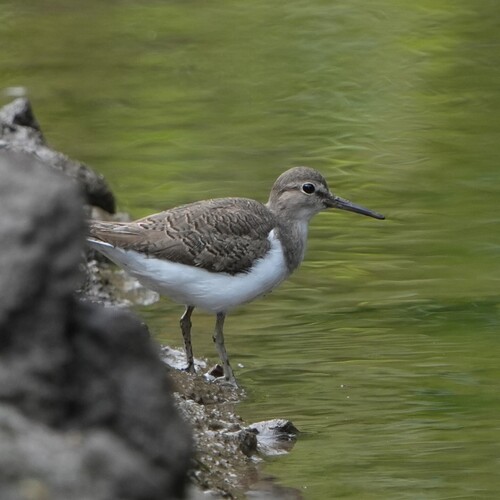 Piro piro piccolo
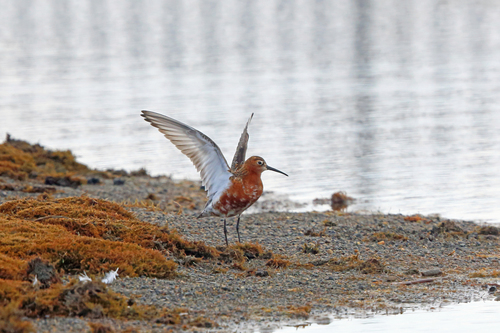 Piovanello comune
In breve
La separazione più affidabile sul campo tra Piro piro piccolo e Piovanello comune è il motivo delle ali e del sottocoda in volo: il Piovanello comune di tutte le età mostra un forte sottocoda bianco e una forte striscia bianca sulle ali, mentre il Piro piro piccolo manca di entrambi, mostrando invece un'ala superiore marrone più uniforme con solo sottili barre e nessun sottocoda bianco. A terra, il Piro piro piccolo ha un becco più corto e dritto con una base chiara, gambe giallastre e un movimento distintivo di oscillazione, mentre il Piovanello comune ha gambe più lunghe, con un becco nero lungo e ricurvo e gambe scure. Gli uccelli giovani e non in riproduzione di entrambe le specie possono sembrare superficialmente simili nel colore, ma i segni strutturali e di volo sono decisivi. In sintesi: controlla il sottocoda bianco e la striscia bianca sulle ali in volo per il Piovanello comune e cerca il Piro piro piccolo che oscilla, con becco corto e gambe giallastre a terra.
Consigli di identificazione
- Sottocoda bianco e striscia bianca sulle ali in volo: Il Piovanello comune (tutte le età) mostra un forte sottocoda bianco e una forte striscia bianca sulle ali in volo; il Piro piro piccolo manca di entrambi, mostrando un sottocoda e un'ala superiore marrone semplice con solo sottili barre. Questo è il segno di campo più affidabile quando gli uccelli vengono spaventati o volano.
- Forma e lunghezza del becco: Il Piovanello comune ha un becco lungo, snodato e ricurvo, mentre il Piro piro piccolo ha un becco più corto e dritto con una base chiara e una punta scura. Questo è particolarmente utile quando gli uccelli sono affiancati o visti da vicino.
- Colore delle gambe: Il Piro piro piccolo ha gambe e piedi giallastri scuri e corti; il Piovanello comune ha gambe più lunghe, grigio scuro o nere. Il colore delle gambe può essere difficile da vedere in condizioni fangose, ma è utile quando è visibile.
- Forma e postura del corpo: Il Piovanello comune ha gambe più lunghe e un corpo più allungato, spesso stando in piedi più alto e nutrendosi per sondare. Il Piro piro piccolo è compatto, accovacciato e spesso oscilla il suo posteriore su e giù mentre cerca cibo.
- Motivo facciale: Il Piovanello comune (soprattutto i giovani e gli adulti non in riproduzione) mostra un distintivo sopracciglio bianco e un volto più maculato e squamoso. Il Piro piro piccolo ha un volto più semplice, con meno contrasto attorno all'occhio.
- Motivo dell'ala superiore nei giovani: Il giovane Piro piro piccolo è fortemente barrato sopra con bordi color crema nelle penne delle ali; il giovane Piovanello comune è più uniformemente squamoso e con sfumature color crema, con un sopracciglio bianco e penne della coda sottili. L'ala superiore del Piovanello comune mostra sempre la striscia bianca, anche nei giovani.
- Abbigliamento da riproduzione: L'adulto Piovanello comune in abbigliamento da riproduzione è rossastro sotto e sulla testa—unico e mai eguagliato dal Piro piro piccolo. Tuttavia, la maggior parte della confusione si verifica negli abbigliamenti non in riproduzione o giovanili.
- Motivo della coda: Il Piovanello comune ha un sottocoda e una parte inferiore della coda bianchi, a volte con barre rosse negli adulti; il Piro piro piccolo ha un sottocoda e una coda marroni semplici.
- Comportamento alimentare: Il Piro piro piccolo oscilla abitualmente la sua coda e la testa mentre cerca cibo; il Piovanello comune non oscilla e si nutre sondando con il suo lungo becco.
- Stile di volo: Il Piro piro piccolo vola basso sull'acqua con battiti d'ali rigidi e superficiali; il Piovanello comune ha un volo più tipico da limicola, spesso in stormi, con battiti d'ali più lunghi e flessibili.
- Preferenza dell'habitat: Il Piovanello comune preferisce pianure fangose, salmastre o aperte; il Piro piro piccolo è più spesso trovato lungo le sponde di acque dolci, comprese fiumi e laghi.
- Dimensioni e struttura: Il Piovanello comune è più grande e più robusto, con un'apertura alare e un becco più lunghi. Il Piro piro piccolo è più piccolo e più compatto.
- Trappole: In luce fioca, entrambe le specie possono apparire simili grigio-marroni sopra e bianche sotto, ma i segni strutturali e di volo rimangono affidabili. Fai attenzione ai Piovanelli comuni lontani o solitari su acque dolci e ai Piro piro piccoli su pianure fangose aperte durante la migrazione.
- Comportamento di gruppo: Il Piovanello comune è più propenso a trovarsi in stormi, soprattutto durante la migrazione; il Piro piro piccolo è tipicamente solitario o in piccoli gruppi.
- Quando hai dubbi: Se vedi un sottocoda bianco e una striscia bianca sulle ali in volo, è il Piovanello comune. Se l'uccello oscilla e ha gambe giallastre e un becco corto e dritto, è il Piro piro piccolo.
Taglia
Il Piovanello comune è il più grande dei due: gli adulti misurano 18–23 cm di lunghezza con un'apertura alare di 38–46 cm e pesano 44–117 g [wikipedia]. Il Piro piro piccolo è più piccolo, con una lunghezza di 18–20 cm e un'apertura alare di 32–35 cm [wikipedia]. La differenza è più evidente nell'apertura alare e nella massa complessiva, ma c'è una certa sovrapposizione nella lunghezza. Il Piovanello comune ha anche un becco e gambe proporzionalmente più lunghi, conferendogli un aspetto più allungato rispetto al compatto Piro piro piccolo.
Piumaggio
Per gli uccelli in volo, la differenza diagnostica più evidente è il motivo del sottocoda e delle ali: il Piovanello comune (tutte le età e abbigliamenti) mostra una grande macchia bianca sul sottocoda e una forte striscia bianca sulle ali, entrambe visibili dall'alto e dal basso. Il Piro piro piccolo manca di questi, mostrando un sottocoda e un'ala superiore marroni semplici, con solo sottili barre sulle ali che sono più evidenti nei giovani e negli adulti invernali ma non formano mai una striscia audace. Il giovane Piro piro piccolo è fortemente barrato sopra con penne delle ali bordate di crema, mentre il giovane Piovanello comune è più uniformemente squamoso e con sfumature color crema, con un sopracciglio bianco e penne della coda sottili. In abbigliamento non in riproduzione, entrambe le specie hanno parti superiori grigio-marroni e parti inferiori bianche, ma il Piovanello comune appare spesso più chiaro e più maculato, con un sopracciglio bianco distintivo, mentre il Piro piro piccolo ha un volto più semplice. In abbigliamento da riproduzione, il Piovanello comune è inconfondibile con ampie parti inferiori rossastre (non mostrate dal Piro piro piccolo), ma la maggior parte della confusione sorge negli abbigliamenti non in riproduzione o giovanili.
Comportamento
Il Piro piro piccolo è solitamente visto singolarmente o in piccoli gruppi, spesso oscillando il corpo e muovendo la coda mentre cerca cibo lungo le coste. Il suo volo è basso sull'acqua, con ali rigide e diretto. Il Piovanello comune è più propenso a trovarsi in stormi, soprattutto durante la migrazione, e non mostra lo stesso comportamento costante di oscillazione della coda. A terra, il Piovanello comune si nutre sondando con il suo lungo becco ricurvo, mentre il Piro piro piccolo si nutre raschiando la superficie con un becco più corto e dritto.
Habitat
Il Piovanello comune favorisce pianure fangose, salmastre e umide costiere, soprattutto durante la migrazione e l'inverno. Il Piro piro piccolo si trova più spesso lungo le sponde di laghi, fiumi e torrenti d'acqua dolce, così come lungo coste riparate. Sebbene entrambe le specie possano verificarsi in habitat umidi simili, il Piovanello comune è raramente trovato lontano da pianure aperte, fangose o salmastre, mentre il Piro piro piccolo è più versatile e spesso visto lungo margini di acqua dolce rocciosi o vegetati.
Piro piro piccolo · Piovanello comune · I miei uccelli difficili