

Motmot

オオジュリン 対 キマユホオジロ

Emberiza schoeniclus 対 Emberiza chrysophrys

オオジュリンとキマユホオジロのクイズ
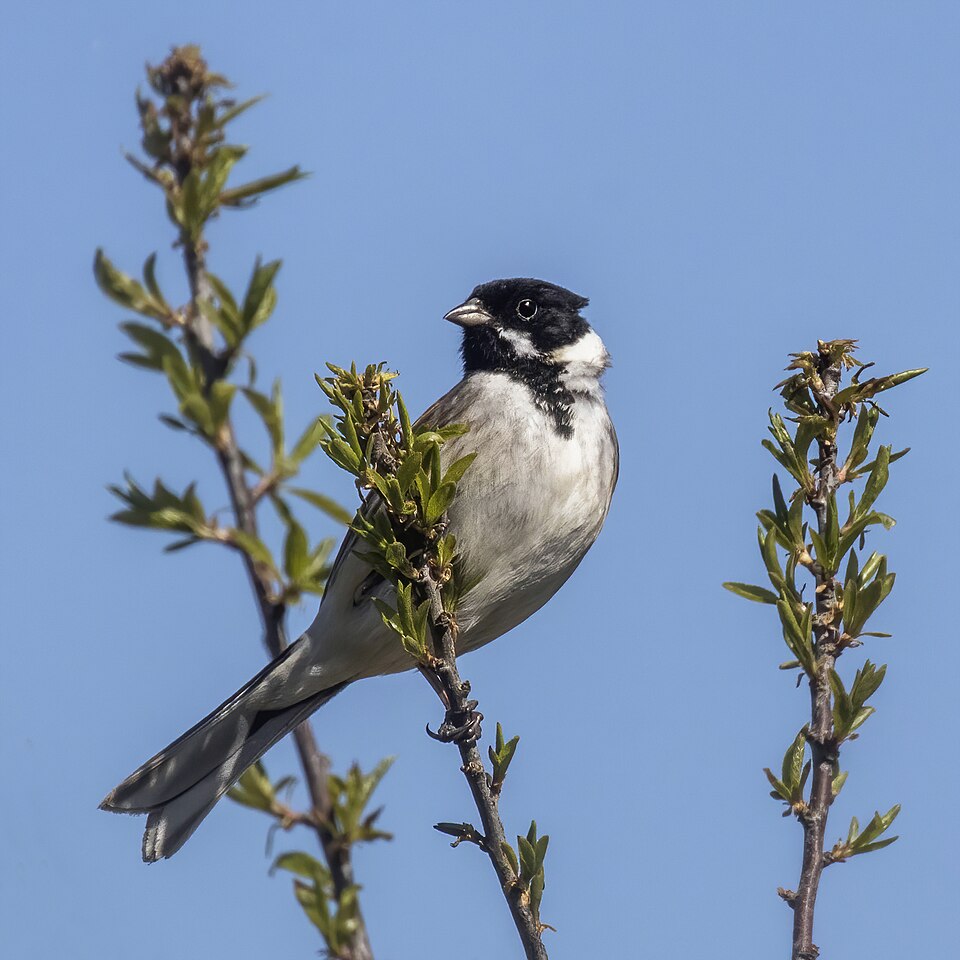
オオジュリン (Emberiza schoeniclus) オオジュリン
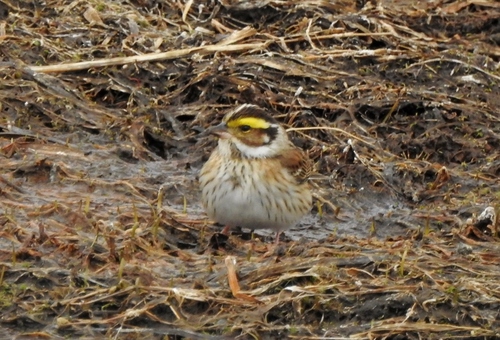
キマユホオジロ (Emberiza chrysophrys) キマユホオジロ

メディア

読み込み中…

要点

オオジュリンとキマユホオジロの最も信頼できるフィールドマークは、キマユホオジロのすべての年齢において明るい黄色の眉(スーペリシウム)が存在することであり、オオジュリンでは決して見られません。成鳥のオスのオオジュリンは、白い襟のある黒い頭と喉を持ち、キマユホオジロのオスは黒い頭に白い冠のストライプと目を引く黄色の眉を加えています。両種の雌と幼鳥はより鈍く、縞模様がありますが、キマユホオジロは常に眉に少なくともいくらかの黄色と白い冠のストライプのヒントを示し、雌/幼鳥のオオジュリンは黄色を全く欠いています。両者は構造が似た中型のホオジロですが、オオジュリンはやや大きく、重いです。飛行中や遠くから見る際は、眉の色と頭の模様に注目して、最も良い識別を行ってください。

識別のコツ

  1. 眉の色が重要: キマユホオジロは、鈍い雌や幼鳥でも眉(スーペリシウム)に少なくともいくらかの黄色を常に示します。オオジュリンはここで黄色を示すことはありません; その眉はせいぜい淡いかバフです。
  2. 冠のストライプ: キマユホオジロ(すべての年齢)は淡い(しばしば白い)冠のストライプを示し、特にオスにおいて明らかですが、雌/幼鳥にも見られます。オオジュリンはこの特徴を欠いており、より均一に縞模様または平坦な冠を持っています。
  3. 成鳥オスの頭の模様: オオジュリンのオスは、鋭い白い襟と腹部を持つ黒い頭と喉を持っています。キマユホオジロのオスは黒い頭を持っていますが、白い冠のストライプ、白い口髭のストライプ、黒い喉、そして黄色の眉を持っています—頭の上の黄色と白の組み合わせを探してください。
  4. 雌/幼鳥の頭の模様: 雌と若いオオジュリンは頭が茶色の縞模様で、黄色または白い冠のストライプはありません。雌/幼鳥のキマユホオジロも縞模様ですが、常に薄い黄色の眉と淡い冠のストライプのヒントを示します。
  5. 背中と腹部: すべての年齢のオオジュリンは背中と腹部に強い縞模様があります、特に雌/幼鳥において。キマユホオジロも縞模様ですが、頭の模様がより特徴的で識別に役立ちます。
  6. くちばしの形: 両者は小さく、種子を食べるホオジロのくちばしを持っています; 信頼できる識別要因ではありません。
  7. サイズと構造: オオジュリンはやや大きく、重いですが、違いは微妙でフィールドでの診断には適していません。
  8. 飛行中の視点: 提供されたメモには、これらの種のための特徴的な翼や尾の模様の違いは記載されていません。可能であれば、頭の模様に注目してください。
  9. 生息地の文脈: オオジュリンは、葦原、湿地、または湿地の縁で非常に見られます。キマユホオジロは森林や低木の生息地に典型的です。生息地を主要な識別要因ではなく、補助的な手がかりとして使用してください。
  10. 歌と鳴き声: オオジュリンの歌のみが記載されています(「スリップ」); キマユホオジロの鳴き声の記述がないため、ここでは鳴き声は信頼できる識別要因ではありません。
  11. 季節と範囲: 両種はその範囲の一部で渡りを行いますが、オオジュリンはヨーロッパとユーラシア全体に広く分布しているのに対し、キマユホオジロはより東にあり、西ヨーロッパではあまり見られません。西に行くと、オオジュリンの方がはるかに可能性があります。
  12. 性別識別の落とし穴: 雌と幼鳥のオオジュリンは非常に鈍く、縞模様に見えることがあり、時には他のホオジロに似ることがありますが、眉に黄色や白い冠のストライプを決して示しません。目の上に黄色のヒントが見えた場合は、オオジュリンを除外してください。
  13. 照明と摩耗: 褪せたまたは摩耗したキマユホオジロは黄色が減少することがありますが、通常は何らかの黄色が残ります。バックアップマークとして淡い冠のストライプを常に確認してください。
  14. 止まっている時と飛んでいる時: 両種はしばしば直立して目に見えるように止まっており、頭の模様を観察可能にします。飛行中は、眉と冠のストライプを見つけるようにし、強い翼や尾の模様の違いは記載されていません。
  15. 幼鳥の混乱: キマユホオジロの新鮮な幼鳥でも眉にいくらかの黄色と淡い冠のストライプを保持しますが、オオジュリンの幼鳥は全体が茶色で縞模様があり、黄色や冠のストライプはありません。

大きさ

オオジュリンは中型のホオジロで、長さは13.5〜15.5 cm、体重は10〜28 gです [wikipedia]。キマユホオジロはメモに正確なサイズが記載されていませんが、典型的なエンベルザのホオジロとして、同様かやや小さい可能性があります。フィールドでは、オオジュリンはややずんぐりして見えるかもしれませんが、サイズの重なりはかなりあり、単独では信頼できる識別要因ではありません。

羽色

すべての年齢において、重要な違いは眉です: キマユホオジロは、雌や幼鳥でも常にスーペリシウムに少なくともいくらかの黄色を示し、淡い(しばしば白い)冠のストライプを持っています。オオジュリンは眉に黄色を示さず、雌や幼鳥は黄色や白い冠のストライプのない縞模様の茶色の頭を持っています。成鳥のオスのオオジュリンは、白い襟と腹部を持つ黒い頭と喉を持ち、強く縞模様のある茶色の背中を持っています。成鳥のオスのキマユホオジロも黒い頭を持っていますが、白い冠のストライプ、白い口髭のストライプ、黒い喉、そして明るい黄色の眉を持っています。雌と幼鳥のキマユホオジロは、より弱い頭の模様(茶色が黒に置き換わる)を持っていますが、黄色の眉と淡い冠のストライプは常に存在し、オオジュリンの雌/幼鳥は全体的に鈍く、均一に茶色の縞模様があります。これらのメモには、どちらの種に対しても特徴的な年齢特有の上翼や飛行のマークは記載されていません。

行動

両種は行動において典型的なホオジロであり、しばしば葦、低木、または低い枝に直立して止まっているのが見られます。オオジュリンは湿地の生息地にしばしば関連付けられ、地面で餌を食べたり、止まり木の間を短い飛行をするのが見られます。キマユホオジロは湿地にあまり結びつかず、より多様な森林や低木の生息地で見られることがあります。飛行スタイルは、メモの中で両者の間で特徴的であるとは記載されていません。

生息環境

オオジュリンは、ヨーロッパとユーラシア全体の葦原、湿地、湿地の縁に強く関連していますが、農地や荒れた草地でも見られることがあります、特に繁殖期の外では [wikipedia]。キマユホオジロはここで詳細に記載されていませんが、湿地にあまり結びつかず、森林、低木、または森林の縁の生息地で見られる可能性が高いです。広大な葦原で見られた場合、オオジュリンの方がはるかに可能性が高いです; 混合森林や縁では、両者が可能ですが、オオジュリンはあまり期待されません。

声

記載されている唯一の鳴き声は、オオジュリンのオスの歌で、繰り返しの「スリップ」です。これらのメモにはキマユホオジロの鳴き声の詳細は記載されていないため、声はここでは信頼できる識別要因ではありません。

より良い説明を送る

比較と同じ項目を使ってください。文章はすぐに公開されます。

The most reliable field mark between Common Reed Bunting and Yellow-browed Bunting is the presence of a bright yellow eyebrow (supercilium) in Yellow-browed Bunting of all ages, which is never shown by Common Reed Bunting. Adult male Common Reed Buntings have a black head and throat with a white collar, while Yellow-browed Bunting males have a black head but add a white crown stripe and a striking yellow brow. Females and immatures of both species are duller and streakier, but Yellow-browed Bunting always shows at least some yellow in the eyebrow and a hint of a white crown stripe, while female/immature Reed Buntings lack yellow entirely. Both are medium-sized buntings with similar structure, but Reed Bunting is slightly larger and heavier. In flight or at distance, focus on the eyebrow color and head pattern for the best separation.

  1. Eyebrow color is key: Yellow-browed Bunting always shows at least some yellow in the eyebrow (supercilium), even in dull females and immatures. Reed Bunting never shows yellow here; its eyebrow is pale or buff at best.
  2. Crown stripe: Yellow-browed Bunting (all ages) shows a pale (often white) crown stripe, especially obvious in males but visible in females/immatures as well. Reed Bunting lacks this feature, having a more uniformly streaked or plain crown.
  3. Adult male head pattern: Reed Bunting males have a black head and throat with a sharp white collar and underparts. Yellow-browed Bunting males have a black head, but with a white crown stripe, white moustachial stripe, black throat, and yellow eyebrow—look for the combination of yellow and white on the head.
  4. Female/immature head pattern: Female and young Reed Buntings are streaked brown on the head, with no yellow or white crown stripe. Female/immature Yellow-browed Buntings are also streaky, but always show at least a faint yellow eyebrow and a hint of a pale crown stripe.
  5. Back and underparts: Reed Bunting of all ages is heavily streaked on the back and often on the underparts, especially females/immatures. Yellow-browed Bunting is also streaked but the head pattern is more distinctive for separation.
  6. Bill shape: Both have a small, seed-eating bunting bill; not a reliable separator.
  7. Size and structure: Reed Bunting is slightly larger and heavier, but the difference is subtle and not diagnostic in the field.
  8. Flight views: No distinctive wing or tail pattern differences are described for these species in the provided notes. Focus on head pattern, even in flight if possible.
  9. Habitat context: Reed Bunting is much more likely in reedbeds, marshes, or wetland edges. Yellow-browed Bunting is more typical of woodland or scrubby habitats. Use habitat as a supporting clue, not a primary separator.
  10. Song and calls: Only Reed Bunting's song is described ('srip'); lack of vocal description for Yellow-browed Bunting means calls are not a reliable separator here.
  11. Season and range: Both species are migratory in parts of their range, but Reed Bunting is widespread across Europe and the Palearctic, while Yellow-browed Bunting is more eastern and less likely in western Europe. If far west, Reed Bunting is much more probable.
  12. Sexing pitfalls: Female and immature Reed Buntings can appear very dull and streaky, sometimes resembling other buntings, but never show yellow in the eyebrow or a white crown stripe. If you see even a hint of yellow above the eye, rule out Reed Bunting.
  13. Lighting and wear: Faded or worn Yellow-browed Buntings may show reduced yellow, but usually some remains. Always check for a pale crown stripe as a backup mark.
  14. Perched vs. in flight: Both species often perch upright and visibly, making head pattern observable. In flight, try to spot the eyebrow and crown stripe, as no strong wing or tail pattern differences are described.
  15. Juvenile confusion: Even fresh juveniles of Yellow-browed Bunting retain some yellow in the eyebrow and a pale crown stripe, while Reed Bunting juveniles are plain brown and streaky with no yellow or crown stripe.

Common Reed Bunting is a medium-sized bunting, 13.5–15.5 cm in length and weighing 10–28 g [wikipedia]. Yellow-browed Bunting is not given a precise size in the notes, but as a typical Emberiza bunting, it is likely similar or slightly smaller. In the field, Reed Bunting may appear a bit bulkier, but size overlap is considerable and not a reliable separator on its own.

For all ages, the key difference is the eyebrow: Yellow-browed Bunting always shows at least some yellow in the supercilium, even in females and immatures, and a pale (often white) crown stripe. Common Reed Bunting never shows yellow in the eyebrow; females and immatures have a streaked brown head with no yellow or white crown stripe. Adult male Reed Bunting has a black head and throat with a white collar and underparts, and a heavily barred brown back. Adult male Yellow-browed Bunting also has a black head but with a white crown stripe, white moustachial stripe, black throat, and a bright yellow eyebrow. Female and immature Yellow-browed Buntings have a weaker head pattern (brown replaces black), but the yellow eyebrow and pale crown stripe are always present, while Reed Bunting females/immatures are overall duller and more uniformly streaked brown. No distinctive age-specific upperwing or flight marks are described for either species in these notes.

Both species are typical buntings in behavior, often seen perched upright on reeds, shrubs, or low branches. Reed Buntings are often associated with wetland habitats and may be seen feeding on the ground or making short flights between perches. Yellow-browed Buntings are less tied to wetlands and may be seen in more varied woodland or scrubby habitats. Flight style is not described as distinctive between the two in the notes.

Common Reed Bunting is strongly associated with reedbeds, marshes, and wetland edges across Europe and the Palearctic, although it can also be found in farmland and rough grassland, especially outside the breeding season [wikipedia]. Yellow-browed Bunting is not described in detail here, but is less tied to wetlands and more likely in woodland, scrub, or forest edge habitats. If seen in extensive reedbeds, Reed Bunting is much more likely; in mixed woodland or edge, both are possible but Reed Bunting is less expected.

The only vocalization described is the Common Reed Bunting male's song, a repetitive 'srip.' No vocal details are given for Yellow-browed Bunting in these notes, so voice is not a reliable separator here.

変更を破棄しますか?

保存していない編集があります。今離れると失われます。

オオジュリン · キマユホオジロ · 苦手な鳥