

Migliarino di palude vs Yellow-browed Bunting
Emberiza schoeniclus contro Emberiza chrysophrys
Fai un quiz con Migliarino di palude e Yellow-browed Bunting
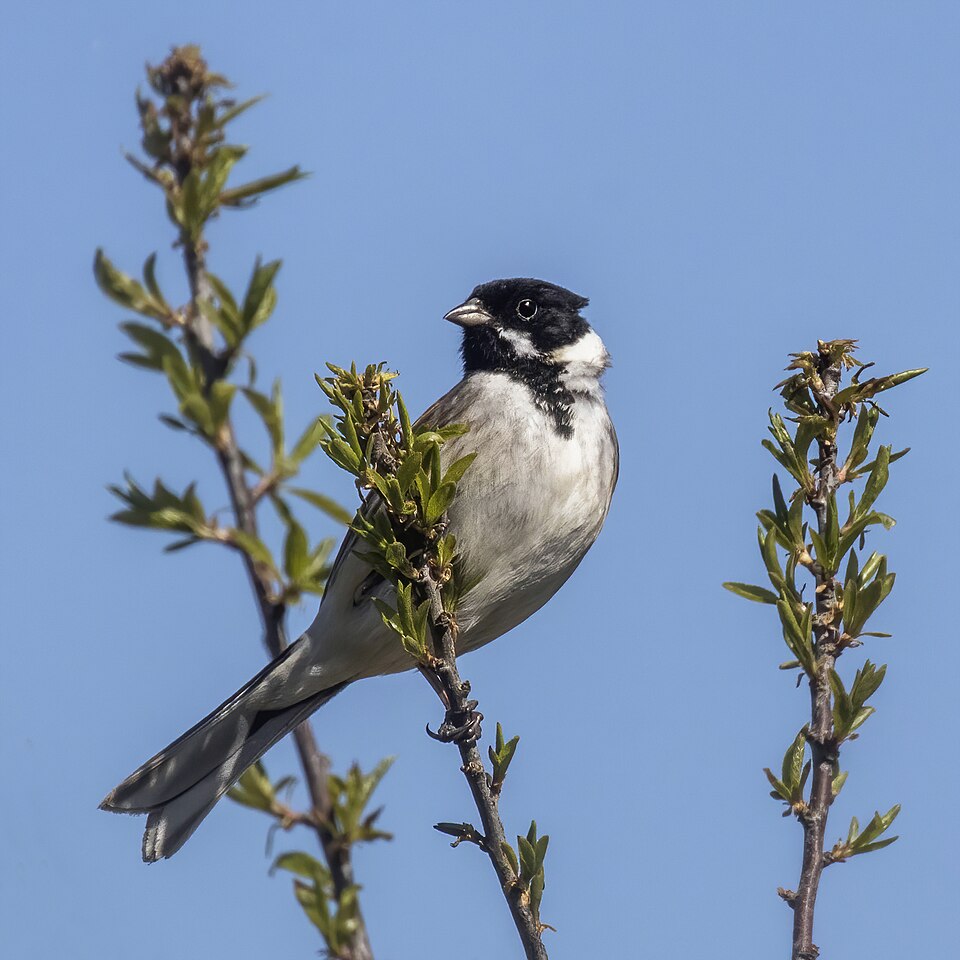 Migliarino di palude
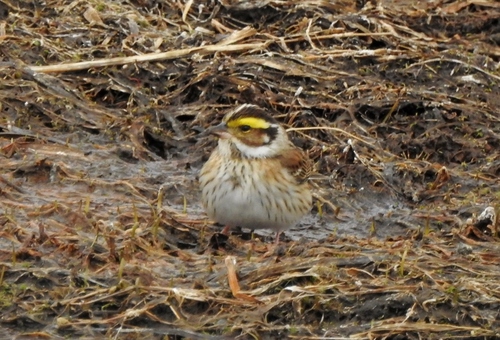 Yellow-browed Bunting
In breve
Il segno di campo più affidabile tra Migliarino di palude e Yellow-browed Bunting è la presenza di un sopracciglio giallo brillante (supercilium) nel Yellow-browed Bunting di tutte le età, che non è mai mostrato dal Migliarino di palude. I Migliarini di palude maschi adulti hanno una testa e una gola nere con un collare bianco, mentre i maschi di Yellow-browed Bunting hanno una testa nera ma aggiungono una striscia bianca sulla corona e un sopracciglio giallo sorprendente. Le femmine e gli immaturi di entrambe le specie sono più opachi e striati, ma il Yellow-browed Bunting mostra sempre almeno un po' di giallo nel sopracciglio e un accenno di striscia bianca sulla corona, mentre le femmine/immaturi di Migliarino di palude non mostrano affatto giallo. Entrambi sono migliaia di dimensioni medie con una struttura simile, ma il Migliarino di palude è leggermente più grande e pesante. In volo o a distanza, concentrati sul colore del sopracciglio e sul motivo della testa per la migliore separazione.
Consigli di identificazione
- Il colore del sopracciglio è fondamentale: Il Yellow-browed Bunting mostra sempre almeno un po' di giallo nel sopracciglio (supercilium), anche nelle femmine e negli immaturi opachi. Il Migliarino di palude non mostra mai giallo qui; il suo sopracciglio è pallido o beige al massimo.
- Striscia sulla corona: Il Yellow-browed Bunting (tutte le età) mostra una striscia sulla corona pallida (spesso bianca), particolarmente evidente nei maschi ma visibile anche nelle femmine/immaturi. Il Migliarino di palude manca di questa caratteristica, avendo una corona più uniformemente striata o semplice.
- Motivo della testa del maschio adulto: I maschi di Migliarino di palude hanno una testa e una gola nere con un collare bianco netto e parti inferiori. I maschi di Yellow-browed Bunting hanno una testa nera, ma con una striscia bianca sulla corona, una striscia bianca sulle guance, una gola nera e un sopracciglio giallo—cerca la combinazione di giallo e bianco sulla testa.
- Motivo della testa di femmine/immaturi: Le femmine e i giovani Migliarini di palude sono striati di marrone sulla testa, senza giallo o striscia bianca sulla corona. Le femmine/immaturi di Yellow-browed Bunting sono anch'esse striate, ma mostrano sempre almeno un pallido sopracciglio giallo e un accenno di striscia pallida sulla corona.
- Schiena e parti inferiori: Il Migliarino di palude di tutte le età è fortemente striato sulla schiena e spesso sulle parti inferiori, specialmente femmine/immaturi. Il Yellow-browed Bunting è anch'esso striato, ma il motivo della testa è più distintivo per la separazione.
- Forma del becco: Entrambi hanno un piccolo becco da bunting per mangiare semi; non è un separatore affidabile.
- Dimensioni e struttura: Il Migliarino di palude è leggermente più grande e pesante, ma la differenza è sottile e non diagnostica sul campo.
- Viste in volo: Non sono descritte differenze distintive nei modelli di ali o coda per queste specie nelle note fornite. Concentrati sul motivo della testa, anche in volo se possibile.
- Contesto dell'habitat: Il Migliarino di palude è molto più probabile nei canneti, nelle paludi o ai margini delle zone umide. Il Yellow-browed Bunting è più tipico di habitat boschivi o cespugliosi. Usa l'habitat come indizio di supporto, non come separatore primario.
- Canto e richiami: Solo il canto del Migliarino di palude è descritto ('srip'); la mancanza di descrizione vocale per il Yellow-browed Bunting significa che i richiami non sono un separatore affidabile qui.
- Stagione e distribuzione: Entrambe le specie sono migratorie in alcune parti della loro distribuzione, ma il Migliarino di palude è diffuso in tutta Europa e nel Paleartico, mentre il Yellow-browed Bunting è più orientale e meno probabile in Europa occidentale. Se sei molto a ovest, il Migliarino di palude è molto più probabile.
- Trappole per il sesso: Le femmine e gli immaturi di Migliarino di palude possono apparire molto opachi e striati, a volte somigliando ad altri bunting, ma non mostrano mai giallo nel sopracciglio o una striscia bianca sulla corona. Se vedi anche solo un accenno di giallo sopra l'occhio, escludi il Migliarino di palude.
- Illuminazione e usura: I Yellow-browed Bunting sbiaditi o usurati possono mostrare giallo ridotto, ma di solito ne rimane ancora un po'. Controlla sempre per una striscia pallida sulla corona come segno di riserva.
- In perche' vs. in volo: Entrambe le specie spesso si posano erette e visibilmente, rendendo osservabile il motivo della testa. In volo, cerca di individuare il sopracciglio e la striscia sulla corona, poiché non sono descritte forti differenze nei modelli di ali o coda.
- Confusione giovanile: Anche i giovani freschi di Yellow-browed Bunting mantengono un po' di giallo nel sopracciglio e una striscia pallida sulla corona, mentre i giovani Migliarini di palude sono di un marrone semplice e striato senza giallo o striscia sulla corona.
Taglia
Il Migliarino di palude è un bunting di dimensioni medie, lungo 13.5–15.5 cm e pesante 10–28 g [wikipedia]. Il Yellow-browed Bunting non ha una dimensione precisa nelle note, ma come un tipico bunting Emberiza, è probabilmente simile o leggermente più piccolo. Sul campo, il Migliarino di palude può apparire un po' più robusto, ma la sovrapposizione delle dimensioni è considerevole e non è un separatore affidabile da solo.
Piumaggio
Per tutte le età, la differenza chiave è il sopracciglio: il Yellow-browed Bunting mostra sempre almeno un po' di giallo nel supercilium, anche nelle femmine e negli immaturi, e una striscia pallida (spesso bianca) sulla corona. Il Migliarino di palude non mostra mai giallo nel sopracciglio; le femmine e gli immaturi hanno una testa marrone striata senza giallo o striscia bianca sulla corona. Il maschio adulto di Migliarino di palude ha una testa e una gola nere con un collare bianco e parti inferiori, e una schiena marrone fortemente barrata. Il maschio adulto di Yellow-browed Bunting ha anch'esso una testa nera ma con una striscia bianca sulla corona, una striscia bianca sulle guance, una gola nera e un sopracciglio giallo brillante. Le femmine e gli immaturi di Yellow-browed Bunting hanno un motivo della testa più debole (il marrone sostituisce il nero), ma il sopracciglio giallo e la striscia pallida sulla corona sono sempre presenti, mentre le femmine/immaturi di Migliarino di palude sono complessivamente più opachi e più uniformemente striati di marrone. Non sono descritti segni distintivi specifici per età sulle ali superiori o segni di volo per nessuna delle due specie in queste note.
Comportamento
Entrambe le specie sono tipici bunting nel comportamento, spesso viste posate erette su canne, arbusti o rami bassi. I Migliarini di palude sono spesso associati a habitat umidi e possono essere visti nutrirsi a terra o fare brevi voli tra i posatoi. I Yellow-browed Bunting sono meno legati agli habitat umidi e possono essere visti in habitat boschivi o cespugliosi più vari. Lo stile di volo non è descritto come distintivo tra i due nelle note.
Habitat
Il Migliarino di palude è fortemente associato a canneti, paludi e margini di zone umide in tutta Europa e nel Paleartico, anche se può essere trovato anche in terreni agricoli e prati incolti, specialmente al di fuori della stagione di nidificazione [wikipedia]. Il Yellow-browed Bunting non è descritto in dettaglio qui, ma è meno legato agli habitat umidi e più probabile in habitat boschivi, cespugliosi o ai margini delle foreste. Se visto in ampi canneti, il Migliarino di palude è molto più probabile; in boschi misti o ai margini, entrambi sono possibili ma il Migliarino di palude è meno atteso.
Voce
L'unica vocalizzazione descritta è il canto del maschio di Migliarino di palude, un 'srip' ripetitivo. Non sono forniti dettagli vocali per il Yellow-browed Bunting in queste note, quindi la voce non è un separatore affidabile qui.
Migliarino di palude · Yellow-browed Bunting · I miei uccelli difficili