

Motmot

オオジュリン 対 コホオアカ

Emberiza schoeniclus 対 Emberiza pusilla

オオジュリンとコホオアカのクイズ
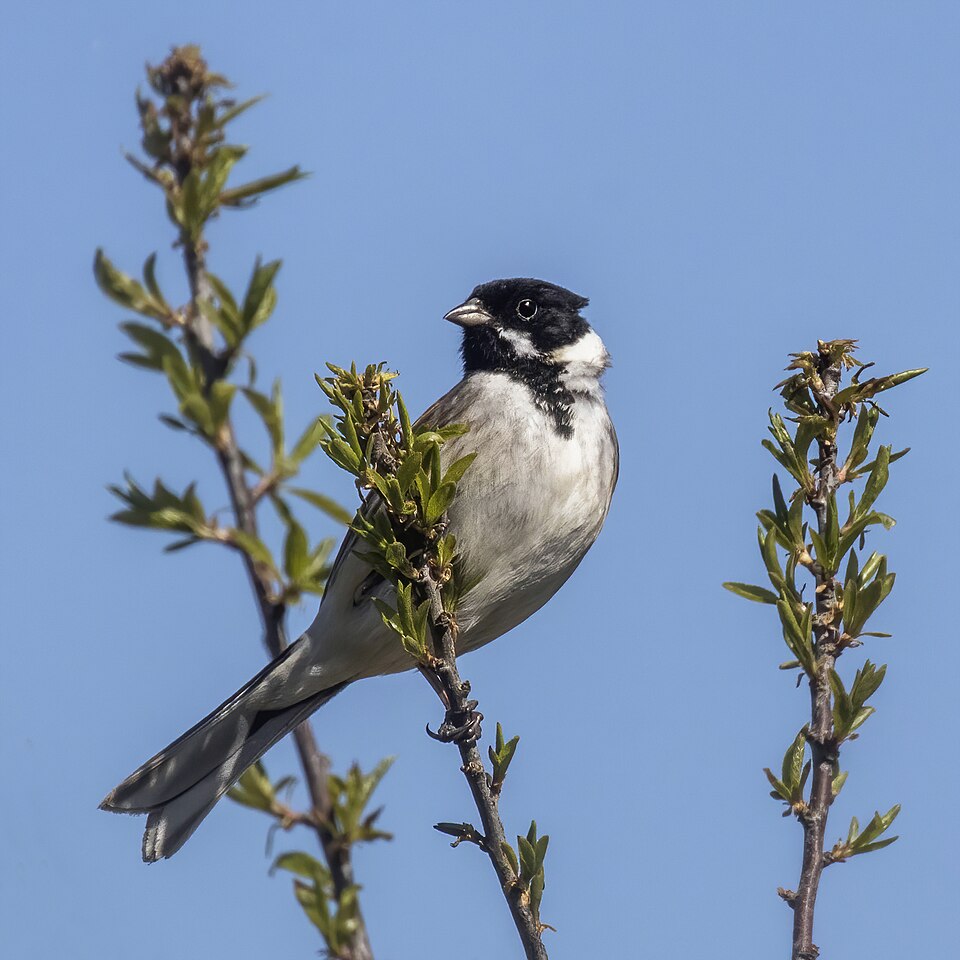
オオジュリン (Emberiza schoeniclus) オオジュリン
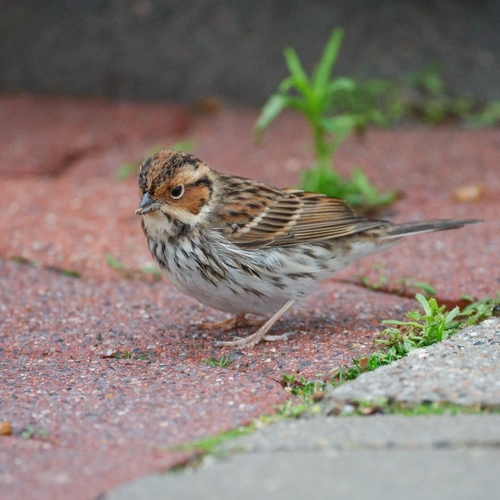
コホオアカ (Emberiza pusilla) コホオアカ

メディア

読み込み中…

要点

オオジュリンとコホオアカの最も信頼できるフィールドマークは頭の模様です:コホオアカは黒い冠のストライプ、白いマラーストライプ、明確な白いアイリングを持つ鮮やかな栗色の顔を示しますが、雌や幼鳥のオオジュリンは鈍く、はっきりとした頭のストライプがありません。フィールドでは、コホオアカは明らかに小さく、より繊細で、構造が細かく、コンパクトな印象を与えます。オオジュリンの雄は黒い頭と白い襟で特徴的ですが、雌や幼鳥は特に秋と冬に混乱のリスクが高いです。顔の模様、サイズ、構造に注意を払うことが重要です。両種ともに縞模様の腹部と茶色の上面を示すことがあります。

識別のコツ

  1. 頭の模様が重要です: コホオアカは常に鮮やかな栗色の顔、黒い冠のストライプ、白いマラーストライプ、明確な白いアイリングを示します—これらはすべての年齢と性別に存在します。雌や幼鳥のオオジュリンは、鋭い冠のストライプやアイリングがない、はるかに鈍い縞模様の茶色の頭を持っています。
  2. オオジュリンの成鳥雄はユニークです: 黒い頭と喉、白い首の襟と腹部は、コホオアカには決して見られません。これを見たら、それはオオジュリンの雄です。
  3. サイズと構造: コホオアカは小さく、よりコンパクトで、細いくちばしと短い尾を持っています。オオジュリンはより大きく、重いくちばしと長い尾を持っています。これは、両種が並んで見られるときや、馴染みのある種と一緒に見られるときに特に役立ちます。
  4. 腹部の縞模様: コホオアカは胸部と側面に細かく、はっきりとした縞模様のある白い腹部を持っています。オオジュリン(特に雌や幼鳥)は、より重く、拡散した縞模様を示し、全体的な印象はあまりクリーンではありません。
  5. 上面の色合い: 両種ともに上面は茶色の縞模様ですが、コホオアカの縞模様は細かく、全体的なトーンは冷たく、対比が強いです。オオジュリンは暖かく、はっきりとした模様が少ないです。
  6. 雌や幼鳥の顔の模様: 鳥が明確な白い縁と黒い冠のストライプを持つ栗色の頬を示す場合、それはコホオアカです。顔がただの縞模様の茶色で鋭い模様がない場合、それは雌または幼鳥のオオジュリンです。
  7. 白いアイリング: コホオアカだけが、近くで見たり良い光の下で見たりするときに目立つ白いアイリングを示します。
  8. くちばしの形: コホオアカのくちばしは細く、より繊細ですが、オオジュリンはより頑丈で、より強力な種子食用のくちばしを持っています。
  9. 飛行スタイル: コホオアカは飛行中によりひらひらとした動きで、より直接的ではなく、小さなサイズに合っています。オオジュリンはより安定しており、頑丈です。
  10. 生息地: リードベッドや広範な湿地では、オオジュリンがはるかに多く見られます。コホオアカは茂みの多い、木の生えた縁や乾燥した低木を好み、大きなリードベッドにはめったに入ってきません。
  11. 鳴き声: コホオアカの鋭い「ズィク」という鳴き声と転がるような歌に対して、コホオアカのシンプルな「スリップ」を聞いてください。
  12. コホオアカの性別は似ています: 雄と雌のコホオアカは似ているので、オオジュリンのような劇的な違いを期待しないでください。
  13. 季節的な混乱: 雌や幼鳥のオオジュリンは、特に秋と冬にコホオアカと最も混同されることが多いです。常にコホオアカのはっきりとした顔とアイリングを確認してください。
  14. 文脈: コホオアカはヨーロッパのほとんどで非常に珍しく、通常は単独または少数で見られ、他のバンティングと一緒にいることが多いです。オオジュリンは広範囲に分布しており、適切な湿地の生息地でよく見られます。
  15. 疑わしい場合: 鳥がはっきりとした顔の模様を欠き、より大きく、重いくちばしを持っている場合、それはおそらくオオジュリンです。小さく、鮮やかな顔を持ち、白いアイリングがある場合、それはコホオアカです。

大きさ

コホオアカはオオジュリンよりも明らかに小さく、軽いです。コホオアカは長さ12〜14 cmで、質量は約15.4 g [wikidata]ですが、オオジュリンは13.5〜15.5 cmで、最大28 g [wikipedia]までの重さがあります。フィールドでは、コホオアカはより小柄でコンパクトに見え、細いくちばしと短い尾を持っていますが、オオジュリンは特に体とくちばしが大きく見えます。この違いは、両種が並んで見られるときや、馴染みのある種と一緒に見られるときにしばしば明らかです。

羽色

幼鳥と雌のオオジュリンは、上面と下面が茶色の縞模様で、一般的に鈍く、拡散した頭の模様を持っています—茶色の縞模様で、はっきりとした模様ではありません。それに対して、すべての年齢と性別のコホオアカは、はっきりとした栗色の顔、目立つ白いマラーストライプ、黒い冠のストライプ、整った白いアイリングを示します。コホオアカの腹部は白く、胸部と側面に細かい暗い縞模様がありますが、オオジュリン(特に雌や幼鳥)はより重く、拡散した縞模様を持っています。オオジュリンの雄は、黒い頭と喉、白い襟、はっきりした茶色の背中を持ち、コホオアカには決して見られない模様です。両種ともに縞模様の上面を持っていますが、コホオアカの縞模様は細かく、全体的な色合いは冷たく、対比が強いです。いずれの種についても、年齢特有の上翼の模様は資料には記載されていません。

行動

両種は通常目立たず、低い植生や地面で餌を探すことが多いです。コホオアカはより秘密主義的で、しばしば単独または非常に小さな群れで見られ、他のバンティングと一緒にいることがあります。オオジュリンは、特にリードベッドや開けた低木の中で、ペアや小さな群れで見られる可能性が高いです。飛行中、コホオアカはよりひらひらとした動きで、より直接的ではなく、小さなサイズと短い尾を反映していますが、オオジュリンはより安定しており、頑丈な飛行を持っています。

生息環境

オオジュリンはリードベッド、湿地、湿地の縁に強く関連していますが、湿った低木や荒れた草地でも見られることがあります。コホオアカは、より木の多いまたは低木の生息地を好み、しばしば水の近くにいますが、通常はオオジュリンよりも乾燥した茂みの多い地域に生息しています。両種は移動中に重複する地域に出現することがありますが、コホオアカは広範なリードベッドで見られる可能性がはるかに低く、密な低植生や森林の縁に存在することは有用な手がかりです。

声

オオジュリンの歌はシンプルで反復的な「スリップ」で、通常は止まり木から発せられます。コホオアカの鳴き声は独特で鋭い「ズィク」で、その歌はより複雑で転がるような「シロースィルシルシロースィル」です。鳴き声の違いは、特に鳥が見えないときにフィールドで二つを分ける最も早い方法です。コホオアカの鳴き声は、オオジュリンが出すどの鳴き声よりも高音で金属的です。

より良い説明を送る

比較と同じ項目を使ってください。文章はすぐに公開されます。

The most reliable field mark between Common Reed Bunting and Little Bunting is the head pattern: Little Bunting shows a crisp chestnut face with black crown stripes, a white malar stripe, and a clear white eye-ring, while female and immature Common Reed Buntings are duller and lack the sharply defined head stripes. In the field, Little Bunting is noticeably smaller and more delicate, with finer structure and a more compact jizz. Males of Common Reed Bunting are distinctive with their black heads and white collars, but females and immatures are the main confusion risk, especially in autumn and winter. Careful attention to face pattern, size, and structure is essential, as both can show streaked underparts and brown upperparts.

  1. Head pattern is key: Little Bunting always shows a crisp chestnut face, black crown stripes, a white malar stripe, and a clear white eye-ring—these are present in all ages and sexes. Female and immature Common Reed Buntings have a much duller, streaked brown head with no sharp crown stripes or eye-ring.
  2. Adult male Common Reed Bunting is unique: The black head and throat with a white neck collar and underparts is never matched by Little Bunting. If you see this, it's a male Common Reed Bunting.
  3. Size and structure: Little Bunting is smaller, more compact, with a finer bill and shorter tail. Common Reed Bunting is bulkier, with a heavier bill and longer tail. This is especially useful when birds are seen side by side or with familiar species.
  4. Underpart streaking: Little Bunting has white underparts with fine, well-defined streaks on the breast and flanks. Common Reed Bunting (especially females and immatures) shows heavier, more diffuse streaking, and the overall effect is less clean.
  5. Upperpart coloration: Both are streaked brown above, but Little Bunting's streaks are finer and the overall tone is colder and more contrasting. Common Reed Bunting is warmer and less crisply marked.
  6. Face pattern in females/immatures: If the bird shows a chestnut cheek with a clear white border and black crown stripes, it's a Little Bunting. If the face is just streaked brown with no sharp markings, it's a female or immature Common Reed Bunting.
  7. White eye-ring: Only Little Bunting shows a neat white eye-ring, visible at close range or in good light.
  8. Bill shape: Little Bunting's bill is finer and more delicate, while Common Reed Bunting has a stouter, more powerful seed-eating bill.
  9. Flight style: Little Bunting is more fluttery and less direct in flight, matching its smaller size. Common Reed Bunting is steadier and more robust.
  10. Habitat: In reedbeds or extensive marshes, Common Reed Bunting is far more likely. Little Bunting prefers bushy, wooded edges or drier scrub, rarely venturing into large reedbeds.
  11. Vocalizations: Listen for Little Bunting's sharp 'zik' call and rolling song, versus the simple 'srip' of Common Reed Bunting.
  12. Sexes similar in Little Bunting: Both male and female Little Buntings look alike, so don't expect a dramatic difference as in Common Reed Bunting.
  13. Seasonal confusion: Female and immature Common Reed Buntings are most often confused with Little Bunting, especially in autumn and winter. Always check for the sharply marked face and eye-ring of Little Bunting.
  14. Context: Little Bunting is much rarer in most of Europe and is usually found singly or in small numbers, often with other buntings. Common Reed Bunting is widespread and often seen in suitable wetland habitat.
  15. When in doubt: If the bird lacks a sharply defined face pattern and is bulkier with a heavier bill, it's likely a Common Reed Bunting. If it is small, crisp-faced, and has a white eye-ring, it's a Little Bunting.

Little Bunting is distinctly smaller and lighter than Common Reed Bunting. Little Bunting measures 12–14 cm in length and averages around 15.4 g in mass [wikidata], while Common Reed Bunting is larger at 13.5–15.5 cm and can weigh up to 28 g [wikipedia]. In the field, Little Bunting appears more petite and compact, with a finer bill and shorter tail, while Common Reed Bunting is bulkier, especially in the body and bill. This difference is often apparent when both are seen side by side or with familiar species for scale.

Juvenile and female Common Reed Buntings are streaked brown above and below, with a generally dull and diffuse head pattern—streaked brown rather than crisply marked. In contrast, Little Bunting of all ages and sexes shows a sharply defined chestnut face, prominent white malar stripe, black crown stripes, and a neat white eye-ring. The underparts of Little Bunting are white with fine dark streaks on the breast and flanks, while Common Reed Bunting (especially females and immatures) has heavier and more diffuse streaking. Adult male Common Reed Bunting is unmistakable with a black head and throat, white collar, and bold brown back, a pattern never shown by Little Bunting. Both species have streaked upperparts, but Little Bunting's streaks are finer and its overall coloration is colder and more contrasting. No age-specific upperwing pattern is described for either species in the sources.

Both species are typically unobtrusive and often forage low in vegetation or on the ground. Little Bunting tends to be more secretive and is often solitary or in very small flocks, sometimes associating with other buntings. Common Reed Bunting is more likely to be seen in pairs or small groups, especially in reedbeds or open scrub. In flight, Little Bunting appears more fluttery and less direct, reflecting its smaller size and shorter tail, while Common Reed Bunting has a steadier, more robust flight.

Common Reed Bunting is strongly associated with reedbeds, marshes, and wetland edges, though it can also be found in damp scrub and rough grassland. Little Bunting prefers more wooded or shrubby habitats, often near water but typically in drier, bushier areas than Common Reed Bunting. While both can occur in overlapping regions during migration, Little Bunting is much less likely to be found in extensive reedbeds, and its presence in dense, low vegetation or woodland edges is a useful clue.

Common Reed Bunting's song is a simple, repetitive 'srip', usually delivered from a perch. Little Bunting's call is a distinctive, sharp 'zik', and its song is a more complex, rolling 'siroo-sir-sir-siroo'. The difference in calls is often the quickest way to separate the two in the field, especially when the birds are not visible. Little Bunting's call is higher-pitched and more metallic than any call given by Common Reed Bunting.

変更を破棄しますか?

保存していない編集があります。今離れると失われます。

オオジュリン · コホオアカ · 苦手な鳥