

Escribano Palustre vs Escribano Pigmeo
Emberiza schoeniclus frente a Emberiza pusilla
Juega un quiz con Escribano Palustre y Escribano Pigmeo
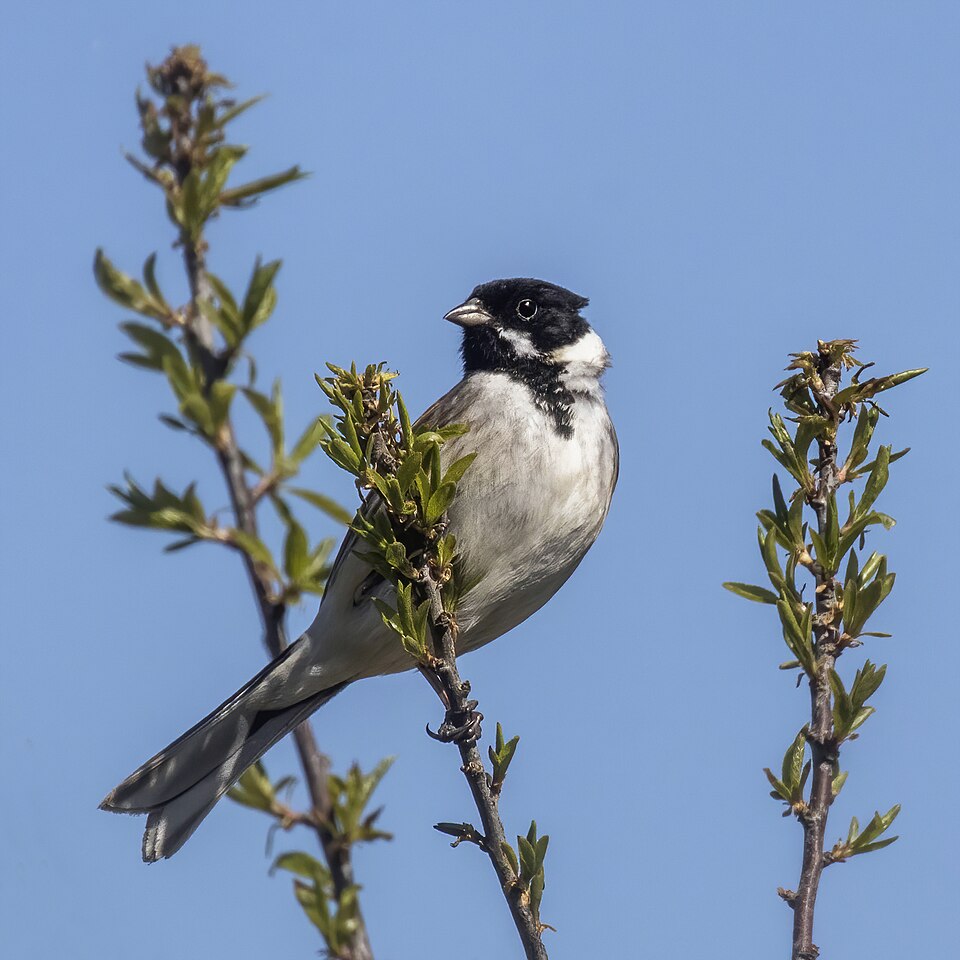 Escribano Palustre
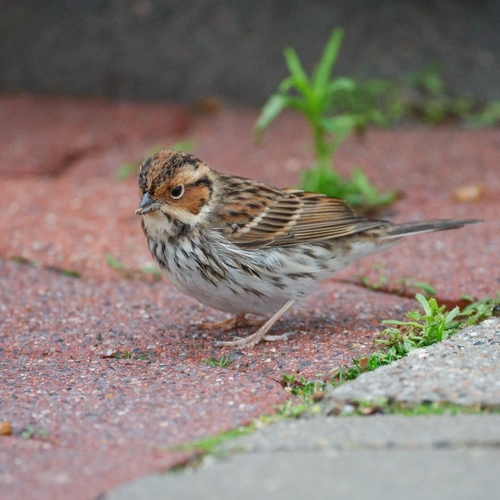 Escribano Pigmeo
En breve
La marca de campo más confiable entre el Escribano Palustre y el Escribano Pigmeo es el patrón de la cabeza: el Escribano Pigmeo muestra una cara castaña nítida con franjas negras en la corona, una franja malar blanca y un anillo ocular blanco claro, mientras que las hembras y los inmaduros de Escribano Palustre son más apagados y carecen de las franjas de cabeza bien definidas. En el campo, el Escribano Pigmeo es notablemente más pequeño y más delicado, con una estructura más fina y un aspecto más compacto. Los machos de Escribano Palustre son distintivos con sus cabezas negras y cuellos blancos, pero las hembras y los inmaduros son el principal riesgo de confusión, especialmente en otoño e invierno. La atención cuidadosa al patrón de la cara, el tamaño y la estructura es esencial, ya que ambos pueden mostrar partes inferiores estriadas y partes superiores marrones.
Consejos de identificación
- El patrón de la cabeza es clave: El Escribano Pigmeo siempre muestra una cara castaña nítida, franjas negras en la corona, una franja malar blanca y un anillo ocular blanco claro; estos están presentes en todas las edades y sexos. Las hembras y los inmaduros de Escribano Palustre tienen una cabeza marrón estriada mucho más apagada, sin franjas de corona nítidas ni anillo ocular.
- El macho adulto de Escribano Palustre es único: La cabeza y la garganta negras con un collar blanco en el cuello y partes inferiores nunca son igualadas por el Escribano Pigmeo. Si ves esto, es un macho de Escribano Palustre.
- Tamaño y estructura: El Escribano Pigmeo es más pequeño, más compacto, con un pico más fino y una cola más corta. El Escribano Palustre es más voluminoso, con un pico más pesado y una cola más larga. Esto es especialmente útil cuando los pájaros se ven uno al lado del otro o con especies familiares.
- Estriado en las partes inferiores: El Escribano Pigmeo tiene partes inferiores blancas con finas estrías bien definidas en el pecho y los flancos. El Escribano Palustre (especialmente hembras e inmaduros) muestra un estriado más pesado y difuso, y el efecto general es menos limpio.
- Coloración de las partes superiores: Ambos están estriados de marrón por encima, pero las estrías del Escribano Pigmeo son más finas y el tono general es más frío y contrastante. El Escribano Palustre es más cálido y menos nítidamente marcado.
- Patrón facial en hembras/inmaduros: Si el pájaro muestra una mejilla castaña con un borde blanco claro y franjas negras en la corona, es un Escribano Pigmeo. Si la cara es solo marrón estriada sin marcas nítidas, es una hembra o un inmaduro de Escribano Palustre.
- Anillo ocular blanco: Solo el Escribano Pigmeo muestra un anillo ocular blanco limpio, visible a corta distancia o con buena luz.
- Forma del pico: El pico del Escribano Pigmeo es más fino y delicado, mientras que el Escribano Palustre tiene un pico más robusto y poderoso para comer semillas.
- Estilo de vuelo: El Escribano Pigmeo es más aleteante y menos directo en vuelo, coincidiendo con su tamaño más pequeño. El Escribano Palustre es más estable y robusto.
- Hábitat: En cañaverales o extensos pantanos, es mucho más probable encontrar al Escribano Palustre. El Escribano Pigmeo prefiere bordes arbustivos y boscosos o matorrales más secos, rara vez aventurándose en grandes cañaverales.
- Vocalizaciones: Escucha el agudo canto 'zik' del Escribano Pigmeo y su canción rodante, en contraste con el simple 'srip' del Escribano Palustre.
- Sexos similares en el Escribano Pigmeo: Tanto el macho como la hembra del Escribano Pigmeo se parecen, así que no esperes una diferencia dramática como en el Escribano Palustre.
- Confusión estacional: Las hembras y los inmaduros de Escribano Palustre son los que más a menudo se confunden con el Escribano Pigmeo, especialmente en otoño e invierno. Siempre verifica el rostro nítidamente marcado y el anillo ocular del Escribano Pigmeo.
- Contexto: El Escribano Pigmeo es mucho más raro en la mayor parte de Europa y generalmente se encuentra solo o en pequeños números, a menudo con otros escribanos. El Escribano Palustre es común y a menudo se ve en hábitats húmedos adecuados.
- Cuando tengas dudas: Si el pájaro carece de un patrón facial bien definido y es más voluminoso con un pico más pesado, es probable que sea un Escribano Palustre. Si es pequeño, con cara nítida y tiene un anillo ocular blanco, es un Escribano Pigmeo.
Tamaño
El Escribano Pigmeo es notablemente más pequeño y ligero que el Escribano Palustre. El Escribano Pigmeo mide de 12 a 14 cm de longitud y promedia alrededor de 15.4 g de masa [wikidata], mientras que el Escribano Palustre es más grande, de 13.5 a 15.5 cm y puede pesar hasta 28 g [wikipedia]. En el campo, el Escribano Pigmeo parece más pequeño y compacto, con un pico más fino y una cola más corta, mientras que el Escribano Palustre es más voluminoso, especialmente en el cuerpo y el pico. Esta diferencia es a menudo evidente cuando ambos se ven uno al lado del otro o con especies familiares para escala.
Plumaje
Los juveniles y hembras de Escribano Palustre están estriados de marrón por encima y por debajo, con un patrón de cabeza generalmente apagado y difuso: marrón estriado en lugar de nítidamente marcado. En contraste, el Escribano Pigmeo de todas las edades y sexos muestra una cara castaña bien definida, una prominente franja malar blanca, franjas negras en la corona y un anillo ocular blanco limpio. Las partes inferiores del Escribano Pigmeo son blancas con finas estrías oscuras en el pecho y los flancos, mientras que el Escribano Palustre (especialmente hembras e inmaduros) tiene un estriado más pesado y difuso. El macho adulto de Escribano Palustre es inconfundible con una cabeza y garganta negras, un collar blanco y una espalda marrón audaz, un patrón que nunca muestra el Escribano Pigmeo. Ambas especies tienen partes superiores estriadas, pero las estrías del Escribano Pigmeo son más finas y su coloración general es más fría y contrastante. No se describe un patrón específico de las alas superiores por edad para ninguna de las especies en las fuentes.
Comportamiento
Ambas especies son típicamente discretas y a menudo forrajean bajo en la vegetación o en el suelo. El Escribano Pigmeo tiende a ser más secreto y a menudo es solitario o se encuentra en bandadas muy pequeñas, a veces asociándose con otros escribanos. El Escribano Palustre es más probable que se vea en parejas o grupos pequeños, especialmente en cañaverales o matorrales abiertos. En vuelo, el Escribano Pigmeo parece más aleteante y menos directo, reflejando su tamaño más pequeño y cola más corta, mientras que el Escribano Palustre tiene un vuelo más estable y robusto.
Hábitat
El Escribano Palustre está fuertemente asociado con cañaverales, pantanos y bordes de humedales, aunque también se puede encontrar en matorrales húmedos y pastizales ásperos. El Escribano Pigmeo prefiere hábitats más boscosos o arbustivos, a menudo cerca del agua pero típicamente en áreas más secas y arbustivas que el Escribano Palustre. Aunque ambas pueden ocurrir en regiones superpuestas durante la migración, el Escribano Pigmeo es mucho menos probable que se encuentre en extensos cañaverales, y su presencia en vegetación densa y baja o bordes de bosques es una pista útil.
Voz
La canción del Escribano Palustre es un simple y repetitivo 'srip', generalmente emitido desde una percha. El llamado del Escribano Pigmeo es un 'zik' distintivo y agudo, y su canción es un 'siroo-sir-sir-siroo' más complejo y rodante. La diferencia en los llamados es a menudo la forma más rápida de separar a los dos en el campo, especialmente cuando los pájaros no son visibles. El llamado del Escribano Pigmeo es más agudo y metálico que cualquier llamado dado por el Escribano Palustre.