

Motmot

ヨーロッパウズラ 対 サザナミシャコ

Coturnix coturnix 対 Pternistis adspersus

ヨーロッパウズラとサザナミシャコのクイズ
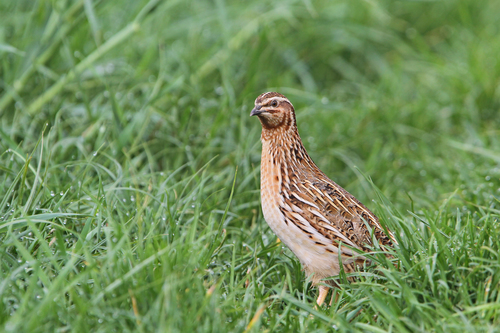
ヨーロッパウズラ (Coturnix coturnix) ヨーロッパウズラ
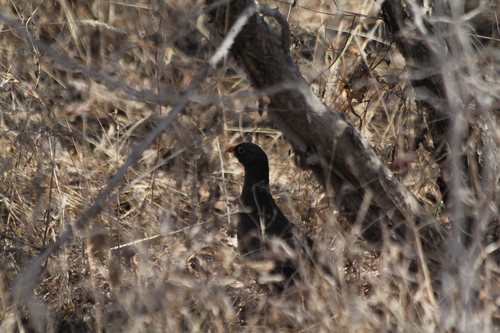
サザナミシャコ (Pternistis adspersus) サザナミシャコ

メディア

読み込み中…

要点

ヨーロッパウズラとサザナミシャコを区別する最も信頼できるフィールドマークはサイズと構造です:ヨーロッパウズラは非常に小さく、コンパクトで、長い翼を持つ鳥ですが、サザナミシャコははるかに大きく、重い体格と特徴的な赤いくちばしを持っています。飛んでいるときや地面にいるとき、ヨーロッパウズラは白いアイストライプのある縞模様の茶色の羽毛を示し、しばしば見えずに音だけが聞こえます。それに対して、サザナミシャコは大胆に横縞があり、黄色のアイリングを持ち、はるかに目立ちます。小さくて速く飛ぶ隠れたゲームバードを見たら、ウズラを考えてください;鶏のサイズで赤いくちばしを持つ大胆にマーキングされた鳥を見たら、それはシャコです。

識別のコツ

  1. Size is the quickest check: 鳥が鶏のサイズまたはハトより大きければ、それはサザナミシャコです。もしそれが非常に小さく、ヒバリよりわずかに大きいなら、それはヨーロッパウズラです。これはすべての年齢と性別に当てはまります。
  2. Bill color and shape: サザナミシャコは太く、明るい赤いくちばしを持ち、近くで明らかです。ヨーロッパウズラのくちばしは小さく、暗く、目立ちません。赤いくちばしを見たら、それはウズラではありません。
  3. Plumage pattern: ヨーロッパウズラの縞模様の茶色の上面と白いアイストライプ(すべての年齢)を探してください。オスでは白い顎があります。サザナミシャコは大胆に横縞があり、黄色のアイリングを持ち、ウズラの細かい縞模様とアイストライプがありません。
  4. Underpart markings: シャコは常に横縞のある腹部を示します;ウズラはより均一に縞模様があり、大胆な横縞がありません。
  5. Eye-ring: サザナミシャコは目立つ黄色のアイリングを持ち、ヨーロッパウズラにはありません。
  6. Behavior: ウズラは非常に秘密主義で、しばしば近くでしか見えず、オープンな場所ではめったに見られません。シャコは大胆で、オープンな場所やカバーの端を歩いているのがよく見られます。
  7. Flight style: ヨーロッパウズラは速く、直接的な飛行で急に飛び立ち、すぐにカバーに戻ります。シャコは騒がしく飛び立ち、短いバーストの後に滑空することがあります。
  8. Vocalization: もし繰り返しの三音のチュンチュンという音(短時間に三回)を聞いたら、それはヨーロッパウズラです。シャコはこの呼び声を出しません。
  9. Habitat and range: 南アフリカで、乾燥した低木や茂みの中にいる鶏のサイズのゲームバードはおそらくシャコです。ユーラシアや北アフリカ、または耕作された草地では、小さくて隠れたゲームバードはおそらくウズラです。
  10. Sexual dimorphism: 両種は性別間にいくつかのサイズの違いを示しますが、これは重なりません:雌のシャコでさえ雄のウズラよりはるかに大きいです。
  11. Group size: シャコはしばしば小さな群れで見られます;ウズラは通常孤立しているか、隠れたパーティーにいます。
  12. Visibility: 鳥がオープンな場所を歩いていて観察しやすい場合、それはシャコである可能性が高いです。もしそれが聞こえるだけで近くでしか見えないなら、ウズラを疑ってください。
  13. Migration: 繁殖シーズン外にヨーロッパや北アフリカで見られた場合、それはほぼ確実にヨーロッパウズラです。シャコは移動性がなく、南アフリカに制限されています。
  14. Juvenile confusion: どちらの種にも特有の幼鳥の翼のパターンは記載されていないため、未成熟な個体のサイズと構造に頼ってください。
  15. Pitfall: 呼び声でヨーロッパウズラとウズラを混同しないでください—ウズラは非常に異なる発声を持っています。

大きさ

ヨーロッパウズラは劇的に小さく、長さは16〜18 cm、重さは70〜140 g、翼幅は32〜35 cmです [wikipedia]。サザナミシャコは長さが2倍以上(オスは38 cm、雌は33 cm)、重さもはるかに重い(オスは340〜635 g、雌は340〜549 g)です [wikipedia]。雌のシャコでさえウズラの数倍の質量があります。フィールドでは、シャコは鶏のように見え、ウズラは小さくてコンパクトな鳥です。

羽色

どちらの種についても年齢特有の上翼や飛行パターンのマークは記載されていません。すべての年齢のヨーロッパウズラは上面が茶色の縞模様で、白いアイストライプとオスでは白い顎があります。その羽毛は隠れやすく、草の中でのカモフラージュのために設計されています。年齢や性別に関係なく、サザナミシャコは横縞のある腹部と目立つ黄色のアイリングを持っています。シャコの羽毛はより大胆でカモフラージュが少なく、明確な赤いくちばしがあります。どちらの種についても幼鳥特有の翼のパターンについての言及はありませんので、これらの対比はすべての年齢に適用されます。

行動

ヨーロッパウズラは秘密主義でめったに見られず、草の中に隠れていることを好み、最後の瞬間にしか飛び立ちません。しばしばその呼び声で検出されます。それに対して、サザナミシャコははるかに大胆で目立ち、オープンな場所やカバーの端を歩いているのがよく見られます。シャコはまた、群れで見られる可能性が高く、近づかない限り飛び立つことは少ないです。ウズラの飛行は迅速で直接的ですが、シャコは騒がしく飛び立ち、その後滑空します。

生息環境

ヨーロッパウズラはユーラシアで繁殖し、アフリカや南インドで冬を越す移動性の種で、オープンな草地や農地を好みます。サザナミシャコは南アフリカ(アンゴラ、ボツワナ、ナミビア、南アフリカ、ザンビア、ジンバブエ)に生息し、より乾燥した低木の生息地で見られ、しばしば水の近くにいます。両者はオープンな国に見られることがありますが、シャコは南アフリカのブッシュやサバンナに典型的で、ウズラは草地や耕作されたフィールドの鳥です。

声

ヨーロッパウズラはその呼び声で最もよく検出されます:三回繰り返されるチュンチュンという音がそれぞれ短時間に三回繰り返されます。この呼び声は特徴的で、しばしば鳥の存在の唯一の手がかりです。サザナミシャコの発声は提供されたメモには記載されていませんが、ウズラのような繰り返しのチュンチュンという音は出しません。もしクラシックなウズラの呼び声を聞いたら、あなたはシャコの声を聞いていません。

より良い説明を送る

比較と同じ項目を使ってください。文章はすぐに公開されます。

The most reliable field mark to separate Common Quail from Red-billed Spurfowl is size and structure: Common Quail is a very small, compact, long-winged bird, while Red-billed Spurfowl is much larger, with a heavier build and a distinctive red bill. In flight or on the ground, Common Quail shows a streaked brown plumage with a white eyestripe and is often only heard, not seen. Red-billed Spurfowl, by contrast, is boldly barred below, has a yellow eye-ring, and is much more conspicuous. If you see a small, fast-flying, cryptic gamebird, think quail; if you see a chicken-sized, boldly marked bird with a red bill, it's the spurfowl.

  1. Size is the quickest check: If the bird is chicken-sized or larger than a dove, it's a Red-billed Spurfowl. If it's much smaller, barely larger than a lark, it's a Common Quail. This works for all ages and sexes.
  2. Bill color and shape: Red-billed Spurfowl has a thick, bright red bill, obvious at close range. Common Quail's bill is small, dark, and inconspicuous. If you see a red bill, it's not a quail.
  3. Plumage pattern: Look for the Common Quail's streaked brown upperparts and white eyestripe (all ages), and in males, a white chin. Red-billed Spurfowl is boldly barred below and has a yellow eye-ring, lacking the quail's fine streaking and eyestripe.
  4. Underpart markings: Spurfowl always shows barred underparts; quail is more uniformly streaked and lacks bold barring.
  5. Eye-ring: Red-billed Spurfowl has a conspicuous yellow eye-ring, absent in Common Quail.
  6. Behavior: Quail are extremely secretive, often only flushed at close range and rarely seen in the open. Spurfowl are bolder, often seen walking in the open or at the edge of cover.
  7. Flight style: Common Quail flushes with a fast, direct flight, low to the ground, and quickly drops back into cover. Spurfowl take off noisily and may glide after a short burst.
  8. Vocalization: If you hear a repeated three-note chirp (three times in quick succession), it's Common Quail. Spurfowl do not give this call.
  9. Habitat and range: In southern Africa, a chicken-sized gamebird in arid scrub or bush is likely a spurfowl. In Eurasia or North Africa, or in cultivated grassland, a small, cryptic gamebird is likely a quail.
  10. Sexual dimorphism: Both species show some size difference between sexes, but this does not overlap: even a female spurfowl is much larger than a male quail.
  11. Group size: Spurfowl are often seen in small groups; quail are usually solitary or in loose, hidden parties.
  12. Visibility: If the bird is walking in the open and easy to observe, it's more likely a spurfowl. If it's only heard or flushed at close range, suspect quail.
  13. Migration: If seen in Europe or North Africa outside the breeding season, it's almost certainly a Common Quail, as spurfowl are not migratory and are restricted to southern Africa.
  14. Juvenile confusion: No distinctive juvenile wing pattern is described for either species, so rely on size and structure for immatures.
  15. Pitfall: Do not confuse Common Quail with Japanese Quail by call—Japanese Quail has a very different vocalization.

Common Quail is dramatically smaller: 16–18 cm in length, 70–140 g in weight, and a wingspan of 32–35 cm [wikipedia]. Red-billed Spurfowl is more than twice as long (males 38 cm, females 33 cm), and much heavier (males 340–635 g, females 340–549 g) [wikipedia]. Even a female spurfowl is several times the mass of a quail. In the field, the spurfowl appears chicken-like, while the quail is a tiny, compact bird.

No age-specific upperwing or flight pattern marks are described for either species in the sources. Common Quail of all ages is streaked brown above, with a white eyestripe and, in males, a white chin. Its plumage is cryptic and designed for camouflage in grass. Red-billed Spurfowl, regardless of age or sex, has barred underparts and a conspicuous yellow eye-ring. The spurfowl's plumage is bolder and less camouflaged, with a clear red bill. There is no mention of juvenile-specific wing pattern for either species, so these contrasts apply to all ages.

Common Quail is secretive and rarely seen, preferring to stay hidden in grass and only flushing at the last moment. It is more often detected by its call. In contrast, Red-billed Spurfowl is much bolder and more conspicuous, often seen walking in open areas or at the edge of cover. Spurfowl are also more likely to be seen in groups and are less likely to flush unless closely approached. The quail's flight is rapid and direct, while spurfowl take off with a noisy burst and then glide.

Common Quail is a migratory species breeding in the Palearctic and wintering in Africa and southern India, favoring open grassland and agricultural fields. Red-billed Spurfowl is resident in southern Africa (Angola, Botswana, Namibia, South Africa, Zambia, Zimbabwe), and is found in more arid, scrubby habitats, often near water. While both can be found in open country, the spurfowl is more typical of southern African bush and savanna, while the quail is a bird of grasslands and cultivated fields.

Common Quail is best detected by its call: three repeated chirps, each repeated three times in quick succession. This call is distinctive and often the only clue to the bird's presence. Red-billed Spurfowl's vocalizations are not described in the provided notes, but it does not give a quail-like repeated chirp. If you hear the classic quail call, you are not hearing a spurfowl.

変更を破棄しますか?

保存していない編集があります。今離れると失われます。

ヨーロッパウズラ · サザナミシャコ · 苦手な鳥