

Motmot

プアーウィルヨタカ 対 キガシラシトド

Phalaenoptilus nuttallii 対 Zonotrichia atricapilla

プアーウィルヨタカとキガシラシトドのクイズ
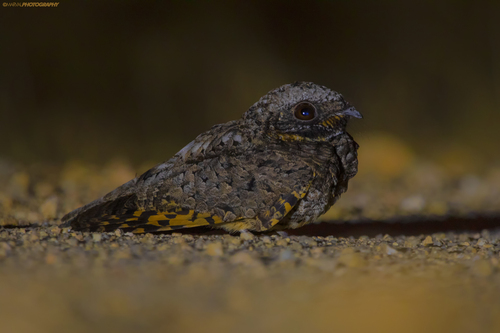
プアーウィルヨタカ (Phalaenoptilus nuttallii) プアーウィルヨタカ
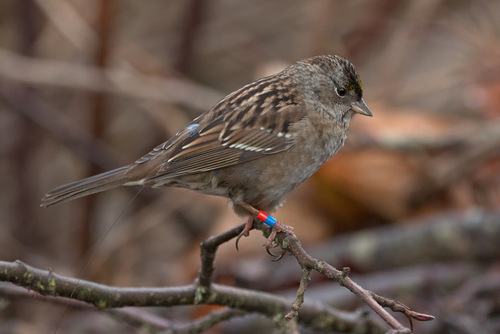
キガシラシトド (Zonotrichia atricapilla) キガシラシトド

メディア

読み込み中…

要点

プアーウィルヨタカとキガシラシトドを区別する最も信頼できる方法は、全体の構造と羽毛によるものです。プアーウィルヨタカは小さく、丸い翼を持つナイトジャーで、短い尾と暗い灰色と黒の隠れた模様があります。一方、キガシラシトドは大きく、長い尾を持つスズメで、特徴的な黄色の冠(成鳥の場合)と大胆な翼の帯があります。幼鳥や繁殖していないスズメは明るい冠が欠けていることがありますが、それでもスズメのような構造と縞模様の上面を示し、決してプアーウィルヨタカの柔らかく、まだらで、ほとんど尾がない外観にはなりません。飛行中、プアーウィルヨタカの丸い翼と短い尾は診断的であり、キガシラシトドは常に四角い尾と長く、より尖った翼を示します。生息地と行動も大きく異なります。プアーウィルヨタカは厳密に夜行性で、乾燥した開けた場所の地面にしばしば見られますが、キガシラシトドは日中活動し、低木や茂みの生息地で群れを成して餌を探します。

識別のコツ

  1. Structure is key: プアーウィルヨタカは非常に短い尾と丸い翼を持つコンパクトな体型です。キガシラシトドは細身で、長く四角い尾と尖った冠を持っています。これはすべての年齢と季節で信頼できます。
  2. Wing and tail in flight: プアーウィルヨタカの翼は丸く、休んでいるときに短い尾をほとんど超えません。キガシラシトドの翼は長く尖っており、尾は常に四角い先端で、比例的に長くなっています。
  3. Plumage pattern: プアーウィルヨタカは上面が暗い灰色と黒の隠れたまだら模様で、縞模様や翼の帯はありません。キガシラシトドは縞模様のある茶色の背中、2本の白い翼の帯、そして無地の灰色の後頭部を持っています。幼鳥でもこれらのスズメの特徴を示します。
  4. Tail markings: プアーウィルヨタカの外側の尾羽には白い先端があります(特にオスの場合)、近距離または飛行中に見えます。キガシラシトドの尾は無地の茶色で白はありません。
  5. Crown pattern: 繁殖羽毛の成鳥キガシラシトドは、黒で縁取られた大胆な黄色の冠のストライプを持っています。非繁殖期や幼鳥は鈍いまたは斑点のある黄色を持つことがありますが、プアーウィルヨタカの全灰色の冠にはなりません。
  6. Bill shape and color: プアーウィルヨタカは昆虫を捕まえるのに適した小さく短いくちばしを持っています。キガシラシトドは典型的なスズメのくちばしで、円錐形で暗い色(上のくちばしが下よりも暗い)です。
  7. Leg color: プアーウィルヨタカの足はめったに見えず、短いです。キガシラシトドは淡い茶色の足を持ち、跳んだり止まったりする際にしばしば見えます。
  8. Underparts: プアーウィルヨタカは下が淡い灰色で、上面と混ざり合っています。キガシラシトドは下が灰色ですが、淡い側面と縞模様のある背中との明確な区分があります。
  9. Habitat and context: 夕暮れや夜に開けた岩の多い地面や砂漠の地面で見られた場合、プアーウィルヨタカである可能性が高いです。特に日中に群れで低木のある場所にいる場合は、スズメです。
  10. Behavior: プアーウィルヨタカは地面にじっと座っており、近づかれない限りほとんど飛び立たず、夜に活動します。キガシラシトドは日中に活動し、群れで餌を探し、しばしば動いているのが見られます。
  11. Voice: プアーウィルヨタカの繰り返される「プアーウィル」という呼び声は北アメリカの鳥の中で独特で、スズメは決してこの声を出しません。キガシラシトドは甘い口笛の歌を歌い、スズメのようなチップ音を出しますが、夜には静かです。
  12. Jizz at rest: プアーウィルヨタカは止まっているときにほとんど尾がないように見え、ずんぐりしています。キガシラシトドは直立しており、長い尾を持ち、警戒しています。
  13. Seasonal confusion: 非繁殖期や幼鳥のキガシラシトドは明るい黄色の冠が欠けていますが、常にスズメの構造と翼の帯を示します。プアーウィルヨタカは冠のストライプや翼の帯を決して示しません。
  14. Flocking: プアーウィルヨタカは常に単独またはペアでいます。キガシラシトドは特に冬に群れでいることが多いです。
  15. Feeding behavior: プアーウィルヨタカは地面から飛び出して昆虫を捕まえます。キガシラシトドは地面やその近くで種や昆虫を掘り起こし、めったに飛び出しません。

大きさ

プアーウィルヨタカは質量でキガシラシトドよりもわずかに大きく、はるかにずんぐりしています(48 g対19–35 g)が、長さは重なります(プアーウィルヨタカ18 cm、スズメ15–18 cm)。プアーウィルヨタカは非常に短い尾と丸い翼を持つコンパクトでずんぐりした外観をしており、キガシラシトドは細身で、長く四角い尾とより直立した姿勢を持っています。フィールドでは、プアーウィルヨタカの短い尾と丸い体は、控えめなサイズの違いよりも際立っています。

羽色

行動

プアーウィルヨタカは厳密に夜行性で、夕暮れや夜明けにしばしば見られ、地面にじっとしている時間が多く、カモフラージュに頼っています。地面から飛び出して昆虫を捕まえます。キガシラシトドは日中活動し、群れで餌を探し、通常は地面や低木の中で跳んだり掘ったりしているのが見られます。プアーウィルヨタカは群れに加わることはめったになく、開けた場所に止まることもありませんが、キガシラシトドはしばしば群れの中で目立ちます。

生息環境

プアーウィルヨタカは、草原、低木地、岩の多い砂漠の斜面など、植生がまばらな乾燥した開けた生息地を好みます。密な茂みや森林ではめったに見られません。キガシラシトドは北アメリカの西部に生息し、特に冬に低木のあるエッジ、低木の丘、茂みを好みます。両種は好ましいマイクロハビタットで重なることはほとんどありません。プアーウィルヨタカは開けた乾燥した地面に結びついており、キガシラシトドは隠れ場所を求め、より湿った茂みの多い場所にいる可能性が高いです。

声

プアーウィルヨタカは夕暮れや夜を通して独特で単調な「プアーウィル」という呼び声を出し、時には第三の音節(「プアーウィル・ロー」)や飛行中の鋭い「チャック」という音を伴います。キガシラシトドは甘い口笛の歌と典型的なスズメのチップ音を持っていますが、夜には静かです。夕暮れや夜に繰り返される「プアーウィル」を聞いた場合、それは決してスズメではありません。

より良い説明を送る

比較と同じ項目を使ってください。文章はすぐに公開されます。

The most reliable way to separate Common Poorwill from Golden-crowned Sparrow is by overall structure and plumage: Poorwill is a small, round-winged nightjar with a short tail and cryptic gray-black patterning, while Golden-crowned Sparrow is a large, long-tailed sparrow with a distinctive yellow crown (in adults) and bold wing bars. Juvenile and non-breeding sparrows can lack the bright crown but still show sparrow-like structure and streaked upperparts, never the soft, mottled, and nearly tailless look of a Poorwill. In flight, Poorwill's rounded wings and short tail are diagnostic, while Golden-crowned Sparrow always shows a square-tipped tail and longer, more pointed wings. Habitat and behavior also differ sharply: Poorwill is strictly nocturnal and often found on the ground in arid, open areas, while Golden-crowned Sparrow is diurnal and forages in flocks in shrubby or brushy habitats.

  1. Structure is key: Poorwill is compact with a very short tail and rounded wings; Golden-crowned Sparrow is slim with a long, square-tipped tail and a peaked crown. This is reliable in all ages and seasons.
  2. Wing and tail in flight: Poorwill's wings are rounded and barely extend past the short tail at rest; Golden-crowned Sparrow's wings are longer and pointed, and the tail is always square-tipped and proportionately longer.
  3. Plumage pattern: Poorwill is cryptically mottled gray and black above, with no streaking or wing bars. Golden-crowned Sparrow has a streaked brown back, two white wing bars, and a plain gray nape. Even immatures show these sparrow traits.
  4. Tail markings: Poorwill has white tips on the outer tail feathers (especially in males), visible at close range or in flight. Golden-crowned Sparrow's tail is plain brown with no white.
  5. Crown pattern: Adult Golden-crowned Sparrow in breeding plumage has a bold yellow crown stripe bordered by black. Non-breeding and immature birds may have duller or patchy yellow, but never the all-gray crown of Poorwill.
  6. Bill shape and color: Poorwill has a tiny, short bill suited for catching insects; Golden-crowned Sparrow has a typical sparrow bill, conical and dark (upper mandible darker than lower).
  7. Leg color: Poorwill's legs are rarely seen and are short; Golden-crowned Sparrow has pale brown legs, often visible as it hops or perches.
  8. Underparts: Poorwill is pale gray below, blending with the upperparts; Golden-crowned Sparrow is gray below but with buffy flanks and a clear division from the streaked back.
  9. Habitat and context: If seen in open, rocky, or desert ground at dusk or night, it's likely a Poorwill. If in a shrubby area, especially in a flock by day, it's a sparrow.
  10. Behavior: Poorwill sits motionless on the ground, rarely flushes unless approached closely, and is active at night. Golden-crowned Sparrow is active by day, forages in flocks, and is often seen moving.
  11. Voice: Poorwill's repeated 'poor-will' call is unique among North American birds and never given by sparrows. Golden-crowned Sparrow sings a sweet, whistled song and gives sparrow-like chips, but never at night.
  12. Jizz at rest: Poorwill appears almost tailless and squat when perched; Golden-crowned Sparrow is upright, long-tailed, and alert.
  13. Seasonal confusion: Non-breeding and immature Golden-crowned Sparrows lack the bright yellow crown but always show sparrow structure and wing bars. Poorwill never shows any crown stripe or wing bars.
  14. Flocking: Poorwill is always solitary or in pairs; Golden-crowned Sparrow is often in flocks, especially in winter.
  15. Feeding behavior: Poorwill catches insects by sallying from the ground; Golden-crowned Sparrow scratches for seeds and insects on or near the ground, rarely sallying.

Common Poorwill is slightly larger and much bulkier than Golden-crowned Sparrow by mass (48 g vs. 19–35 g), but their lengths overlap (Poorwill 18 cm, Sparrow 15–18 cm). Poorwill appears compact and chunky with a very short tail and rounded wings, while Golden-crowned Sparrow is slim, with a long, square-tipped tail and a more upright stance. In the field, Poorwill's short tail and round body are more distinctive than the modest size difference.

  • Juvenile/immature birds: Golden-crowned Sparrow immatures and non-breeding adults lack the bright yellow crown but still show a streaked brown back, two white wing bars, and a plain gray nape. Poorwill immatures resemble adults, with cryptic gray and black mottling above, no wing bars, and white tips on the outer tail feathers (more prominent in males).
  • Adults: Golden-crowned Sparrow in breeding plumage has a broad yellow central crown stripe with black borders, gray underparts, and brown wings with white wing bars. Poorwill adults are gray and black above, with no streaking or wing bars, and have a pale gray overall appearance. The white tail tips are visible at close range or in flight.
  • In flight: Poorwill shows rounded wings and a very short tail with white tips; Golden-crowned Sparrow shows longer, pointed wings and a square-tipped tail, with no white in the tail.

Common Poorwill is strictly nocturnal, often seen at dusk or dawn, and spends much of its time motionless on the ground, relying on camouflage. It feeds by sallying from the ground to catch insects. Golden-crowned Sparrow is diurnal, forages in flocks, and is usually seen hopping or scratching on the ground or low in shrubs. Poorwill rarely joins flocks or perches in the open, while Golden-crowned Sparrow is often conspicuous in groups.

Poorwill prefers dry, open habitats with sparse vegetation, such as grasslands, shrublands, and rocky desert slopes. It is rarely found in dense brush or forest. Golden-crowned Sparrow is found in the western part of North America, favoring brushy edges, shrubby hillsides, and thickets, especially in winter. The two species rarely overlap in preferred microhabitat: Poorwill is tied to open, arid ground, while Golden-crowned Sparrow seeks cover and is more likely in wetter, shrubbier areas.

Common Poorwill gives a distinctive, monotonous 'poor-will' call at dusk and through the night, sometimes with a third syllable ('poor-will-low') and a sharp 'chuck' note in flight. Golden-crowned Sparrow has a sweet, whistled song and typical sparrow chips, but is silent at night. If you hear a repeated 'poor-will' at dusk or night, it's never a sparrow.

変更を破棄しますか?

保存していない編集があります。今離れると失われます。

プアーウィルヨタカ · キガシラシトド · 苦手な鳥