

Common Poorwill vs Golden-crowned Sparrow
Phalaenoptilus nuttallii contro Zonotrichia atricapilla
Fai un quiz con Common Poorwill e Golden-crowned Sparrow
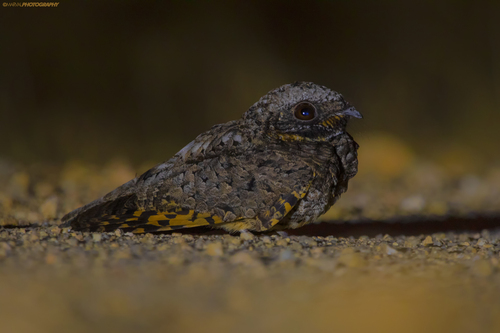 Common Poorwill
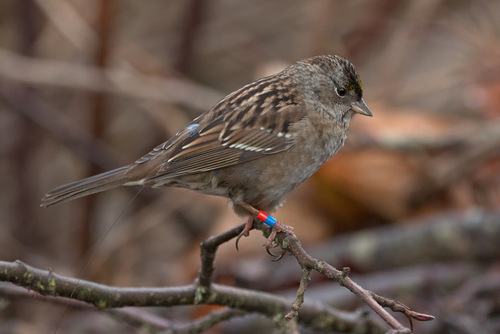 Golden-crowned Sparrow
In breve
Il modo più affidabile per separare il Common Poorwill dal Golden-crowned Sparrow è la struttura generale e il piumaggio: il Poorwill è un piccolo nightjar con ali rotonde, una coda corta e un motivo criptico grigio-nero, mentre il Golden-crowned Sparrow è un grande passero con coda lunga e una distintiva corona gialla (negli adulti) e barre alari audaci. I passeri giovani e non in riproduzione possono mancare della brillante corona ma mostrano comunque una struttura simile a quella dei passeri e parti superiori striate, mai l'aspetto morbido, maculato e quasi senza coda di un Poorwill. In volo, le ali arrotondate e la coda corta del Poorwill sono diagnostiche, mentre il Golden-crowned Sparrow mostra sempre una coda a punta quadrata e ali più lunghe e appuntite. L'habitat e il comportamento differiscono anche nettamente: il Poorwill è strettamente notturno e spesso si trova a terra in aree aride e aperte, mentre il Golden-crowned Sparrow è diurno e cerca cibo in gruppi in habitat arbustivi o cespugliosi.
Consigli di identificazione
- La struttura è fondamentale: il Poorwill è compatto con una coda molto corta e ali arrotondate; il Golden-crowned Sparrow è snello con una coda lunga e a punta quadrata e una corona appuntita. Questo è affidabile in tutte le età e stagioni.
- Ali e coda in volo: le ali del Poorwill sono arrotondate e si estendono appena oltre la coda corta a riposo; le ali del Golden-crowned Sparrow sono più lunghe e appuntite, e la coda è sempre a punta quadrata e proporzionalmente più lunga.
- Motivo del piumaggio: il Poorwill è cripticamente maculato di grigio e nero sopra, senza striature o barre alari. Il Golden-crowned Sparrow ha un dorso marrone striato, due barre alari bianche e una nuca grigia semplice. Anche gli immaturi mostrano queste caratteristiche da passero.
- Marcature della coda: il Poorwill ha punte bianche sulle penne esterne della coda (soprattutto nei maschi), visibili da vicino o in volo. La coda del Golden-crowned Sparrow è marrone semplice senza bianco.
- Motivo della corona: l'adulto Golden-crowned Sparrow in piumaggio di riproduzione ha una striscia di corona gialla audace bordata di nero. Gli uccelli non in riproduzione e immaturi possono avere un giallo più opaco o macchiato, ma mai la corona completamente grigia del Poorwill.
- Forma e colore del becco: il Poorwill ha un becco piccolo e corto adatto per catturare insetti; il Golden-crowned Sparrow ha un becco tipico da passero, conico e scuro (il mandibola superiore è più scura di quella inferiore).
- Colore delle zampe: le zampe del Poorwill sono raramente viste e sono corte; il Golden-crowned Sparrow ha zampe marroni chiare, spesso visibili mentre salta o si appollaia.
- Parte inferiore: il Poorwill è grigio chiaro sotto, fondendosi con le parti superiori; il Golden-crowned Sparrow è grigio sotto ma con fianchi color crema e una chiara divisione dal dorso striato.
- Habitat e contesto: se visto in terreno aperto, roccioso o desertico al crepuscolo o di notte, è probabile che sia un Poorwill. Se in un'area cespugliosa, specialmente in un gruppo di giorno, è un passero.
- Comportamento: il Poorwill rimane immobile a terra, raramente si alza a meno che non venga avvicinato, ed è attivo di notte. Il Golden-crowned Sparrow è attivo di giorno, cerca cibo in gruppi ed è spesso visto muoversi.
- Voce: il richiamo ripetuto 'poor-will' del Poorwill è unico tra gli uccelli nordamericani e mai emesso dai passeri. Il Golden-crowned Sparrow canta una dolce melodia fischiata e produce suoni simili a quelli dei passeri, ma mai di notte.
- Aspetto a riposo: il Poorwill appare quasi senza coda e tozzo quando è appollaiato; il Golden-crowned Sparrow è eretto, con coda lunga e allerta.
- Confusione stagionale: i Golden-crowned Sparrows non in riproduzione e immaturi mancano della brillante corona gialla ma mostrano sempre una struttura da passero e barre alari. Il Poorwill non mostra mai alcuna striscia di corona o barre alari.
- Flocking: il Poorwill è sempre solitario o in coppie; il Golden-crowned Sparrow è spesso in gruppi, specialmente in inverno.
- Comportamento alimentare: il Poorwill cattura insetti saltando dal terreno; il Golden-crowned Sparrow cerca semi e insetti sul terreno o vicino ad esso, raramente saltando.
Taglia
Il Common Poorwill è leggermente più grande e molto più massiccio del Golden-crowned Sparrow per massa (48 g contro 19–35 g), ma le loro lunghezze si sovrappongono (Poorwill 18 cm, Sparrow 15–18 cm). Il Poorwill appare compatto e robusto con una coda molto corta e ali arrotondate, mentre il Golden-crowned Sparrow è snello, con una coda lunga e a punta quadrata e una postura più eretta. Sul campo, la coda corta e il corpo rotondo del Poorwill sono più distintivi della modesta differenza di dimensione.
Piumaggio
- Uccelli giovani/immaturi: gli immaturi del Golden-crowned Sparrow e gli adulti non in riproduzione mancano della brillante corona gialla ma mostrano comunque un dorso marrone striato, due barre alari bianche e una nuca grigia semplice. Gli immaturi del Poorwill assomigliano agli adulti, con maculature criptiche grigie e nere sopra, senza barre alari e punte bianche sulle penne esterne della coda (più evidenti nei maschi).
- Adulti: il Golden-crowned Sparrow in piumaggio di riproduzione ha una larga striscia centrale di corona gialla con bordi neri, parti inferiori grigie e ali marroni con barre alari bianche. Gli adulti del Poorwill sono grigi e neri sopra, senza striature o barre alari, e hanno un aspetto complessivo grigio chiaro. Le punte bianche della coda sono visibili da vicino o in volo.
- In volo: il Poorwill mostra ali arrotondate e una coda molto corta con punte bianche; il Golden-crowned Sparrow mostra ali più lunghe e appuntite e una coda a punta quadrata, senza bianco nella coda.
Comportamento
Il Common Poorwill è strettamente notturno, spesso visto al crepuscolo o all'alba, e trascorre gran parte del suo tempo immobile a terra, facendo affidamento sul camuffamento. Si nutre saltando dal terreno per catturare insetti. Il Golden-crowned Sparrow è diurno, cerca cibo in gruppi ed è solitamente visto saltare o grattare a terra o in basso nei cespugli. Il Poorwill raramente si unisce a gruppi o si appollaia in aree aperte, mentre il Golden-crowned Sparrow è spesso evidente in gruppi.
Habitat
Il Poorwill preferisce habitat asciutti e aperti con vegetazione scarsa, come praterie, arbusteti e pendii rocciosi desertici. È raramente trovato in cespugli densi o foreste. Il Golden-crowned Sparrow si trova nella parte occidentale del Nord America, preferendo i margini cespugliosi, le pendici arbustive e i cespugli, specialmente in inverno. Le due specie si sovrappongono raramente nell'habitat micropreferito: il Poorwill è legato a terreni aperti e aridi, mentre il Golden-crowned Sparrow cerca riparo ed è più probabile trovarlo in aree più umide e cespugliose.
Voce
Il Common Poorwill emette un distintivo e monotono richiamo 'poor-will' al crepuscolo e durante la notte, a volte con una terza sillaba ('poor-will-low') e una nota acuta 'chuck' in volo. Il Golden-crowned Sparrow ha una dolce melodia fischiata e tipici suoni da passero, ma è silenzioso di notte. Se senti un ripetuto 'poor-will' al crepuscolo o di notte, non è mai un passero.
Common Poorwill · Golden-crowned Sparrow · I miei uccelli difficili