
Motmot

オオヨタカ 対 ムラサキツバメ

Nyctidromus albicollis 対 Progne subis

オオヨタカとムラサキツバメのクイズ
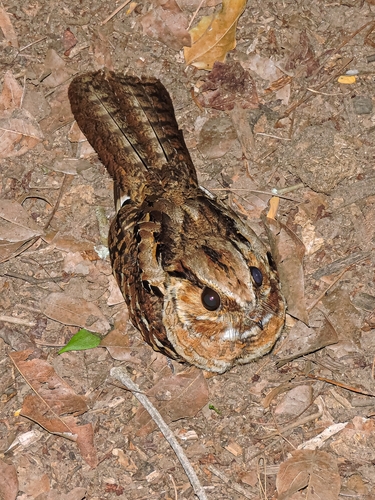
オオヨタカ (Nyctidromus albicollis) オオヨタカ
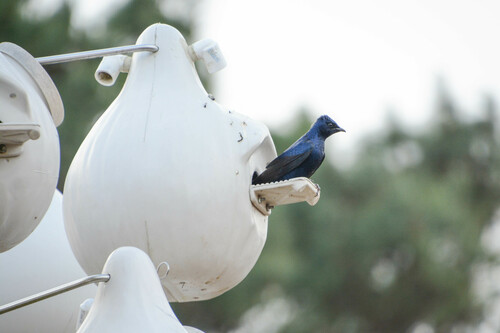
ムラサキツバメ (Progne subis) ムラサキツバメ

メディア

読み込み中…

要点

オオヨタカとムラサキツバメを区別する最も信頼できる方法は、全体的な構造と飛行スタイルによるものです:オオヨタカは、暗色で斑点のある茶色または赤褐色の羽毛を持つ、広い翼と長い尾を持つ夜行性の鳥であり、ムラサキツバメは、より滑らかで流線型の体とわずかに分かれた尾を持つ大きなツバメです。飛行中、オオヨタカは丸い翼を見せ、白い斑点を示すことがあります(特に成鳥のオスにおいて)、一方、ムラサキツバメは尖った翼を持ち、成鳥のオスは均一で光沢のある外観を持ち、雌や幼鳥はより淡い腹部を持っています。オオヨタカは厳密に夜行性であり、夕暮れや夜に地面や低い止まり木にしばしば見られますが、ムラサキツバメは日中に活動し、常に空中にいて、地面に止まることはほとんどありません。もし道の上で休んでいる鳥や、驚かされたときに走る鳥を見たら、それはオオヨタカです;昼間に高く上空を飛ぶ鳥はムラサキツバメです。

識別のコツ

  1. Flight style and time of activity: オオヨタカは厳密に夜行性であり、夕暮れや夜に地面から飛び立ちます;ムラサキツバメは日中に活動し、常に昼間に高く飛んでいるのが見られます。もし夜に飛んでいる鳥や道から飛び立った鳥を見たら、それはほぼ確実にオオヨタカです。
  2. Perched posture: オオヨタカは地面や低い枝に横向きに座り、広い頭と長い尾を持って長く平らに見えます。ムラサキツバメはワイヤーや箱の上に直立して止まり、地面にはめったに止まりません。
  3. Wing and tail shape: オオヨタカは広くて丸い翼と長くて丸い尾(オスには白い外羽があります)を持っています;ムラサキツバメは長くて尖った翼と白がないわずかに分かれた尾を持っています。
  4. Plumage gloss and color: 成鳥のオスのムラサキツバメは全体が光沢のあるスチールブルーの黒で、決して斑点や茶色ではありません。オオヨタカは常に暗色で斑点のある茶色または赤褐色で、決して光沢があったり青くはありません。雌や幼鳥のムラサキツバメは上が暗く、下が淡いですが、オオヨタカのような斑点のあるカモフラージュの外観は持っていません。
  5. Facial markings: オオヨタカはバフ色のアイリングと顔のストライプを示し、赤みがかった顔の側面と対照的です。ムラサキツバメには顔のストライプやアイリングはありません。
  6. White wing and tail patches: 成鳥のオスのオオヨタカは翼の先端近くに白い帯と主に白い外尾羽を示し、飛行中または広げたときに見えます。雌のオオヨタカは白が少ないです。ムラサキツバメはこれらの領域に白を示すことはありません。
  7. Bill shape: オオヨタカは夜行性の餌を取るために適応した短くて広いくちばしを持っています;ムラサキツバメは典型的なツバメのくちばしを持ち、短くてわずかにフック状ですが、広さは少ないです。
  8. Legs and movement: オオヨタカは夜行性の鳥としては比較的長い脚を持ち、驚かされると走ることがあります。ムラサキツバメは短い脚を持ち、歩いたり走ったりするのはめったに見られません。
  9. Habitat context: オオヨタカは混合林、低木、覆いのある開けた地面で見られ、しばしば地面レベルにいます。ムラサキツバメは水の近くの開けた場所で見られ、しばしば人間の居住地の近くで、空中で高く餌を取ります。
  10. Vocalizations: オオヨタカは夜に笛のような音や鞭のような音で鳴きます;ムラサキツバメは日中におしゃべりやさえずりをします。もし夕暮れや夜に鳥の声を聞いたら、それはおそらくオオヨタカです。
  11. Seasonal presence: 北アメリカでは、オオヨタカは南テキサスとその南に生息しています;ムラサキツバメは春と夏にアメリカとカナダの広い範囲に存在し、冬には不在です。
  12. Sex and age confusion: 幼鳥や雌のムラサキツバメは他のツバメと混同されることがありますが、オオヨタカとは混同されません。オオヨタカのオスとメスは翼や尾の白の程度が異なりますが、どちらもカモフラージュされており、決してツバメのようではありません。
  13. Flock size: ムラサキツバメは繁殖期以外に大きな群れを形成することが多いですが、オオヨタカは孤独またはペアで見られます。
  14. Response to disturbance: オオヨタカは近くで驚かされると走ったり飛び立ったりすることがあります;ムラサキツバメは急速に飛び去り、地面での近づきをほとんど許しません。
  15. Common pitfalls: 夕暮れ時、道から飛び立ったオオヨタカは短い飛行でツバメのように見えることがありますが、広い翼、長い尾、カモフラージュの羽毛を探してください。ムラサキツバメは地面や夜には決して見られません。

大きさ

両種は質量が似ています(オオヨタカ約53g、ムラサキツバメ約48g [wikidata])が、オオヨタカは長さがあり(22–28 cm対19–20 cm)フィールドではより大きく、太く見えます。ムラサキツバメは北アメリカで最も大きなツバメですが、よりコンパクトで、体が短く、翼幅が長い(39–41 cm対オオヨタカの未記載ですが相対的に短い翼)です。オオヨタカの長い尾と広い翼は、特に止まっているときや飛び立つときに、より大きく、広がった外観を与えます。ムラサキツバメはより流線型で細身で、わずかに分かれた尾を持っています。

羽色

どちらの種にも特徴的な幼鳥や未熟な上翼のパターンは記載されていないため、年齢特有の飛行マークはここでは診断的ではありません。成鳥の場合、オオヨタカは斑点のある灰褐色または赤褐色でカモフラージュされた色をしており、バフ色のアイリングと顔のストライプを持ち、オスには翼の先端近くに白い帯と白い外尾羽があります(雌は白が少ないです)。ムラサキツバメの成鳥のオスは全体が光沢のあるスチールブルーの黒で、北アメリカのツバメの中で唯一です;成鳥の雌は上が暗く、青い光沢があり、下が淡いです。未熟なツバメはより鈍い雌に似ており、青い光沢がなく、背中はより茶色です。オオヨタカの羽毛は常にカモフラージュされており、決して光沢があったり青くはありません。飛行中、オオヨタカの白い翼と尾の斑点(オス)は近距離で見ることができますが、ムラサキツバメはそのようなマークを示さず、均一な暗色または二色(雌/幼鳥)のパターンのみを持っています。

行動

オオヨタカは夜行性で地上性であり、しばしば地面や低い覆いから飛び立ち、驚かされると飛ぶのではなく走ることがあります。オオヨタカは頻繁に道路やトラックに休み、昼間に飛んでいるのはめったに見られません。ムラサキツバメは非常に空中性で日中に活動し、地面に着陸することはほとんどありません;空中で昆虫を捕まえて餌を取り、しばしば地面の高いところで機敏で速く飛び、時には巣の場所に向かって急降下します。ツバメは繁殖期以外に大きな群れを形成しますが、オオヨタカは孤独またはペアで見られます。

生息環境

オオヨタカは日中の休息のために密な覆いのある混合生息地(森林、低木、林縁)を好み、夜間の狩りのために開けた場所(道路脇や畑など)を好みます。オオヨタカは二次成長や一部の生息地の乱れに対してより寛容ですが、重度に都市化された地域や完全に開かれた地域は避けます。ムラサキツバメは水の近くの開けた場所で繁殖し、しばしば人間の居住地の近くで巣箱が提供され、高い空中で開けた国を飛び回ります。ムラサキツバメは密な森林や地面ではめったに見られず、オオヨタカの好む密な覆いからは不在です。

声

オオヨタカの鳴き声は多様で、笛のような「ウィーオウ ウィーオウ」("who-r-you")、柔らかい「プク プク」、求愛飛行中の鞭のような呼び声が含まれます。これらは夕暮れや夜に発せられます。ムラサキツバメは液体のような、おしゃべりな音やさえずりを持ち、主に日中にコロニーの周りで聞かれます。両種の鳴き声は似ておらず、異なる時間帯に発せられるため、音による混同は起こりにくいです。

より良い説明を送る

比較と同じ項目を使ってください。文章はすぐに公開されます。

The most reliable way to separate Common Pauraque from Purple Martin is by overall structure and flight style: Pauraque is a broad-winged, long-tailed nightjar with cryptic, mottled brown or rufous plumage, while Purple Martin is a large swallow with a sleeker, more streamlined body and a slightly forked tail. In flight, Pauraque shows rounded wings and may reveal white patches (especially on adult males), whereas Purple Martin has pointed wings and a uniform, glossy appearance in adult males or paler underparts in females and immatures. Pauraque is strictly nocturnal and often seen on the ground or low perches at dusk or night, while Purple Martin is active by day, always aerial, and rarely perches on the ground. If you see a bird resting on a road or running when disturbed, it's a Pauraque; a bird swooping high overhead in daylight is a Purple Martin.

  1. Flight style and time of activity: Pauraque is strictly nocturnal and flushes from the ground at dusk or night; Purple Martin is diurnal and always seen flying high in daylight. If you see a bird flying at night or flushed from a road, it's almost certainly a Pauraque.
  2. Perched posture: Pauraque sits lengthwise on the ground or low branches, appearing long and flat with a broad head and long tail. Purple Martin perches upright on wires or boxes, rarely on the ground.
  3. Wing and tail shape: Pauraque has broad, rounded wings and a long, rounded tail (with white outer feathers in males); Purple Martin has long, pointed wings and a slightly forked tail with no white.
  4. Plumage gloss and color: Adult male Purple Martins are glossy steel-blue-black all over, never mottled or brown. Pauraque is always cryptically mottled brown or rufous, never glossy or blue. Female and immature martins are dark above and pale below, but still lack the mottled, camouflaged look of Pauraque.
  5. Facial markings: Pauraque shows a buff eye-ring and facial stripe, contrasting with reddish facial sides. Purple Martin lacks any facial stripes or eye-rings.
  6. White wing and tail patches: Adult male Pauraque shows a white band near the wing tips and mostly white outer tail feathers, visible in flight or when spread. Female Pauraque has less white. Purple Martin never shows white in these areas.
  7. Bill shape: Pauraque has a short, broad bill adapted for nightjar feeding; Purple Martin has a typical swallow bill, short and slightly hooked but less broad.
  8. Legs and movement: Pauraque has relatively long legs for a nightjar and may run when disturbed. Purple Martin has short legs and is rarely seen walking or running.
  9. Habitat context: Pauraque is found in mixed woodland, scrub, and open ground with cover, often at ground level. Purple Martin is found in open areas near water, often near human habitation, and forages high in the air.
  10. Vocalizations: Pauraque calls at night with whistled and whip-like sounds; Purple Martin chatters and chirps by day. If you hear a bird at dusk or night, it's likely Pauraque.
  11. Seasonal presence: In North America, Pauraque is resident in southern Texas and southward; Purple Martin is present in spring and summer across much of the US and Canada, absent in winter.
  12. Sex and age confusion: Immature and female Purple Martins may be confused with other swallows but not with Pauraque due to their upright posture, aerial habits, and lack of cryptic plumage. Pauraque sexes differ in extent of white in wings/tail, but both are cryptic and never swallow-like.
  13. Flock size: Purple Martins often form large flocks, especially outside breeding; Pauraque is solitary or in pairs.
  14. Response to disturbance: Pauraque may run or flush at close range; Purple Martin flies off rapidly and rarely allows close approach on the ground.
  15. Common pitfalls: At dusk, a Pauraque flushed from a road may seem swallow-like in brief flight, but look for the broad wings, long tail, and cryptic plumage. A Purple Martin will never be seen on the ground or at night.

Both species are similar in mass (Pauraque ~53g, Purple Martin ~48g [wikidata]), but Pauraque is longer (22–28 cm vs. 19–20 cm) and appears bulkier and longer-tailed in the field. Purple Martin, though North America's largest swallow, is more compact, with a shorter body and longer wingspan (39–41 cm vs. Pauraque's unlisted but proportionally shorter wings). Pauraque's long tail and broad wings give it a larger, more sprawling look, especially when perched or flushed. Purple Martin is more streamlined and slender, with a slightly forked tail.

No distinctive juvenile or immature upperwing pattern is described for either species, so age-specific flight marks are not diagnostic here. For adults, Pauraque is cryptically colored in mottled greyish-brown or rufous-brown, with a buff eye-ring and facial stripe, and in males, a white band near the wing tips and white outer tail feathers (females have less white). Purple Martin adult males are glossy steel-blue-black all over, unique among North American swallows; adult females are dark above with some blue sheen and pale below. Immature martins resemble duller females, lacking the blue gloss and with browner backs. Pauraque's plumage is always camouflaged and never glossy or blue. In flight, Pauraque's white wing and tail patches (males) can be seen at close range, but Purple Martin shows no such markings, only a uniform dark or two-tone (female/immature) pattern.

Pauraque is nocturnal, terrestrial, and often flushes from the ground or low cover, sometimes running rather than flying when disturbed. It frequently rests on roads or tracks and is rarely seen flying in daylight. Purple Martin is highly aerial, diurnal, and rarely if ever lands on the ground; it feeds by catching insects on the wing, often high above the ground, and is agile and fast in flight, sometimes diving steeply toward nest sites. Martins form large flocks outside the breeding season, while Pauraque is solitary or in pairs.

Pauraque prefers mixed habitats with dense cover for daytime roosting (forest, scrub, woodland edges) and open areas for nocturnal hunting, including roadsides and fields. It is more tolerant of secondary growth and some habitat disturbance but avoids heavily urbanized or completely cleared areas. Purple Martin breeds in open areas near water, often around human habitation where nest boxes are provided, and forages high over open country. It is rarely found in dense forest or on the ground, and is absent from the Pauraque's preferred dense cover.

Pauraque's vocalizations are varied, including a whistled 'weeeow wheeooo' ("who-r-you"), soft 'puk puk', and a whip-like call during courtship flights. These are given at dusk or night. Purple Martin has a series of liquid, chattering notes and chirps, mostly heard during the day around colonies. The two species' vocalizations are not similar and are given at different times of day, so confusion by sound is unlikely.

変更を破棄しますか?

保存していない編集があります。今離れると失われます。

オオヨタカ · ムラサキツバメ · 苦手な鳥