
Common Pauraque vs Purple Martin
Nyctidromus albicollis contro Progne subis
Fai un quiz con Common Pauraque e Purple Martin
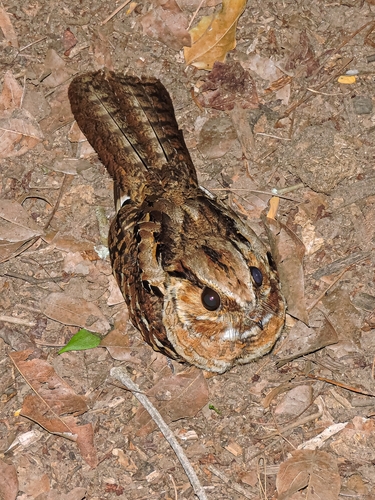 Common Pauraque
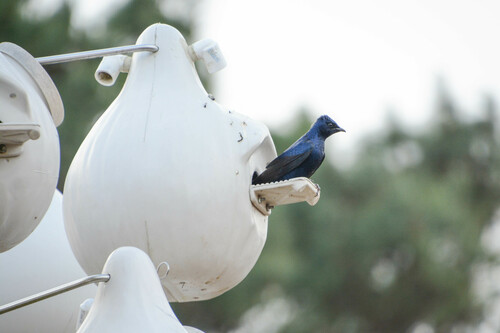 Purple Martin
In breve
Il modo più affidabile per separare il Common Pauraque dal Purple Martin è attraverso la struttura generale e lo stile di volo: il Pauraque è un nightjar a ali larghe e coda lunga con piumaggio criptico, maculato di marrone o ruggine, mentre il Purple Martin è una grande rondine con un corpo più snello e aerodinamico e una coda leggermente forked. In volo, il Pauraque mostra ali arrotondate e può rivelare macchie bianche (soprattutto nei maschi adulti), mentre il Purple Martin ha ali appuntite e un aspetto uniforme e lucido nei maschi adulti o parti inferiori più chiare nelle femmine e nei giovani. Il Pauraque è strettamente notturno e spesso si vede a terra o su posatoi bassi al crepuscolo o di notte, mentre il Purple Martin è attivo di giorno, sempre aereo e raramente si posa a terra. Se vedi un uccello che riposa su una strada o che corre quando disturbato, è un Pauraque; un uccello che si tuffa in alto sopra di te alla luce del giorno è un Purple Martin.
Consigli di identificazione
- Stile di volo e tempo di attività: Il Pauraque è strettamente notturno e si alza dal terreno al crepuscolo o di notte; il Purple Martin è diurno e si vede sempre volare in alto alla luce del giorno. Se vedi un uccello volare di notte o alzarsi da una strada, è quasi certamente un Pauraque.
- Postura in perching: Il Pauraque si siede in lunghezza a terra o su rami bassi, apparendo lungo e piatto con una testa larga e una coda lunga. Il Purple Martin si posa eretto su fili o scatole, raramente a terra.
- Forma delle ali e della coda: Il Pauraque ha ali larghe e arrotondate e una coda lunga e arrotondata (con piume esterne bianche nei maschi); il Purple Martin ha ali lunghe e appuntite e una coda leggermente forked senza bianco.
- Lucentezza e colore del piumaggio: I maschi adulti di Purple Martin sono lucidi di blu acciaio-nero ovunque, mai maculati o marroni. Il Pauraque è sempre cripticamente maculato di marrone o ruggine, mai lucido o blu. Le femmine e i giovani martini sono scuri sopra e chiari sotto, ma mancano comunque dell'aspetto maculato e mimetico del Pauraque.
- Marcature facciali: Il Pauraque mostra un anello oculare color crema e una striscia facciale, in contrasto con i lati facciali rossastri. Il Purple Martin manca di strisce facciali o anelli oculari.
- Macchie bianche sulle ali e sulla coda: Il maschio adulto di Pauraque mostra una banda bianca vicino alle punte delle ali e piume esterne della coda per lo più bianche, visibili in volo o quando spiegate. La femmina di Pauraque ha meno bianco. Il Purple Martin non mostra mai bianco in queste aree.
- Forma del becco: Il Pauraque ha un becco corto e largo adattato per l'alimentazione da nightjar; il Purple Martin ha un becco tipico da rondine, corto e leggermente ricurvo ma meno largo.
- Zampe e movimento: Il Pauraque ha zampe relativamente lunghe per un nightjar e può correre quando disturbato. Il Purple Martin ha zampe corte ed è raramente visto camminare o correre.
- Contesto dell'habitat: Il Pauraque si trova in boschi misti, cespugli e terreni aperti con copertura, spesso a livello del suolo. Il Purple Martin si trova in aree aperte vicino all'acqua, spesso vicino a insediamenti umani, e cerca cibo in alto nell'aria.
- Vocalizzazioni: Il Pauraque chiama di notte con suoni fischiati e simili a fruste; il Purple Martin chiacchiera e cinguetta di giorno. Se senti un uccello al crepuscolo o di notte, è probabile che sia un Pauraque.
- Presenza stagionale: In Nord America, il Pauraque è residente nel sud del Texas e a sud; il Purple Martin è presente in primavera e estate in gran parte degli Stati Uniti e del Canada, assente in inverno.
- Confusione di sesso e età: I giovani e le femmine di Purple Martin possono essere confusi con altre rondini ma non con il Pauraque a causa della loro postura eretta, delle abitudini aeree e della mancanza di piumaggio criptico. I sessi del Pauraque differiscono per l'estensione del bianco nelle ali/nella coda, ma entrambi sono criptici e mai simili a rondini.
- Dimensione del gruppo: I Purple Martin formano spesso grandi gruppi, specialmente al di fuori della stagione riproduttiva; il Pauraque è solitario o in coppie.
- Risposta al disturbo: Il Pauraque può correre o alzarsi a breve distanza; il Purple Martin vola via rapidamente e raramente consente un avvicinamento ravvicinato a terra.
- Trappole comuni: Al crepuscolo, un Pauraque alzatosi da una strada può sembrare simile a una rondine in un breve volo, ma cerca le ali larghe, la coda lunga e il piumaggio criptico. Un Purple Martin non sarà mai visto a terra o di notte.
Taglia
Entrambe le specie sono simili in massa (Pauraque ~53g, Purple Martin ~48g [wikidata]), ma il Pauraque è più lungo (22–28 cm contro 19–20 cm) e appare più robusto e con una coda più lunga sul campo. Il Purple Martin, sebbene sia la rondine più grande del Nord America, è più compatto, con un corpo più corto e un'apertura alare più lunga (39–41 cm contro le ali non elencate ma proporzionalmente più corte del Pauraque). La lunga coda e le ali larghe del Pauraque gli conferiscono un aspetto più grande e più espanso, specialmente quando è posato o si alza. Il Purple Martin è più aerodinamico e snello, con una coda leggermente forked.
Piumaggio
Nessun modello distintivo di ali superiori per giovani o immaturi è descritto per entrambe le specie, quindi i segni di volo specifici per età non sono diagnostici qui. Per gli adulti, il Pauraque è colorato in modo criptico in marrone grigiastro o ruggine, con un anello oculare color crema e una striscia facciale, e nei maschi, una banda bianca vicino alle punte delle ali e piume esterne della coda bianche (le femmine hanno meno bianco). I maschi adulti di Purple Martin sono lucidi di blu acciaio-nero ovunque, unici tra le rondini nordamericane; le femmine adulte sono scure sopra con un po' di lucentezza blu e chiare sotto. I giovani martini somigliano a femmine più opache, mancando della lucentezza blu e con schiene più marroni. Il piumaggio del Pauraque è sempre mimetico e mai lucido o blu. In volo, le macchie bianche sulle ali e sulla coda del Pauraque (maschi) possono essere viste da vicino, ma il Purple Martin non mostra tali marcature, solo un modello uniforme scuro o bicolore (femmina/immaturo).
Comportamento
Il Pauraque è notturno, terrestre e spesso si alza dal terreno o da coperture basse, a volte correndo piuttosto che volando quando disturbato. Si riposa frequentemente su strade o binari ed è raramente visto volare alla luce del giorno. Il Purple Martin è altamente aereo, diurno e raramente, se mai, atterra a terra; si nutre catturando insetti in volo, spesso in alto sopra il suolo, ed è agile e veloce in volo, a volte tuffandosi bruscamente verso i siti nido. I martini formano grandi gruppi al di fuori della stagione riproduttiva, mentre il Pauraque è solitario o in coppie.
Habitat
Il Pauraque preferisce habitat misti con copertura densa per il riposo diurno (foresta, cespugli, bordi boschivi) e aree aperte per la caccia notturna, comprese le strade e i campi. È più tollerante alla crescita secondaria e ad alcuni disturbi dell'habitat, ma evita aree fortemente urbanizzate o completamente disboscate. Il Purple Martin nidifica in aree aperte vicino all'acqua, spesso intorno a insediamenti umani dove sono forniti nidi, e cerca cibo in alto sopra il paese aperto. È raramente trovato in foreste dense o a terra, ed è assente dalla copertura densa preferita dal Pauraque.
Voce
Le vocalizzazioni del Pauraque sono varie, includendo un fischio 'weeeow wheeooo' ("who-r-you"), un morbido 'puk puk', e un richiamo simile a una frusta durante i voli di corteggiamento. Questi vengono emessi al crepuscolo o di notte. Il Purple Martin ha una serie di note liquide, chiacchieranti e cinguettii, per lo più udite durante il giorno intorno alle colonie. Le vocalizzazioni delle due specie non sono simili e vengono emesse in momenti diversi della giornata, quindi la confusione per suono è improbabile.