

Motmot

アフリカヒヨドリ 対 マミジロスズメハタオリ

Pycnonotus barbatus 対 Plocepasser mahali

アフリカヒヨドリとマミジロスズメハタオリのクイズ
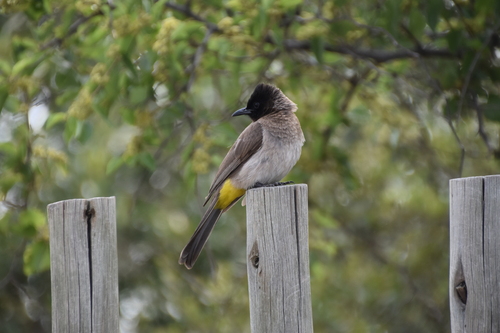
アフリカヒヨドリ (Pycnonotus barbatus) アフリカヒヨドリ
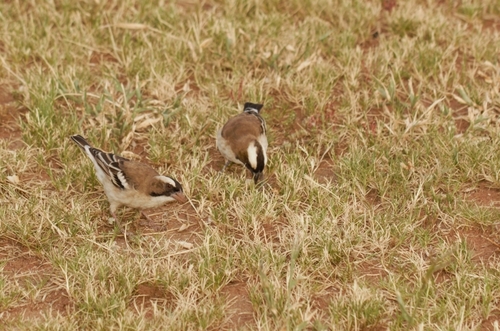
マミジロスズメハタオリ (Plocepasser mahali) マミジロスズメハタオリ

メディア

読み込み中…

要点

アフリカヒヨドリとマミジロスズメハタオリを区別する最も信頼できるフィールドマークは、スズメハタオリに存在する太い白い眉と白い尾羽であり、これらはヒヨドリには全く欠けています。飛行中、スズメハタオリの白い尾羽ははっきりと点滅し、ヒヨドリの尾と尾羽は均一に暗いままです。くちばしの色も重要です:アフリカヒヨドリは常に黒く、細く、わずかに下向きのくちばしを持ち、スズメハタオリのくちばしは性別と年齢によって異なります(オスは黒、メスと幼鳥は角色またはピンクがかった色)。両者は茶色がかった鳥ですが、ヒヨドリはスリムで頭が暗く、スズメハタオリはずんぐりしていて顔の模様がより明白です。鳥の群れを見ると、スズメハタオリの方がはるかに可能性が高く、ヒヨドリは通常孤独またはペアでいます。

識別のコツ

  1. 白い眉(スーパーシリウム): マミジロスズメハタオリだけが太く広い白い眉を持ち、アフリカヒヨドリの顔は平坦で暗いです。これはどんな距離でも最も有用なマークです。
  2. 飛行中の白い尾羽: スズメハタオリは飛行中に目立つ白い尾羽の斑点を示します;ヒヨドリの尾羽と尾は均一に暗い茶色です。
  3. くちばしの色と形: ヒヨドリは常に短く、細く、わずかに下向きの黒いくちばしを持ちます。スズメハタオリのくちばしはより重く円錐形で、オスは黒、メスは角色、幼鳥はピンクがかった茶色です。くちばしの色は特にメスと幼鳥を区別するのに役立ちます。
  4. 顔の模様: ヒヨドリの顔は平坦で、暗い目があり、明らかなアイリングや眉はありません。スズメハタオリの顔は白い眉としばしば淡い喉を持つ特徴的な模様があります。
  5. 腹部: ヒヨドリの腹部は鈍い灰色で、時々黄色の尾羽の覆い羽(いくつかの亜種で)があります。スズメハタオリの腹部は白く、時々淡い茶色の斑点があります(特にジンバブエで)。
  6. 尾と尾羽: ヒヨドリは長く均一に暗い尾を持ち、スズメハタオリの尾は短く、白い尾羽は飛行中の重要なフィールドマークです。
  7. 群れのサイズ: スズメハタオリはほぼ常に群れで見られ、ヒヨドリは通常孤独またはペアでいます。
  8. 全体的な体型: ヒヨドリはスリムでツグミのようで、尾が長いです。スズメハタオリはずんぐりしていて、くちばしが重く、よりスズメのようなプロポーションを持っています。
  9. 足と足の色: これら二つの間では診断的ではなく、両者ともに暗い足と足を持っています(黄色い喉のペトロニアとは異なりますが、これはこの比較には含まれていません)。
  10. 幼鳥のマーク: 幼いスズメハタオリはピンクがかった茶色のくちばしを持ち、幼いヒヨドリは大人のように見えます。これは、混合したくちばしの色を持つ群れを見ると役立ちます。
  11. 鳴き声: 繰り返される「ドクター・クイック」という呼び声が聞こえたら、それはヒヨドリです。スズメハタオリの呼び声は似ているとは記述されていません。
  12. 生息地の手がかり: 両者は開けた国に出現することがありますが、スズメハタオリはより乾燥したサバンナの生息地で見られる可能性が高く、庭や非常に湿った地域では見られにくいです。
  13. 行動: スズメハタオリはしばしば直立して目立つように止まり、時にはワイヤーの上にいますが、ヒヨドリはより隠れがちで、長時間オープンに見られる可能性は低いです。
  14. 亜種の変異: 一部のヒヨドリは黄色の尾羽の覆い羽を持っていますが、これはスズメハタオリの白い尾羽ほど大胆でも広範でもありません。
  15. 性別と年齢の落とし穴: スズメハタオリのくちばしの色は性別と年齢によって異なることを忘れないでください;眉と尾羽も見ることができない限り、くちばしの色だけに頼らないでください。

大きさ

マミジロスズメハタオリは明らかに重く(49.0g対35.05g)、長さもわずかに短い(17–19 cm対18–20 cm)ですが、そのずんぐりした体型と重いくちばしは、フィールドでより大きくて頑丈に見せます。ヒヨドリはスリムで、尾が長く、より繊細なプロポーションを持っています。直接比較すると、スズメハタオリはずんぐりしていてスズメのように見え、ヒヨドリはよりスリムでツグミのように見えます。

羽色

行動

マミジロスズメハタオリは非常に社交的で、通常2–11羽の群れで見られ、一緒に餌を探したり、ユニットとして移動したりします。アフリカヒヨドリは通常孤独またはペアで、あまり大きな群れを形成しません。スズメハタオリはしばしば露出した枝やワイヤーに直立して止まりますが、ヒヨドリはより隠れがちで、長時間オープンに見られる可能性は低いです。飛行中、スズメハタオリは尾羽から白い閃光を示し、ヒヨドリは尾羽や翼に白がない安定した、劇的でない飛行を持っています。

生息環境

両種は開けたまたは半開けた生息地に見られますが、アフリカヒヨドリははるかに広範囲に分布し、適応力が高く、アフリカ全土(最近では南スペイン)で庭、森林の端、さまざまな生息地に出現します。マミジロスズメハタオリは中央および南部アフリカの北中央部に制限され、乾燥したサバンナや開けた森林を好みます。非常に乾燥した地域にいる場合、ヒヨドリは見られにくいです。スズメハタオリが群れを形成し、共同で巣を作る傾向も、そのアイデンティティの手がかりです。

声

アフリカヒヨドリは大きく、特徴的な「ドクター・クイック ドクター・クイック ビー・クイック ビー・クイック」という呼び声を出します。ここではマミジロスズメハタオリの特定の鳴き声の説明はありませんが、その呼び声はヒヨドリのものと似ているとは言及されていません。ヒヨドリの特徴的な呼び声が聞こえたら、それは診断的です。

より良い説明を送る

比較と同じ項目を使ってください。文章はすぐに公開されます。

The most reliable field mark to separate Common Bulbul from White-browed Sparrow-Weaver is the presence of a bold white eyebrow and white rump in the sparrow-weaver, features entirely lacking in the bulbul. In flight, the sparrow-weaver’s white rump flashes distinctly, while the bulbul’s tail and rump remain uniformly dark. Bill color is also key: Common Bulbul always has a black, slender, slightly downcurved bill, while the sparrow-weaver’s bill varies by sex and age (black in males, horn or pinkish in females and juveniles). Both are brownish birds, but the bulbul is sleeker and darker-headed, while the sparrow-weaver is chunkier with a more obvious face pattern. If you see a group of birds, sparrow-weaver is much more likely, as bulbuls are usually solitary or in pairs.

  1. White eyebrow (supercilium): Only White-browed Sparrow-Weaver has a bold, broad white eyebrow; Common Bulbul’s face is plain and dark. This is the single most useful mark at any distance.
  2. White rump in flight: Sparrow-weaver shows a conspicuous white rump patch when flying; bulbul’s rump and tail are uniformly dark brown.
  3. Bill color and shape: Bulbul always has a short, thin, slightly downcurved black bill. Sparrow-weaver’s bill is heavier and conical: black in adult males, horn-colored in females, and pinkish-brown in juveniles. Bill color is especially useful for separating females and juveniles.
  4. Face pattern: Bulbul’s face is plain, with a dark eye and no obvious eye-ring or eyebrow. Sparrow-weaver’s face is strikingly patterned with a white eyebrow and often a pale throat.
  5. Underparts: Bulbul’s underparts are dull grey, sometimes with yellow undertail coverts (in some subspecies). Sparrow-weaver’s underparts are white, sometimes with faint brown spotting (notably in Zimbabwe).
  6. Tail and rump: Bulbul has a long, uniformly dark tail; sparrow-weaver’s tail is shorter, and the white rump is a key field mark in flight.
  7. Group size: Sparrow-weaver is almost always seen in groups; bulbul is usually solitary or in pairs.
  8. Overall build: Bulbul is slender and thrush-like, with a longer tail. Sparrow-weaver is chunkier, with a heavier bill and more sparrow-like proportions.
  9. Leg and foot color: Not diagnostic between these two, as both have dark legs and feet (unlike yellow-throated petronia, which is not in this comparison).
  10. Juvenile marks: Juvenile sparrow-weavers have a pinkish-brown bill, while juvenile bulbuls look like adults. This can help if you see a group with mixed bill colors.
  11. Vocalization: If you hear the repeated 'doctor-quick' call, it is a bulbul. Sparrow-weaver’s calls are not described as similar.
  12. Habitat clues: Both can occur in open country, but sparrow-weaver is more likely in drier, savanna habitats and is less likely in gardens or very wet areas.
  13. Behavior: Sparrow-weavers often perch upright and conspicuously, sometimes on wires, while bulbuls are more furtive and less likely to be seen in the open for long.
  14. Subspecies variation: Some bulbuls have yellow undertail coverts, but this is never as bold or as extensive as the sparrow-weaver’s white rump.
  15. Sex and age pitfalls: Remember that sparrow-weaver bill color varies with sex and age; do not rely on bill color alone unless you can see the eyebrow and rump as well.

White-browed Sparrow-Weaver is noticeably heavier (49.0g vs 35.05g) and slightly shorter in length (17–19 cm vs 18–20 cm), but its bulkier build and heavier bill make it look larger and more robust in the field. The bulbul is slimmer, with a longer tail and more delicate proportions. In direct comparison, the sparrow-weaver appears chunkier and more sparrow-like, while the bulbul is more slender and thrush-like.

  • Juvenile/immature plumage: No distinctive juvenile upperwing or flight marks are described for either species, but juvenile sparrow-weavers have a pinkish-brown bill, while young bulbuls look like adults.
  • Adult plumage: Common Bulbul is overall brown with a dark brown head, brown upperparts, dull grey underparts, and (in some subspecies) yellow undertail coverts. The face is plain, with a dark eye and no obvious eye-ring or eyebrow. White-browed Sparrow-Weaver is brown above, but with a conspicuous broad white eyebrow and a white rump (especially visible in flight). The underparts are white, sometimes with faint brown spotting (notably in Zimbabwe). Bill color is black in adult males, horn-colored in females, and pinkish-brown in juveniles. The sparrow-weaver’s face pattern and rump contrast sharply with the bulbul’s plain, dark face and uniform tail/rump.

White-browed Sparrow-Weaver is highly social, typically seen in groups of 2–11 birds, often foraging together or moving as a unit. Common Bulbul is usually solitary or in pairs, rarely forming large groups. The sparrow-weaver often perches upright on exposed branches or wires, while the bulbul is more likely to be seen flitting through foliage or perching less conspicuously. In flight, sparrow-weavers show a flash of white from the rump, while bulbuls have a steady, undramatic flight with no white in the rump or wings.

Both species can be found in open or semi-open habitats, but Common Bulbul is much more widespread and adaptable, occurring in gardens, woodland edges, and a wide range of habitats across Africa (and recently southern Spain). White-browed Sparrow-Weaver is more restricted to central and north-central southern Africa, favoring drier savanna and open woodland. If you are in a very arid area, bulbul is less likely. The sparrow-weaver’s tendency to form groups and nest communally is also a clue to its identity.

Common Bulbul gives a loud, distinctive 'doctor-quick doctor-quick be-quick be-quick' call. No specific vocal description is given for White-browed Sparrow-Weaver here, but its calls are not mentioned as similar to the bulbul’s. If you hear the bulbul’s characteristic call, it is diagnostic.

変更を破棄しますか?

保存していない編集があります。今離れると失われます。

アフリカヒヨドリ · マミジロスズメハタオリ · 苦手な鳥