

Common Bulbul vs White-browed Sparrow-Weaver
Pycnonotus barbatus contro Plocepasser mahali
Fai un quiz con Common Bulbul e White-browed Sparrow-Weaver
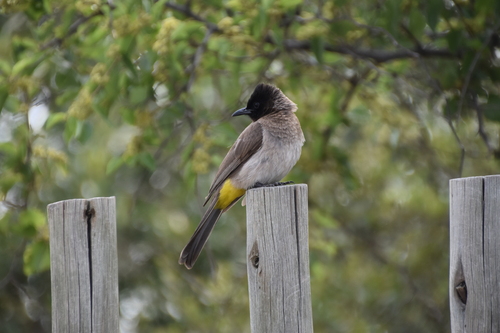 Common Bulbul
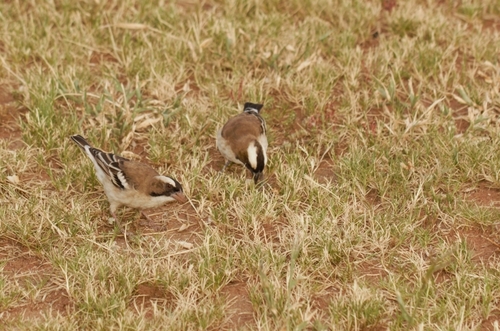 White-browed Sparrow-Weaver
In breve
Il segno di campo più affidabile per separare il Common Bulbul dal White-browed Sparrow-Weaver è la presenza di un audace sopracciglio bianco e di un sottocoda bianco nel sparrow-weaver, caratteristiche completamente assenti nel bulbul. In volo, il sottocoda bianco del sparrow-weaver lampeggia distintamente, mentre la coda e il sottocoda del bulbul rimangono uniformemente scuri. Anche il colore del becco è fondamentale: il Common Bulbul ha sempre un becco nero, snello e leggermente ricurvo, mentre il becco del sparrow-weaver varia in base al sesso e all'età (nero nei maschi, color corno o rosato nelle femmine e nei giovani). Entrambi sono uccelli bruni, ma il bulbul è più snello e con la testa più scura, mentre il sparrow-weaver è più robusto con un pattern facciale più evidente. Se vedi un gruppo di uccelli, è molto più probabile che si tratti di sparrow-weaver, poiché i bulbul sono solitamente solitari o in coppie.
Consigli di identificazione
- Sopracciglio bianco (supercilium): Solo il White-browed Sparrow-Weaver ha un audace e ampio sopracciglio bianco; il volto del Common Bulbul è semplice e scuro. Questo è il segno più utile a qualsiasi distanza.
- Sottocoda bianco in volo: Il sparrow-weaver mostra una macchia bianca sul sottocoda quando vola; il sottocoda e la coda del bulbul sono uniformemente marroni scuri.
- Colore e forma del becco: Il bulbul ha sempre un becco corto, sottile e leggermente ricurvo di colore nero. Il becco del sparrow-weaver è più pesante e conico: nero nei maschi adulti, color corno nelle femmine e marrone-rosato nei giovani. Il colore del becco è particolarmente utile per separare femmine e giovani.
- Pattern facciale: Il volto del bulbul è semplice, con un occhio scuro e senza anello o sopracciglio evidente. Il volto del sparrow-weaver è sorprendentemente decorato con un sopracciglio bianco e spesso una gola chiara.
- Parte inferiore: Le parti inferiori del bulbul sono grigie opache, a volte con copritail di sottocoda gialli (in alcune sottospecie). Le parti inferiori del sparrow-weaver sono bianche, a volte con macchie marroni deboli (notabilmente in Zimbabwe).
- Coda e sottocoda: Il bulbul ha una coda lunga e uniformemente scura; la coda del sparrow-weaver è più corta, e il sottocoda bianco è un segno chiave in volo.
- Dimensione del gruppo: Il sparrow-weaver è quasi sempre visto in gruppi; il bulbul è solitamente solitario o in coppie.
- Costruzione generale: Il bulbul è snello e simile a un tordo, con una coda più lunga. Il sparrow-weaver è più robusto, con un becco più pesante e proporzioni più simili a quelle di un passero.
- Colore delle gambe e dei piedi: Non è diagnostico tra questi due, poiché entrambi hanno gambe e piedi scuri (a differenza della petronia dal collo giallo, che non è in questo confronto).
- Segni giovanili: I giovani sparrow-weaver hanno un becco marrone-rosato, mentre i giovani bulbul assomigliano agli adulti. Questo può aiutare se vedi un gruppo con colori di becco misti.
- Vocalizzazione: Se senti il richiamo ripetuto 'doctor-quick', è un bulbul. I richiami del sparrow-weaver non sono descritti come simili.
- Indizi sull'habitat: Entrambi possono verificarsi in campi aperti, ma il sparrow-weaver è più probabile in habitat di savana più secchi ed è meno probabile nei giardini o in aree molto umide.
- Comportamento: I sparrow-weaver spesso si posano in modo eretto e appariscente, a volte sui fili, mentre i bulbul sono più furtivi e meno probabili da vedere all'aperto per lungo tempo.
- Variazione delle sottospecie: Alcuni bulbul hanno copritail di sottocoda gialli, ma questo non è mai così audace o esteso come il sottocoda bianco del sparrow-weaver.
- Trappole di sesso e età: Ricorda che il colore del becco del sparrow-weaver varia con il sesso e l'età; non fare affidamento solo sul colore del becco a meno che tu non possa vedere anche il sopracciglio e il sottocoda.
Taglia
Il White-browed Sparrow-Weaver è notevolmente più pesante (49.0g vs 35.05g) e leggermente più corto in lunghezza (17–19 cm vs 18–20 cm), ma la sua costruzione più robusta e il becco più pesante lo fanno sembrare più grande e più robusto sul campo. Il bulbul è più snello, con una coda più lunga e proporzioni più delicate. In un confronto diretto, il sparrow-weaver appare più robusto e simile a un passero, mentre il bulbul è più snello e simile a un tordo.
Piumaggio
- Piumaggio giovanile/immaturo: Non sono descritti segni distintivi di volo o di ala superiore per nessuna delle due specie, ma i giovani sparrow-weaver hanno un becco marrone-rosato, mentre i giovani bulbul assomigliano agli adulti.
- Piumaggio adulto: Il Common Bulbul è complessivamente marrone con una testa marrone scura, parti superiori marroni, parti inferiori grigie opache e (in alcune sottospecie) copritail di sottocoda gialli. Il volto è semplice, con un occhio scuro e senza anello o sopracciglio evidente. Il White-browed Sparrow-Weaver è marrone sopra, ma con un audace e ampio sopracciglio bianco e un sottocoda bianco (particolarmente visibile in volo). Le parti inferiori sono bianche, a volte con macchie marroni deboli (notabilmente in Zimbabwe). Il colore del becco è nero nei maschi adulti, color corno nelle femmine e marrone-rosato nei giovani. Il pattern facciale e il sottocoda del sparrow-weaver contrastano nettamente con il volto semplice e scuro del bulbul e la coda/sottocoda uniforme.
Comportamento
Il White-browed Sparrow-Weaver è altamente sociale, tipicamente visto in gruppi di 2–11 uccelli, spesso foraggiando insieme o muovendosi come un'unità. Il Common Bulbul è solitamente solitario o in coppie, raramente formando grandi gruppi. Il sparrow-weaver spesso si posano in modo eretto su rami esposti o fili, mentre il bulbul è più probabile da vedere muoversi tra il fogliame o posarsi meno appariscente. In volo, i sparrow-weaver mostrano un lampo di bianco dal sottocoda, mentre i bulbul hanno un volo costante e poco drammatico senza bianco nel sottocoda o nelle ali.
Habitat
Entrambe le specie possono essere trovate in habitat aperti o semi-aperti, ma il Common Bulbul è molto più diffuso e adattabile, presente in giardini, margini di boschi e una vasta gamma di habitat in tutta l'Africa (e recentemente nel sud della Spagna). Il White-browed Sparrow-Weaver è più ristretto all'Africa centrale e centro-meridionale, preferendo savane più secche e boschi aperti. Se ti trovi in un'area molto arida, è meno probabile che tu veda un bulbul. La tendenza del sparrow-weaver a formare gruppi e a nidificare in modo comunitario è anche un indizio della sua identità.
Voce
Il Common Bulbul emette un richiamo forte e distintivo 'doctor-quick doctor-quick be-quick be-quick'. Nessuna descrizione vocale specifica è fornita per il White-browed Sparrow-Weaver qui, ma i suoi richiami non sono menzionati come simili a quelli del bulbul. Se senti il richiamo caratteristico del bulbul, è diagnostico.
Common Bulbul · White-browed Sparrow-Weaver · I miei uccelli difficili