

Motmot

ハイムネオナガカマドドリ 対 ムナジロオナガカマドドリ

Synallaxis hypospodia 対 Synallaxis albescens

ハイムネオナガカマドドリとムナジロオナガカマドドリのクイズ
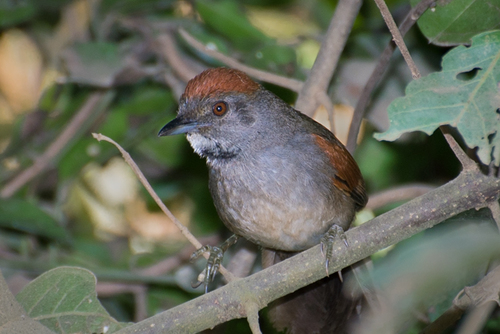
ハイムネオナガカマドドリ (Synallaxis hypospodia) ハイムネオナガカマドドリ
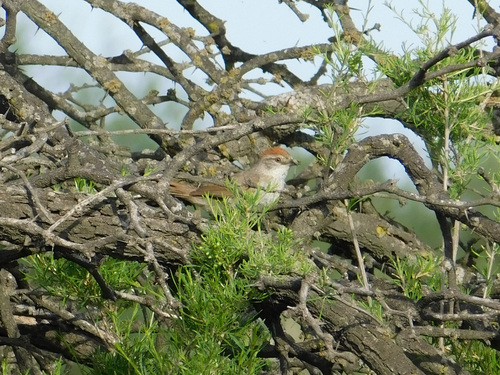
ムナジロオナガカマドドリ (Synallaxis albescens) ムナジロオナガカマドドリ

メディア

読み込み中…

要点

ハイムネオナガカマドドリとムナジロオナガカマドドリの最も信頼できるフィールドマークは、胸と顔の色合いです:ハイムネオナガカマドドリは明確に灰色(灰色)の胸と淡い灰色の眉斑を示し、ムナジロオナガカマドドリは全体的に淡く、淡いバフ灰色の胸と目を通るより目立つ淡いラインを持っています。両種の幼鳥は混乱を招くことがありますが、ハイムネオナガカマドドリの幼鳥は下部がよりオーカー色で、強い喉の斑点がありません。尾と翼の色合いも役立ちます:ハイムネオナガカマドドリはより暗く、より赤褐色の冠と翼の覆い羽を持ち、丸い先端の暗褐色の尾を持っていますが、ムナジロオナガカマドドリの尾はオリーブ褐色で赤褐色の色合いがあり、尖った先端を持っています。両種はサイズと構造が似ていますが、ムナジロオナガカマドドリはわずかに小さく、くちばしが短いです。ブラジルとボリビアの一部では生息地の重複が可能ですが、ムナジロオナガカマドドリははるかに広範囲に分布し、変異があります。フィールドでは胸の色、顔のパターン、尾の形状の組み合わせを使用して区別してください。

識別のコツ

  1. Breast color: ハイムネオナガカマドドリは明確に灰色(灰色)の胸を示し、ムナジロオナガカマドドリは胸がより淡くバフ色です。これは、良好な光の下で成鳥を区別する最も迅速な方法です。
  2. Face pattern: ハイムネオナガカマドドリは灰褐色の顔に淡い灰色の眉斑があります;ムナジロオナガカマドドリはより淡い褐色灰色の顔を持ち、目を通るより目立つ淡いラインがあり、顔がより対照的に見えます。
  3. Crown and nape: ハイムネオナガカマドドリは暗い灰褐色の前冠と栗色の冠と後頭部を持っています;ムナジロオナガカマドドリの冠は暗い赤褐色(時にはまだら)ですが、額はオリーブ灰褐色で対照が少ないです。
  4. Back and rump: ハイムネオナガカマドドリの背中、尾、上尾覆い羽は暗褐色です;ムナジロオナガカマドドリの背中はオリーブ褐色で、時には赤褐色の色合いがあります。
  5. Wing coverts: ハイムネオナガカマドドリは栗色の翼の覆い羽を持っています;ムナジロオナガカマドドリの翼の覆い羽は赤褐色ですが、飛翔羽ではしばしば豊かさが少なく、より黄褐色がかっています。
  6. Tail color and shape: ハイムネオナガカマドドリの尾は背中よりも暗い褐色で、丸い先端と段階的な形状を持っています;ムナジロオナガカマドドリの尾はオリーブ褐色で赤褐色の色合いがあり、先端がより尖っていて、段階的です。フィールドでは、ハイムネオナガカマドドリの尾はより暗く、尖っていないように見えることがあります。
  7. Throat pattern: 両種は白っぽい喉を持っていますが、ハイムネオナガカマドドリの下喉の羽毛は黒っぽく、白い縁があります(幼鳥では少ない);ムナジロオナガカマドドリは下喉に黒い斑点を示すことが多いですが、幼鳥はほぼ白い喉を持っています。
  8. Juvenile underparts: 幼鳥のハイムネオナガカマドドリはオーカー色の粘土褐色で、弱い喉の斑点があります;幼鳥のムナジロオナガカマドドリはより淡く、ほぼ白い腹部の中心とほぼ白い喉を持ち、より赤褐色の上部を持っています。
  9. Bill structure: ムナジロオナガカマドドリはハイムネオナガカマドドリよりもわずかに小さく、くちばしが短いですが、これは微妙で、直接比較しないと明らかではありません。
  10. Iris color: ハイムネオナガカマドドリは赤褐色の虹彩を持っています;ムナジロオナガカマドドリの虹彩は黄褐色から淡褐色または褐色です。これはフィールドではほとんど見えません。
  11. Leg color: ハイムネオナガカマドドリの脚はオリーブまたは灰色がかったオリーブから褐色がかった黄色です;ムナジロオナガカマドドリの脚は黄褐色から灰色がかったオリーブまたは褐色がかった黄色です。強いフィールドマークではありません。
  12. Voice: 聞こえた場合、ハイムネオナガカマドドリの大きく急いだおしゃべりや鋭い 'tut-Drrrrrrruh' が役立つことがありますが、ムナジロオナガカマドドリの声はここでは詳しく述べられていません。
  13. Habitat context: ブラジル、ボリビア、パラグアイでは、ハイムネオナガカマドドリのために水と湿った草地の近くを確認してください;ムナジロオナガカマドドリは、乱れた、エッジ、または乾燥した開けた生息地にいる可能性が高いですが、重複は可能です。
  14. Subspecies variation: ムナジロオナガカマドドリはその範囲内で非常に変異があり、一部の亜種はハイムネオナガカマドドリに近い色合いになることがありますので、複数のマークに依存してください。
  15. Pitfalls: 両種は、悪い光の中や短時間で見られた場合に似て見えることがあります。幼鳥は特に混乱を招くことがあります;可能であれば、下部の色合い(オーカー色対淡色/白)、喉のパターン、尾の形状に焦点を当ててください。

大きさ

ハイムネオナガカマドドリは15〜16 cmの長さで、15〜18 gの重さがありますが、ムナジロオナガカマドドリは13〜16 cmと9〜17 gの範囲です。両種は長さが似ていますが、ムナジロオナガカマドドリは明らかに軽く、わずかに小さく、くちばしが短いと説明されています。手に持ったり、良い視界で見ると、ハイムネオナガカマドドリは少しずんぐりしているように見えることがありますが、これは微妙で、フィールドでは常に信頼できるわけではありません。

羽色

幼鳥のハイムネオナガカマドドリは灰褐色の冠、オーカー色の粘土褐色の下部、そしてあまり明確でない喉の斑点を持っていますが、幼鳥のムナジロオナガカマドドリは褐色灰色の冠、より淡く赤褐色の上部、ほぼ白い喉、そしてほぼ白い腹部の中心を持っています。成鳥では、ハイムネオナガカマドドリは淡い灰色の眉斑、暗い灰褐色の前冠、栗色の冠と翼の覆い羽、そして暗い褐色の丸い尾を持っています。胸は明確に灰色で、白っぽい腹部と褐色の側面があります。ムナジロオナガカマドドリの成鳥は淡い褐色灰色の顔、目を通る目立つ淡いライン、オリーブ褐色の背中、赤褐色の翼の覆い羽、黄褐色がかった飛翔羽、そして赤褐色の色合いと尖った先端を持つオリーブ褐色の尾を持っています。胸は淡いバフ灰色で、腹部はより淡く、側面はより褐色です。両種の喉は白っぽいですが、ムナジロオナガカマドドリはしばしば下喉に黒い斑点を示します。ムナジロオナガカマドドリの亜種の変異はこれらの色合いに影響を与える可能性がありますが、一般的なパターンは保持されます。

行動

両種は低い茂みや草地の生息地で餌を探し、通常は地面から約1〜2メートルの高さの葉や枝から昆虫を採取します。両者は通常ペアで見られ、隠れていて、開けた場所に短時間現れます。フィールドでは、両者の間に強い行動の違いは見られません。

生息環境

ハイムネオナガカマドドリはボリビア、ブラジル、パラグアイ、ペルーに分断された個体群が見られ、開けた季節的に湿った草地、茂み、カンピナ、サバンナを好み、しばしば水の近くに生息し、700 mの標高まで見られます。ムナジロオナガカマドドリははるかに広範囲に分布し、コスタリカとパナマから南アメリカのほとんど(チリとエクアドルを除く)に生息し、乱れた地域、草地、茂みを含む広範囲の開けたおよび半開けた生息地に見られます。重複する地域(ブラジル、ボリビア)では、生息地は似ている可能性がありますが、ムナジロオナガカマドドリは乱れたまたはエッジの生息地にいる可能性が高く、ハイムネオナガカマドドリはより湿った草地や水の近くに結びついている可能性があります。

声

ハイムネオナガカマドドリは単一の音程で急いだ大きなおしゃべりをし、最後に加速します(例: 'chéw, chew-chee-chee-chee-ee-ee-ee-ee-ee-eu')、または高く鋭い 'tut-Drrrrrrruh' を持ち、スタッカートでわずかに下降します。ムナジロオナガカマドドリの声はここでは詳しく述べられていませんが、一般的には急速で乾いた音符やトリルの連続として説明されています。声の違いは役立ちますが、直接比較なしでは完全に診断できません。

より良い説明を送る

比較と同じ項目を使ってください。文章はすぐに公開されます。

The most reliable field mark between Cinereous-breasted Spinetail and Pale-breasted Spinetail is the color and tone of the breast and face: Cinereous-breasted shows a distinctly ash-gray (cinereous) breast and a faint gray supercilium, while Pale-breasted is paler overall with a pale buffy-gray breast and a more prominent pale line through the eye. Juveniles of both can be confusing, but Cinereous-breasted juveniles are more ochraceous below and lack a strong throat patch. Tail and wing coloration also help: Cinereous-breasted has a darker, more rufous crown and wing coverts, and a darker brown tail with rounded tips, while Pale-breasted’s tail is olive-brown with rufescent tinge and pointed tips. Both species are similar in size and structure, but Pale-breasted is slightly smaller and shorter-billed. Habitat overlap is possible in parts of Brazil and Bolivia, but Pale-breasted is much more widespread and variable. Use a combination of breast color, face pattern, and tail shape to separate them in the field.

  1. Breast color: Cinereous-breasted shows a distinctly ash-gray (cinereous) breast, while Pale-breasted is paler and buffier on the breast. This is often the quickest way to separate adults in good light.
  2. Face pattern: Cinereous-breasted has a faint gray supercilium on a gray-brown face; Pale-breasted has a paler brownish gray face with a more prominent pale line through the eye, making the face look more contrasting.
  3. Crown and nape: Cinereous-breasted has a dark gray-brown forecrown and chestnut-rufous crown and nape; Pale-breasted’s crown is dark rufous (sometimes mottled), but the forehead is olive grayish brown and less contrasting.
  4. Back and rump: Cinereous-breasted’s back, rump, and uppertail coverts are dark brown; Pale-breasted’s are olive-brown, sometimes with a rufescent tinge.
  5. Wing coverts: Cinereous-breasted has chestnut-rufous wing coverts; Pale-breasted’s are rufous, but often less rich and more tawny-brownish in the flight feathers.
  6. Tail color and shape: Cinereous-breasted’s tail is darker brown than the back, with rounded tips and a graduated shape; Pale-breasted’s tail is olive-brown with a rufescent tinge, more pointed at the tips, and also graduated. In the field, Cinereous-breasted’s tail may look darker and less pointed.
  7. Throat pattern: Both have whitish throats, but Cinereous-breasted’s lower throat feathers are blackish with whitish edges (less so in juveniles); Pale-breasted often shows black flecks on the lower throat, but juveniles have an almost white throat.
  8. Juvenile underparts: Juvenile Cinereous-breasted is ochraceous clay-brown below with a weak throat patch; juvenile Pale-breasted is paler, with a nearly white belly center and an almost white throat, and more rufescent upperparts.
  9. Bill structure: Pale-breasted is slightly smaller and has a shorter bill than Cinereous-breasted, but this is subtle and only apparent with direct comparison.
  10. Iris color: Cinereous-breasted has a reddish brown iris; Pale-breasted’s iris is yellowish to light brown or brown. This is rarely visible in the field.
  11. Leg color: Cinereous-breasted’s legs are olive or grayish olive to brownish yellow; Pale-breasted’s are yellowish brown to grayish olive or brownish yellow. Not a strong field mark.
  12. Voice: If heard, Cinereous-breasted’s loud, hurried chatter or sharp 'tut-Drrrrrrruh' can help, but Pale-breasted’s voice is not detailed here.
  13. Habitat context: In Brazil, Bolivia, and Paraguay, check for proximity to water and wet grassland for Cinereous-breasted; Pale-breasted is more likely in disturbed, edge, or drier open habitats, but overlap is possible.
  14. Subspecies variation: Pale-breasted is highly variable across its range; some subspecies may approach Cinereous-breasted in tone, so rely on multiple marks.
  15. Pitfalls: Both can appear similar in poor light or when seen briefly. Juveniles are especially confusing; focus on underpart tone (ochraceous vs. pale/white), throat pattern, and tail shape if possible.

Cinereous-breasted Spinetail measures 15–16 cm in length and weighs 15–18 g, while Pale-breasted Spinetail ranges from 13–16 cm and 9–17 g. Both are similar in length, but Pale-breasted can be noticeably lighter and is described as slightly smaller and with a shorter bill. In the hand or with a good view, Cinereous-breasted may appear a bit bulkier, but this is subtle and not always reliable in the field.

Juvenile Cinereous-breasted Spinetail has a gray-brown crown, ochraceous clay-brown underparts, and a less distinct throat patch, while juvenile Pale-breasted Spinetail shows a brownish gray crown, paler and more rufescent upperparts, an almost white throat, and paler underparts with a nearly white belly center. In adults, Cinereous-breasted has a faint gray supercilium, dark gray-brown forecrown, chestnut-rufous crown and wing coverts, and a dark brown, rounded tail. Its breast is distinctly ash-gray, with a whitish belly and brownish flanks. Pale-breasted adults have a pale brownish gray face, a prominent pale line through the eye, olive-brown back, rufous wing coverts, tawny-brownish flight feathers, and an olive-brown tail with rufescent tinge and pointed tips. Their breast is pale buffy gray, belly paler, and flanks browner. The throat of both species is whitish, but Pale-breasted often shows black flecks on the lower throat. Subspecies variation in Pale-breasted can affect these tones, but the general pattern holds.

Both species forage low in scrubby or grassy habitats, typically gleaning insects from foliage and branches about 1–2 meters above ground. Both are usually seen in pairs and are skulking, making brief appearances in open areas. There is no strong behavioral difference noted between the two in the field.

Cinereous-breasted Spinetail is found in disjunct populations in Bolivia, Brazil, Paraguay, and Peru, favoring open, seasonally wet grasslands, scrub, campina, and savannah, often near water, up to 700 m elevation. Pale-breasted Spinetail is much more widespread, occurring from Costa Rica and Panama through most of South America (except Chile and Ecuador), in a wide range of open and semi-open habitats, including disturbed areas, grasslands, and scrub. In areas of overlap (Brazil, Bolivia), habitat can be similar, but Pale-breasted is more likely in disturbed or edge habitats, while Cinereous-breasted may be more tied to wetter grasslands and proximity to water.

Cinereous-breasted Spinetail gives a hurried, loud chatter on a single pitch, accelerating at the end (e.g., 'chéw, chew-chee-chee-chee-ee-ee-ee-ee-ee-eu'), or a high, sharp 'tut-Drrrrrrruh' with a staccato, slightly descending end. Pale-breasted Spinetail’s vocalizations are not detailed here, but are generally described elsewhere as a rapid, dry series of notes or trills. Vocal differences can be useful, but are not fully diagnostic without direct comparison.

変更を破棄しますか?

保存していない編集があります。今離れると失われます。

ハイムネオナガカマドドリ · ムナジロオナガカマドドリ · 苦手な鳥