

Motmot

イワシャコ 対 クロハラサケイ

Alectoris chukar 対 Pterocles orientalis

イワシャコとクロハラサケイのクイズ
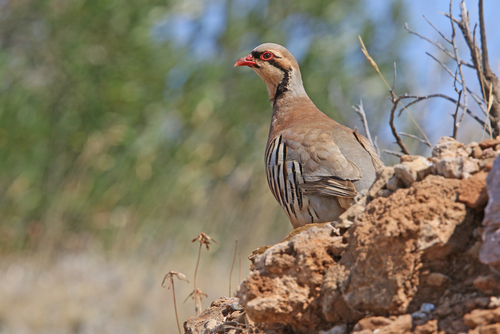
イワシャコ (Alectoris chukar) イワシャコ
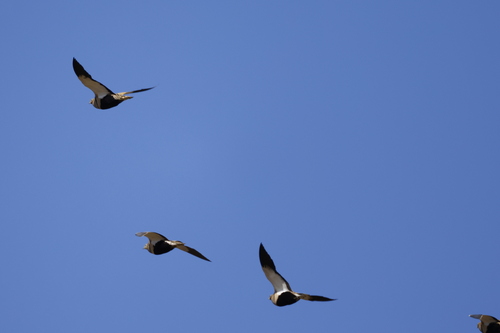
クロハラサケイ (Pterocles orientalis) クロハラサケイ

メディア

読み込み中…

要点

イワシャコとクロハラサケイを区別する最も信頼できるフィールドマークは、イワシャコの大胆な白黒の顔のパターンと黒いネックレスであり、対してサケイは小さなハトのような頭と地味な灰色または茶色の顔を持っています。飛行中、クロハラサケイは目を引く白い翼の下と黒い腹を示し、イワシャコは丸い翼を持ち、これらの対照的な飛行マークがありません。イワシャコは重くて丸いウズラで、赤褐色の横縞とサンゴ色のくちばしを持っています。一方、サケイはより流線型で、長く尖った翼と速く、直接的な飛行をします。両種は乾燥した開けた土地に生息しますが、イワシャコは岩だらけの高地や丘陵を好み、サケイは開けた平原に見られます。声と群れ行動も顕著に異なります。

識別のコツ

  1. Face pattern is key: イワシャコは額から目を通り、喉を囲むように走るはっきりとした黒いネックレス(ゴルゲット)を持つ大胆な白い顔を持っています。クロハラサケイは目立った顔のマーキングがない、地味で小さなハトのような頭を持っています。
  2. Flight marks: 飛行中、クロハラサケイはすべての年齢と性別で目を引く白い翼の下と固体の黒い腹を示します。イワシャコはこれらの特徴がなく、均一な腹部と丸い翼を示します。
  3. Body shape: イワシャコは丸い体型で重く、厚いサンゴ色のくちばしと赤い脚を持っています。サケイはより流線型で、小さなくちばし、長く尖った翼、コンパクトでハトのような体を持っています。
  4. Upperparts: イワシャコの背中は淡い茶色で、時には前首に黄色がかった色合いがあり、横腹は黒と白の大胆な縞模様があります。サケイの上面は金色の茶色で、暗いマーキングがあり、オスは栗色の喉の斑点を持っています。
  5. Sex differences: イワシャコの性別は似ており、メスはわずかに小さく、スパーがありません。サケイでは、メスはより茶色で、上部のマーキングが細かいですが、両性とも黒い腹と白い翼の下を共有します。
  6. Leg color: イワシャコは赤い脚を持っていますが、サケイの脚は目立たず、赤いとは記述されていません。
  7. Bill color: イワシャコのくちばしはサンゴ色ですが、サケイはより小さく、色が少ないくちばしを持っています。
  8. Tail: イワシャコの尾は短く丸く、14本の羽があります。サケイは速い飛行に適した長く尖った尾を持っています。
  9. Flight style: イワシャコは短い距離を飛び、しばしば下り坂で、丸い翼と速い、羽音を立てる飛行をします。サケイは群れで飛び、速く直接的に水源に向かい、しばしば長距離を飛びます。
  10. Habitat context: イワシャコは岩だらけの高地や丘陵にいる可能性が高く、サケイは開けた平原に見られ、急な岩だらけの地形を避けます。
  11. Flocking: サケイは非常に群れを成す性質があり、特に水の近くで夜明けに群れで見られます。イワシャコは繁殖期以外に群れを形成しますが、飛行中に大きく、密集した群れで見られる可能性は低いです。
  12. Voice: イワシャコの大きく繰り返される「イワシャコイワシャコ」は、サケイの柔らかく、転がるような「チャウル」とは非常に異なります。
  13. Behavior when flushed: イワシャコは逃げることを好み、押されない限り飛ばず、サケイはすぐに離陸し、長距離を飛びます。
  14. Pitfalls: 遠くから見ると、両者は開けた土地でずんぐりした茶色の鳥に見えることがあります。常にイワシャコの顔のパターンと、飛行中のサケイの白い翼の下/黒い腹を確認してください。
  15. When marks fail: 照明が悪い場合や極端な距離では、飛行スタイル(イワシャコは短く、羽音を立てて下り坂、サケイは長く、速く、直接的)と群れ行動(イワシャコは単独または小さなグループ、サケイは大きな群れ)に頼ってください。

大きさ

イワシャコは2種の中で重く、体重は約607.5 g [wikidata]で、クロハラサケイの405.5 gと比較されます。両者は長さが似ており(イワシャコ: 32–35 cm; サケイ: 33–39 cm [wikipedia])、イワシャコはより丸みを帯びてウズラのように見え、サケイはよりコンパクトで流線型で、長く尖った翼と体に対して小さな頭を持っています。イワシャコのくちばしは厚くサンゴ色ですが、サケイは小さくハトのようなくちばしを持っています。

羽色

どちらの種についても年齢特有の上翼パターンは記述されていませんが、飛行中のすべての年齢のクロハラサケイは診断的な白い翼の下とはっきりとした黒い腹を示します—これらは遠くからでも見え、イワシャコには一致しません。対照的に、イワシャコは均一な淡い茶色の背中、灰色の胸、クリーム色の腹、赤褐色の横縞を示し、はっきりとした黒いネックレスが白い喉と顔を囲んでいます。サケイのオスは灰色の頭、首、胸、金色の茶色の上面に暗いマーキングがあり、栗色の喉の斑点を持っています。メスはより茶色で、上部のマーキングが細かいです。サケイの両性は同じ黒い腹と白い翼の下を持っています。イワシャコの性別は似ており、メスはわずかに小さく、スパーがありません。顔のパターンは最も信頼できる止まり木のマークです:イワシャコの白い顔と黒いゴルゲットに対して、サケイの地味で小さな頭です。サケイは長く尖った翼と速く直接的な飛行を持ち、イワシャコの翼は丸く、飛行は短く、しばしば下り坂です。

行動

イワシャコは動揺したときに飛ぶのではなく走る傾向があり、飛ぶのは短い距離(しばしば下り坂)で、丸い翼で着陸後に呼びます。繁殖期以外は小さな群れで見られることが多く、夏にはペアで見られます。サケイは非常に群れを成し、夜明けに水源に向かって速く直接的に飛ぶ群れを形成します。彼らの飛行はイワシャコの短く急速なバーストに比べて長く、持続的で直接的です。イワシャコはより地上性で岩だらけの斜面を好み、サケイはより多くの時間を開けた空中と平坦な地面で過ごします。

生息環境

両種は乾燥した開けた生息地を好みますが、イワシャコは通常、岩だらけの高地、丘陵、谷に見られ、冬にはしばしば畑に降りてきます。クロハラサケイは乾燥した開けた平原で繁殖し、完全に植生がない地域を避け、平坦で開けた土地により関連しています。サケイはイワシャコが好む岩だらけの急な地形では見られにくいです。

声

イワシャコの鳴き声は大きく繰り返される「チャックチャックイワシャコイワシャコ」で、しばしば連続して出され、特に夜明けと夕暮れに聞かれます。サケイははるかに柔らかく、転がるような「チャウル」と呼ばれる鳴き声を持っています。イワシャコの声はより騒々しく、遠くまで届きますが、サケイの鳴き声はより控えめで、遠くで聞かれる可能性は低いです。

より良い説明を送る

比較と同じ項目を使ってください。文章はすぐに公開されます。

The most reliable field mark to separate Chukar from Black-bellied Sandgrouse is the Chukar’s bold black-and-white face pattern and black necklace, versus the sandgrouse’s small pigeon-like head and plain grey or brown face. In flight, Black-bellied Sandgrouse show striking white underwings and a black belly, while Chukar have rounded wings and lack these contrasting flight marks. Chukar is a heavier, rounder partridge with rufous-barred flanks and a coral-red bill; sandgrouse are more streamlined, with long pointed wings and a fast, direct flight. Both species occur in dry, open country, but Chukar prefers rocky uplands and hillsides, while sandgrouse are found on open plains. Voice and flocking behavior also differ markedly.

  1. Face pattern is key: Chukar has a bold white face with a sharply defined black necklace (gorget) running from the forehead through the eye and enclosing the throat. Black-bellied Sandgrouse has a plain, small, pigeon-like head with no bold facial markings.
  2. Flight marks: In flight, Black-bellied Sandgrouse shows striking white underwings and a solid black belly, visible in all ages and sexes. Chukar lacks these features, showing uniform underparts and rounded wings.
  3. Body shape: Chukar is round-bodied and heavy, with a thick coral-red bill and red legs. Sandgrouse is more streamlined, with a smaller bill, long pointed wings, and a compact, pigeon-like body.
  4. Upperparts: Chukar’s back is light brown, sometimes with a yellowish tinge to the foreneck, and the flanks are boldly barred with black and white. Sandgrouse upperparts are golden-brown with dark markings, and males have a chestnut throat patch.
  5. Sex differences: Chukar sexes are similar, with females slightly smaller and lacking a spur. In sandgrouse, females are browner and more finely marked above, but both sexes share the black belly and white underwing.
  6. Leg color: Chukar has red legs; sandgrouse legs are less conspicuous and not described as red.
  7. Bill color: Chukar’s bill is coral red; sandgrouse has a smaller, less colorful bill.
  8. Tail: Chukar’s tail is short and rounded with 14 feathers; sandgrouse has a longer, more pointed tail suited to fast flight.
  9. Flight style: Chukar flies short distances, often downhill, with rounded wings and a rapid, whirring flight. Sandgrouse fly in flocks, fast and direct, often over long distances to water.
  10. Habitat context: Chukar is more likely in rocky uplands and hillsides; sandgrouse is found on open plains and avoids steep, rocky terrain.
  11. Flocking: Sandgrouse are highly gregarious, often seen in flocks, especially at dawn near water. Chukar forms coveys outside breeding season but is less likely to be seen in large, tight flocks in flight.
  12. Voice: Chukar’s loud, repeated 'chukar-chukar' is very different from the sandgrouse’s soft, rolling 'chowrrr'.
  13. Behavior when flushed: Chukar prefers to run and only flies when pressed, while sandgrouse take off readily and fly long distances.
  14. Pitfalls: At a distance, both can appear as chunky, brownish birds in open country. Always check for the Chukar’s face pattern and the sandgrouse’s white underwing/black belly in flight.
  15. When marks fail: In poor light or at extreme range, rely on flight style (short, whirring and downhill for Chukar; long, fast, direct for sandgrouse) and flocking behavior (solitary or small groups for Chukar, larger flocks for sandgrouse).

Chukar is the heavier and bulkier of the two, averaging about 607.5 g [wikidata], compared to the Black-bellied Sandgrouse’s 405.5 g. Both are similar in length (Chukar: 32–35 cm; Sandgrouse: 33–39 cm [wikipedia]), but Chukar appears more rotund and partridge-like, while sandgrouse are more compact and streamlined, with longer, pointed wings and a smaller head relative to body size. Chukar’s bill is thicker and coral-red, while sandgrouse have a smaller, pigeon-like bill.

No age-specific upperwing patterns are described for either species, but in flight, Black-bellied Sandgrouse of all ages show diagnostic white underwings and a sharply defined black belly—these are visible even at a distance and are not matched by Chukar. Chukar, in contrast, shows a uniform light brown back, grey breast, buff belly, and rufous-barred flanks, with a sharply defined black necklace enclosing a white throat and face. The sandgrouse male has a grey head, neck, and breast, golden-brown upperparts with dark markings, and a chestnut throat patch; the female is browner and more finely marked above. Both sexes of sandgrouse have the same black belly and white underwing. Chukar sexes are similar, with females slightly smaller and lacking a spur. The face pattern is the most reliable perched mark: Chukar’s white face and black gorget versus sandgrouse’s plain, small head. Sandgrouse have long, pointed wings and a fast, direct flight, while Chukar’s wings are rounded and flight is short and often downhill.

Chukar tends to run rather than fly when disturbed, flying only short distances (often downhill) on rounded wings and calling after landing. They are often found in small coveys outside the breeding season, and pairs in summer. Sandgrouse are highly gregarious, forming flocks that fly fast and directly to watering holes at dawn. Their flight is longer, more sustained, and direct compared to Chukar’s short, rapid bursts. Chukar is more terrestrial and prefers rocky slopes, while sandgrouse spend more time in open air and on flat ground.

Both species favor dry, open habitats, but Chukar is typically found in rocky uplands, hillsides, and valleys, often descending to fields in winter. Black-bellied Sandgrouse breeds on dry open plains, avoiding areas completely lacking vegetation, and is more associated with flat, open country. Sandgrouse are less likely to be found in rocky or steep terrain preferred by Chukar.

Chukar’s call is a loud, repeated 'chuck-chuck-chukar-chukar', often given in series and especially at dawn and dusk. Sandgrouse have a much softer, rolling 'chowrrr rrrr-rrrr' call. Chukar’s voice is more raucous and carries further, while sandgrouse calls are more subdued and less likely to be heard at a distance.

変更を破棄しますか?

保存していない編集があります。今離れると失われます。

イワシャコ · クロハラサケイ · 苦手な鳥