

Coturnice orientale vs Black-bellied Sandgrouse
Alectoris chukar contro Pterocles orientalis
Fai un quiz con Coturnice orientale e Black-bellied Sandgrouse
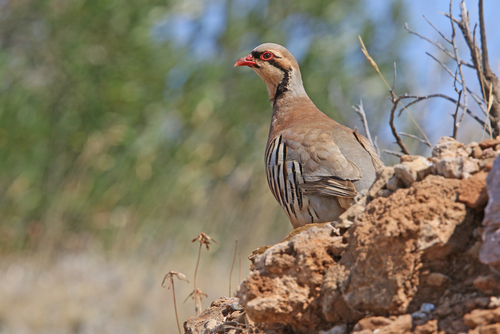 Coturnice orientale
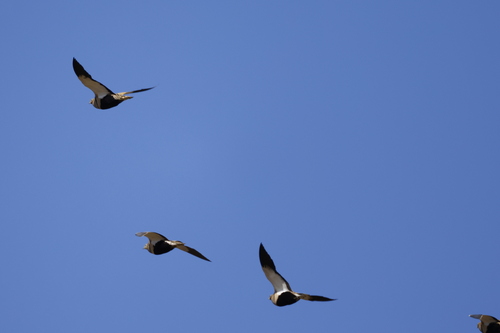 Black-bellied Sandgrouse
In breve
Il segno distintivo più affidabile per separare la Coturnice orientale dal Black-bellied Sandgrouse è il pattern audace del viso bianco e nero della Coturnice orientale e la collana nera, rispetto alla testa piccola simile a quella di un piccione e al viso grigio o marrone semplice del sandgrouse. In volo, il Black-bellied Sandgrouse mostra sottoali bianche sorprendenti e un ventre nero, mentre la Coturnice orientale ha ali arrotondate e manca di questi segni di volo contrastanti. La Coturnice orientale è una pernice più pesante e rotonda con fianchi barrati di ruggine e un becco rosso corallo; i sandgrouse sono più aerodinamici, con ali lunghe e appuntite e un volo veloce e diretto. Entrambe le specie si trovano in territori asciutti e aperti, ma la Coturnice orientale preferisce le alture rocciose e i pendii, mentre i sandgrouse si trovano nelle pianure aperte. Anche la voce e il comportamento di gruppo differiscono notevolmente.
Consigli di identificazione
- Il pattern del viso è fondamentale: La Coturnice orientale ha un viso bianco audace con una collana nera ben definita (gorget) che va dalla fronte attraverso l'occhio e racchiude la gola. Il Black-bellied Sandgrouse ha una testa piccola e semplice, simile a quella di un piccione, senza marcature facciali audaci.
- Segni di volo: In volo, il Black-bellied Sandgrouse mostra sottoali bianche sorprendenti e un ventre nero solido, visibile in tutte le età e sessi. La Coturnice orientale manca di queste caratteristiche, mostrando parti inferiori uniformi e ali arrotondate.
- Forma del corpo: La Coturnice orientale ha un corpo rotondo e pesante, con un becco spesso rosso corallo e zampe rosse. I sandgrouse sono più aerodinamici, con un becco più piccolo, ali lunghe e appuntite, e un corpo compatto simile a quello di un piccione.
- Parte superiore: La schiena della Coturnice orientale è marrone chiaro, a volte con una sfumatura giallastra sul collo anteriore, e i fianchi sono audacemente barrati di nero e bianco. Le parti superiori dei sandgrouse sono marrone dorato con marcature scure, e i maschi hanno una macchia di gola castagna.
- Differenze sessuali: I sessi della Coturnice orientale sono simili, con le femmine leggermente più piccole e senza sperone. Nei sandgrouse, le femmine sono più marroni e più finemente marcate sopra, ma entrambi i sessi condividono il ventre nero e la sottoala bianca.
- Colore delle zampe: La Coturnice orientale ha zampe rosse; le zampe dei sandgrouse sono meno appariscenti e non sono descritte come rosse.
- Colore del becco: Il becco della Coturnice orientale è rosso corallo; i sandgrouse hanno un becco più piccolo e meno colorato.
- Coda: La coda della Coturnice orientale è corta e arrotondata con 14 piume; i sandgrouse hanno una coda più lunga e appuntita adatta a un volo veloce.
- Stile di volo: La Coturnice orientale vola per brevi distanze, spesso in discesa, con ali arrotondate e un volo rapido e frusciante. I sandgrouse volano in gruppi, veloci e diretti, spesso su lunghe distanze verso l'acqua.
- Contesto dell'habitat: La Coturnice orientale è più probabile che si trovi in alture rocciose e pendii; i sandgrouse si trovano nelle pianure aperte e evitano terreni ripidi e rocciosi.
- Comportamento di gruppo: I sandgrouse sono altamente gregari, spesso visti in gruppi, specialmente all'alba vicino all'acqua. La Coturnice orientale forma covate al di fuori della stagione di riproduzione, ma è meno probabile che venga vista in grandi gruppi compatti in volo.
- Voce: Il forte e ripetuto 'Coturnice orientale-Coturnice orientale' della Coturnice orientale è molto diverso dal morbido e rotolante 'chowrrr' del sandgrouse.
- Comportamento quando disturbati: La Coturnice orientale preferisce correre e vola solo quando è costretta, mentre i sandgrouse decollano prontamente e volano per lunghe distanze.
- Trappole: Da lontano, entrambi possono apparire come uccelli tozzi e marroni in un territorio aperto. Controlla sempre il pattern del viso della Coturnice orientale e la sottoala bianca/ventre nero del sandgrouse in volo.
- Quando i segni falliscono: In scarsa illuminazione o a distanza estrema, fai affidamento sullo stile di volo (breve, frusciante e in discesa per la Coturnice orientale; lungo, veloce e diretto per i sandgrouse).
Taglia
La Coturnice orientale è la più pesante e ingombrante delle due, con un peso medio di circa 607,5 g [wikidata], rispetto ai 405,5 g del Black-bellied Sandgrouse. Entrambi sono simili in lunghezza (Coturnice orientale: 32–35 cm; Sandgrouse: 33–39 cm [wikipedia]), ma la Coturnice orientale appare più rotonda e simile a una pernice, mentre i sandgrouse sono più compatti e aerodinamici, con ali più lunghe e appuntite e una testa più piccola rispetto alla dimensione del corpo. Il becco della Coturnice orientale è più spesso e rosso corallo, mentre i sandgrouse hanno un becco più piccolo, simile a quello di un piccione.
Piumaggio
Nessun pattern specifico per l'età è descritto per nessuna delle due specie, ma in volo, il Black-bellied Sandgrouse di tutte le età mostra sottoali bianche diagnostiche e un ventre nero ben definito—questi sono visibili anche a distanza e non sono eguagliati dalla Coturnice orientale. La Coturnice orientale, al contrario, mostra una schiena marrone chiaro uniforme, un petto grigio, un ventre buff e fianchi barrati di ruggine, con una collana nera ben definita che racchiude una gola e un viso bianchi. Il maschio del sandgrouse ha una testa, un collo e un petto grigi, parti superiori marrone dorato con marcature scure, e una macchia di gola castagna; la femmina è più marrone e più finemente marcata sopra. Entrambi i sessi di sandgrouse hanno lo stesso ventre nero e sottoala bianca. I sessi della Coturnice orientale sono simili, con le femmine leggermente più piccole e senza sperone. Il pattern del viso è il segno più affidabile in posizione: il viso bianco della Coturnice orientale e il gorget nero contro la testa semplice e piccola del sandgrouse. I sandgrouse hanno ali lunghe e appuntite e un volo veloce e diretto, mentre le ali della Coturnice orientale sono arrotondate e il volo è breve e spesso in discesa.
Comportamento
La Coturnice orientale tende a correre piuttosto che volare quando viene disturbata, volando solo per brevi distanze (spesso in discesa) su ali arrotondate e chiamando dopo l'atterraggio. Sono spesso trovate in piccole covate al di fuori della stagione di riproduzione e coppie in estate. I sandgrouse sono altamente gregari, formando gruppi che volano veloci e direttamente verso i punti d'acqua all'alba. Il loro volo è più lungo, più sostenuto e diretto rispetto ai brevi e rapidi scatti della Coturnice orientale. La Coturnice orientale è più terrestre e preferisce i pendii rocciosi, mentre i sandgrouse trascorrono più tempo all'aria aperta e su terreni pianeggianti.
Habitat
Entrambe le specie preferiscono habitat asciutti e aperti, ma la Coturnice orientale si trova tipicamente in alture rocciose, pendii e valli, spesso scendendo nei campi in inverno. Il Black-bellied Sandgrouse nidifica su pianure aperte e asciutte, evitando aree completamente prive di vegetazione, ed è più associato a terreni piatti e aperti. I sandgrouse sono meno probabili da trovare in terreni rocciosi o ripidi preferiti dalla Coturnice orientale.
Voce
Il richiamo della Coturnice orientale è un forte 'chuck-chuck-Coturnice orientale-Coturnice orientale' ripetuto, spesso emesso in serie e specialmente all'alba e al crepuscolo. I sandgrouse hanno un richiamo molto più morbido e rotolante 'chowrrr rrrr-rrrr'. La voce della Coturnice orientale è più rauca e si sente più lontano, mentre i richiami dei sandgrouse sono più sommessi e meno probabili da essere uditi a distanza.
Coturnice orientale · Black-bellied Sandgrouse · I miei uccelli difficili