

Motmot

アカハラダカ 対 ミナミツミ

Tachyspiza soloensis 対 Tachyspiza virgata

アカハラダカとミナミツミのクイズ
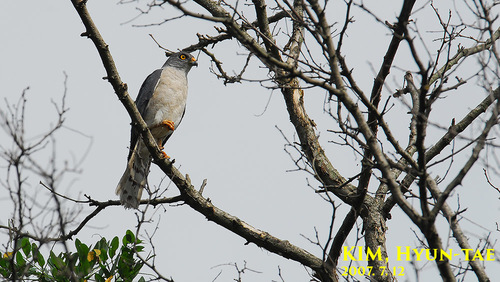
アカハラダカ (Tachyspiza soloensis) アカハラダカ
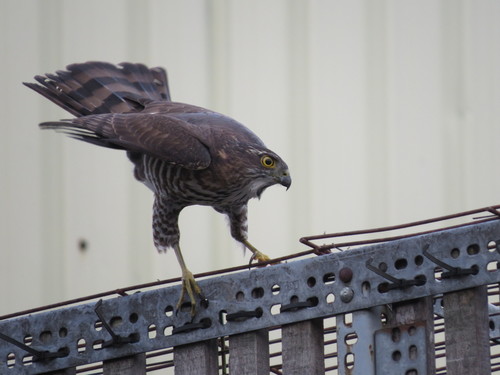
ミナミツミ (Tachyspiza virgata) ミナミツミ

メディア

読み込み中…

要点

中国アカハラダカとミナミツミの最も信頼できるフィールドマークは、翼と腹部のパターンであり、特に幼鳥と雌において顕著です。幼鳥の中国アカハラダカは腹部に縞模様があり、黒い翼先端があまり目立たないのに対し、ミナミツミの幼鳥は腹部が横縞模様で、強く横縞模様のある翼の下部を持っています。成鳥のオスの中国アカハラダカは腹部が淡色で赤い目を持ち、ミナミツミのオスは暗色で赤褐色の横縞模様があります。両者はサイズが似ていますが、ミナミツミは通常、より暗く、より強く横縞模様があり、特徴的な尾のパターンがあります。構造的および行動的な違いは微妙なので、特に飛行中の翼の下部と腹部のマーキングに注目してください。

識別のコツ

  1. Juvenile underpart pattern: 幼鳥の中国アカハラダカは腹部に縞模様があり(横縞ではない)、幼鳥のミナミツミは腹部が茶色の横縞模様です。これは未熟な鳥において最も信頼できるマークであり、特に飛行中や止まっているときの腹部の視点で顕著です。
  2. Juvenile underwing: 幼鳥のミナミツミは全体に強く横縞模様のある翼の下部を持ち、中国アカハラダカの幼鳥は(カバーの部分を除いて)縞模様を示し、黒い翼先端があまり目立ちません。
  3. Adult male underparts: 中国アカハラダカのオスは腹部が白色で、横縞模様がほとんどないか全くありませんが、ミナミツミのオスは白色ですが、赤褐色の横縞模様が強くあります。きれいな腹部と横縞模様のある腹部を見分けてください。
  4. Adult female underwing and breast: 雌の中国アカハラダカは胸部と翼の下部のカバーに赤褐色があり、雌のミナミツミは上面がより茶色で、腹部と翼の下部に強い横縞模様を示します。
  5. Wingtip pattern: 成鳥の中国アカハラダカは特にオスにおいて目立つ黒い翼先端を持っています。ミナミツミはこの特徴がなく、翼先端は特にマークされていません。
  6. Tail pattern: すべての年齢のミナミツミは上尾に3〜4本の同じサイズの暗い帯を示します。中国アカハラダカにはこの尾の帯がないため、明確に帯状の尾はミナミツミを示します。
  7. Eye color: 成鳥のオスの中国アカハラダカは赤い目を持ち、ミナミツミの成鳥(および雌/幼鳥の中国アカハラダカ)は黄色い目を持っています。性別/年齢が明確な場合のみ使用してください。
  8. Upperparts: ミナミツミは一般的に上面がより暗く(オスは暗青灰色、雌/幼鳥は茶色)、中国アカハラダカのオスの淡い灰色と比較されます。
  9. Gular stripe: ミナミツミは中国アカハラダカよりも広い喉のストライプを持っていますが、これは微妙で変動することがあります。
  10. Legs and toes: ミナミツミは細く長い脚と足指を持つと説明されていますが、これは微妙な違いであり、フィールドで常に信頼できるわけではありません。
  11. Flight style: ミナミツミはしばしば「フラップ–フラップ–グライド」の飛行を示しますが、これは特有のものではなく、主要な区別として使用すべきではありません。
  12. Habitat context: ミナミツミは特に居住者として、密林や深いカバーにいる可能性が高いですが、両種はより開けた森林でも重なることがあります。
  13. Sexual dimorphism: 両種の雌はオスよりも大きいですが、サイズの重なりが広範であり、信頼できるフィールドマークではありません。
  14. Confusion risk: 飛行中の未熟な鳥は最も混乱しやすいです。腹部と翼の下部のパターン(縞模様対横縞模様)と尾の帯に注目してください。
  15. When in doubt: もし腹部と翼の下部に強い横縞模様があり、尾が明確に帯状であれば、ミナミツミの可能性が高いです。もし腹部が縞模様で、翼先端が黒い(特に淡い鳥の場合)なら、中国アカハラダカに傾いてください。

大きさ

両種はサイズが非常に似ており、中国アカハラダカは30〜36 cm、ミナミツミは29〜36 cmの長さです。両種の雌はオスよりも大きいです。フィールドでのサイズの信頼できる違いはなく、サイズだけでは診断できません。[wikipedia]

羽色

行動

両種は敏捷な森林の猛禽類ですが、ミナミツミは特徴的な「フラップ–フラップ–グライド」の飛行パターンで知られ、短く広い翼と長い尾を持ち、密な植生の中を巧みに移動するように適応しています。中国アカハラダカの飛行行動はノートに詳細が記載されていませんが、両種はカバーからの奇襲攻撃に依存しています。行動だけでは信頼できる区別にはならないが、ミナミツミは密林での狩りにわずかに適応しているように見えるかもしれません。

生息環境

ミナミツミは南アジアと東アジアの密林に広く分布する居住者であり、厚いカバーに留まることが多いですが、冬にはより開けた森林、サバンナ、耕作地に出てきます。中国アカハラダカの生息地はノートに詳細が記載されていませんが、一般的にミナミツミよりも密林に結びついていません。深い森林で見られた場合、ミナミツミの可能性が高いですが、生息地の重なりが重要であるため、これは主要なフィールドマークではありません。

より良い説明を送る

比較と同じ項目を使ってください。文章はすぐに公開されます。

The most reliable field mark between Chinese Sparrowhawk and Besra is the wing and underpart pattern, especially in juveniles and females. Juvenile Chinese Sparrowhawks show streaked underparts and less prominent black wingtips, while Besra juveniles are barred below and have a strongly barred underwing. Adult male Chinese Sparrowhawks are pale below with red eyes, while Besra males are darker and barred reddish brown below. Both are similar in size, but Besra is typically darker and more heavily barred, with a distinctive tail pattern. Structural and behavioral differences are subtle, so focus on underwing and underpart markings, especially in flight.

  1. Juvenile underpart pattern: Juvenile Chinese Sparrowhawks are streaked below (not barred), while juvenile Besras are barred brown below. This is the most reliable mark in immature birds, especially in flight or perched views of the underparts.
  2. Juvenile underwing: Juvenile Besras have a strongly barred underwing throughout, while Chinese Sparrowhawk juveniles show streaking (except for the coverts) and less prominent black wingtips.
  3. Adult male underparts: Chinese Sparrowhawk males are white below with little or no barring, while Besra males are white but heavily barred reddish brown below. Look for clean vs. barred underparts.
  4. Adult female underwing and breast: Female Chinese Sparrowhawks have rufous on the breast and underwing coverts, while female Besras are browner above and show strong barring below and on the underwing.
  5. Wingtip pattern: Adult Chinese Sparrowhawks have prominent black wingtips, especially in males. Besra lacks this feature; its wingtip is not uniquely marked.
  6. Tail pattern: Besra of all ages shows 3–4 equally sized dark bands on the uppertail. Chinese Sparrowhawk does not have this tail banding, so a clearly banded tail points to Besra.
  7. Eye color: Adult male Chinese Sparrowhawks have red eyes, while Besra adults (and female/juvenile Chinese Sparrowhawks) have yellow eyes. Use this only if the sex/age is clear.
  8. Upperparts: Besra is generally darker above (dark blue-grey in males, brown in females/juveniles) compared to the paler grey of Chinese Sparrowhawk males.
  9. Gular stripe: Besra has a broader gular stripe than Chinese Sparrowhawk, but this can be subtle and variable.
  10. Legs and toes: Besra is described as having thin, long legs and toes, but this is a subtle difference and not always reliable in the field.
  11. Flight style: Besra often shows a 'flap–flap–glide' flight, but this is not unique and should not be used as a primary separator.
  12. Habitat context: Besra is more likely in dense forest or deep cover, especially as a resident, but both species can overlap in more open woodland.
  13. Sexual dimorphism: Females of both species are larger, but size overlap is extensive and not a reliable field mark.
  14. Confusion risk: Immature birds in flight are most often confused; focus on underpart and underwing pattern (streaked vs. barred) and tail bands.
  15. When in doubt: If barring is strong below and on the underwing, and tail is clearly banded, Besra is most likely. If underparts are streaked and wingtips are black (especially in a paler bird), lean toward Chinese Sparrowhawk.

Both species are very similar in size, with Chinese Sparrowhawk at 30–36 cm and Besra at 29–36 cm in length. Females of both species are larger than males. There is no reliable size difference in the field between them, so size alone is not diagnostic. [wikipedia]

  • Juvenile/immature: Chinese Sparrowhawk juveniles have a grey face, brown upperparts, and yellow eyes. Their underparts are streaked (not barred), with barred thighs. The black wingtips are less prominent, and the underwings are streaked except for the coverts. In contrast, juvenile Besras are dark brown above and white below, but crucially, the underparts are barred with brown, and the underwing is strongly barred throughout. Both have yellow eyes at this age.

  • Adult male: Chinese Sparrowhawk males are grey above and white below, with prominent black wingtips and red eyes. Besra males are dark blue-grey above, white below but strongly barred reddish brown, and have a broader gular stripe. Their underwings are also strongly barred.

  • Adult female: Female Chinese Sparrowhawks have rufous on the breast and underwing coverts, yellow eyes, and less prominent black wingtips. Female Besras are browner above and also show strong barring below and on the underwing.

  • Tail: Besra of all ages shows 3–4 equally sized dark bands on the uppertail, a feature not described for Chinese Sparrowhawk.

  • Eyes: Adult Chinese Sparrowhawk males have red eyes; females and juveniles have yellow eyes. Besra adults and juveniles have yellow eyes.

  • Summary: Focus on underpart and underwing pattern (streaked vs. barred), and note the presence or absence of strong barring and tail bands for the best separation.

Both species are agile forest raptors, but Besra is noted for its characteristic 'flap–flap–glide' flight pattern and is adapted for maneuvering through dense vegetation with short broad wings and a long tail. Chinese Sparrowhawk flight behavior is not detailed in the notes, but both species rely on surprise attacks from cover. Behavior alone is not a reliable separator, but Besra may appear slightly more adapted to dense forest hunting.

Besra is a widespread resident in dense forests across southern and eastern Asia, often remaining in thick cover but emerging into more open woodland, savannah, and cultivation in winter. Chinese Sparrowhawk habitat is not detailed in the notes, but it is generally less tied to dense forest than Besra. If seen in deep forest, Besra is more likely, but habitat overlap is significant, so this is not a primary field mark.

変更を破棄しますか?

保存していない編集があります。今離れると失われます。

アカハラダカ · ミナミツミ · 苦手な鳥